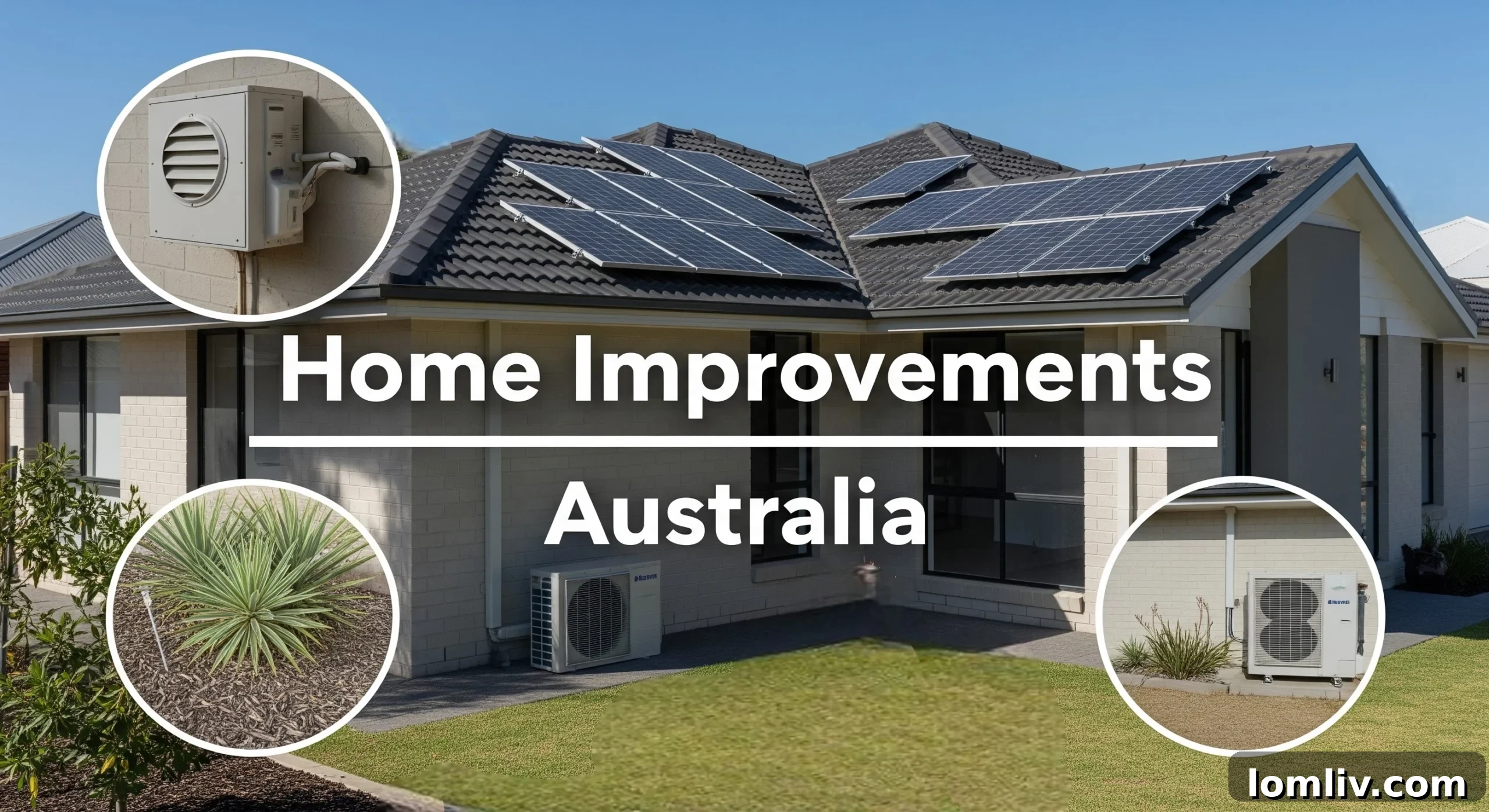
Unlock Maximum Home Energy Savings: The Smart Sequence to Lower Power Bills
Achieving significant reductions in your power bills begins not with expensive new equipment, but by first addressing fundamental inefficiencies within your home. By tackling heating, cooling, and hot water waste, you lay the groundwork for a truly energy-efficient residence, ensuring that any subsequent investments in advanced gear or solar panels deliver maximum impact and value.
The most effective strategy for home energy upgrades follows a clear, logical sequence: Seal, Insulate, Electrify, then Generate. By methodically reducing your home’s inherent energy demand first, you can then right-size your heating, cooling, and hot water systems, and ultimately, your solar power array. This approach not only enhances comfort throughout your home but also guarantees lower lifetime operating costs and a faster return on your investments.
Understanding Your Energy Consumption: What Really Drives Australian Power Bills
For the vast majority of Australian homes, understanding where energy is consumed is the first step towards significant savings. Heating, cooling, and hot water collectively represent the largest portion of household energy expenditure, making them the primary targets for efficiency improvements.
On average, space heating and cooling account for approximately 40 percent of total household energy use. Hot water systems follow closely, typically consuming around 25 percent annually. Addressing these two categories first provides the greatest potential for immediate and substantial bill reductions.
Modern reverse-cycle air conditioners, which are essentially highly efficient heat pumps, represent a game-changer in home climate control. Unlike traditional resistance heaters or older gas furnaces that generate heat, heat pumps simply move heat from one place to another. This fundamental difference allows them to operate with exceptional efficiency, typically ranging from 300 to 600 percent. This means that for every kilowatt of electricity consumed, a heat pump can deliver three to six kilowatts of heating or cooling energy. When selecting a unit, consult the Zoned Energy Rating Label (ZERL) to assess its performance across hot, average, and cold Australian climates, ensuring you choose a model perfectly suited to your specific location.
Where Lighting and Appliances Fit into Your Energy Strategy
While heating, cooling, and hot water dominate, lighting and household appliances also contribute to your overall energy footprint. Lighting typically constitutes 5 to 10 percent of household electricity consumption. Upgrading outdated lighting to modern Light Emitting Diodes (LEDs) offers a rapid and cost-effective improvement. For instance, replacing ten halogen downlights with energy-efficient LEDs can save over $2,000 and prevent roughly three tonnes of greenhouse gas emissions over a decade. LEDs use approximately 75 percent less energy and boast a lifespan five to ten times longer than conventional bulbs. With Australia actively phasing out inefficient lamps from October 2025, now is an opportune moment to plan your transition to LED lighting throughout your home.
Beyond lighting, consider the efficiency of your major appliances. When purchasing new whitegoods, look for high star ratings on the Energy Rating Label. Unplugging devices that consume phantom power (electricity used when devices are turned off but still plugged in) can also contribute to small but cumulative savings over time, further enhancing your home’s overall energy efficiency.
Strategic Planning: Audit Your Home and Sequence Your Upgrades
Before committing to any significant investments, a thorough home energy audit is essential. This initial assessment helps identify the most impactful areas for improvement, ensuring every dollar spent on upgrades yields the best possible return. A simple, DIY audit can uncover major issues without costing a cent.
Start by identifying air leaks. On a windy day, carefully run your hand along skirtings, door sweeps, and window frames to detect any draughts. These unsealed gaps allow conditioned air to escape and unconditioned air to enter, forcing your heating and cooling systems to work harder. Next, inspect your roof space. Check the depth of existing insulation and look for any gaps or inconsistencies, particularly around downlights, exhaust fan penetrations, and attic hatches. Inadequate or compromised insulation is a significant source of energy loss.
For a more comprehensive assessment, consider professional services. An energy assessor can conduct a blower-door test, which uses a powerful fan installed in an external doorway to depressurize your home. This test dramatically exaggerates air leaks, allowing the assessor to precisely locate and quantify problem areas using thermal cameras or smoke pencils. Understanding these weak points is crucial for effective sealing and insulation strategies.
A Simple Decision Tree for Prioritising Home Energy Upgrades
Once you’ve conducted your audit, use this simplified decision tree to guide your renovation sequence:
- If rooms feel noticeably draughty or experience uneven temperatures: Prioritise comprehensive sealing and insulation upgrades. These fundamental improvements create a stable indoor environment, making subsequent heating and cooling systems far more effective.
- If your hot water system is older, uses electric resistance heating, or is gas-powered: Your next logical step should be considering an upgrade to a high-efficiency heat pump water heater. This can dramatically reduce one of the largest energy consumers in your home.
- If your daytime electricity usage is moderate to high: Rooftop solar photovoltaic (PV) installation is typically your next most impactful move. Generating your own electricity can offset grid consumption and further reduce your bills, especially when coupled with an electrified home.
Essential Roof and Site Check Before Solar Panel Installation
Before installing solar panels, a critical assessment of your roof and surrounding site is paramount. This pre-installation check ensures the structural integrity of your roof and optimises solar performance. Look for signs of wear and tear such as cracked tiles, significant metal corrosion, or soft spots in the roofing material, as these issues should be addressed by a qualified professional before panels are mounted. Neglecting such repairs could lead to costly problems down the line or even void warranties.
Equally important is mapping potential shading. Observe nearby trees, chimneys, adjacent buildings, and antennas that might cast shadows over your roof at different times of the day and across various seasons. Even partial shading can significantly reduce the output of an entire solar array, as panels are often connected in series. For homeowners seeking a highly accurate assessment of roof condition, detailed shade analysis, or precise panel layout planning, considering specialised drone surveying services, such as those offered by Avian, can be invaluable. These services capture accurate roof geometry and pinpoint defects or potential shading issues that could otherwise delay or compromise your solar installation, ensuring your investment performs optimally from day one.
Seal and Insulate: The Foundation for Reliable Energy Savings and Comfort
The initial and often most cost-effective steps in reducing home energy consumption involve sealing air leaks and enhancing insulation. These measures deliver reliable, repeatable savings in every Australian climate zone by creating a more stable and comfortable indoor environment. By preventing conditioned air from escaping and unconditioned air from entering, you dramatically reduce the workload on your heating and cooling systems, translating directly into lower power bills.
Basic draught sealing, which involves addressing common air leakage points, can reduce heat loss by an impressive 15 to 25 percent. The cost of these improvements is often minimal, particularly for DIY tasks, yet the impact on comfort and energy bills is profound. For colder climates, such as Tasmania, aim for robust insulation levels: approximately R5.0 in ceilings, R2.5 in walls, and R2.0 under floors. Understanding R-values is crucial; they measure thermal resistance, with higher numbers indicating better insulating properties. Proper insulation effectively creates a thermal envelope around your home, a barrier against extreme outdoor temperatures.
Practical Steps for Effective Sealing and Insulation
Implementing effective sealing and insulation doesn’t require complex solutions. Here are practical steps you can take:
- External Doors: Install high-quality door sweeps at the bottom of external doors and compression seals around the door frames. These simple additions form a tight barrier against draughts.
- Gaps and Cracks: Use flexible caulk to seal gaps along skirtings, architraves, and around service penetrations (e.g., pipes, wires) that pass through walls or floors. Expandable foam can be used for larger gaps.
- Downlights and Hatches: Fit downlight covers that are specifically rated for insulation contact (IC-rated). This allows insulation to be laid directly over them, preventing heat loss and potential fire hazards. Ensure attic hatches are insulated and sealed with weatherstripping.
The goal is to achieve continuous insulation coverage without gaps or thermal bridges, which are areas where heat can easily transfer. Ceiling top-ups, where additional insulation is added to existing ceiling insulation, usually deliver the fastest and most noticeable comfort gains, as a significant amount of heat loss occurs through the roof space. For hard-to-reach areas or for wall insulation, professional installers may use blow-in cellulose or fibreglass to ensure complete coverage.
If you’re still unsure where leaks persist, a simple trick is to use an incense stick near windows, doors, and other potential leak points on a windy day; the smoke will visibly indicate air movement. For a definitive assessment, as mentioned previously, a professional blower-door test with an energy assessor will use a fan in an external doorway to measure total leakage and accurately pinpoint all problematic areas, providing data for targeted improvements.
Embrace Heat Pump Technology for Efficient Heating and Cooling
Once your home is well-sealed and insulated, investing in a modern reverse-cycle air conditioning system – a heat pump – is usually the most economical and efficient way to manage your indoor climate. When appropriately sized and professionally installed, these systems offer superior comfort and drastically lower running costs compared to conventional heating and cooling methods.
The efficiency of modern heat pumps is unparalleled. Unlike outdated electric resistance heaters or gas furnaces, which generate heat directly (and inefficiently for electricity), heat pumps simply transfer existing heat. This allows them to operate with significantly less input energy to achieve the same desired comfort levels. When evaluating different models, always refer to the Zoned Energy Rating Label (ZERL). This label provides crucial information on how each unit performs across Australia’s distinct hot, average, and cold climate zones, helping you make an informed decision tailored to your specific regional requirements.
Optimised Heat Pump Setup for Tasmania’s Cold Climates
For regions like Tasmania, with their distinct cold-climate challenges, specific considerations ensure your heat pump operates at peak efficiency. Proper placement of the outdoor unit is vital; situate it away from prevailing southerly winds to protect it from extreme cold and improve performance. Furthermore, plan for clear condensate drainage to prevent icy paths or blockages during frosty conditions. Always ask your installers to factor in adequate defrost cycles, which are crucial for heat pumps operating in cold, humid environments, and to ensure the correct refrigerant charge for optimal operation. Booking a preseason check-up is also highly recommended, allowing you to proactively address any potential issues before the first cold snap arrives.
In southern Tasmania, for instance, securing a preseason tune-up or having a correctly sized reverse-cycle unit installed by a reputable service like heat pump service Hobart can guarantee reliable performance on even the chilliest mornings, significantly reducing your running costs and ensuring consistent comfort throughout the colder months.
Hot Water That Stops Draining Your Wallet
After optimising your home’s climate control, the next significant opportunity for energy savings lies in your hot water system. Transitioning from an older electric resistance or gas hot water unit to a modern heat pump water heater can quietly, yet substantially, reduce a large portion of your household energy consumption. Given that hot water typically accounts for around 25 percent of a household’s total energy use, this upgrade delivers one of the most meaningful and immediate cuts to your power bills.
Heat pump water heaters are incredibly efficient, typically consuming only about 30 percent of the energy required by a conventional electric resistance system to heat the same volume of water. Similar to reverse-cycle air conditioners, they operate by extracting heat from the surrounding air and transferring it to the water tank, rather than generating heat directly. This process makes them three to four times more efficient than traditional electric models.
When installing a heat pump water heater, consider its location carefully. While generally quiet, it’s best to locate units away from bedrooms to ensure undisturbed comfort, especially if it’s an integrated unit. Providing a proper condensate drain is also essential, as these systems produce water during operation. For homes equipped with rooftop solar, an intelligent strategy is to schedule the water heating cycles during daytime hours. This allows the heat pump to utilise the free, self-generated solar electricity, maximising your energy independence and further reducing reliance on grid power.
Boosting Garage Comfort and Efficiency: A Smart Buffer Zone
Often overlooked in home energy efficiency plans, the garage plays a crucial role as a buffer zone between the outdoor environment and your living spaces. Treating your garage as an integral part of your home’s thermal envelope can prevent unwanted fumes, heat, and cold from leaking into habitable areas, enhancing overall comfort and reducing energy waste.
A key step is to air seal the access door between the garage and the main living spaces. Install robust weatherstripping around the door frame and a quality door sweep at the bottom to prevent air infiltration. Furthermore, insulate any internal garage walls or ceilings that are adjacent to or directly below habitable rooms. This prevents thermal transfer, ensuring your conditioned living areas remain comfortable without being influenced by the fluctuating temperatures of the garage. Installing bright, high-reflectance finishes on garage walls and ceilings not only significantly improves visibility and safety but also allows for lower wattage lighting to achieve adequate illumination, contributing to minor but cumulative energy savings.
Durable Materials and Finishes for Enhanced Garage Functionality
Beyond thermal performance, the materials and finishes chosen for your garage can greatly impact its functionality and durability. When selecting floor coatings, prioritise products that cure quickly, exhibit excellent abrasion resistance, and offer light-coloured finishes to maximise illuminance. Crucially, confirm the slip resistance of any flooring product to ensure safety, and always prepare surfaces properly according to manufacturer guidelines to ensure optimal bonding and longevity of the coating.
For homeowners researching durable, fast-curing finishes that can both brighten the garage environment and resist common issues like hot-tyre pickup, delving into options like polyaspartic floor coatings is highly recommended. Understanding the pros and cons of polyaspartic versus traditional epoxy coatings can help you select a solution that best meets your needs for aesthetics, durability, and practical use in a high-traffic garage environment.
Rooftop Solar First: Batteries When the Numbers Align
After optimising your home’s energy consumption through sealing, insulation, and electrification, the final step in the sequence is to generate your own clean energy. For most Australian households, installing rooftop solar photovoltaic (PV) panels offers a rapid payback and substantial long-term savings. Batteries, while offering significant benefits, generally make financial sense when your electricity tariffs and daily usage patterns align to maximise their value.
As an example, a typical 6.6 kW solar system in 2025 is estimated to cost between $5,250 and $8,600 installed (after government incentives) and can generate approximately 24 to 28 kWh of electricity per day. The simple payback period for such a system typically ranges from three to seven years. This timeframe is heavily influenced by local electricity tariffs, the amount of solar energy you consume directly on-site (self-consumption), and the feed-in tariffs you receive for exporting excess power back to the grid. The more solar power you use yourself, the greater the financial benefit.
The landscape for home batteries is evolving rapidly. From 2025, residential batteries in Australia are set to receive 9.3 Small-scale Technology Certificates (STCs) per kilowatt-hour (kWh) of capacity. This incentive represents a significant reduction, roughly 30 percent, off typical installed costs, making battery storage increasingly accessible and financially attractive for many homeowners. However, batteries still represent a larger initial investment than solar panels alone, and their economic viability depends on specific household circumstances.
Three Key Questions Before Adding a Home Battery
Before committing to a home battery storage system, consider these crucial questions to determine if it’s the right investment for your household:
- Do you have consistently high evening electricity usage that your solar system alone cannot cover? If your major energy consumption occurs after the sun sets, a battery can store excess daytime solar generation for use at night, reducing your reliance on expensive grid power during peak evening hours.
- Do your electricity tariffs make storage particularly valuable, such as high peak rates or time-of-use (TOU) pricing? In areas with significant price differences between off-peak and peak electricity, a battery can be programmed to charge during cheaper off-peak times or from solar, and then discharge during expensive peak periods, leading to substantial savings.
- Is your existing solar inverter ready for a battery, and would adding storage delay other higher-return energy upgrades? Many modern solar inverters are “battery-ready,” simplifying integration. However, ensure that investing in a battery doesn’t defer more fundamental energy efficiency improvements (like sealing and insulation) that might offer a better immediate return on investment for your specific home. Sometimes, it’s better to maximise solar self-consumption first, and add a battery later as technology evolves and costs further decrease.
Conclusion: A Strategic Path to a More Efficient and Sustainable Home
Transforming your home into an energy-efficient haven that delivers maximum comfort and minimal power bills is a journey best undertaken with a clear, strategic sequence. By meticulously following the “Seal, Insulate, Electrify, then Generate” approach, you ensure that each upgrade builds upon the last, making subsequent steps cheaper, more effective, and delivering superior overall results.
Begin by fortifying your home’s fundamental integrity with comprehensive sealing and insulation, creating a stable internal environment. Next, electrify your major energy loads by choosing right-sized, highly efficient reverse-cycle heating and cooling systems, and upgrade to a heat pump water heater. Finally, with your energy demand significantly reduced, add rooftop solar panels sized appropriately for your actual consumption needs. Throughout this process, leverage reliable resources such as energy rating labels and price comparison bands to quickly filter quotes and ensure you’re getting the best value. Always keep quality assurance checklists handy to verify that installations precisely match the intended design, guaranteeing long-term performance and satisfaction.
Frequently Asked Questions (FAQs)
How Big Should My Solar System Be?
For most Australian homes planning to electrify their heating and hot water with heat pumps, a 6 to 6.6 kW solar system typically provides a solid baseline for offsetting a significant portion of their electricity consumption. This size usually balances upfront cost with sufficient generation capacity to meet the increased daytime load from efficient electric appliances.
Will A Heat Pump Work Effectively In Frosty Climates?
Yes, modern heat pumps are designed to operate efficiently even in frosty conditions. The key is to select models with strong cold-zone ratings on the Zoned Energy Rating Label (ZERL). Furthermore, ensuring your installer sets up the system with appropriate defrost cycles and optimal outdoor unit placement (away from prevailing winds) is crucial for reliable and efficient performance in colder temperatures.
Do I Need Double Glazing Everywhere In My Home?
While double glazing offers excellent thermal performance, it’s not always necessary to install it throughout your entire home. For maximum impact, prioritise living areas and bedrooms, particularly those facing the harshest orientations (e.g., west-facing windows in hot climates, south-facing in cold climates). For other areas, combining thermal curtains or blinds with effective window sealing can provide significant improvements in comfort and energy efficiency at a lower cost.
Are Home Batteries a Worthwhile Investment Right Now?
Home batteries are most financially beneficial for households with high evening electricity usage or those on time-of-use (TOU) tariffs with significant peak rates. In such scenarios, batteries allow you to store cheaper daytime solar or off-peak grid electricity for use during expensive peak periods. For other households, it’s generally more cost-effective to install rooftop solar first to maximise self-consumption, and then consider adding battery storage at a later stage as technology advances and costs continue to decrease.