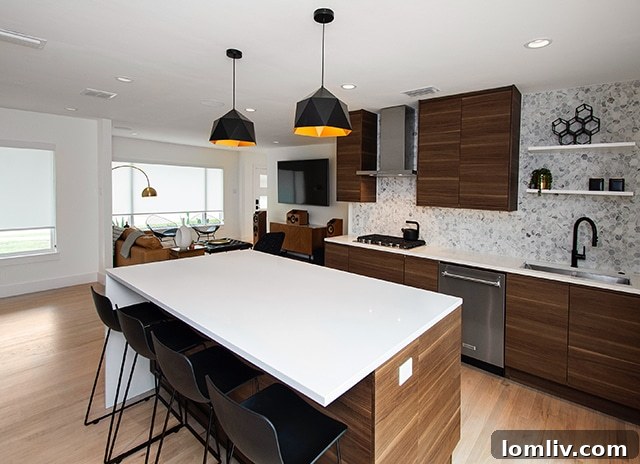
Embarking on a home remodeling journey can be one of the most exciting yet daunting endeavors for any homeowner. The dream of transforming a living space into something more functional, beautiful, and personalized is a powerful motivator. However, the path to realizing that dream is often fraught with complexities, from managing multiple contractors to navigating unexpected budget increases. This is where the expertise of seasoned professionals becomes invaluable.
When it comes to home remodeling, Sardone Construction founder Stephan Sardone stands out as a bona fide expert. With years of experience, Stephan has perfected a streamlined approach that promises efficiency, transparency, and a superior outcome. He understands precisely what it takes to manage a project comprehensively, from the initial conceptual plans through to the final production and handover. This highly effective process can be distilled into three fundamental words: Design-Build-Remodel.
For those unfamiliar with the terminology, the Design-Build-Remodel (DBR) model represents a holistic and integrated way of undertaking renovation projects. It offers significant advantages from every critical perspective: ensuring exceptional quality, optimizing costs, and significantly reducing project timelines. What truly sets this approach apart is its fundamentally collaborative nature, placing the homeowner at the heart of the journey.
“Your remodeler should not just be a contractor; they should be your trusted consultant and advocate throughout the entire process,” emphasizes Stephan Sardone. “It’s absolutely essential for everyone involved – the homeowner, the designer, and the construction team – to be on the same page, working as one cohesive unit towards a shared vision of success.” This unified team approach fosters a sense of trust and ensures that your remodeling project unfolds as smoothly as possible.
Understanding the Remodeling Landscape: Design-Build-Remodel (DBR) versus Design-Bid-Build-Remodel (DBBR)
To truly appreciate the distinct advantages of the Design-Build-Remodel (DBR) model, it’s helpful to compare it with the more traditional, and often fragmented, Design-Bid-Build-Remodel (DBBR) approach. A clear understanding of these two methodologies will empower homeowners to make an informed decision that best suits their project goals, budget, and desired level of involvement.
In the DBR model, both the crucial design phase and the subsequent construction (build) services are delivered seamlessly by a single, integrated company. This unified entity assumes sole responsibility for the entire project lifecycle, acting as the homeowner’s singular point of contact. This comprehensive service typically encompasses not only the development of detailed architectural and interior design plans but also assigns a dedicated estimator to manage costs, a project manager to oversee execution, and an experienced field crew to carry out the work. In essence, the DBR firm provides every necessary component to bring a project from its nascent idea to a spectacular completion.
While most Design-Build-Remodel firms may not have highly specialized consultants like energy experts or structural engineers directly on staff, they cultivate strong, long-standing relationships and alliances with trusted external partners. These specialized professionals can be seamlessly integrated into the project on an as-needed basis, ensuring that all technical requirements are met without disrupting the cohesive team structure. This integrated approach ensures that complex aspects of the project are handled by the best in the field, all coordinated through your primary DBR contact.
“The Design-Build-Remodel system is inherently more efficient,” Stephan explains. “It’s designed to save homeowners valuable time, significant money, and considerable stress because the DBR company serves as the sole point of contact for every aspect of the project. This eliminates the confusion and communication breakdowns that can plague traditional remodeling approaches, leading to a much smoother and more enjoyable experience for the client.”
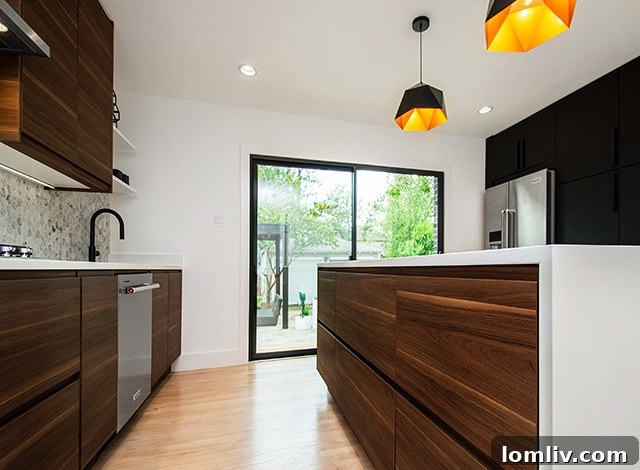
In stark contrast, the traditional Design-Bid-Build-Remodel (DBBR) scenario places the entire burden of assembling a project team squarely on the homeowner’s shoulders. This means separately hiring an architect for design, an interior designer for aesthetics, and then multiple contractors to bid on the construction phase. The homeowner is then tasked with managing these disparate entities independently.
Any guidance provided in a DBBR model is often limited to mere referrals for interviews, leaving the homeowner to vet and select each professional individually. Even more challenging, clients bear the full responsibility of navigating the intricate lines of communication and accountability between these separate entities. This becomes an even more formidable task when these parties are not connected or communicating until after initial designs are complete and bids are already underway, often leading to disjointed efforts, conflicting advice, and significant project delays.
Navigating the Pitfalls: What Could Go Wrong with the DBBR Model?
The DBBR model, while seemingly offering more control to the homeowner by allowing them to choose individual professionals, often introduces a multitude of potential problems. These issues can quickly escalate, transforming a dream renovation into a stressful and expensive nightmare.
“So many things can go awry with the traditional approach,” Stephan warns. “The most common and devastating outcome is often the profound disappointment homeowners experience when they discover that the actual cost to build their ‘dream project’ is double, or even triple, their original budget. This disconnect primarily arises because the design is often finalized without real-time input on constructibility or current material and labor costs, leading to designs that are beautiful but simply unaffordable to build.”
In the DBR method, this critical flaw is expertly avoided. “With the DBR method, trust is allowed to build and gather speed because we’re with you from the very beginning,” Stephan explains. “The design and construction teams are constantly communicating, ensuring that the design remains feasible and financially viable at every stage. This early and continuous collaboration means that cost estimates are realistic, and potential issues are identified and resolved before they become costly problems during construction.” This proactive approach fosters a strong sense of trust and partnership, which is invaluable in a project as personal as a home remodel.
The bottom line for any successful remodeling project is clear: you simply cannot make a good decision based on price alone. Relying solely on the lowest bid rarely, if ever, turns out well in the long run. Cheap bids often hide hidden costs, lower quality materials, or inexperienced labor, leading to significant rework and disappointment down the line. Instead, the focus for homeowners should emphatically be on more fundamental questions that speak to the core competence and trustworthiness of their potential remodeler:
- Does a remodeler truly understand the specific intricacies and vision of your unique project?
- Are they experts in the particular type of project you have in mind, whether it’s a kitchen overhaul, a bathroom renovation, or a full home addition?
- Do you genuinely feel you can trust them with your significant investment and your home?
“Multiple bids don’t inherently bring you closer to a confident decision; usually, just the opposite happens,” Stephan cautions. “Homeowners often find themselves overwhelmed and confused because they’re dealing with different bid formats, varying scopes of work, and different assumptions made by each contractor. A quick 30-minute walkthrough simply isn’t the same as thoroughly understanding the architectural style, detailed plans, and existing structural and mechanical condition of your home. A truly reliable bid comes from a deep understanding, not a superficial glance.” This thorough understanding is a hallmark of the Design-Build-Remodel process, where the team invests significant time upfront to truly grasp the project’s scope.

Counter-intuitive as it may seem, in almost every remodeling case, it actually saves homeowners considerable costs when they hire—and are willing to pay—one reputable contractor to consult and manage throughout the entire job. This single point of accountability fosters efficiency and prevents costly errors. Rather than paying multiple entities for fragmented services, a DBR firm provides comprehensive expertise from start to finish, ensuring alignment and cost control.
“With the right planning, facilitated by an integrated Design-Build-Remodel process, it’s entirely possible to keep change orders and unforeseen surprises to an absolute minimum,” Stephan asserts. “Our goal is to keep them under 5 percent of the total project cost. This stands in stark contrast to the 10 to 20 percent industry standard for change orders seen in projects where not enough dedicated time is devoted to meticulous planning, thorough research, and integrated design at the project’s onset. Investing in careful, collaborative planning upfront is the single most effective way to protect your budget and timeline.”

Stephan Sardone Shares the Transformative Benefits of the DBR Approach
The Design-Build-Remodel (DBR) model offers a multitude of compelling benefits that extend far beyond simple cost savings and efficiency. Stephan Sardone consistently highlights these advantages to homeowners seeking a truly superior renovation experience:
We’re able to provide a seamless project without a lot of stops and starts.“One of the most significant advantages of DBR is the uninterrupted flow of the project,” Stephan explains. “Because the design and construction teams are one, there’s no downtime waiting for information to be passed between separate entities, no confusion about design intent, and no delays caused by conflicting instructions. The entire team is more focused on delivering an exceptional experience and a smooth process—not hoping they’re going to get the house remodeled close to budget amidst constant challenges. This continuity means your project progresses steadily from concept to completion, minimizing disruption to your life.”
Everyone has the same version of success. “In a traditional Design-Bid-Build scenario, the architect, designer, and contractor might each define ‘success’ differently, leading to potential conflicts and compromises,” says Stephan. “With a DBR firm, success is a shared, singular vision. It’s not possible for just one person to succeed while others fall short—it’s an ‘all or nothing’ proposition. This means every team member, from the initial designer to the final finishing carpenter, is deeply invested in achieving the homeowner’s ultimate satisfaction and seeing the complete project thrive.”
It provides the optimal opportunity for collaboration. The DBR process is inherently ideal for the client who desires to have more meaningful input and active participation throughout their project. “We encourage collaboration at every stage,” Stephan notes. “Homeowners aren’t just passive observers; they are active participants in the design decisions, material selections, and problem-solving process. This close interaction ensures that the final outcome truly reflects their personality, lifestyle, and preferences, resulting in a home that feels uniquely theirs.”
Communication is proactive and transparent. “Effective communication is the cornerstone of any successful project, and in DBR, it’s not just reactive, it’s proactive,” Stephan emphasizes. “Expectations are set clearly and accordingly from day one, and clients receive regular, timely updates on progress, potential challenges, and upcoming decisions. This consistent and transparent flow of information allows clients to relax, enjoy the transformation, and implicitly trust the process. It might not sound like a big deal on the surface, but the peace of mind that comes from knowing you’re always informed and heard is absolutely huge.”
DBR companies have the best pulse on the industry. “Because design and construction are fully integrated within a single entity, DBR firms are uniquely positioned to stay ahead of industry trends and innovations,” Stephan points out. “They are more likely to understand and seamlessly incorporate the latest technologies, sustainable building practices, and cutting-edge techniques into their projects. This means homeowners benefit from the most current and efficient solutions available, ensuring their remodel is not only beautiful but also smart, durable, and future-proof.” This integrated knowledge leads to superior craftsmanship and long-term value.
A final important note on DBR vs. DBBR: There are indeed some specific cases when it can be beneficial to strategically bring in highly specialized outside consultants—especially on exceptionally large or ultra-high-end projects that require niche expertise. Stephan will delve into these particular instances and provide valuable insights into navigating such scenarios in next month’s in-depth article, offering a balanced perspective on when and how to best utilize external specialists within a broader remodeling framework.
Contact Stephan and the expert team at Sardone Construction today to discuss your upcoming remodel project and discover how the Design-Build-Remodel approach can transform your vision into a reality with unparalleled ease and excellence.