Dallas Embraces a New Vision for Historic Preservation and Urban Revitalization
A transformative era is dawning for Dallas as the city proudly announces the establishment of its dedicated Office of Historic Preservation. This pivotal development signals a profound commitment to safeguarding the rich architectural heritage that defines Dallas, paving the way for sustainable urban development and a renewed sense of community identity. The creation of this office is not merely an administrative change; it represents a comprehensive “Vision” for how historic preservation will be integrated into the city’s broader economic and social fabric, promising exciting times ahead for residents and stakeholders alike.
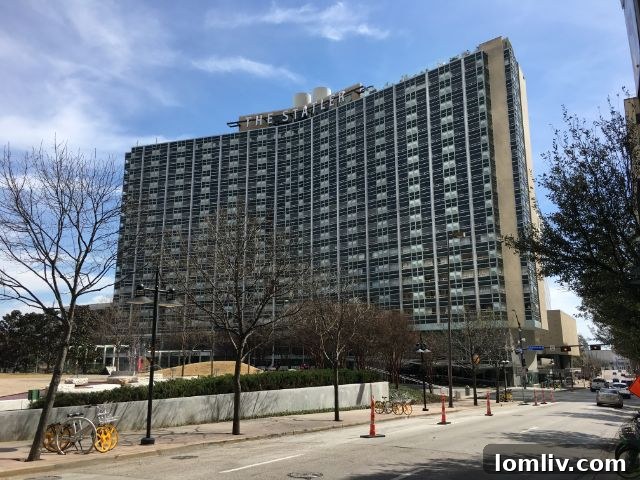
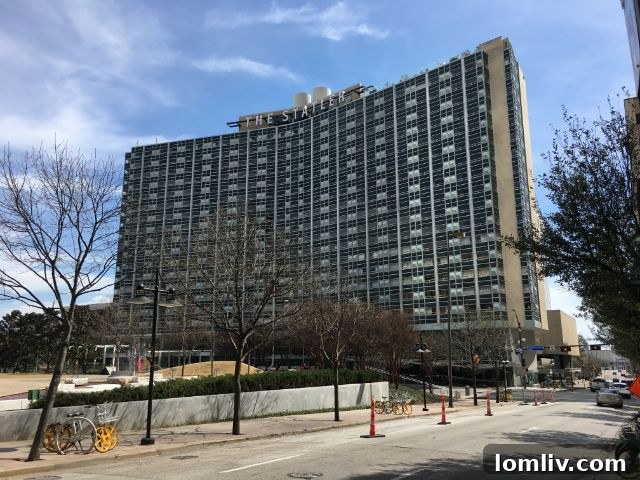
This initiative is particularly thrilling for advocates of adaptive reuse – a practice that transforms old, often underutilized, buildings into vibrant new spaces while retaining their historical character. With a dedicated office and a clear vision, adaptive reuse is set to become an even more prominent and valued strategy for urban renewal in Dallas. The journey to preserve iconic structures such as The Statler Hotel, the historic Old Dallas High School, and the venerable Knight’s of Pythias Temple has historically been a challenging uphill battle. Yet, these buildings are more than just old bricks and mortar; they are critical touchstones that narrate Dallas’s past, contribute to its unique aesthetic, and are now recognized as vital assets for its future.
In an age where rapid urban expansion often overshadows the value of legacy, the importance of historic preservation has never been more evident. The city’s official embrace of this ethos, through the formation of the Office of Historic Preservation and the unveiling of its strategic “Vision,” is nothing short of thrilling. It signifies a profound shift in municipal thinking, recognizing that preserving the past is key to building a resilient, prosperous, and culturally rich future for Dallas.
A New Chapter for Historic Preservation in Dallas
The journey towards a more robust historic preservation program in Dallas has been nearly 50 years in the making. According to Preservation Dallas Executive Director David Prezozi, the new “Vision” aims to elevate these long-standing efforts to unprecedented levels. Prezozi states, “The historic preservation program in Dallas has been around for nearly 50 years, and this new Vision will look at historic preservation within the City of Dallas framework and how it can be taken to the next level.”
The recent evolution of the program into its own distinct entity, the Office of Historic Preservation, marks a significant milestone. This structural change empowers the program with a greater capacity to influence policy and enact meaningful change within the City of Dallas concerning historic preservation matters. Prezozi further elaborates, “Recently, the historic preservation program has evolved into its own entity as the Office of Historic Preservation, giving the program a larger role in affecting change within the City of Dallas when it comes to historic preservation. The upcoming public meetings will present the newly created Vision and how the Office of Historic Preservation is planning to expand historic preservation’s role within Dallas and develop strategic responses to the current challenges we are facing as a city.” This re-organization underscores a proactive approach, positioning the city to better address contemporary urban challenges while honoring its historical assets.
The Strategic Mandate of the Office of Historic Preservation
Established in 2019 under the broader umbrella of Economic Development & Neighborhood Services, the Office of Historic Preservation is strategically positioned to expand the traditional boundaries of historic preservation in Dallas. Its core mission is to transcend the conventional focus on merely designating and protecting individual structures, aiming instead to integrate preservation efforts into a holistic framework that supports economic growth, community development, and environmental sustainability. This integrated approach is encapsulated in “The Vision: Keeping an Eye on Historic Preservation in Dallas,” a comprehensive blueprint designed to guide the city’s actions in the coming years.
Unpacking “The Vision”: A Blueprint for Dallas’s Future
The “Vision” document represents a forward-thinking response to the myriad challenges and opportunities facing Dallas today, particularly in the wake of the economic disruptions caused by COVID-19. It articulates a strategic framework built on collaboration, community engagement, and innovative problem-solving. By actively reaching out to partners, stakeholders, decision-makers, and the wider community, the Office of Historic Preservation seeks to identify and champion activities that not only showcase the fundamental purpose of historic preservation but also contribute to other crucial city objectives, such as economic recovery, job creation, and fostering neighborhood vitality.
Key Drivers of “The Vision”: Efficiency, Relevancy, and Balance
At the heart of “The Vision” are three fundamental drivers: efficiency, relevancy, and balance. These principles are designed to facilitate a significant “shift in thinking” towards establishing a robust, dynamic, and effective historic preservation program for Dallas. Efficiency means streamlining processes and maximizing impact with available resources. Relevancy emphasizes connecting preservation efforts to contemporary urban needs and community aspirations, ensuring that historic buildings continue to serve a meaningful purpose in modern Dallas. Balance calls for an approach that respects historical integrity while accommodating the demands of modern development and economic viability, finding harmonious solutions that benefit all facets of the city.
This forward-looking “Vision” has been a long time in the making, born from years of dedicated advocacy and a growing recognition of the profound value of Dallas’s heritage. Its official launch and public presentation mark a pivotal moment for the city. The Office of Historic Preservation is committed to engaging the community in this crucial conversation, presenting “The Vision” to the public during virtual meetings. These meetings offer a vital opportunity for residents to understand the strategic direction, ask questions, and contribute to shaping the future of historic preservation in Dallas.
The Transformative Power of Adaptive Reuse in Dallas
Adaptive reuse is a cornerstone of “The Vision” and a driving force behind successful historic preservation projects in Dallas. This sustainable development approach involves repurposing existing buildings for new functions, rather than demolishing them and building anew. Its benefits are multi-faceted, extending across economic, cultural, and environmental dimensions, making it an ideal strategy for a growing city like Dallas.
Economic Benefits and Urban Revitalization
From an economic standpoint, adaptive reuse projects often inject significant capital into local economies. Renovation and restoration activities create jobs for skilled tradespeople, architects, engineers, and construction workers. Once revitalized, these buildings attract new businesses, residents, and tourists, leading to increased property values in surrounding areas and stimulating local commerce. Historic districts with preserved buildings frequently become vibrant hubs for unique shops, restaurants, and cultural attractions, boosting tourism and local spending. The success of The Statler Hotel, transformed from a mid-century modernist icon into a luxury hotel and residences, serves as a prime example of how adaptive reuse can anchor a neighborhood’s economic resurgence.
Cultural Preservation and Community Identity
Beyond economics, adaptive reuse plays a crucial role in preserving the unique cultural identity and heritage of Dallas. Historic buildings tell stories of the past, offering tangible connections to previous generations and significant events. By saving structures like the Old Dallas High School, the city maintains architectural diversity and a sense of place that new construction often cannot replicate. These landmarks contribute to the distinctive character of Dallas neighborhoods, fostering community pride and a strong sense of belonging among residents. They become places where collective memory resides, enriching the urban experience for everyone.
Environmental Sustainability and Green Development
Environmentally, adaptive reuse is inherently sustainable. It reduces the demand for new construction materials, thereby conserving natural resources and minimizing the energy expenditure associated with manufacturing, transporting, and installing new components. Furthermore, it significantly reduces construction waste sent to landfills. The “embodied energy” – the total energy consumed for raw material extraction, manufacturing, transportation, and construction of a building – is retained when an existing structure is reused. This makes adaptive reuse a powerful tool in Dallas’s efforts to promote green development and achieve its sustainability goals, contributing positively to the city’s carbon footprint reduction efforts.
Dallas’s Historic Gems: Lessons from Iconic Landmarks
The success stories of landmarks like The Statler Hotel, Old Dallas High School, and The Knights of Pythias Temple offer compelling evidence of the power and potential of historic preservation in Dallas. These buildings faced uncertain futures but have since been transformed into vibrant, productive assets for the community, showcasing the very essence of adaptive reuse and the value of perseverance in preservation efforts.
The Statler Hotel: A Resurgent Icon
Originally opened in 1956, The Statler Hotel was a beacon of mid-century modern design and innovation, hosting luminaries and events that shaped Dallas’s social scene for decades. After falling into disrepair and sitting vacant for years, its fate seemed sealed. However, a monumental adaptive reuse project breathed new life into the structure, meticulously restoring its iconic features while converting it into a mixed-use complex with a luxury hotel, residences, restaurants, and retail spaces. Its revival has not only preserved a significant architectural masterpiece but also catalyzed the revitalization of downtown Dallas, demonstrating the profound economic and cultural impact of thoughtful preservation.
Old Dallas High School: From Education to Elegant Living
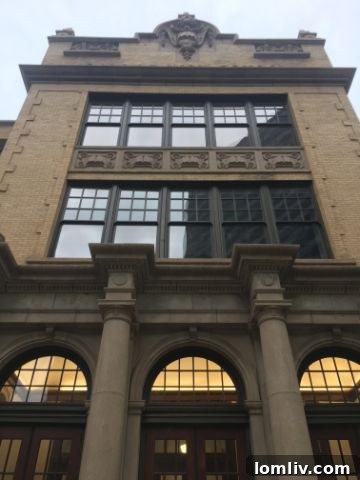
The Old Dallas High School, a majestic example of Gothic Revival architecture, served generations of students before closing its doors. Rather than succumbing to demolition, this grand institution was painstakingly transformed into luxury apartments, breathing new life into a historic educational space. This project not only saved a historically significant building but also created much-needed housing in a prime urban location, seamlessly blending the past with modern living. Its successful conversion stands as a testament to how historic structures can be re-imagined to meet contemporary needs while retaining their original grandeur and historical significance.
The Knights of Pythias Temple: A Testament to Heritage
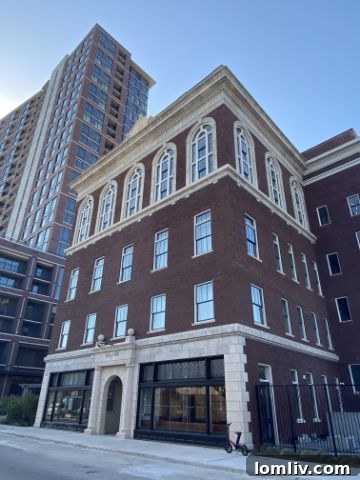
The Knights of Pythias Temple, a significant landmark in Dallas’s African American history, played a crucial role as a social and economic hub during an era of segregation. Its preservation is not just about saving a building; it’s about honoring a vital piece of the city’s cultural and social heritage. Though its journey has been complex, the efforts to restore and repurpose this building underscore the importance of preserving sites that narrate the diverse stories of Dallas’s past. Such projects are essential for ensuring that all facets of the city’s history are recognized, celebrated, and integrated into its ongoing narrative.
Join the Conversation: Shape Dallas’s Future
The “Vision” has been a long-awaited initiative, and its realization marks a momentous occasion for Dallas. As the city embarks on this exciting new chapter of historic preservation, public participation is absolutely crucial. These virtual meetings offer a unique opportunity for every resident to learn more about the strategic plan, understand its implications, and voice their perspectives on how Dallas can best preserve its heritage for future generations.
I strongly encourage all community members, stakeholders, and anyone with a passion for Dallas’s past and future to participate in one of these important public discussions. Your engagement is vital to shaping a future where Dallas’s rich history and vibrant urban development coexist harmoniously.
HOW TO PARTICIPATE:
Find out more about how to attend the virtual meetings and access detailed information about “The Vision” here. Alternatively, for direct inquiries or further assistance, you can contact Dallas City Hall by reaching out to the relevant department via email here.