

In the vibrant tapestry of Dallas history, certain names stand out as instrumental in shaping the city’s unique character and preserving its invaluable heritage. Among these luminaries, Willis Winters shines brightly as a towering figure whose influence on Dallas preservation is unparalleled. His remarkable career, spanning nearly three decades at the Dallas Parks and Recreation Department, is a testament to unwavering dedication, innovative leadership, and a profound commitment to architectural and natural legacy. This article delves into the journey of Willis Winters, exploring his background, his transformative work, and the enduring impact he has left on the urban landscape of Dallas.
I recently had the privilege of speaking with Willis Winters, gaining insightful perspectives into his illustrious career. Having retired in 2019, he concluded his 27.5-year tenure having accumulated an astounding record of over 50 preservation awards. These accolades underscore the magnitude of his contributions, which range from safeguarding historic landmarks to pioneering new approaches in park design and development. His visionary leadership not only revitalized existing urban parks but also laid the groundwork for future generations to enjoy Dallas’s rich cultural and natural assets.

Early Inspirations and Architectural Foundations
Willis Winters’ affinity for design and public spaces began early in his life. A true Texas native, he was born and raised in Garland, where the seeds of his future career were sown. “I was building baseball stadiums with Lego blocks in first grade,” he recalls, illustrating a childhood fascination that presaged his professional calling. It was during these formative years that he first discovered the profession of an architect, instantly recognizing it as his destined path.
His father’s role as the first park director for Garland played a pivotal part in nurturing this passion. Young Willis would often accompany his father, observing architects at work, overseeing the construction of swimming pools, and developing new recreation centers. This unique exposure to the practicalities of urban planning and public space design instilled in him a deep understanding of community needs and the power of well-designed environments.
Winters pursued his architectural dreams at The University of Texas at Austin, where he distinguished himself by ranking No. 1 in his class at The School of Architecture. His academic excellence set the stage for a promising career. He began his professional journey with a residency program at Fisher and Spillman (now F&S Partners) in Dallas, where he honed his skills for over 11 years. It was there, alongside his friend Craig Blackmon, that he ventured into architectural photography. In 1991, they transitioned this shared interest into a full-time business, further deepening his appreciation for architectural aesthetics and documentation.
The Unexpected Pivot to Public Service
The transition from private practice to public service was an unexpected, yet ultimately transformative, chapter in Winters’ career. “I was starting a family and wanted more financial stability,” he explains, outlining the practical considerations that led him to seek new opportunities. The universe, it seems, had other plans. One day, while dining at La Madeleine, he noticed a newspaper advertisement for the Superintendent of Design and Construction position within the Dallas Parks and Recreation Department. “That park blood from my youth kicked in,” he reflects, describing an intuitive pull towards a role that resonated deeply with his earliest inspirations. He applied on a whim, a “lark,” and to his surprise, he secured the position.

Navigating Early Challenges and the World Cup Catalyst
His initial years at the Dallas Parks and Recreation Department were anything but easy. Charged with overseeing design and construction, Winters was immediately thrust into a demanding role with significant responsibilities. A particular challenge that highlighted his ingenuity and leadership emerged in 1993: “Getting Fair Park ready for World Cup Soccer was put in my lap with no budget,” he recalls, emphasizing the monumental task. This unforeseen hurdle, involving the preparation of a historic site for an international event under severe financial constraints, truly tested his mettle and showcased his ability to innovate under pressure. It was a crucible moment that not only pushed the department to its limits but also catalyzed a new era of focus on Fair Park’s revitalization.
Redefining Park Design: The Power of Architectural Vision
Winters’ architectural background proved to be an invaluable asset in his new role, fundamentally transforming how the Dallas Parks and Recreation Department approached its projects. “I became profoundly interested in protecting the architectural legacy for Dallas and introducing architectural design into new construction,” he states, articulating a dual mission that would define his tenure. He understood that preserving the past didn’t preclude innovating for the future.
One of his most significant innovations was to leverage in-house talent. By cultivating a team of highly skilled architects within the department who were deeply invested in preservation, they could undertake complex restoration projects at a fraction of the cost typically associated with external contractors and standard bid processes. This strategic approach not only saved taxpayer money but also ensured a level of care and expertise that was often unmatched.
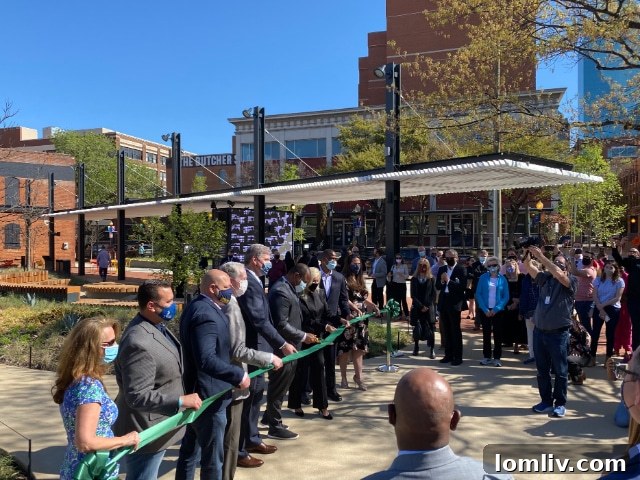
Beyond preservation, Winters also championed forward-thinking design for new amenities. He began hiring leading architects to design even the most utilitarian structures, such as picnic shelters. This bold move quickly garnered attention. “It was not long before the best architects in Texas wanted to work with us,” he proudly shares. The word spread rapidly about these architect-designed park pavilions, transforming them from simple shelters into celebrated architectural statements. This reputation eventually attracted national and even international acclaim. A groundbreaking example came when Snøhetta, the internationally renowned firm responsible for the award-winning Norwegian Opera and Ballet and the Bibliotheca Alexandrina in Egypt, opened an office in New York. Winters wasted no time reaching out. The result? Dallas now boasts some of America’s most exceptionally designed picnic pavilions, with one of these structures marking Snøhetta’s very first built work in the United States. This initiative not only elevated the aesthetic quality of Dallas parks but also positioned the city as a hub for cutting-edge public space design.
The Twofold Legacy of the Dallas Parks System
Willis Winters identifies a twofold legacy that characterizes the Dallas Parks system, each representing a distinct era of significant public investment and enduring design. This legacy speaks volumes about the city’s commitment to both natural beauty and architectural heritage.
The WPA and CCC Era: A Natural Architectural Masterpiece
The first facet of this legacy dates back to the 1930s, a period marked by the Works Project Administration (WPA) and the Civilian Conservation Corps (CCC). These federal programs, designed to provide employment during the Great Depression, left an indelible mark on Dallas’s park infrastructure through the construction of remarkable rock pavilions and landscape features. These structures, often crafted from locally sourced stone, exemplify a rustic yet sophisticated architectural style that blends seamlessly with the natural environment.
Reverchon Park stands as a prime example of these WPA-constructed landscape projects in Texas. Winters eloquently describes its features: “The stone tables, the cliff, the trails. There are rock and stone benches that look like residential furnishings.” This description highlights the meticulous craftsmanship and thoughtful design that went into creating these timeless spaces, making them not just functional but also aesthetically pleasing and deeply integrated into the landscape. These parks embody a unique period in American history, representing government investment in public spaces that continue to serve communities decades later, offering a tangible connection to the past through their enduring beauty.
Fair Park: A World Heritage Contender
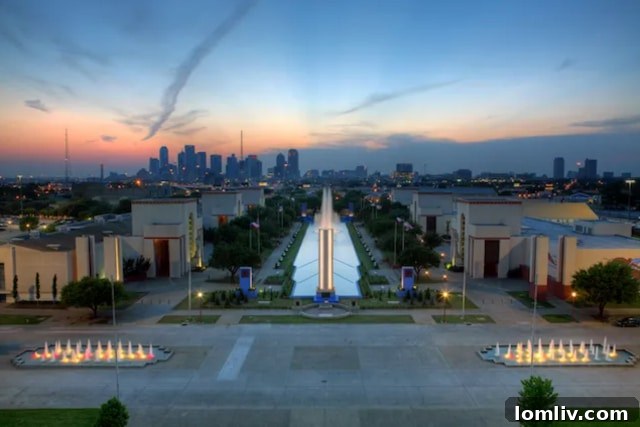
The second, equally significant, legacy is Fair Park itself. Built for the 1936 Centennial Exposition, Fair Park is a sprawling complex renowned for its unparalleled collection of Art Deco architecture and public art. Winters passionately asserts its global importance: “It could easily be a world heritage site.” This claim is not without merit; out of the six world fairs held in the United States during the 1930s, only Fair Park remains fully intact, a remarkable feat of preservation and planning.
The urgency for Fair Park’s revitalization gained significant momentum when the World Cup brought international attention to the site in 1993. This global spotlight underscored the need to preserve and restore its majestic buildings and artwork. Under Winters’ guidance, the department meticulously developed a series of bond packages over the years, systematically tackling the complex challenges of restoration. The initial phase involved critical infrastructure work: “We had to stabilize, replace electrical, and waterproof the roofs,” he explains. Once these fundamental issues were addressed, subsequent bond programs secured funding for the exterior preservation of the magnificent structures. This was an undertaking of immense scale, requiring careful planning and execution.
Today, while ongoing budgets are naturally required for maintenance, Winters expresses strong optimism about the future of Fair Park. “It’s an amazing asset for the city,” he emphasizes, recognizing its profound cultural and historical value. The partnership with Spectra, an excellent operating partner, further ensures the park’s long-term sustainability and continued vibrancy as a key destination for entertainment, education, and community events.

Privatization and the Future of Historic Preservation
Winters offers a pragmatic perspective on funding historic preservation and urban park development, advocating for a model that combines public and private efforts. “The city is not a fundraising organization,” he states, acknowledging the limitations of municipal budgets for extensive capital projects. Instead, he posits that “private fundraising, along with bond programs, make the most significant impact.” This blended approach allows for greater financial flexibility and innovation, tapping into the philanthropic spirit of the community.
The success of privatized entities within Dallas serves as compelling evidence. “Privatizing the Dallas Zoo, for instance, has been very successful,” he notes, highlighting how private management can inject new life and resources into public assets. To further quantify the value of these investments, Winters commissioned a financial analyst firm to conduct an economic impact study of Dallas parks. The findings were striking:
- Neighborhood parks demonstrated an impressive Return on Investment (ROI) of approximately 10 to 1, meaning for every dollar invested, ten dollars of economic value were generated.
- Trails showed an even more remarkable ROI of 70 to 1, underscoring their immense value in terms of health, recreation, and property appreciation.
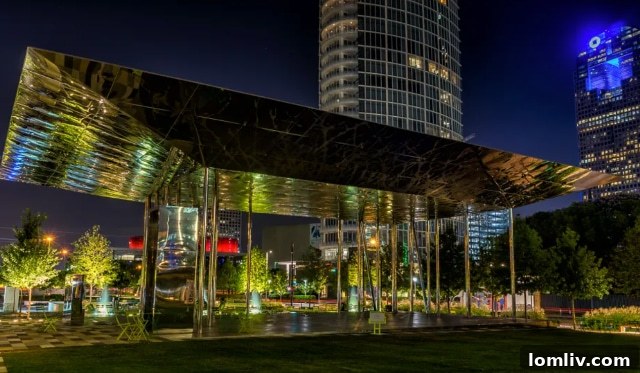
- Klyde Warren Park, the iconic deck park over Woodall Rodgers Freeway, was “off the charts” in terms of its economic and social impact. This innovative public-private partnership has transformed downtown Dallas, becoming a vibrant urban oasis and a model that “every major city in America is trying to figure out how to replicate.”
These figures provide a compelling economic argument for continued investment in parks and preservation, demonstrating that such initiatives are not just public amenities but powerful engines of economic growth and community well-being.
The Secret to Dallas Parks and Recreation’s Success
When asked why the Dallas Parks and Recreation Department stands out as one of the most successful in the country, Winters points to a unique confluence of factors, foremost among them the strength of its private partnerships. “Our private partners are instrumental in our success,” he emphasizes. This robust collaborative model sets Dallas apart.
Beyond the structural partnerships, Winters identifies a distinct cultural characteristic of the city: “We have a philanthropic spirit here that I don’t see in many other cities for parks and the arts.” Dallas, he explains, possesses an inherent understanding of the value of investing in these public goods and the transformative impact they have on the community. This deep-seated commitment translates into tangible support from individuals, foundations, and corporations, enabling projects that would otherwise be impossible.
Furthermore, Dallas excels at fostering relationships. Winters recounts a conversation with the park director in Denver, who once confessed, “they are in awe of what we accomplish in Dallas.” This admiration from peers across the nation underscores the exceptional results achieved through Dallas’s unique approach—a blend of visionary public leadership, proactive private engagement, and a community-wide dedication to enhancing its public realm. This synergy has created a blueprint for sustainable park development and historic preservation that serves as an inspiration far beyond the city limits.
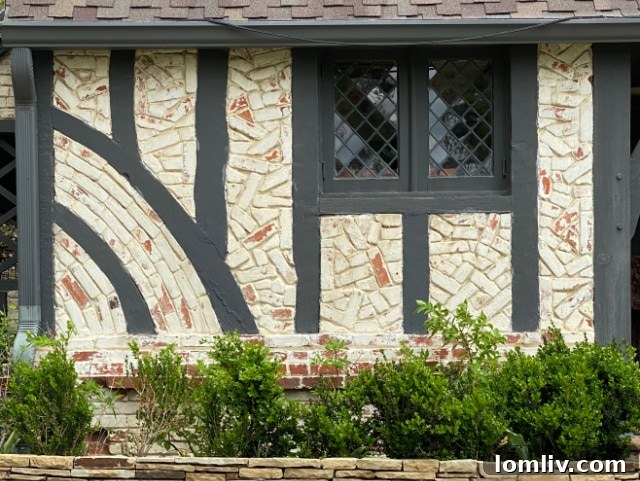
Far from embracing a leisurely retirement, Willis Winters remains as active and dedicated as ever. He is currently immersed in extensive research for his eagerly anticipated book on the acclaimed Dallas residential architect, Charles Stevens Dilbeck, whose unique blend of regional and European architectural styles left an indelible mark on the city’s housing landscape. Additionally, he looks forward to the historic re-opening of the Baker Hotel in his new hometown of Mineral Wells, a project that embodies the very spirit of adaptive reuse and heritage revitalization that he championed throughout his career.
Through the unwavering hard work, determination, and visionary leadership of Willis Winters, Dallas has ascended to national recognition for its exemplary historic park preservation efforts. His transformative legacy continues to inspire parks departments and urban planners across the country, providing a powerful blueprint for how cities can not only safeguard their past but also build vibrant, sustainable, and beautifully designed public spaces for the future. Willis Winters’ contributions serve as a powerful reminder that true civic leadership can leave a lasting, positive imprint for generations to come.