Embrace the Future: Transform Your Home for Aging-in-Place with Expert Remodeling
Your home is more than just a place to live; it’s often your largest and most cherished investment, a repository of memories, and the central hub of your life. As seasons change and families evolve, so too should our living spaces. For most individuals, the aspiration is to continue aging-in-place, maintaining independence and comfort within the familiar walls of their home. This vision requires thoughtful planning and, often, strategic home remodeling.
With over three decades of experience, renowned home remodeler Bruce Graf understands this journey intimately. He has dedicated his career to helping families adapt their homes to meet shifting needs, from accommodating growing children to making crucial modifications that enable comfortable, safe, and independent living for multiple generations. Graf’s expertise lies in transforming houses into lifelong homes that evolve with their occupants, blending functionality with modern aesthetics.
The Evolving Role of Your Home: A Lifelong Investment
From the moment you acquire your home, it begins a journey with you. It witnesses first steps, family gatherings, milestones, and quiet moments. Over the years, a home must adapt to various life stages: growing families, children moving out, and eventually, the desire to live independently as we age. This adaptability is key to maximizing your home’s long-term value, not just financially, but in terms of quality of life and personal well-being.
Aging-in-place remodeling isn’t just about preparing for old age; it’s about future-proofing your investment. It’s a proactive approach to ensure that your home remains a sanctuary of comfort and accessibility, regardless of what life brings. Bruce Graf emphasizes that these modifications are not merely utilitarian; they are integral upgrades that enhance the overall desirability and market value of your property, making it attractive to future buyers who also appreciate thoughtful design and long-term livability.
Understanding Aging-in-Place: Beyond Present Needs
The concept of aging-in-place goes beyond simple accessibility. It encompasses a holistic approach to home design that supports independence, comfort, and safety throughout all stages of life. It’s about empowering individuals to remain in their communities, close to friends and family, and surrounded by the memories built within their own homes.
For many, the alternative—moving to assisted living facilities—can be emotionally and financially daunting. By making strategic home modifications, you not only preserve your quality of life but also make a prudent financial decision, often saving significant long-term costs. Graf’s philosophy centers on creating environments that subtly integrate universal design principles, ensuring spaces are intuitive and usable by people of all ages and abilities without feeling overly specialized or clinical. This thoughtful integration means your home remains beautiful, functional, and welcoming for everyone.
Identifying “Non-Performing Assets” and Hidden Hazards in Your Home
As homes age, certain features can become “non-performing assets,” according to Bruce Graf. These are areas that are either underutilized or, more critically, pose potential safety risks. Common examples include:
- Unused Bathtubs: Many homes have large, cumbersome bathtubs that are rarely used, yet they present a significant fall hazard, especially for individuals with mobility challenges. These tubs occupy valuable space and restrict easy access.
- Sunken Living Rooms: While once a popular design trend, sunken living rooms introduce unnecessary level changes, creating trip hazards that can be particularly dangerous as mobility decreases.
- Narrow Hallways and Doorways: These can severely limit maneuverability, making it difficult for individuals using wheelchairs, walkers, or even just carrying items, to navigate comfortably and safely.
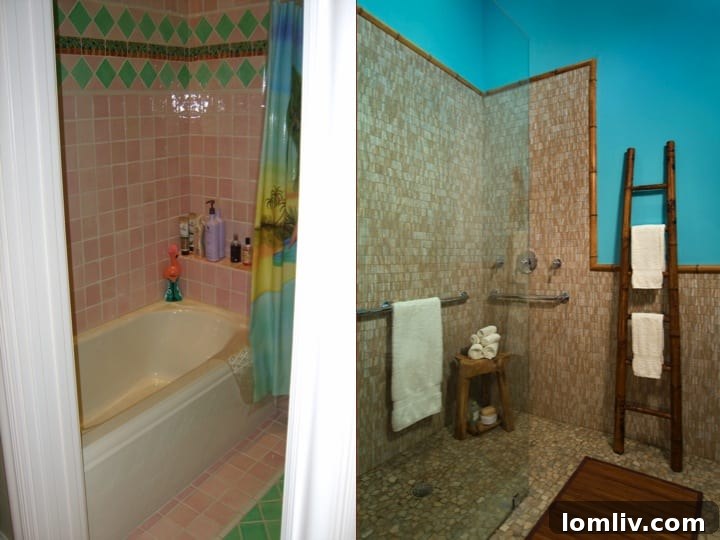
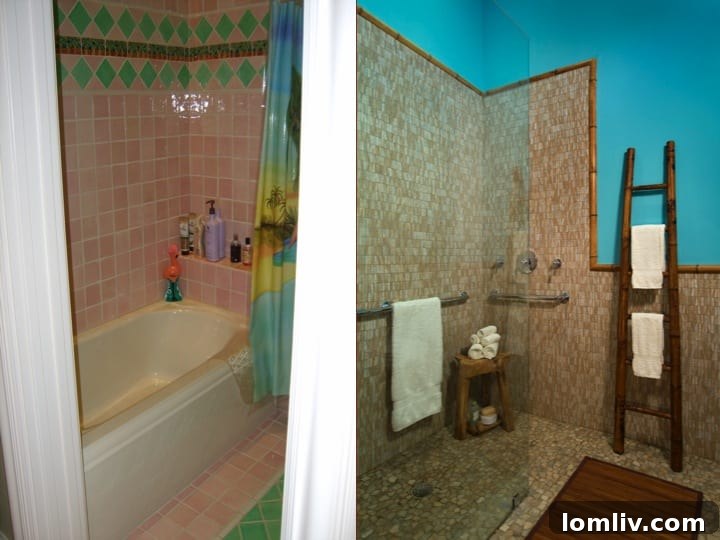
“These areas are often unused real estate, but more importantly, they can be a catalyst to slips and falls,” states Graf. His approach involves identifying these latent risks and transforming them into functional, safe, and aesthetically pleasing spaces. For instance, an unused bathtub can be reimagined as a spacious, zero-threshold walk-in shower, as perfectly illustrated in the accompanying before-and-after photograph. This not only enhances safety but also introduces a modern, spa-like feel to the bathroom.
Crafting a Safe and Accessible Home: Design without Compromise
The core of successful aging-in-place remodeling lies in creating a living environment that is both highly functional and visually appealing. Bruce Graf excels at designing spaces that are accessible and safe without sacrificing style or creating a institutional feel. “You may not need a wheelchair now, but by incorporating these changes, you are being proactive for the ‘what-ifs’ that life brings, and increasing your home value for the future buyer,” says Graf.
The Art of Subtle Accessibility
Graf’s distinctive approach ensures that accessibility features are seamlessly integrated into the home’s design. This means:
- Level Entries: Eliminating steps and thresholds between rooms and at exterior entrances creates smooth transitions, making it easier to move freely, whether on foot, with a walker, or in a wheelchair.
- Wider Doorways and Hallways: Expanding these critical pathways dramatically improves navigability throughout the home, enhancing independence.
- Open Floor Plans: Repurposing sunken living rooms or unused formal dining rooms into open-concept areas not only boosts accessibility but also promotes a sense of spaciousness and connectivity within the home.
- Stylish Grab Bars: Gone are the days of clinical-looking grab bars. Modern designs are sleek, elegant, and can double as towel racks or decorative elements, blending seamlessly with contemporary bathroom aesthetics.
- Comfort-Height Toilets and Vanities: These simple adjustments significantly reduce strain and improve comfort for individuals of all ages.
- Enhanced Lighting: Strategically placed, brighter lighting, especially in kitchens, bathrooms, and hallways, reduces shadows and improves visibility, crucial for preventing falls.
Key Areas for Accessible Remodeling
While an entire home can benefit from universal design principles, certain areas often require focused attention to maximize safety and functionality for aging-in-place:
Bathrooms: As seen in the striking transformation captured in the image, bathrooms are paramount. Removing a high-sided tub and replacing it with a zero-threshold, spacious walk-in shower, complete with a bench and elegant frameless glass, revolutionizes the space. Non-slip flooring, lever-style faucet handles, and strategically placed grab bars complete the transition, making the bathroom both luxurious and eminently safe.
Kitchens: The heart of the home, kitchens can be made more accessible with pull-out shelving, lower countertop sections for seated work, hands-free faucets, and improved task lighting. These modifications allow for continued enjoyment of cooking and entertaining, regardless of mobility.
Entrances and Exits: Smooth, level pathways to and from the home, potentially incorporating subtle ramps or zero-threshold doorways, ensure easy access for all. Well-lit entryways further enhance safety after dark.
Living Spaces: Eliminating level changes, creating clear pathways, and ensuring adequate turning radii for mobility devices can transform living and dining areas into versatile, welcoming spaces for family and guests.
Proactive Planning: Enhancing Home Value and Future Readiness
Investing in aging-in-place renovations is not just about meeting current needs; it’s a forward-thinking strategy that safeguards your future. Life is unpredictable; temporary injuries, unexpected health changes, or simply the natural progression of aging can suddenly alter mobility. By proactively integrating accessible design, you are prepared for these “what-ifs,” ensuring that your home can continue to support you through any phase.
Moreover, these strategic upgrades significantly increase your home’s market appeal. A home designed with universal principles in mind stands out to a broader range of buyers, including younger families looking for adaptable spaces and older individuals seeking a forever home. This makes your property a more valuable asset in the competitive real estate market, offering a superior return on investment by blending practicality with desirability.
Bruce Graf’s Expertise: A Legacy of Thoughtful Remodeling
Bruce Graf’s extensive experience, spanning more than 30 years, makes him a trusted authority in home remodeling, particularly in the realm of aging-in-place and universal design. He possesses a unique ability to envision a home’s full potential, transforming challenges into elegant, functional solutions. His commitment to working with multiple generations within families speaks volumes about his understanding of evolving needs and his dedication to creating lasting, livable spaces.
Graf doesn’t just remodel houses; he re-imagines lifestyles. His passion lies in creating homes that are not only beautiful but also empower occupants to live comfortably, independently, and safely for years to come. By collaborating with homeowners, he translates their desires and future needs into comprehensive remodeling plans that enhance both the functionality and the intrinsic value of their most important investment.
If you’re considering how to adapt your home to better suit your present and future needs, Bruce Graf offers invaluable insights and expert guidance. For personalized consultations or to explore a gallery of before-and-after transformations, you can reach Bruce Graf directly at [email protected] or by phone at 972-571-6076. Discover more about thoughtful home remodeling and accessible design solutions at grafdevelopments.com.