

Dallas’ Preston Center Turmoil: Gates and Miller Face Off in a High-Stakes Development Debate
The political arena rarely observes a day of rest, and this was emphatically proven when Dallas City Councilmember Jennifer Gates took to social media to confront an op-ed published in the Dallas Morning News. The article, penned by former Mayor and Preston Hollow resident Laura Miller, ignited a fiery public exchange regarding the persistent traffic issues and contentious development prospects within Dallas’ storied Preston Center, often affectionately referred to as “The Pink Wall.”
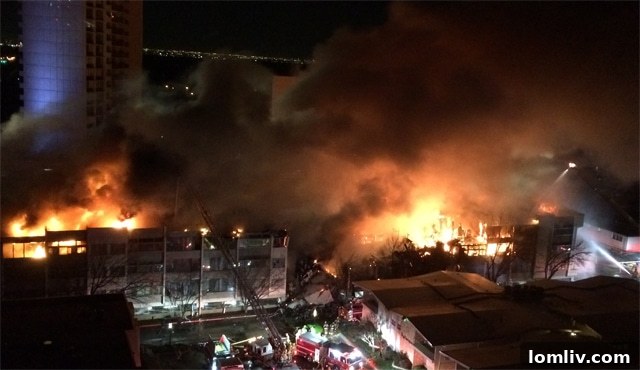
For those of us at Daltxrealestate.com, this simmering dispute is far from new. We have meticulously chronicled the intricate sagas surrounding Preston Center and the Pink Wall for years. Our dedicated correspondent, Jon Anderson, has provided in-depth coverage of the very issues Miller addressed, albeit often arriving at distinctly different conclusions, particularly concerning the complexities of PD-15. Before Jon picked up the torch, our own Candy also extensively reported on this crucial district, even transparently disclosing her property ownership within the area. Transparency, however, has not always been a consistent factor for all parties involved, as evidenced by Laura Miller’s less-than-forthcoming disclosure regarding her husband, Steve Wolens, inheriting an Athena unit. We were also the first media outlet to report on the devastating Preston Place condo fire, which tragically claimed a woman’s life, underscoring the deep personal connection and community investment in these properties.
The recent op-ed by Laura Miller, titled “Preston Center residents are losing the battle with traffic” and published in the Dallas Morning News, sharply criticized the future prospects for the Pink Wall and the Preston Center interchange. Miller’s commentary painted a picture of concern for the district’s character, stating:
“On the other side of Preston Center, council member Jennifer Gates and Plan Commissioner Margot Murphy have been pushing for 18 months to up-zone the 12 acres in and around the Athena and Preston Tower so developers can demolish four low-rise condo complexes and replace them with rental-apartment towers as high as 25 stories. Hal Anderson, who designed and developed the iconic Pink Wall community 60 years ago — one of the last fully owner-occupied, tree-lined, condo communities in Dallas — would be heartbroken.”
This assertion sent ripples through the community, catching many by surprise, including Jon Anderson, a resident of The Athena himself, who has faithfully attended and reported on every meeting related to the issue for years. Most notably, it drew a swift and vigorous response from Councilmember Gates, who publicly took to Twitter to refute Miller’s claims. Gates insisted she had not taken a definitive position on the zoning matters and, in fact, had been actively seeking comprehensive neighborhood input throughout the process. The image below captures a moment in this unfolding drama.
A Public Spat on Social Media: Decoding the Gates-Miller Twitter Exchange
The initial response from Councilmember Gates quickly escalated into a full-blown Twitter debate, offering a rare public glimpse into the tensions surrounding Dallas’ urban development policies. The exchange highlighted fundamental disagreements over facts, intentions, and the path forward for Preston Center. Gates kicked off the online discussion by directly addressing the Dallas Morning News opinion section:
“@DMNOpinion published a column by Laura Miller today that is filled with inaccuracies and misinformation regarding Preston Center. I have taken no position on either zoning case she mentions in the column but supporting a process with neighborhood input to take place.”
— Jennifer S. Gates (@cmjsgates) December 9, 2018
She then elaborated on her office’s proactive efforts:
“In addition my office along with @NCTCOGtrans have been working on the redevelopment of the Preston Center Garage over the last two years most recently a public meeting was held Sept 6 with a second scheduled for Jan 31. https://t.co/qe2faA2urk”
— Jennifer S. Gates (@cmjsgates) December 9, 2018
This statement directly challenged Miller’s narrative by showcasing active engagement and a commitment to public involvement. However, Miller was quick to counter, implying a deeper, unmentioned issue:
“You were well-aware of this generous gift and discussed it with our Taskforce members numerous times.”
— Laura Miller (@Laura_S_Miller) December 9, 2018
The “generous gift” reference remained somewhat vague but pointed to underlying grievances. Gates continued to outline ongoing city initiatives aimed at improving infrastructure and traffic flow in the area, stating:
“The @CityOfDallas & @NCTCOGtrans as well as @TollTagNews are studying adding ramps on the Tollway at Walnut Hill as well as a Texas u-turn at NWH. Funds and more public input are required before either would move forward.”
— Jennifer S. Gates (@cmjsgates) December 9, 2018
And further adding:
“@TxDOT has improved all intersections from Midway to Central and retimed all signals.”
— Jennifer S. Gates (@cmjsgates) December 9, 2018
Responding to specific traffic concerns, Gates clarified a common misunderstanding about the firehouse light:
“The firehouse light was not deactivated because it is necessary for @DallasFireRes_q Station 27 to safety & quickly exit the station on a call but @CityOfDallas reprogrammed the light to remain green at all times unless activated to RED as necessary for emergency calls.”
— Jennifer S. Gates (@cmjsgates) December 9, 2018
Miller, however, dismissed many of Gates’ points as either pre-existing initiatives or unrelated to the task force’s recommendations:
“TXDOT commissioned that work long ago; it was being done in 2015-2016 while we did our Area Plan work. It was therefore not one of our traffic recommendations and shouldn’t be touted as a promise fulfilled. None of our Taskforce traffic solutions have been pursued by the city.”
— Laura Miller (@Laura_S_Miller) December 9, 2018
She then directly challenged Gates’ stance on a specific infrastructure proposal:
“You firmly oppose our Taskforce recommendation to build the Tollway off-ramps at Walnut Hill Lane and Lovers Lane. You told Robert Wilonsky in a column of his on August 10, 2018 that “there are other things I would do with transportation dollars.”
— Laura Miller (@Laura_S_Miller) December 9, 2018
Gates readily acknowledged her position, grounding it in fiscal responsibility:
“Exactly at this time not a priority there are limited funds available. Would prefer to invest in deferred infrastructure of streets inherited from former leadership.”
— Jennifer S. Gates (@cmjsgates) December 9, 2018
She further explained the allocation of district funds and invited Miller to engage directly:
“All discretionary D13 funds are allocated to the garage and we are working with area stakeholders on the plan. Join us January 31 at the public meeting to learn more you must of missed the notice on the September 6 meeting. You were not in attendance. https://t.co/xqxK5jWcvJ”
— Jennifer S. Gates (@cmjsgates) December 9, 2018
And followed up with a link:
https://t.co/08DCdY9wm7
— Jennifer S. Gates (@cmjsgates) December 9, 2018
Gates also shared a link critical of Miller’s operational style:
“Some more insight to how Laura Miller operates https://t.co/XKTzZ2QycQ”
— Jennifer S. Gates (@cmjsgates) December 9, 2018
Reiterating her financial stance on the garage project:
“Again I will repeat all discrepancy D13 money in 2017 bond program is allocated to garage site and @NCTCOGtrans matching funds still available. Currently partnering with them to make project happen while navigating within perimeters of lawsuit results from past city leadership. https://t.co/edn9D8fLxt”
— Jennifer S. Gates (@cmjsgates) December 9, 2018
And finally, Gates questioned the journalistic integrity of the DMN:
“Agreed and bewildering why @DMNOpinion did not fact check Laura Miller’s assertions. https://t.co/4rvoaTXrcJ”
— Jennifer S. Gates (@cmjsgates) December 10, 2018
An editor from the Dallas Morning News, esouder, then entered the fray, inviting Gates to elaborate:
“Hi Council Member Gates, I’d like to understand more about your concerns. Email: [email protected]”
— esouder (@esouder) December 9, 2018
To which Gates responded affirmatively:
“Happy to email you tomorrow all the facts related to Preston Center in addition I am willing to meet with you and walk you through the complex history.”
— Jennifer S. Gates (@cmjsgates) December 9, 2018
The exchange concluded with a direct challenge from Miller, escalating the dispute beyond social media:
“Let’s hold a public debate and invite all the people affected by your decision to shelve the Northwest Highway and Preston Road Area Plan that you commissioned, our Taskforce produced, and City Council adopted. You and I will debate. You name the time and place. I will be there.”
— Laura Miller (@Laura_S_Miller) December 9, 2018
The Strategic Undercurrents: Understanding PD-15 and the “Fool’s Errand”
Beyond the immediate social media skirmish, the heart of this complex debate lies in PD-15 zoning and the intricate pathways for development in Preston Center. Councilmember Gates’ tweets, particularly her linking to Jon Anderson’s recent PD-15 story, shed light on Laura Miller’s strategies. Anderson’s reporting detailed how Miller orchestrated emails to rally a group of former politicians and personal friends, seemingly to pressure Gates into abandoning the authorized hearing process for PD-15.
As Jon Anderson articulated in his piece about a pivotal meeting, “Laura Miller enlisted a group of former politicians and personal friends to stump for a cause that many, if not all, had little personal stake in and who are highly unlikely to fully understand the issue outside what Miller has told them.” He further noted that, “Based on email exchanges obtained from an open records request, the purpose of the meeting seemed to essentially be to harangue Council Member Gates and Commissioner Murphy into disbanding the authorized hearing.”
During this meeting, Gates, with composure and clarity, definitively outlined the established parameters for development within PD-15. Her explanation effectively “closed the doors to Crazytown,” as Anderson humorously put it, by reiterating what had been stated and reported for over a year. She made it clear that:
- Reconstruction Limitations: Developers are permitted to file for a building permit only if their intent is to rebuild exactly what currently exists or previously existed on a site. This severely limits any new, innovative, or larger-scale development without a zoning change.
- Surplus Units Are Non-Transferable: Developers could technically file a zoning case for the approximately 65 surplus units that remain unbuilt within PD-15. However, such a case would be “DOA” (Dead On Arrival) at both the Plan Commission and the City Council levels. Assigning these surplus units to a single property would unfairly enrich that property owner at the expense of all other property owners within PD-15, making it an unviable option.
- Failed Unanimous Agreement: A year prior, representatives from the six properties within PD-15 attempted to collectively and unanimously agree to changes in the Planned Development (PD) to present to the Plan Commission and Council. This process, crucial for broad community support, failed almost entirely due to disagreements originating from Preston Tower and The Athena communities.
- The Authorized Hearing: The Sole Path Forward: Given the limitations and past failures, the current Authorized Hearing process remains the only viable way to increase the development limitations within the PD and facilitate progress. This mechanism ensures a structured, transparent, and public-facing review of proposed changes.
From this detailed breakdown, it became evident that the plan championed by Preston Tower’s Bob Bowling—to dissolve the Authorized Hearing and compel developers to file zoning cases directly with the Plan Commission—was always a “fool’s errand.” The comical surprise expressed by some tower representatives upon “re-learning the truth behind this process” underscored the fundamental misunderstanding or perhaps deliberate misrepresentation of the established zoning procedures.
The Stakes and the Future of Preston Center
The ongoing clash between Jennifer Gates and Laura Miller is more than a personal or political feud; it’s a microcosm of the larger challenges facing urban development in established, high-value areas like Preston Center. The district, with its unique “Pink Wall” character, represents a delicate balance between preserving historical community identity and accommodating the pressures of growth, modernization, and increasing traffic. Different stakeholders stand to benefit—or lose—depending on the outcome of these zoning and development decisions. Developers seek to maximize property value and introduce new residential options; existing low-rise condo owners fear loss of light, views, and community feel; the city eyes increased tax revenue and improved infrastructure; and all residents grapple with the daily reality of traffic congestion.
Laura Miller’s call for a public debate underscores the deep-seated frustration felt by some who believe their task force’s recommendations have been ignored. Jennifer Gates, on the other hand, presents herself as a pragmatic leader navigating complex financial constraints, inherited infrastructure deficits, and established legal processes, all while prioritizing genuine neighborhood input over a predetermined agenda.
This saga raises critical questions for Dallas: Should Gates engage Miller in a public debate, risking a populist spectacle or embracing transparency? What are Laura Miller’s true motivations in this dispute, extending beyond her stated concerns for traffic and community character? Is Gates’ exasperation with Miller’s op-ed justified, given the councilmember’s detailed explanation of the development process and financial realities?
As the debate rages on, the future of Preston Center hangs in the balance. Residents, developers, and city officials alike will be keenly watching the next steps. And for those who appreciate sharp commentary, stay tuned for Jon Anderson’s upcoming insights this week, which promise to add another layer of characteristic “snark” to this evolving story. P.S: It’s worth remembering that Mr. Deason owns a major property in the area, adding yet another significant layer of interest to the unfolding developments. The intricate dance of power, policy, and property in Dallas continues.
Bethany Erickson is the education and public policy writer for Daltxrealestate.com. She is also the Director of Audience Engagement for Candy’s Media Group. She is a member of the Online News Association, the Education Writers Association, the International Academy of Digital Arts and Sciences, the National Association of Real Estate Editors, and the Society of Professional Journalists, and is the 2018 NAREE Gold winner for best series, and won a 2018 Hugh Aynesworth Award from the Dallas Press Club for editorial opinion. Contact her at [email protected].