The Enduring Legacy and Tragic Loss of the Herman Lay Estate on Radbrook Place, Dallas
Dallas, a city synonymous with grandeur and ambition, is home to a rich tapestry of architectural marvels. Among these, certain landmark properties stand out, not just for their impressive scale or exquisite design, but for the indelible stories they tell. Every so often, a residence comes onto the market that truly captures the imagination, a home so magnificent it inspires a deep desire to possess a piece of its history. Such was the iconic Herman and Mimi Lay estate at 4935 Radbrook Place in the esteemed Preston Hollow neighborhood. However, the tale of this extraordinary property takes an unexpected and poignant turn, transforming from a testament to enduring beauty into a stark reminder of the ever-changing landscape of luxury real estate.
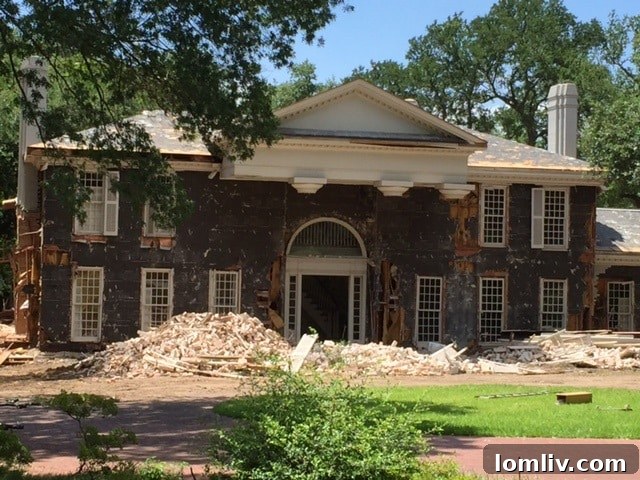
As we delve into the grandeur of the Lay estate, we must do so with a sense of melancholy, for this architectural gem, once celebrated as one of Dallas’s most beautiful homes, is no longer what it once was. With a heavy heart, one can now only speak of this illustrious residence in the past tense, remembering it as the cherished home of Herman and Mimi Lay, a beacon of refined living and a pivotal piece of Dallas’s heritage.
A Vision of Botanical Splendor: The Gardens of Radbrook Place
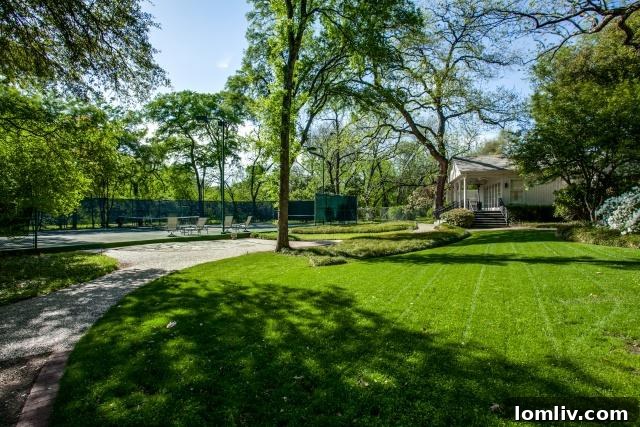
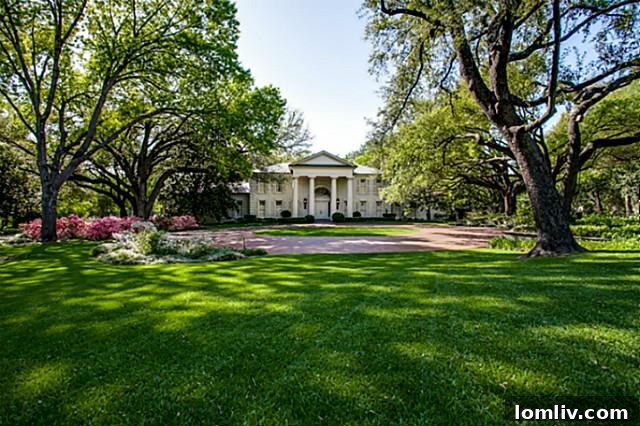
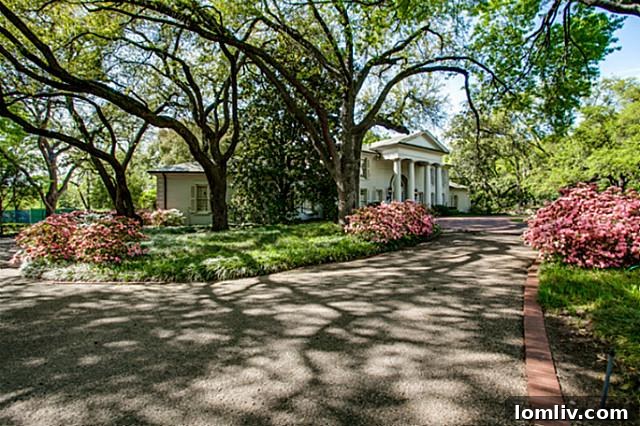
The Herman Lay estate was renowned not only for its architectural elegance but also for its breathtaking gardens, which transformed the property into a horticultural masterpiece. Each spring, the grounds erupted in a vibrant symphony of color, with oceans of tulips blooming in hues so vivid they could transport one to the legendary fields of Holland. Complementing these were the magnificent azaleas, creating a spectacle of natural beauty that was truly unparalleled. It comes as no surprise that the Lay Ornamental Garden at the prestigious Dallas Arboretum and Botanical Garden is named in honor of Herman and Mimi Lay, a testament to their passion for and dedication to cultivating exquisite flora. These gardens were more than just landscaping; they were a living legacy, a reflection of Mimi Lay’s meticulous care and artistic vision, meticulously maintained and admired for decades.
Architectural Grandeur by a Dallas Icon
The main residence, a magnificent structure built in 1962, was a product of the esteemed architect Cole Smith, a name synonymous with sophisticated design in Dallas. Smith, married to the equally renowned interior designer Sherry Hayslip, brought a distinctive vision to the Radbrook Place estate. The construction itself was skillfully executed by Hal Anderson, ensuring that every detail matched the architect’s ambitious plans. This combination of visionary design and expert craftsmanship resulted in a home that stood as a paragon of mid-century luxury, seamlessly blending timeless elegance with contemporary comfort. The choice of such celebrated talents underscored the Lay family’s commitment to creating an enduring and exceptional home.
A Home Celebrated: Recognition and Roots
The Herman Lay estate’s beauty was not merely a private affair; it garnered public acclaim. Just a year prior to its unfortunate fate, the property was heralded by D Home Magazine as one of the most beautiful homes in Dallas. While opinions on such accolades can sometimes vary, this particular selection resonated deeply with enthusiasts of fine architecture. Many believed that the home’s interior, with its meticulously crafted details and timeless charm, was even more captivating than its impressive exterior. This custom-built residence was completed in 1962 for Herman and Sarah Amelia (Mimi) Lay. Herman Lay, of course, was the visionary entrepreneur who founded the H.W. Lay Co., Inc., a company that would later become a cornerstone of the Frito-Lay corporation, forever changing the landscape of American snacking. In essence, this magnificent dwelling was a testament to the success and entrepreneurial spirit that built a snack empire – a home, in a unique way, that potato chips helped create.
A Glimpse into a Pristine Past: Family Reflections
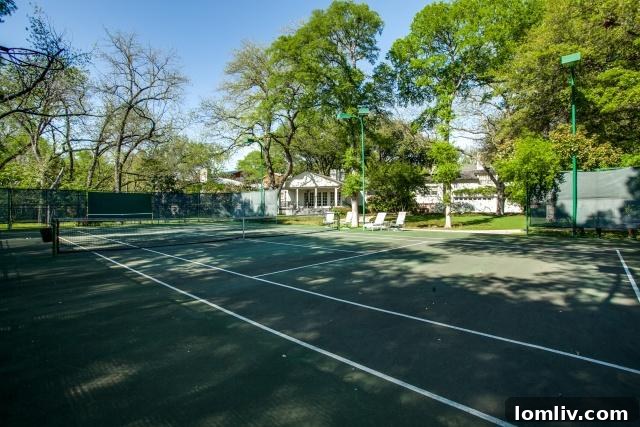
The Lay family cherished their Radbrook Place home, a sentiment beautifully articulated by their daughter, Dorothy. During a visit in the summer prior to the dramatic changes, Dorothy remarked that the house felt “frozen in time.” The subsequent owners had been diligent custodians, preserving its pristine condition through consistent painting and upkeep—essential tasks for any home, much like daily nourishment for ourselves. While they did undertake a significant renovation of the tennis court, which was nine years old and naturally showed signs of wear from constant use, their primary focus was to honor and maintain Mrs. Lay’s exquisite gardening. The vibrant displays of azaleas and tulips, especially around Easter, continued to bring the entire estate to life, just as Mimi Lay had envisioned and directed. This dedication to preservation highlights the deep respect the home commanded, yet tragically, it couldn’t avert its ultimate transformation. One can only hope that Dorothy Lay was spared the immediate pain of witnessing what transpired next.
The Heart of Preston Hollow: An Unrivaled Location
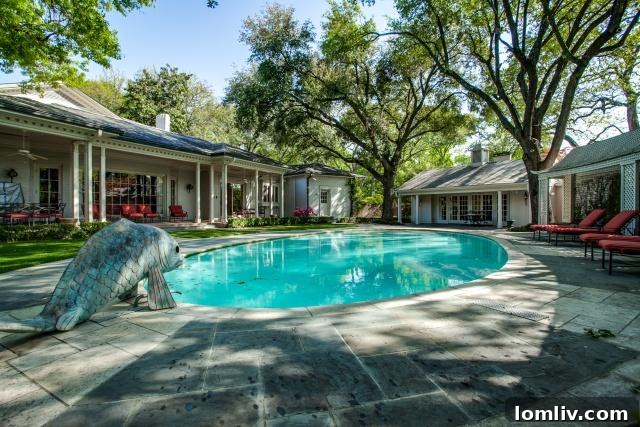
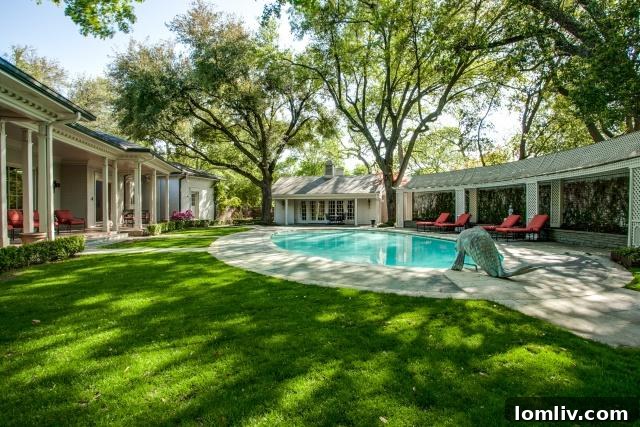
Beyond its architectural and horticultural merits, the Herman Lay estate boasted an enviable location in one of Dallas’s most prestigious enclaves. Spanning an expansive 7,041 square feet, the main house offered five bedrooms, six full and one-half baths, and generously proportioned rooms designed for both grand entertaining and comfortable family living. The master bedroom suite was conveniently located downstairs, while four additional bedrooms resided upstairs. The exterior was equally impressive, featuring landscape design by the renowned Lamberts and sophisticated lighting by John Watson. The property was an entertainer’s dream, complete with a sparkling pool and a well-maintained tennis court. Adding to its allure was a private guest house, offering complete seclusion for visitors.
Situated on a coveted corner lot where Radbrook Place intersects with Sunnybrook Lane, the estate occupied a prime position within Preston Hollow, widely considered the “crème de la crème” of Dallas luxury neighborhoods. This esteemed location offered more than just prestige; it provided a unique historical context. The back of 4935 Radbrook Place bordered the iconic 9400 Rockbrook Drive, the only Frank Lloyd Wright-designed home in Dallas and, notably, the last residence the legendary architect conceived before his passing. This proximity to such an architectural landmark further underscored the Radbrook Place estate’s significant standing within Dallas’s elite real estate landscape, making its eventual fate all the more difficult to reconcile.
Interiors: A Glimpse into Timeless Luxury
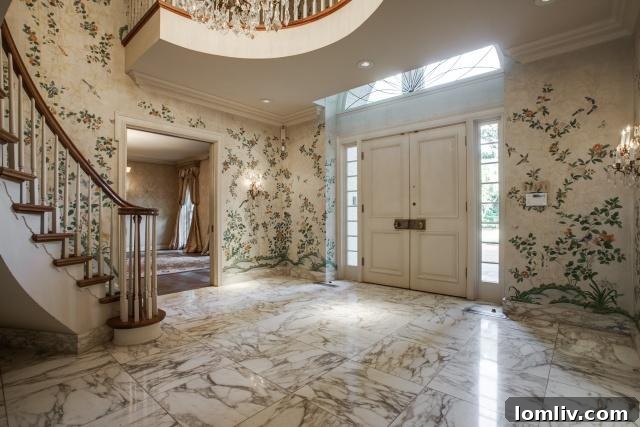
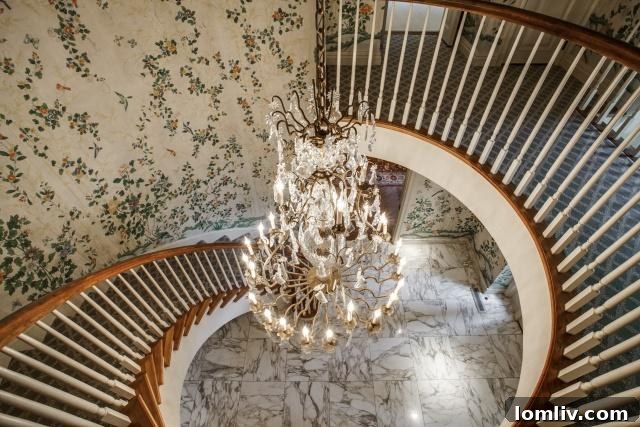
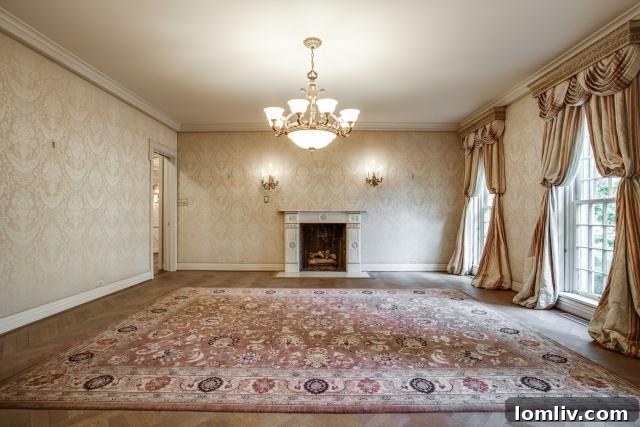
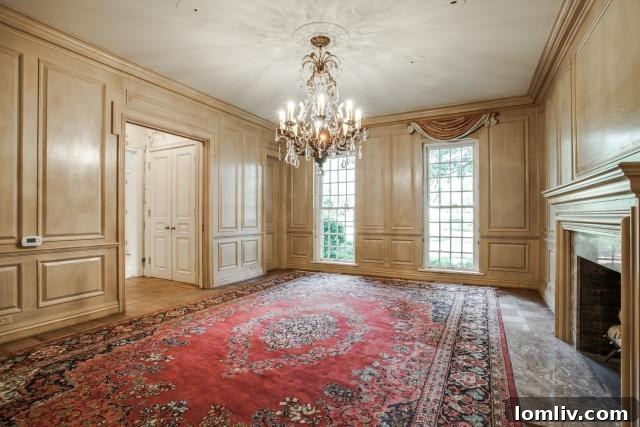
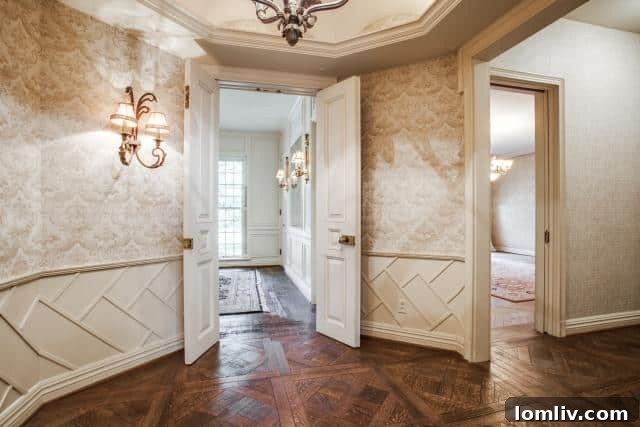
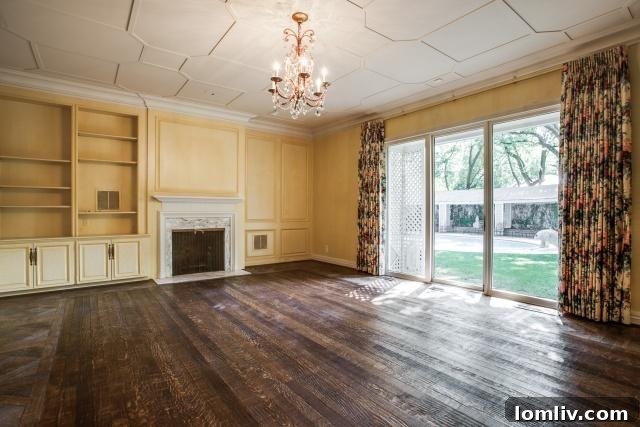
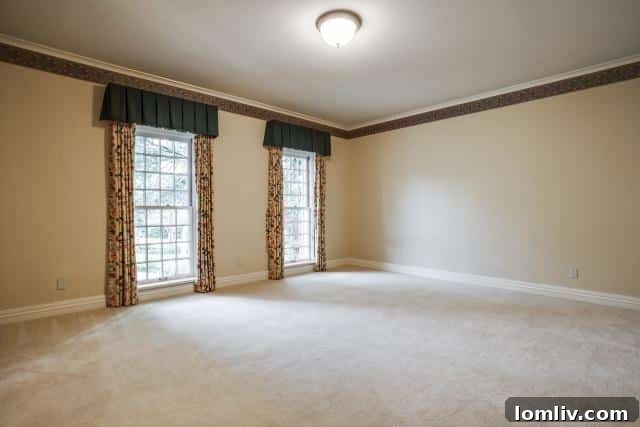
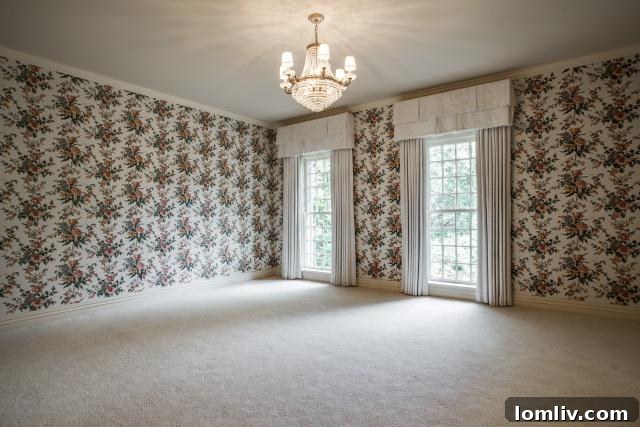
The interior of the Herman Lay estate was a masterclass in classic design and enduring quality. The grand foyer immediately captivated visitors with its opulent marble floor and one of Dallas’s original grand circular staircases – a design so iconic it became one of the most frequently emulated features in the city’s luxury homes. Throughout the residence, attention to detail was paramount. The living room exuded sophistication with its swagged windows and elegant picture frame wood panels. The floors were adorned with exquisite herringbone hardwood, adding a layer of warmth and luxury.
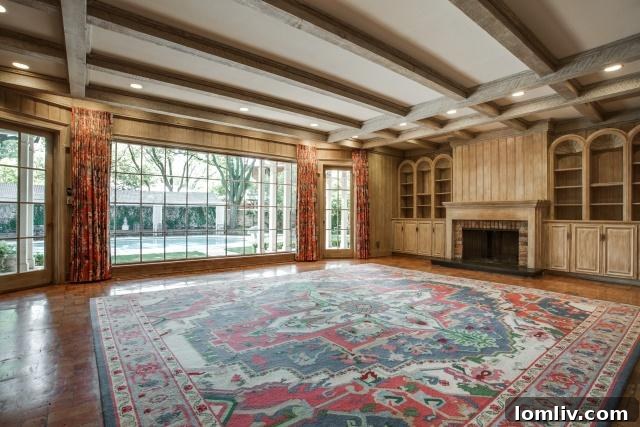
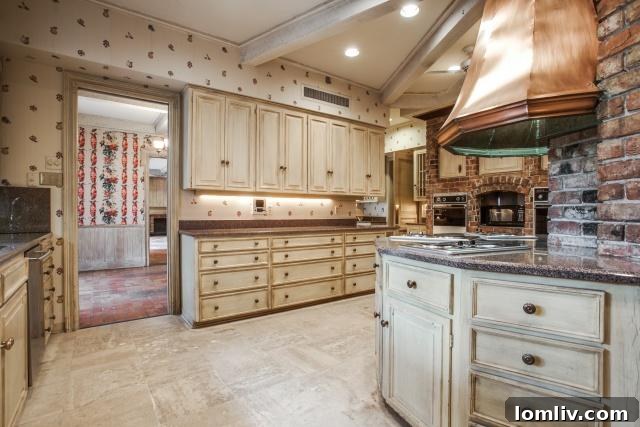
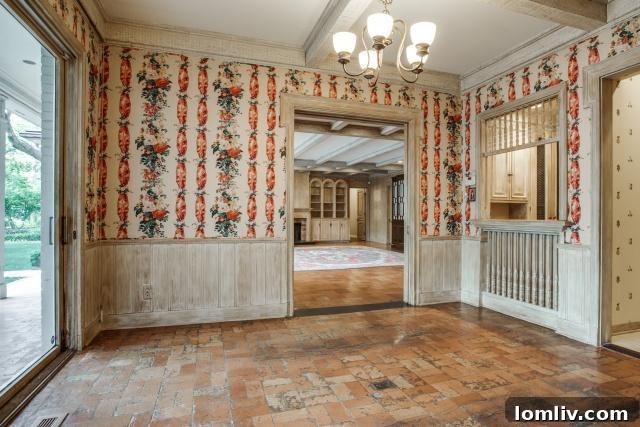
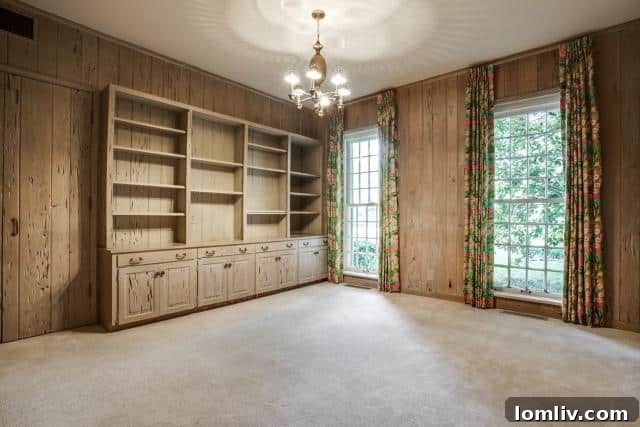
Unique architectural elements abounded. The family room, and seemingly the study and breakfast room, featured distinctive pecky cypress beams, adding rustic charm to the refined spaces. The kitchen, a hub of daily life, showcased a striking round copper venta-hood, complemented by expansive granite counters and brick walls. This brick accent, a hugely popular trend in 1960s and 1970s kitchens, reflects a design aesthetic that many feel is ripe for a modern revival. The appliances, though original to the home, were top-of-the-line at the time of purchase, a testament to quality that truly lasts. As noted by the listing agent, Elizabeth Hutchinson, the ovens in the kitchen maintained an impressive calibration within seven degrees, proving that superior craftsmanship and investment in the best can negate the need for constant replacement.
Further enhancing the home’s unique character were beautifully crafted surprises at every turn: intricate wainscoting panels (leading from the foyer to the first-floor master suite), captivating ceiling treatments, discreet hidden pocket doors, and stunning, bespoke hardware. These elements collectively created an atmosphere of understated elegance and thoughtful design that truly set the Herman Lay estate apart.

Beyond the Main Residence: Guest House and Amenities
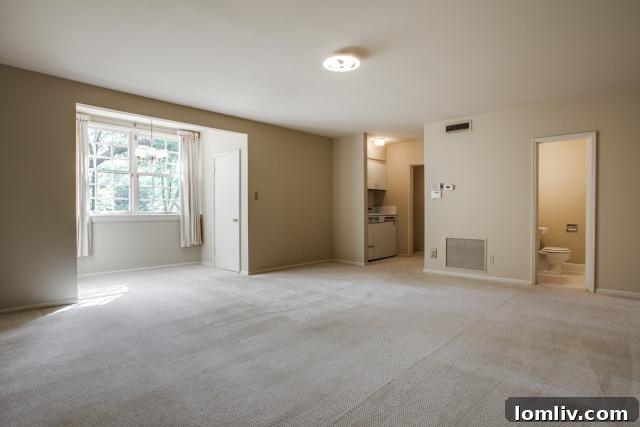
The Herman Lay estate extended its luxurious offerings beyond the main house with a substantial guest house, spanning 1,239 square feet. This private retreat featured one bedroom, two baths, two distinct living areas, a convenient kitchenette, and its own inviting fireplace, ensuring complete privacy and comfort for visitors. The property was well-appointed with a total of five fireplaces across both structures, adding warmth and character to various living spaces.
Outdoor leisure was a central theme, highlighted by a gracious pool. Instead of a traditional diving board, the pool featured a beautiful fish sculpture, which Dorothy Lay confirmed was a verdigris fountain installed by the second owner, adding a unique artistic touch to the aquatic haven. The tennis court, meticulously resurfaced by the previous owners, provided ample opportunity for recreation, reflecting the active lifestyle enjoyed by the Lay family and subsequent residents. These amenities, thoughtfully integrated into the sprawling grounds, truly epitomized the luxury and comfort that defined the Radbrook Place estate.
The Unfolding Tragedy: A Shift in Dallas’s Luxury Landscape
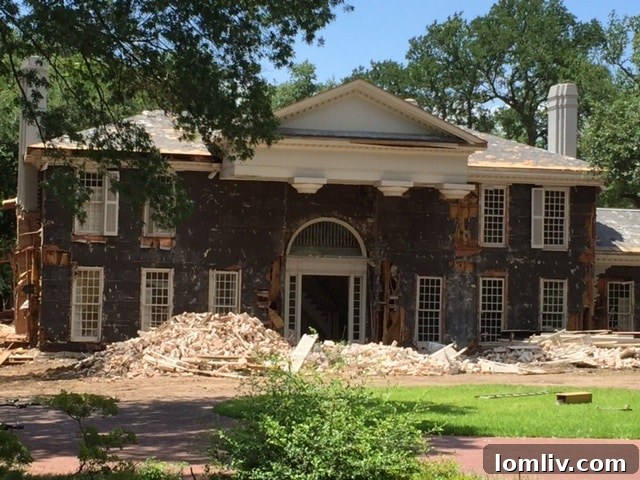
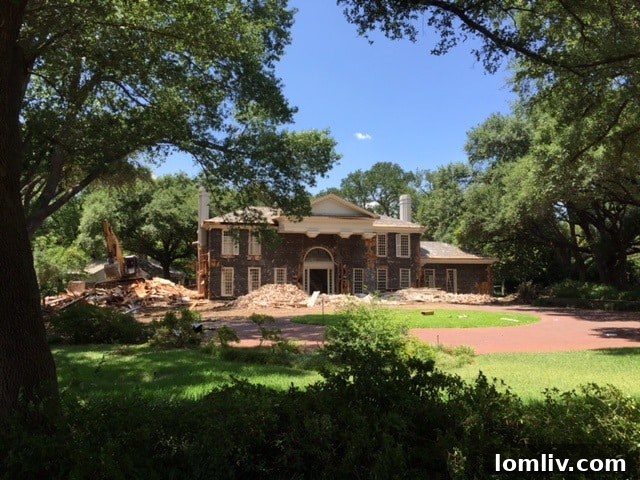
The story of the Herman Lay estate takes a somber turn, highlighting a trend that has become increasingly prevalent in Dallas’s high-end real estate market. When the property was last listed, the agent, Elizabeth Hutchinson of Keller Williams Dallas Premiere, assured that potential buyers had no plans to utter those dreaded words in the luxury market: “tear down.” This promise offered a glimmer of hope that the architectural integrity and historical significance of this magnificent home would be preserved for future generations. However, despite its impeccable condition, its acclaimed beauty, and its deep roots in Dallas history, the fate of the Herman Lay estate ultimately veered in a different direction. The collective gasp from architecture enthusiasts and preservationists was palpable as it became evident that this beloved landmark home, despite being far from “old” in any conventional sense, was destined for demolition.
This outcome is a profound sadness, reflecting a broader trend where prime land value often overshadows the inherent worth of existing structures, no matter how architecturally significant or meticulously maintained. The loss of the Herman Lay estate on Radbrook Place is more than just the removal of bricks and mortar; it represents the erosion of a tangible piece of Dallas’s heritage and a testament to the Lay family’s legacy. While the allure of new construction, designed to modern tastes and often on a grander scale, holds undeniable appeal for some, the irreplaceable character and historical narrative embedded within homes like the Lay estate are forever lost. One can only hope that whatever now occupies this storied ground will, in its own way, contribute something truly remarkable to the esteemed fabric of Preston Hollow, even as we mourn the irreplaceable loss of what once stood as a Dallas icon.