In a significant victory for community-driven urban development, a cherished North Oak Cliff neighborhood in Dallas, historically recognized for its distinctive charm and even featured in the iconic Tom Cruise film Born on the Fourth of July, recently secured a pivotal rezoning approval. This landmark decision marks a new chapter for Elmwood, safeguarding its beloved small-town atmosphere while paving the way for vibrant, sustainable growth.
The Dallas City Council delivered a unanimous endorsement, officially establishing a designated area within Elmwood as a walkable urban mixed-use district. This strategic rezoning is the culmination of years of dedicated effort by residents, local businesses, and city officials, all united by a vision for a more connected and thriving community.
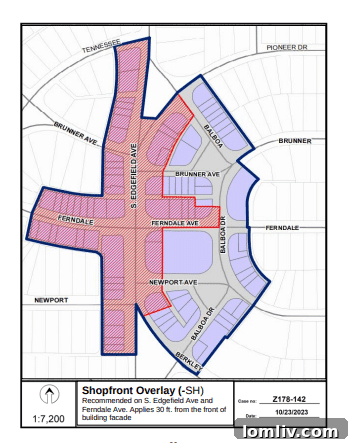
The newly defined district’s boundaries are meticulously drawn to enhance pedestrian access and foster a cohesive commercial and residential environment. These limits stretch along Edgefield Avenue, extending from Tennessee Avenue all the way to the alley situated just south of Newport Avenue. Furthermore, both sides of Balboa Drive are encompassed, specifically between Pioneer Drive and Berkley Avenue. The district also includes both sides of Ferndale Avenue, reaching from the alley east of Tennessee Avenue to the alley east of Balboa Drive. Brunner Avenue is fully integrated within the zone, covering both sides between Balboa Drive and Edgefield Drive, as are both sides of Newport Avenue between Balboa Drive and Edgefield Drive. This precisely delineated area, spanning approximately 14 acres, includes a crucial shop-front overlay designed to encourage engaging and accessible ground-floor commercial spaces, integral to the district’s pedestrian-friendly ethos.
The journey towards this monumental approval began seven years ago, spearheaded by District 1 Councilman Chad West. At the time, West served as a plan commissioner, recognizing the immense potential and unmet needs within Elmwood. His persistent advocacy ultimately led to the formal request for an authorized hearing, setting in motion the extensive process that has now reached its successful conclusion.
Councilman West emphasized the profound significance of this decision, stating, “The approval directly aligns with and supports the community-driven objectives outlined in the West Oak Cliff Area Plan. Our aim is to encourage the thoughtful transformation of this 14-acre core into a vibrant, neighborhood-scale mixed-use center that prioritizes pedestrian activity and accessibility.” He further elaborated on a critical economic component of the rezoning: “By strategically reducing the burdensome parking requirements for businesses situated within this particular neighborhood, this transformative zoning change will serve as a powerful catalyst, encouraging and enabling small, independent businesses to not only establish themselves but also to truly flourish and contribute to the local economy.” This forward-thinking approach is designed to lower barriers to entry for local entrepreneurs and inject new vitality into Elmwood’s commercial landscape, fostering a more dynamic and community-centric economy.
For those interested in delving deeper into the specifics of this comprehensive urban planning initiative, the detailed case report, outlining all aspects of the rezoning proposal and its rationale, is publicly available. This document provides an invaluable resource for understanding the legal, logistical, and community-centric considerations that underpinned this significant civic decision. You can access the full report here.
Elmwood: A Rich History and Evolving Vision in North Oak Cliff
Elmwood’s unique character and historical fabric have long made it a desirable place to live. Matthew Glenn, a part-owner of a property located at 1809 Balboa Place in what is considered downtown Elmwood, articulated the immediate benefits of this rezoning. He highlighted the demographic shift in the area, noting, “There is a growing presence of young families moving into the neighborhood, and they are actively seeking easier access to local amenities.” Glenn also pointed out a significant hurdle that the previous zoning presented for years: “Historically, businesses have faced substantial limitations and challenges because the existing zoning regulations were simply not conducive to their growth or even their establishment.”
Echoing the sentiment of many residents and business owners, Glenn expressed optimism about the future. “I believe this rezoning will be profoundly beneficial for the downtown district, creating a positive impact with minimal disruption to the businesses that are already established here,” he stated. He further emphasized the transformation of the public realm: “It will undeniably contribute to making Elmwood a safer and considerably more walkable environment. Currently, navigating this area, whether by car or, more critically, as a pedestrian, presents considerable difficulties and frustrations.” This sentiment underscores the core desire for an urban landscape that prioritizes human-scale interaction and accessibility.
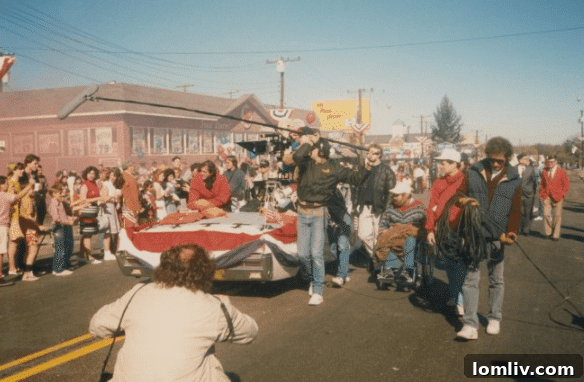

Elmwood’s distinctive atmosphere, a blend of timeless appeal and community warmth, even captivated Hollywood. This unique ambiance left a lasting impression on actor Tom Cruise, acclaimed director Oliver Stone, and the entire production team behind the 1989 film Born on the Fourth of July. As detailed in an insightful article published by the University of North Texas in their “Spotlight on North Texas” series, Elmwood played a crucial role in bringing the film’s vision to life.
The article specifically highlights one of the movie’s most poignant Dallas scenes: “One of the most memorable of [the] Dallas scenes is when [Ron] Kovic (portrayed by Tom Cruise) makes his emotional return home from Vietnam and participates in an Independence Day parade.” It goes on to explain the cinematic transformation: “Here and in various other segments throughout the film, the 2000 block of South Edgefield in Elmwood underwent the full Hollywood treatment, meticulously crafted to emulate the image of an idyllic suburban town, reminiscent of Long Island.” This historical footnote underscores Elmwood’s intrinsic appeal and the very “small-town charm” that its current residents are so determined to preserve and nurture through thoughtful urban planning.
It is precisely this cherished small-town charm, deeply woven into the fabric of Elmwood, that residents are fiercely committed to keeping intact. The community believes that the newly approved zoning is not just a regulatory adjustment but a vital step towards ensuring that local businesses can truly thrive, and that much-needed diverse housing options can be developed in a manner that complements the existing neighborhood character. Residents envision a future where economic vitality and residential comfort coexist harmoniously, all while retaining the unique aesthetic and community feel that attracted them to Elmwood in the first place.
The comprehensive West Oak Cliff Area Plan (WOCAP) served as the foundational framework for these community-led initiatives. Councilman West underscored the collaborative spirit of the process, noting that city staff engaged extensively and meticulously with Elmwood residents over a period of three years. This prolonged and in-depth engagement was critical in collectively determining how Elmwood could be optimally “activated” – a term encompassing improvements that enhance both functionality and aesthetic appeal. Key recommendations that emerged from this collaborative planning included proposals for wider sidewalks, which are essential for pedestrian comfort and safety, enhanced lighting to improve visibility and security, the strategic planting of trees to boost greenery and provide shade, and critically, reduced parking requirements to foster walkability and encourage local business growth.
West further articulated Elmwood’s inherent advantages: “The neighborhood is truly blessed with a historically significant elementary school, a charming downtown church, and a natural footprint that inherently calls for walkability and the presence of locally-owned and operated storefronts.” He also highlighted the natural beauty that frames the area: “The Elmwood trail and an inviting park gracefully border the edge of the downtown area, running alongside a tranquil creek, adding to the overall allure and recreational opportunities within the district.” These existing assets provide a robust foundation upon which the new mixed-use district can build, blending seamlessly into the cherished landscape.
Navigating the Complexities of the Authorized Hearing Process
The path to achieving such a significant zoning change in a major metropolitan area like Dallas is rarely straightforward or swift. As evidenced by official city records, with more than 19 authorized hearings queuing at the City of Dallas as of late 2022, the process for obtaining such approvals is notoriously intricate, demanding extensive preparation, rigorous review, and considerable patience. It is anything but a simple or quick undertaking, often spanning multiple years and requiring sustained community engagement.

The successful outcome in Elmwood stands as a testament to the unwavering commitment of its residents and business owners. Their collective efforts clearly demonstrated a strong, unified vision for their neighborhood’s future, coupled with remarkable patience and diligence in navigating the challenging bureaucratic landscape to reach the finish line. This long-term dedication was absolutely vital in seeing their aspirations for Elmwood come to fruition, highlighting the power of sustained community advocacy.
Andrew Wallace, a key figure in the community, powerfully articulated the historical context, explaining that the neighborhood’s previous zoning regulations had inadvertently placed Elmwood in a state of “arrested development” for a staggering 80 years. This long period of restrictive zoning stifled organic growth and prevented the kind of incremental evolution necessary for a healthy, adaptable urban environment.
Wallace expressed strong optimism regarding the rezoning’s potential, stating, “The new zoning represents a crucial and highly positive first step in facilitating the incremental, organic changes that are absolutely essential for any city to truly thrive and evolve.” He underscored a particularly pressing issue: “This zoning change will provide us with the invaluable option to responsibly increase the supply of housing. By doing so, it will help alleviate the intense pressure on housing demand and critically provide much-needed shelter, not only for those who already reside in our beloved neighborhood but also for the many who aspire to move to Elmwood but have, until now, been unable to afford to.” This focus on housing affordability and accessibility highlights the multifaceted benefits of the rezoning, addressing not just commercial vibrancy but also the fundamental needs of residents.
Councilman West further elaborated on the strategic importance of Elmwood’s rezoning, revealing that it is the inaugural success stemming from a larger series of four authorized hearings initiated under the comprehensive West Oak Cliff Area Plan (WOCAP). “It’s truly the biggest one among them,” he emphasized, underscoring its significant scope and impact. He detailed the meticulous process involved: “We conducted extensive neighborhood engagement sessions, dedicating considerable time and effort to carefully craft a plan that will both preserve the unique character of downtown Elmwood and concurrently provide it with the optimal conditions for gentle, thoughtful growth and development – growth that seamlessly blends into and enhances the existing fabric of the neighborhood, rather than disrupting it.” This thoughtful approach ensures that Elmwood’s evolution is harmonious, respecting its rich heritage while embracing a prosperous future.