Dallas’s “Rock of Truth” Building: A New Era for a Historic Landmark
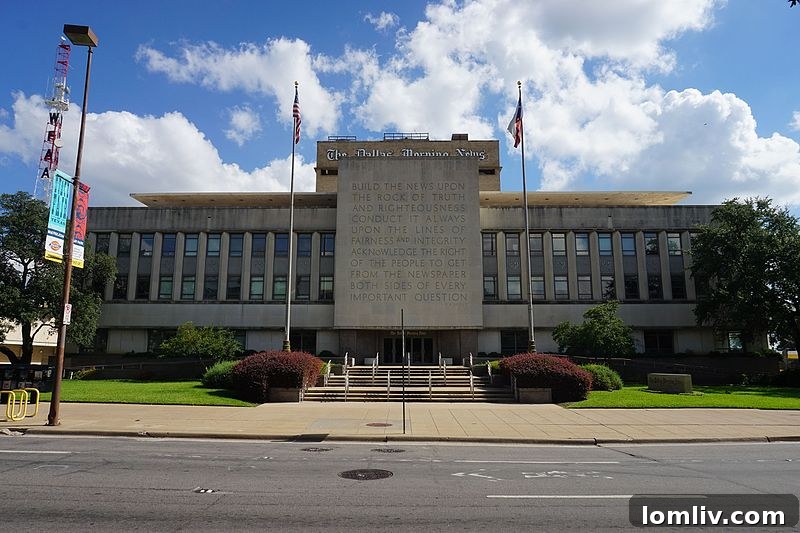
Downtown Dallas is on the cusp of a significant transformation as the former Dallas Morning News headquarters, affectionately known as the “Rock of Truth,” embarks on an exciting journey of redevelopment. This iconic building, situated at 508 Young Street, was recently acquired by Ray Washburne’s Charter DMN Holdings. The ambitious project promises to redefine the urban landscape around the Dallas Convention Center, injecting a much-needed surge of activity and appeal. The acquisition follows a period of public discussion and creative speculation regarding the potential of old newspaper buildings, a vision now set to become a tangible reality under Washburne’s guidance.
Unveiling the Vision: A Boutique Hotel and Entertainment District
The “Rock of Truth” earned its enduring nickname from the powerful words of George Bannerman Dealey, etched into its façade, symbolizing the enduring principles of journalism. This architectural gem, directly opposite Union Station, was part of an 8-acre campus encompassing two buildings, purchased by Washburne’s company for a reported $28 million. This substantial investment underscores a profound commitment not just to a real estate venture, but to a comprehensive urban revitalization effort that respects history while embracing modernity.
Central to Washburne’s plan is the meticulous preservation of the Dallas Morning News building’s distinctive exteriors. “We are going to keep the existing building and convert it into a 200- to 300-room boutique business hotel, completely saving the exterior character of the building,” Washburne affirmed. This approach to adaptive reuse is crucial, allowing the building to transition into a new function without losing the historical integrity that makes it a cherished part of Dallas’s heritage. Such projects champion sustainable development by giving old structures a new purpose rather than resorting to demolition and new construction.
Revitalizing the Convention Center Area: A New Hub for Entertainment
Beyond the sophisticated boutique hotel, Washburne envisions a vibrant entertainment district that will fundamentally alter the experience for visitors and residents in downtown Dallas. He keenly observed the significant void near the Dallas Convention Center, where a lack of walkable entertainment options often leaves convention attendees seeking activities further afield. The strategic location of the two former newspaper buildings positions them perfectly to address this deficit, transforming the area into a major asset for the city’s robust tourism and convention industries.
The ambitious plans include the development of a variety of restaurants and, potentially, distinctive entertainment venues that could evoke the spirit of renowned Texas establishments like Gilley’s or Billy Bob’s. The goal is to cultivate a lively, engaging environment where convention-goers and Dallasites can socialize and relax, all within easy walking distance of their primary destinations. “There are no activities at the convention center’s front door,” Washburne highlighted, drawing a contrast with the successful Omni Hotel situated at the “back end.” He added, “Then there is the back end of the convention center, where buses drop people off. It’s kind of uninspiring.” This project is poised to inject essential vitality and economic dynamism into a part of the city previously underserviced by leisure and entertainment options.
Drawing Inspiration: National Models for Adaptive Reuse Success
Washburne’s blueprint for the “Rock of Truth” is not conceived in isolation but is deeply influenced by a thorough study of successful adaptive reuse projects across the United States. The practice of transforming old industrial or institutional structures into modern, functional spaces has gained significant traction, lauded for its environmental benefits, historical preservation, and capacity to invigorate urban centers. These projects demonstrate how obsolete buildings can be reimagined to meet contemporary demands, fostering a unique blend of past and present.
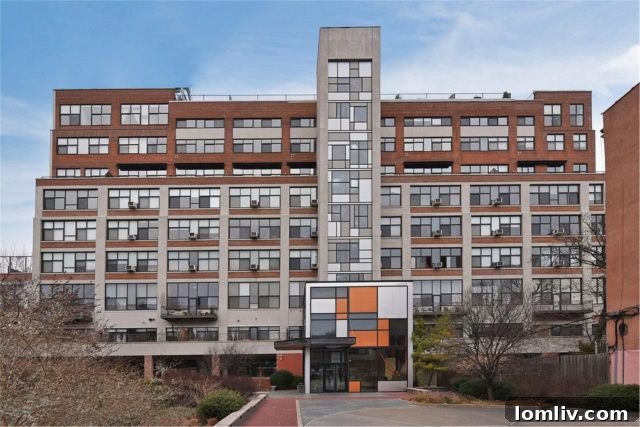
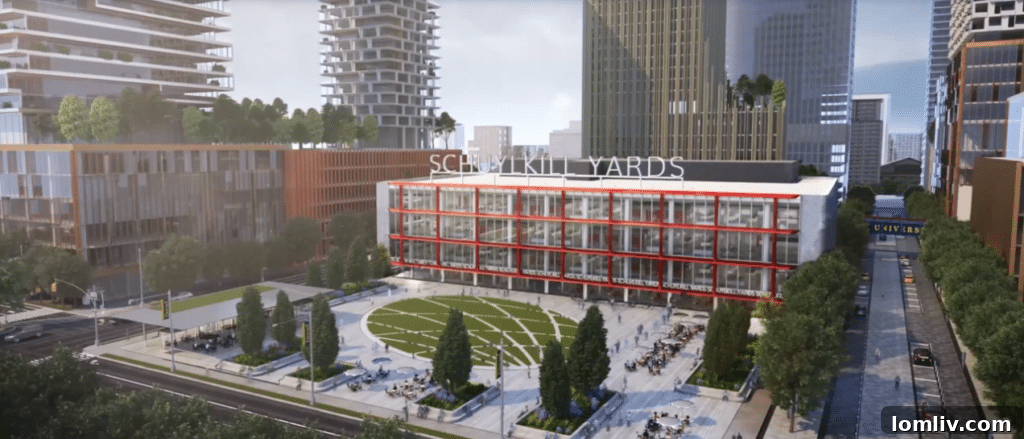
A notable example is Newswalk in Brooklyn, New York, where the erstwhile New York Daily News printing press building was cleverly repurposed into luxury condominiums in 2002. This project showcases the potential for industrial spaces to become sought-after residential properties. Similarly, the sprawling campus of The Philadelphia Evening and Sunday Bulletin is undergoing a transformative redevelopment into the Schuylkill Yards Innovation District, illustrating how former media hubs can evolve into centers of innovation and commerce. Closer to home, the Ritz Carlton Residences and Club in San Francisco, seamlessly integrated into the original San Francisco Chronicle building at 609 Market Street, exemplifies the successful fusion of high-end living with historical architecture, proving that luxury and legacy can coexist beautifully.
The Standard Hotel: A Blueprint for Dallas’s Premier Boutique Experience
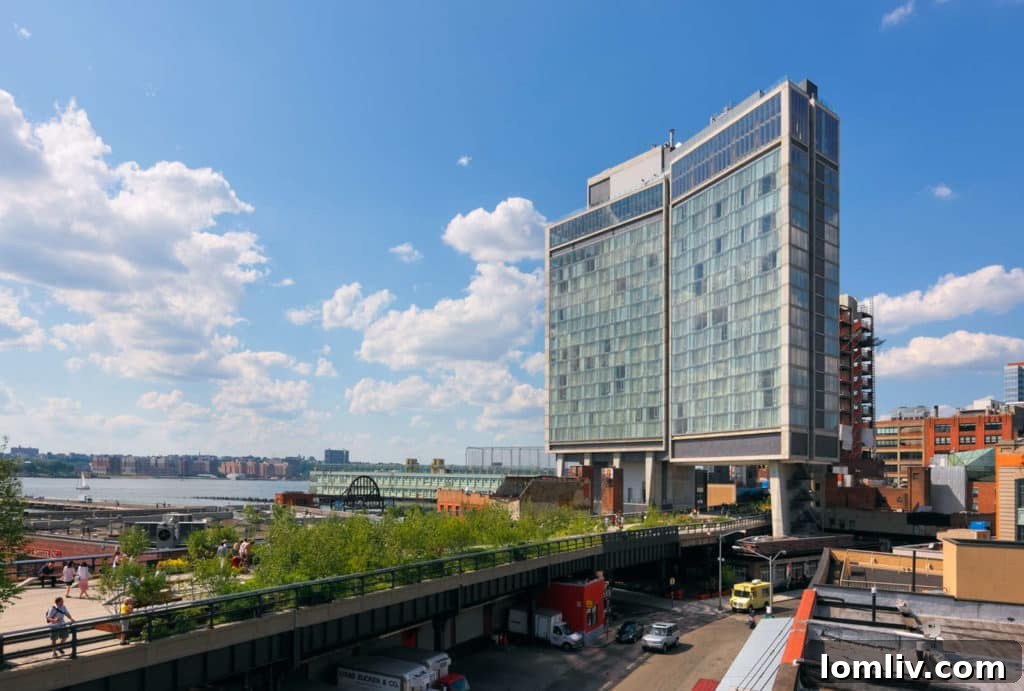
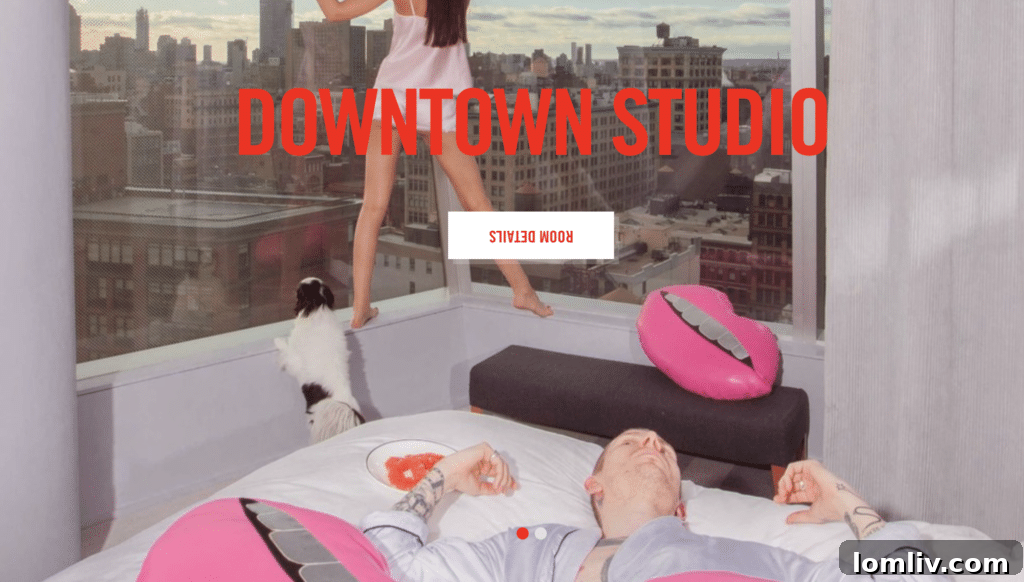
New York City has proven to be an especially rich wellspring of inspiration for Washburne, who has embarked on extensive tours of renovated historic buildings and distinguished boutique hotels across the metropolis. He expresses particular admiration for The Standard Hotel, an architectural marvel perched atop a former elevated train line in the revitalized Meatpacking District, now famously known as the High Line. This acclaimed hotel is celebrated for its distinctive design, notably its signature floor-to-ceiling windows in all 338 rooms, which offer sweeping, unobstructed vistas of the Manhattan skyline or the majestic Hudson River.
The widespread success of The Standard brand, with its presence extending to major urban centers like Los Angeles, Hollywood, Miami, and London, underscores the growing demand for unique, experience-driven accommodations that transcend the conventional. The exciting prospect of introducing a similar level of “cool” and sophisticated design to Dallas, particularly within such a historically significant and centrally located building, holds immense promise. This approach to hospitality provides a refreshing alternative to traditional hotel chains, appealing to discerning guests who prioritize character, prime location, and exceptional design that tells a story.
From Brutalism to Art Deco: Reimagining the Interiors
While the exterior façade of the Dallas Morning News building is slated for meticulous preservation, the interior presents a unique set of challenges and opportunities for design innovation. Washburne has largely dismissed the idea of traditional commercial office space for the redevelopment, instead leaning towards a potential creative office concept, if any. However, the core focus remains on crafting a bespoke boutique hotel and integrated entertainment venues, which necessitates a complete and imaginative interior overhaul.
Upon taking possession of the property, Washburne’s team discovered interiors that were notably stripped and showed significant signs of wear – a stark contrast to the grandiosity one might associate with such an iconic structure. “It wasn’t that nice [on the inside]. I thought it would have cool conference rooms or something, but nothing,” he recounted. “It was all ripped out years ago. You know that the facility ran 24/7, it never closed; the carpet is pretty well worn.” This testimony speaks volumes about the building’s relentless past as a ceaselessly bustling news operation, enduring constant activity and minimal downtime.
Historical records and architectural analysis suggest that a mid-1970s Brutalist renovation regrettably stripped away the building’s original, elegant Art Deco interiors. This drastic aesthetic shift replaced intricate detailing and refined finishes with a more austere, industrial style, described by some observers as a “fragmented, bank-interior bland look.” During that era, the era of “Mad Men” style closed offices also gave way to a more open-plan layout, a pragmatic decision for a newsroom but one that diminished the building’s historical design integrity.
“All the old beautiful moldings were ripped out by the News as they went from closed offices of the ‘Mad Men’ era to a big open floor plan,” Washburne confirmed, lamenting the loss. “I wish there was stuff to save on the interior, but we will have to re-create a really cool 1940’s Art Deco feel.” This unwavering commitment to meticulously “re-create” the lost Art Deco splendor promises to imbue the building’s interior with a restored sense of historical luxury and distinctive stylistic authenticity, ensuring a truly unique and immersive ambiance for future hotel guests.
The demand for diverse and high-quality accommodation options near the convention center is undeniable. Washburne is confident that his yet-to-be-named boutique hotel will attract a discerning clientele, offering an experience that distinctly sets it apart from established major players like The Omni or Hyatt. It is designed to appeal to those who seek character, a rich historical narrative, and a vibrant social and entertainment scene right at their doorstep.
The immediate future of the project involves extensive foundational work. “Right now, we are accessing what the building is structurally and the acreage,” Washburne explained, underscoring the inherent complexities of converting such a substantial and unique structure. “Actually, the building is kind of confusing. We will be demo-ing interiors this year.” This initial, critical phase is paramount for comprehensively understanding the building’s structural capabilities and meticulously preparing the groundwork for the ambitious design and construction plans ahead.
Intriguingly, the “Rock of Truth” was sold to Charter DMN Holdings fully furnished. “[The Dallas Morning News] went to all brand-new furniture,” Washburne revealed, “and left everything behind.” This unexpected trove of abandoned office items may very well include fascinating relics of journalistic history. The playful suggestion of organizing a tag sale for nostalgic pieces like antique typewriters or retro CueCats for former reporters and editors adds a charmingly human, almost sentimental touch to the compelling narrative of this historic building’s remarkable transition.
In essence, this redevelopment initiative is far more than just the creation of a new hotel; it represents a significant, forward-thinking investment in the intricate urban fabric of Dallas. It promises to profoundly enhance the city’s downtown allure, vigorously support its burgeoning convention industry, and lovingly restore and repurpose a cherished piece of its rich heritage. The “Rock of Truth” is poised to embark on a compelling and transformative new chapter, gracefully evolving from its storied past as a bastion of news into a dynamic beacon of modern hospitality and vibrant entertainment.