Preserving Dallas’s Architectural Heritage: A Call to Action for Our Historic Homes
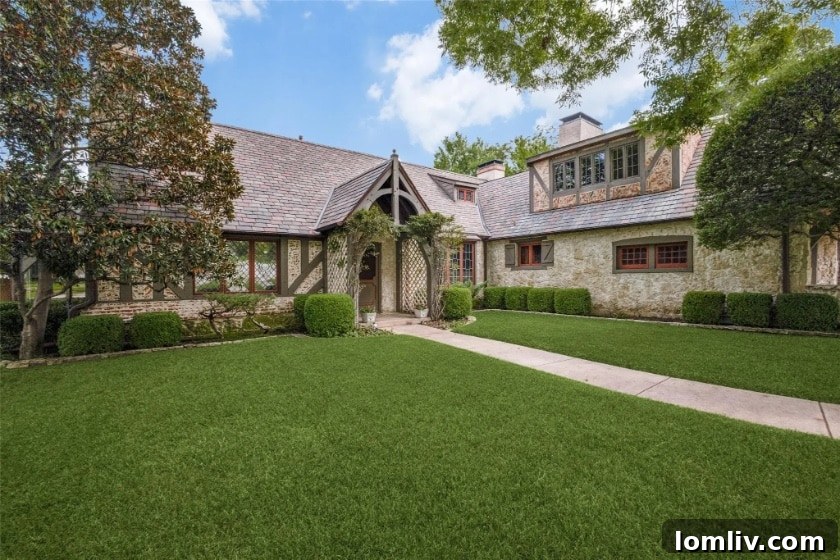
Dallas has reached a critical juncture in the ongoing conversation surrounding the historic preservation of its architecturally significant homes. Over the past few years, an alarming number of these irreplaceable residences—many designed and once owned by the very individuals who laid the foundations of our city—have been senselessly razed. This unchecked destruction represents not merely a loss of physical structures but a profound erosion of the unique character and historical narrative embedded within Dallas’s most cherished neighborhoods.
The cultural and aesthetic fabric of our city is deeply interwoven with its historic architecture. These homes are far more than mere buildings; they are tangible links to a bygone era, reflecting the craftsmanship, innovative design, and societal values of their time. Each demolition erases a chapter of this narrative, diminishing the visual heritage and collective memory of our community. We stand at a crucial tipping point where immediate and concerted action is essential to safeguard these invaluable assets for future generations, preventing a future where Dallas’s distinctive charm is homogenized out of existence.
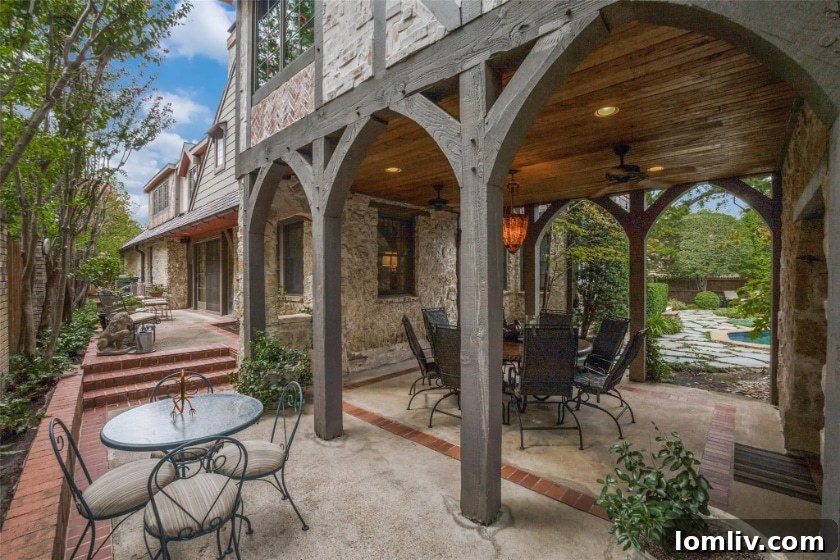
The Urgent Need to Halt the Demolition of Architecturally Significant Homes
A troubling pattern has emerged in the Dallas real estate market. When browsing listings, particularly in highly coveted areas such as Highland Park or Lakewood, any home priced below $4 million or $2 million respectively now triggers immediate concern. This isn’t due to perceived overpricing, but rather a pervasive lack of understanding regarding the inherent value and historical significance of these properties. Too many prospective buyers, and unfortunately, even some real estate professionals, fail to recognize these price points as exceptional opportunities for acquiring homes of such caliber within their prestigious neighborhoods.
In many instances, these historic properties might require some thoughtful renovation and modernization to truly realize their full potential. However, the investment in restoring such a home invariably proves to be a rewarding endeavor, both financially and aesthetically, adding immense value over time. Despite this, a widespread misunderstanding of the long-term benefits and cultural importance of historic residences often leads to them being prematurely categorized as “teardown territory.” This short-sighted mindset prioritizes destruction over conservation, overlooking the immense potential for sensitive restoration and adaptive reuse, favoring instead the perceived ease of new construction.
This misperception is particularly acute in areas experiencing high demand for new, larger homes. Developers and certain buyers often see only the land value, disregarding the existing structure’s architectural merit, superior construction quality, and invaluable historical context. This approach not only erases a unique piece of Dallas’s past but also contributes to a growing homogenization of neighborhoods, diminishing the very distinctiveness that made them so desirable in the first place. It is imperative to shift this perspective and recognize that these homes are not just old buildings, but valuable heritage assets ripe for careful preservation and thoughtful integration into contemporary living, ensuring their story continues to be told.
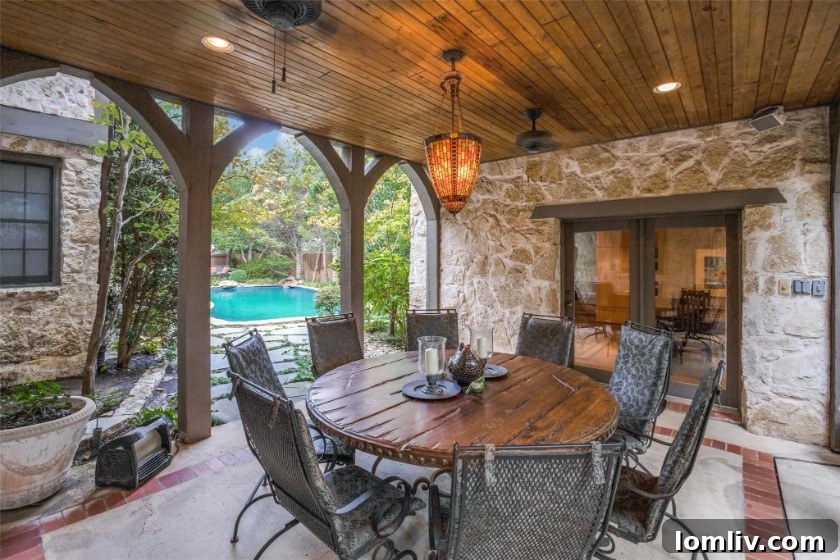
The Compelling Economic Case: Why Preservation Outperforms Demolition
Beyond the undeniable emotional and historical arguments, a robust economic rationale unequivocally supports the preservation of architecturally significant homes. The notion that demolishing an existing structure to build a new one is a more cost-effective solution is, in the vast majority of cases, a profound misconception. Consider the sheer impossibility of replicating the intricate craftsmanship, high-quality materials, and inherent architectural integrity of a historic home for the same price today, let alone for a lesser cost. If you were to tear down a $3 million historically significant house, the expense required to rebuild a new structure of comparable quality—utilizing period-appropriate materials and employing the highly specialized labor required—would easily skyrocket into the tens of millions. The bespoke details, robust construction methods, and rare, enduring materials characteristic of older homes simply cannot be mass-produced or easily replicated within modern construction budgets.
One of the foremost authorities on this subject is renowned historic preservationist Ron Siebler. His extensive work with various municipalities, museums, and private homeowners consistently underscores the financial viability and long-term advantages of preservation. Siebler’s impressive portfolio includes pivotal projects such as the meticulous restoration of the Denton County Courthouse, the City of Dallas Parks’ Department Sharrock-Niblo Cabin, and the detailed repair and restoration of the MKT Depot at Dallas Heritage Village. His decades of experience unequivocally demonstrate that thoughtful renovation is, more often than not, the economically prudent choice.
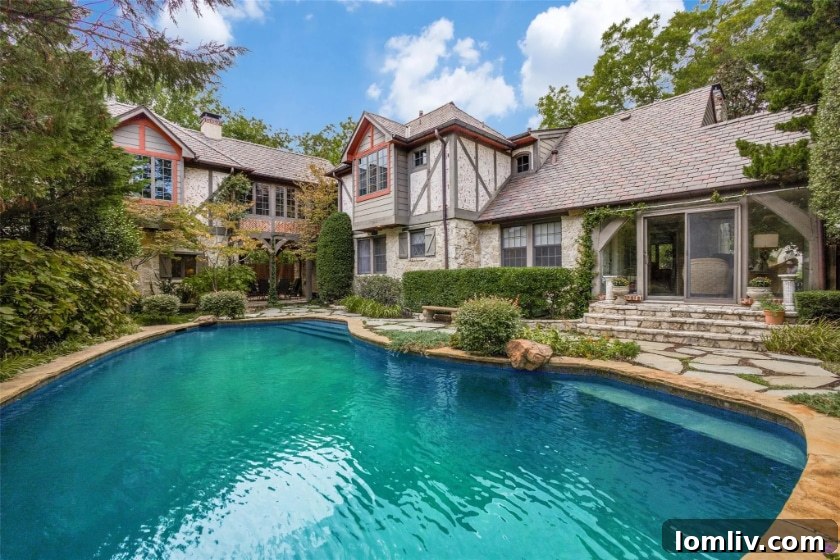
As Siebler articulates, “When you factor in the available tax credits and incentives specifically designed for historic homes, coupled with the considerable, often underestimated, costs of demolition and debris removal, the argument that preservation is not economical simply doesn’t hold water. While there will always be extreme, isolated cases, generally speaking, remodeling an existing structure proves to be significantly more economical than embarking on an entirely new build on the same location.” These invaluable financial incentives, frequently overlooked by property owners, can substantially offset renovation costs, making preservation an even more attractive and responsible investment.
Furthermore, the unique materials found within architecturally significant homes are often irreplaceable treasures, embodying a level of quality and artistry rarely seen today. Imagine the challenge of trying to source authentic pillow tile from the 1930s, or finding artisans capable of crafting an entire room mural or a custom stained-glass window with the same historical accuracy and intricate detail. Even if, through diligent effort and extensive searching, you manage to locate comparable materials or skilled craftspeople, the associated costs will almost certainly be cost-prohibitive when compared to the standardized, often mass-produced materials used in contemporary construction. The rich textures, durable finishes, and inherent beauty of materials like hand-hewn timbers, original clay roof tiles, intricate plasterwork, and custom millwork are distinct features that modern construction rarely attempts to replicate due to their exorbitant expense.
The challenge extends far beyond materials to the scarcity of specialized labor. Suppose you are fortunate enough to acquire period-specific materials. The subsequent, often greater, hurdle is finding the highly talented individuals with the precise expertise to faithfully recreate a historic Rookwood fireplace, restore a custom Potter Art Metal light fixture, or painstakingly reproduce a mural reminiscent of those found in a quintessential Clifford Hutsell home. These are not general contractors; they are master artisans whose skills are increasingly rare and invaluable, representing a significant investment in specialized craftsmanship that cannot be outsourced or rushed.
This inherent complexity is precisely why an architect lacking a background in historic preservation might inadvertently advise a client towards demolition. Without a deep understanding of specialized preservation techniques, familiarity with an extensive network of specialized resources, or a profound appreciation for historical context, recommending demolition often appears to be the simpler, more straightforward path from their perspective. It requires less specialized knowledge and research on their part. The critical lesson here is to always consult with a preservation architect when contemplating work on a historic home. These specialists possess the requisite education, extensive experience, and a valuable network to offer informed, accurate guidance, ensuring that the historical integrity and charm of the property are respected while seamlessly meeting modern living standards.
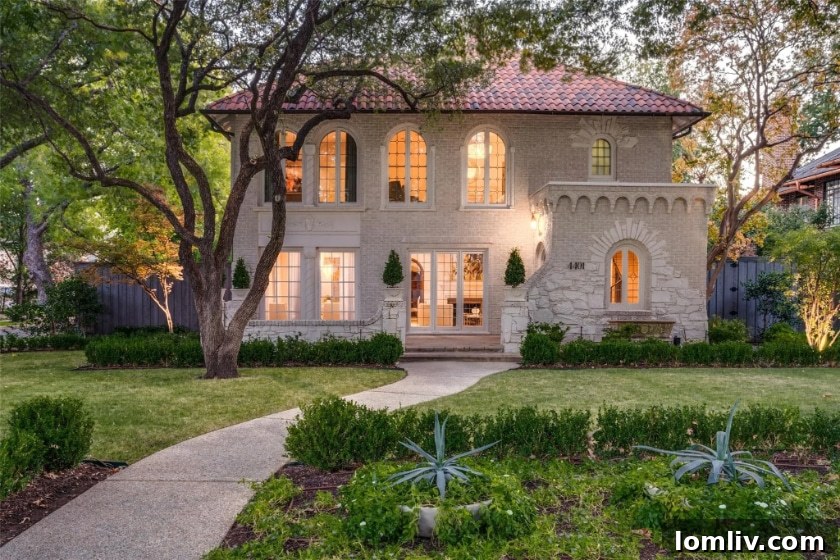
For more insights into the ongoing challenges facing historic homes in Dallas, including another instance of a landmarked property at risk, delve into our previous report: By the Time You Read This, Another Landmarked Historic Highland Park Home Will Bite the Dust.
The Indispensable Link: Historic Preservation and Environmental Sustainability
“The greenest building is … one that is already built.”
Carl Elefante FAIA FAPT, Principal Emeritus with Quinn Evans, a national design collective.
In the wake of increasingly frequent and severe weather events throughout 2023, global concerns about climate change have skyrocketed. A fundamental and undeniable realization has dawned upon us: preserving and adapting existing buildings significantly reduces the substantial carbon emissions associated with new construction. This practice directly contributes to combating climate change by minimizing the demand for new raw materials, reducing manufacturing and transportation emissions, and dramatically lessening the amount of construction and demolition waste sent to overflowing landfills.
Preservation architect Norman Alston powerfully emphasizes this crucial connection: “We don’t often think about architecture’s profound importance in the larger, widespread societal concern for sustainability, but it’s a well-documented fact that the embodied energy required to construct a new house will never offset the environmental impact of demolishing and replacing an existing structure. We are morally and practically obligated to make more effective use of our existing building stock. It’s a universally appealing issue to strive for better energy efficiency and overall sustainability in our built environment, and historic preservation is a cornerstone of this effort.”
The concept of “embodied energy” refers to the total energy consumed across the entire lifecycle of building materials: from extraction and manufacturing to transportation and installation, as well as the energy expended during the construction process itself. When an old building is torn down, all the embodied energy within its materials is essentially wasted, an irreplaceable loss. A new building, even if meticulously designed to be highly energy-efficient in its operational phase, comes with a substantial upfront carbon footprint from its initial construction. By choosing to renovate, restore, and adapt existing structures, we dramatically reduce this environmental impact, making historic preservation an indispensable pillar of genuinely sustainable development practices and a vital strategy for a healthier planet.
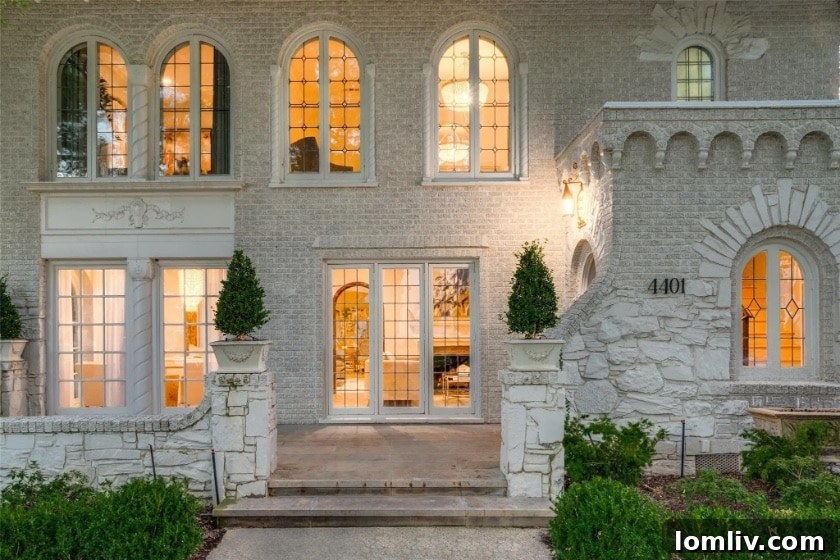
Demolishing Heritage: Killing The Goose That Laid The Golden Egg
Last month, social media erupted in widespread outrage over the tragic demolition of a rare Clifford D. Hutsell home in Lakewood. This unfortunate event ignited a fervent public discussion, with one central question resonating repeatedly across platforms: why would someone choose to move into a neighborhood specifically celebrated for its distinctive character, rich history, and architecturally significant homes, only to then tear one down? This perplexing paradox underscores a fundamental and damaging misunderstanding of what truly makes these communities so desirable and valuable.
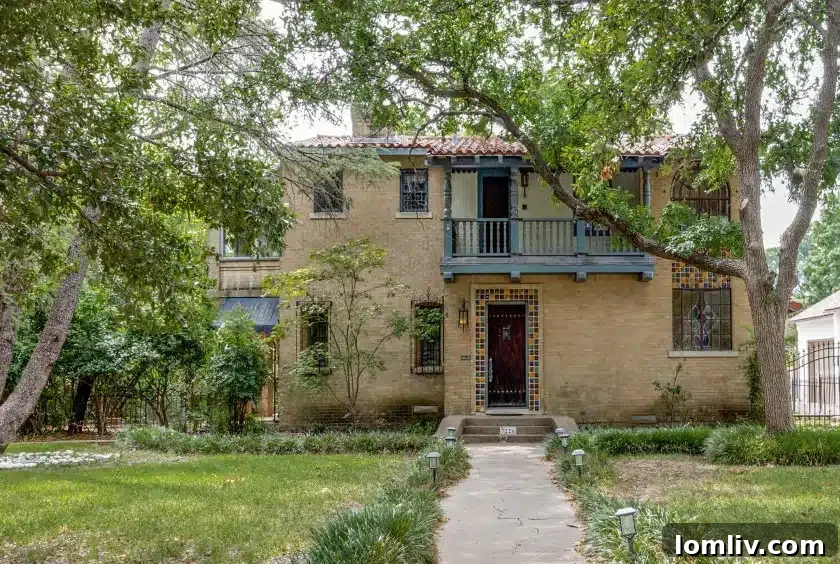
Ron Siebler articulates this point with profound insight: “When we discuss the inherent advantages of living in the core of a city, historic homes represent typically unique properties that simply cannot be replicated in newer, outlying developments. These are homes that, once gone, we can no longer acquire; their intrinsic value stems from being an authentic product of a specific time and place. This continuity with our past is profoundly important, forming the very essence of a community’s identity. We readily appreciate classic cars and historic paintings for their intrinsic and aesthetic value, yet we often tend to gloss over the immense significance of historic buildings, frequently viewing them primarily as mere financial investments. The authentic, irreplaceable experience of a vibrant city is intrinsically linked to its historic built environment.”
It is, indeed, counterintuitive and ultimately self-defeating to demolish a historic home within a neighborhood whose identity, charm, and appeal are inextricably tied to its historic architecture. When property owners and developers diminish the very reason a neighborhood became desirable in the first place—its unique character—they risk eroding its core value and long-term appeal. This practice is accurately described as “killing the goose that laid the golden egg”—destroying the fundamental source of what makes these areas uniquely appealing and valuable, ultimately harming the long-term desirability and property values for everyone who lives there.
The distinct architectural styles, mature landscaping, established community feel, and rich historical narratives of historic neighborhoods offer an unparalleled appeal that modern, newly developed subdivisions struggle to match. By removing a historic home, you are not merely replacing an old building; you are replacing a piece of the neighborhood’s soul, contributing to a bland uniformity that ultimately detracts from its overall charm and marketability. The unique stories embedded in these homes, the silent history they bear witness to, are part of the authentic experience that initially draws people in. To discard this irreplaceable character for generic new construction is to sacrifice enduring heritage for ephemeral trends, a trade-off that will undoubtedly be regretted in the years to come.
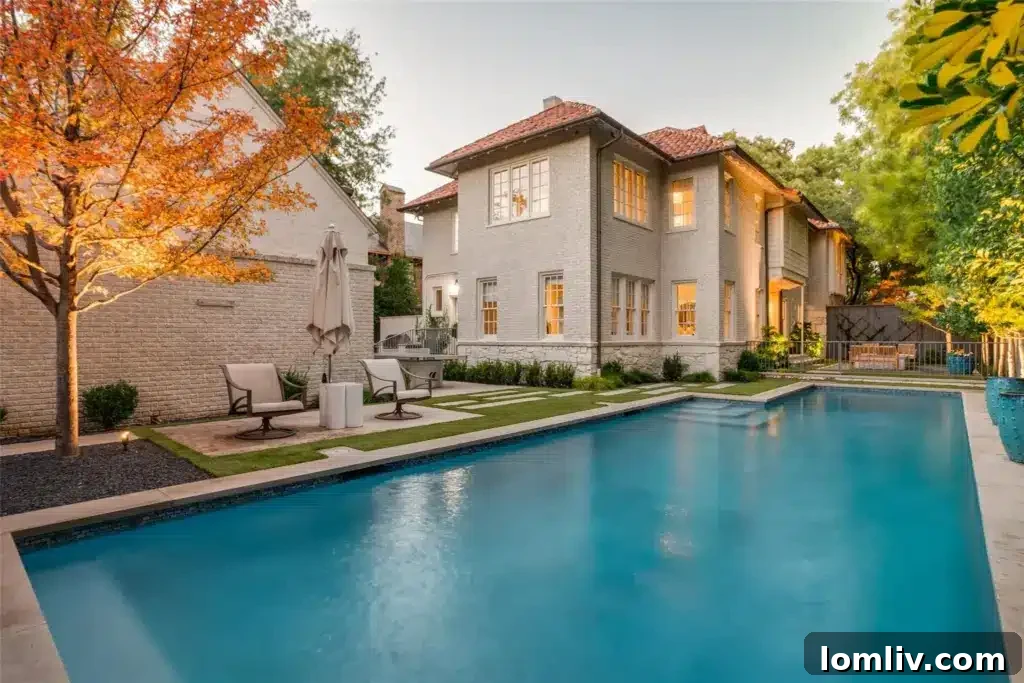
Addressing the Critical Gap: A Pervasive Lack of Education Regarding Architecturally Significant Homes
One of the most significant and persistent barriers to effective historic preservation in Dallas is a pervasive lack of public awareness and specialized education. Regrettably, many individuals, including new homeowners and even some real estate professionals, lack fundamental knowledge about the principles of historic preservation or, more crucially, where to turn for expert, reliable advice. This informational void often leads to costly mistakes, missed opportunities, and ultimately, irreversible losses of valuable architectural heritage.
The scenario frequently unfolds in a predictable and unfortunate manner: A new owner acquires a historic property and, in good faith, seeks advice from a casual acquaintance. This acquaintance might then recommend a friend who happens to be a general architect. This architect, while undoubtedly competent in modern design and construction, may view the historic structure primarily as a blank canvas for their own contemporary vision, often with the appealing prospect of a substantial new construction project. Consequently, the advice given to the new owner is frequently biased towards demolition, framed as the “easiest,” “quickest,” or “most cost-effective” option, simply because the architect lacks the specialized knowledge, resources, and appreciation required for sensitive and successful restoration.
As Ron Siebler insightfully observes, “A lot of times, people don’t truly understand the asset they are acquiring. They simply perceive an ‘old house’ riddled with potential problems, rather than a structure imbued with deep historical significance and inherent value. Most homeowners are not equipped to envision the transformative potential of a meticulously remodeled existing structure, and a completely new build is often presented as a quicker, less complicated solution compared to a comprehensive restoration project.” This fundamental lack of vision and understanding is a critical hurdle that must be overcome through targeted education and accessible expert guidance.
To ensure the longevity and respectful adaptation of architecturally significant homes, it is paramount to actively seek out experienced professionals who possess a genuine understanding of historic structures and the specific, highly specialized skill set required for authentic restoration. Historic neighborhoods are fundamentally different from their contemporary counterparts. When you invest in such an area, you are not merely purchasing a piece of real estate; you are buying into an entire ethos, a vibrant community with a rich past, and a distinct, irreplaceable identity. Therefore, it is absolutely critical to approach such a significant decision with thorough consideration and to secure the right, specialized guidance from the outset, safeguarding both your investment and our shared heritage.
Resources like Preservation Dallas serve as an excellent starting point for homeowners seeking comprehensive information, expert guidance, and connections to qualified preservation professionals. They offer invaluable insights into local preservation efforts, historical designations, and can direct you to architects, contractors, and artisans specializing in historic properties. Furthermore, never hesitate to reach out for personalized advice or recommendations; you can always send me an email for further assistance and to connect with the right experts. Protecting these architectural gems is a collective responsibility, and with proper education and guidance, we can ensure their future for generations to come, preserving the unique soul of Dallas.