Dallas’s Housing Crisis Ignites: The Reed Manor Fire and the Fight for Tenant Rights
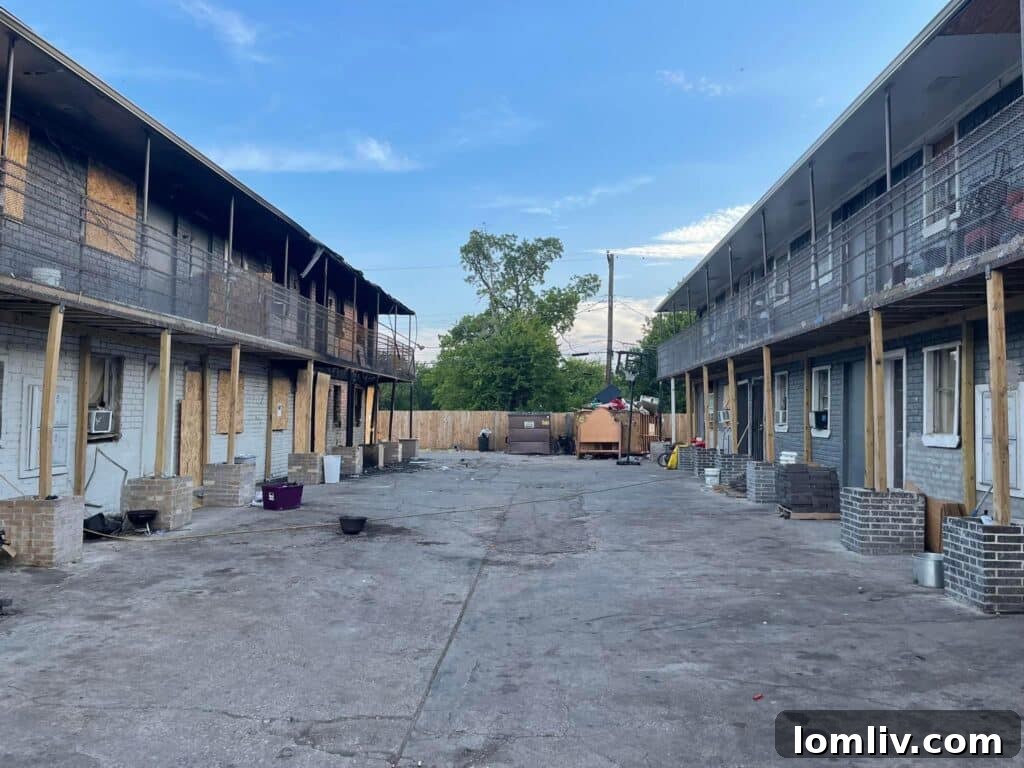
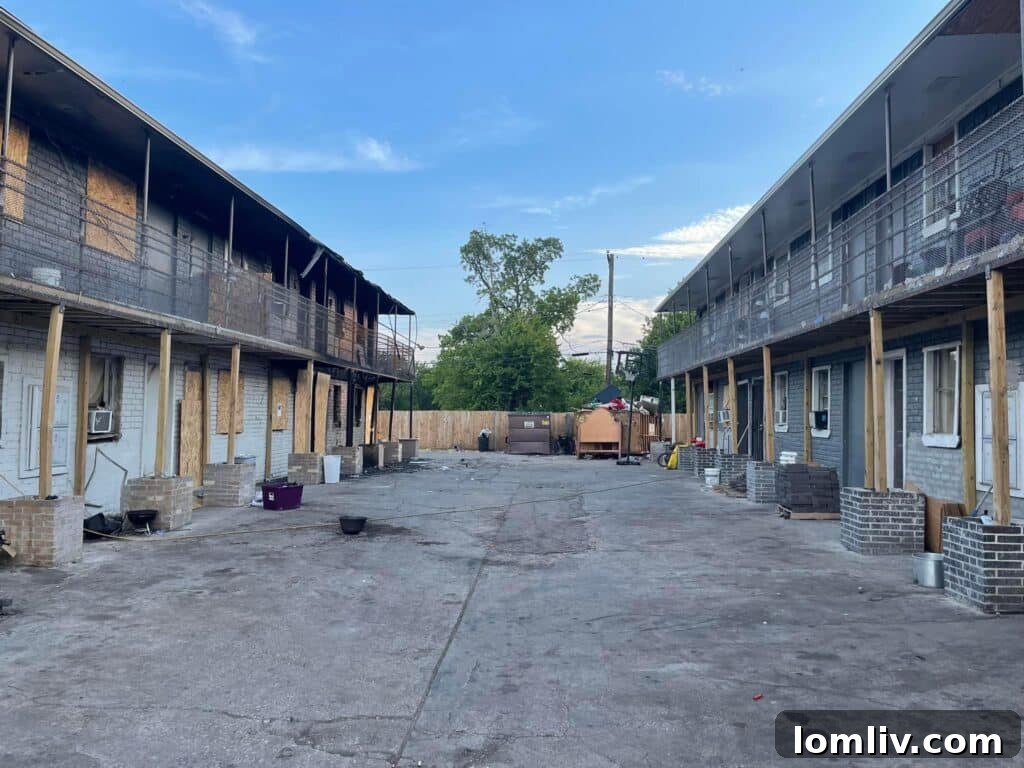
The night of July 18 marked a fiery climax in a long-standing public dispute over the fate of a notoriously substandard housing complex near Fair Park, known locally as Reed Manor. As flames engulfed parts of the Meyers Street property, casting a stark light on the deeply entrenched challenges of affordable and safe housing in Dallas, the incident brought an urgent demand for action from city officials and community advocates alike.
In the late hours of that fateful night, as the fire raged, a resident of the dilapidated development on Meyers Street immediately reached out to Dallas attorney Mark Melton. Alongside his wife, Lauren Melton, Mark has been a formidable force in the ongoing battle against unlawful evictions and a vocal proponent for systemic solutions. Their work includes advocating for robust minimum property standards and actively seeking comprehensive rehousing strategies for the city’s vulnerable populations.
The devastating blaze consumed four of the sixteen units within the complex, leaving several families without a home. Miraculously, no injuries were reported, a testament to what many describe as sheer luck given the perilous conditions of the property. Fire department officials have since stated that the cause of the fire remains undetermined, adding another layer of uncertainty to an already volatile situation. This incident, however, was not merely a standalone tragedy; it was a glaring symptom of a much broader problem plaguing Dallas’s low-income communities.
Immediate Aftermath: A Scramble for Shelter and Systemic Hurdles
In the pre-dawn hours of July 19, Lauren Melton, who serves as the CEO of the impactful Dallas Eviction Advocacy Center, and Mark Melton arrived on the scene. Their immediate priority was to assist the scores of residents who had just witnessed their homes go up in smoke. The harrowing experience of losing everything was compounded by the immediate challenges of finding temporary shelter and navigating bureaucratic hurdles.
Upon their arrival, the Meltons contacted the American Red Cross, hoping to secure emergency aid for the displaced families. An operator for the humanitarian organization offered cash cards for hotel rooms, but with a critical caveat: tenants needed to provide proof of residency. This seemingly standard requirement quickly exposed a harsh reality for many Reed Manor residents.
Mark Melton recounted the heartbreaking exchange in a social media post dated July 19. “I tried explaining that these folks didn’t have ID or leases or utility bills; they just made sure to have a money order on the third of each month and they were historically permitted to reside there,” he wrote. “There was nothing she could do under these circumstances. People without ID cannot be helped.” Melton’s words painted a vivid picture of the systemic barriers confronting those living on the fringes. He reflected on the operator’s voice, wondering if he “projected” regret onto it, as he grappled with the realization that, despite his best efforts, immediate, official help was inaccessible for many due to a lack of formal documentation. This incident underscored the dire need for flexible emergency response systems that cater to the unique vulnerabilities of informal tenants.

A Pre-existing Crisis: The Long History of Neglect at Meyers Street
The catastrophic fire at Reed Manor was not an isolated event but the culmination of years of neglect and persistent issues at the Meyers Street complex. For far too long, residents had endured appalling living conditions, ranging from severe structural and electrical problems to rampant criminal activity. Adding insult to injury, a previous landlord had notoriously attempted to evict residents who had faithfully paid their rent on time, showcasing a shocking disregard for tenant rights and basic human decency.
The City of Dallas was well aware of the multi-family development’s chronic problems. The complex had become a symbol of the city’s broader struggle with substandard housing. Mark Melton and his dedicated team of attorneys had previously intervened, saturating Justice of the Peace courtrooms on days when eviction dockets for Meyers Street were posted, effectively preventing numerous unlawful displacements. Their proactive legal advocacy provided a crucial lifeline for many families who would have otherwise been rendered homeless.
City Intervention: Lawsuits, Receivers, and Code Enforcement
In the weeks leading up to the fire, the city had taken more decisive action. A court-appointed “receiver” was assigned to oversee the Meyers Street complex, a measure typically enacted when property owners fail to address egregious violations. Jennifer Brown, Dallas’s manager of public information, informed Daltxrealestate.com earlier that month that numerous properties across the city fell far short of minimum property standards. Brown emphasized that the city had increased staffing for its multi-family property code enforcement team and allocated additional resources to focus on properties with severe violations and unethical business practices.
Detailing the city’s legal efforts, Brown stated in a July 14 interview, “The city filed a lawsuit against the [Reed Manor] property owner to address the outstanding code violations and ongoing criminal activity at the apartments at 2625 and 2627 Meyers Street.” This lawsuit aimed to compel the owner to rectify the dangerous conditions and implement crime prevention measures. When the property owner failed to comply, the court took the drastic step of appointing a receiver, effectively taking possession and control of the property. “The receiver is now responsible for abating both the outstanding code violations and ongoing criminal activity,” Brown confirmed, highlighting the city’s commitment to holding property owners accountable.
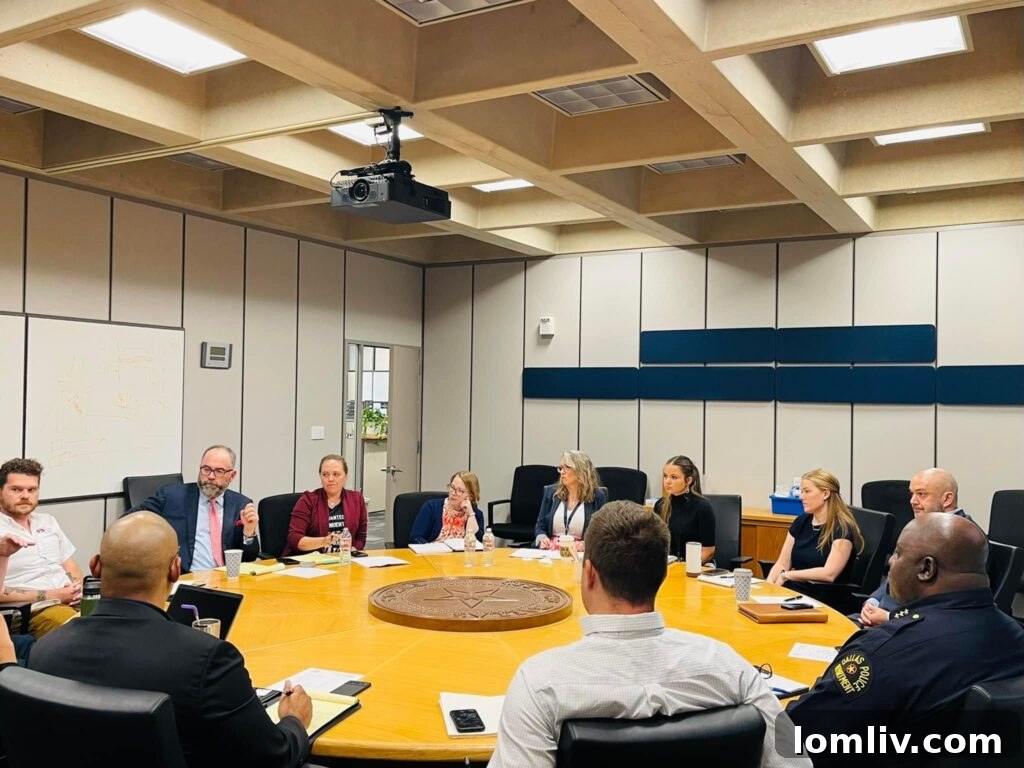
Beyond enforcement, city officials have also engaged in critical dialogues with Melton and representatives from other nonprofit agencies and stakeholders. These meetings have focused on the broader policy implications, particularly the urgent need to revise and strengthen minimum property standards across Dallas. As Melton posted on July 22, after one such meeting, “Today started with a meeting at City Hall with some of my favorite leaders in senior city staff. We convened to discuss public safety planning in multi-family properties, but all we talked about was emergency response systems and how we could do better. By the way, we need to have these conversations.” These discussions are vital for preventing similar tragedies and ensuring safer living conditions for all residents.
Mobilizing Support: Rehousing Efforts and Community Solidarity
In the immediate aftermath of the fire, the focus shifted from crisis management to long-term solutions. By the middle of the week following the blaze, thanks to an outpouring of donations from the compassionate public, many Reed Manor residents were successfully moved into temporary hotel accommodations. This swift response showcased the power of community solidarity in times of extreme need.
“An entire team of nonprofit professionals and city staff is now fully engaged in the business of rehousing every resident currently living at the property, including a full needs assessment to determine necessary wrap-around services,” Melton announced in a hopeful Facebook post. The comprehensive plan outlined by the advocacy groups involved moving residents’ belongings into storage facilities as soon as possible, followed by placing each resident in a hotel temporarily until suitable permanent housing could be identified. A significant challenge arose from residents’ reluctance to leave their property, fearing that their few remaining possessions would be stolen if left unattended. To address this, the Dallas Eviction Advocacy Center, along with other partner nonprofits, committed to covering essential costs such as moving expenses, security deposits, and first months’ rent, ensuring that these vulnerable individuals would not simply be “pushed into the street.”

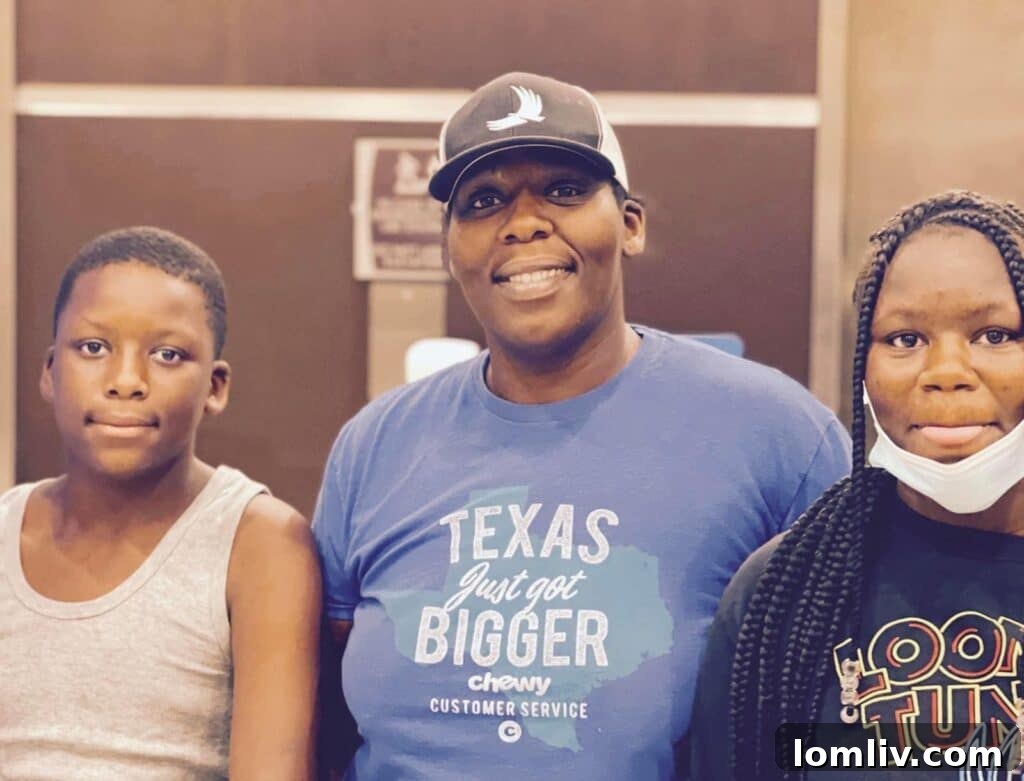
The following day, July 22, Melton reported a significant milestone: “42 souls” had been successfully rehoused into temporary shelter across four hotels. This monumental effort was made possible by the tireless work of numerous volunteers who offered their time, transportation, cash donations, clothing, and food. Melton has been deliberate in identifying those who stepped up to help, just as he has been in showing the faces and sharing the stories of those who were displaced, ensuring their humanity remains at the forefront of the narrative.
Reflecting on the emotional day, Melton shared a poignant observation on his Facebook page on July 22: “After we bused everyone to the safety of a hotel, I turned around. There was no one here. They were all gone. It felt cold in the stillness of the 100-degree heat.” He captured the duality of the moment, feeling “at once happy about the work we had all done today, with our many partners,” yet also profoundly “sad about a community I had come to know that was no longer here.” This sentiment encapsulates the bittersweet nature of emergency relief – providing immediate safety while acknowledging the loss of established community ties.
Looking Ahead: Addressing Dallas’s Systemic Housing Challenges
While the immediate crisis at Reed Manor has been addressed through temporary rehousing, the incident serves as a stark reminder of the long-term challenges facing Dallas residents with limited income and inadequate housing options. The Reed Manor fire has thrust the issue of substandard housing and its devastating consequences into the public spotlight, demanding sustained attention and systemic change.
The conversations initiated by the city and community leaders about revising minimum property standards are more critical than ever. This tragedy underscores the urgent need for stricter enforcement, proactive intervention, and comprehensive strategies to ensure that all residents have access to safe, dignified, and affordable housing. Dallas must move beyond reactive measures and implement policies that prevent such deplorable conditions from arising in the first place.
Mark Melton’s powerful call to action resonates deeply: “We need to do something about this — not tomorrow — as soon as possible.” He passionately reminds the community that these are not merely statistics but fellow human beings. “I get it. These aren’t the people we put on our marketing materials. But they’re our people. They’re mothers and fathers, brothers and sisters, and most importantly, our neighbors. And we owe them at least a little bit of humanity in their moment of need.” His words serve as a compelling plea for empathy, solidarity, and immediate, effective action to tackle Dallas’s enduring housing crisis, ensuring that no other community is left vulnerable to such a devastating fate.