Preston Center Skybridge Debate Postponed: What This Means for Dallas’s Urban Core
Today marks a significant development for Preston Center, one of Dallas’s most vital and dynamic mixed-use districts. The highly anticipated discussion and vote by the Dallas City Council on the proposed skybridge at Preston Center, originally scheduled for 1:00 PM, has been officially postponed. This decision, announced by Councilwoman Jennifer Gates, pushes the crucial debate to November, allowing more time for critical issues, particularly those surrounding Preston Center’s parking infrastructure, to be thoroughly addressed.
The proposed skybridge project has been a focal point of urban planning discussions in Dallas, sparking considerable public interest and robust debate among residents, businesses, and city officials. Its potential impact on pedestrian flow, traffic patterns, and the overall aesthetic of Preston Center makes this a decision with far-reaching consequences for the community. The delay underscores the complexity of urban development projects in established, high-density areas and highlights the city’s commitment to thoughtful, community-driven planning.
Councilwoman Gates’ Official Statement on the Postponement
Councilwoman Jennifer Gates shared her intention to file a motion for this delay, providing clarity on the rationale behind pushing back such an important agenda item. Her statement reflects a keen awareness of public sentiment and the intricate challenges facing Preston Center:
“I would like to share with you the motion I plan to make regarding addendum items #36 and #40 (skybridge in Preston Center), so you may plan accordingly. Based on the public input I have received, I have determined that these items need to be delayed until November. I am hopeful that this time will allow us to address the issues related to the parking garage in Preston Center. This motion will be made at the public hearing scheduled for this afternoon.
This statement confirms that the decision was not made lightly but was a direct response to comprehensive feedback from the community. The emphasis on utilizing this extended period to tackle the “issues related to the parking garage” signals that the skybridge proposal is inextricably linked to broader infrastructure concerns within Preston Center.
Understanding the Preston Center Skybridge Proposal
The concept of a skybridge at Preston Center is part of a larger vision to enhance connectivity and improve the pedestrian experience within this bustling district. Preston Center serves as a vibrant hub for commercial activity, upscale retail, and residential living. However, its success has also brought challenges, particularly concerning traffic congestion and parking availability.
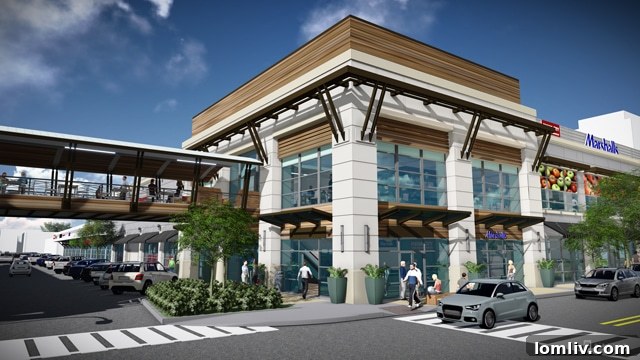
A skybridge aims to create elevated pedestrian pathways, allowing individuals to move between key buildings and retail spaces without navigating street-level traffic. Proponents argue that such a structure could significantly improve pedestrian safety, reduce ground-level vehicle and foot traffic conflicts, and foster a more walkable urban environment. It’s often seen as a modern solution for urban centers striving to balance vehicular access with pedestrian comfort and safety.
Potential Benefits and Community Concerns
While a skybridge offers compelling benefits like enhanced accessibility and a unique urban experience, it also raises important questions for the community. Residents and business owners often weigh the advantages of improved circulation against potential impacts on street-level retail vibrancy, aesthetic changes to the neighborhood skyline, and the overall character of Preston Center.
- Improved Pedestrian Flow: A primary goal is to alleviate congestion on sidewalks and at busy intersections, creating a safer and more pleasant experience for those traversing Preston Center on foot.
- Enhanced Connectivity: By linking various buildings, the skybridge could create a seamless network, making it easier for visitors and employees to access different amenities without needing to drive short distances.
- Economic Stimulation: Some believe improved connectivity could lead to increased foot traffic to businesses connected by the skybridge, potentially boosting local commerce.
- Aesthetic Impact: A significant concern revolves around how a new elevated structure might alter the visual landscape of Preston Center. The design, materials, and integration into existing architecture are crucial considerations.
- Street-Level Vibrancy: Critics sometimes worry that skybridges can draw pedestrians away from street level, potentially diminishing the vitality and walkability of ground-floor retail and public spaces.
- Accessibility for All: Ensuring that the skybridge is fully accessible to individuals with disabilities, incorporating ramps and elevators, is a fundamental aspect of inclusive urban design.
The postponement allows for a deeper dive into these nuanced considerations, ensuring that all facets of the project are thoroughly vetted before a definitive decision is made by the Dallas City Council.
The Critical Role of Preston Center’s Parking Infrastructure
Councilwoman Gates’ emphasis on “issues related to the parking garage in Preston Center” highlights a foundational challenge for this busy district. For years, parking has been a persistent concern in Preston Center, impacting everything from daily commutes for employees to weekend shopping trips for residents. Inadequate parking can deter visitors, frustrate local businesses, and contribute to overall traffic congestion as drivers circle for spaces.
Addressing parking issues is not merely about adding more spaces; it involves a comprehensive approach to urban mobility. This includes optimizing existing parking structures, exploring smart parking technologies, and integrating parking solutions with broader transportation strategies, potentially including public transit options and ride-sharing services. A new skybridge, while designed for pedestrian movement, can significantly influence how people access and navigate the district, making its relationship with parking infrastructure paramount.
Unpacking the Parking Complexities
The complexities surrounding Preston Center’s parking garage issues are multifaceted. They often involve:
- Capacity Constraints: The existing parking supply may simply not meet the demand generated by the district’s dense mix of offices, retail, and restaurants.
- Aging Infrastructure: Older parking garages may require significant upgrades or even replacement to meet modern safety and accessibility standards.
- Funding Mechanisms: Developing new parking solutions often requires substantial investment, raising questions about public versus private funding, potential partnerships, and long-term financial sustainability.
- Traffic Management: Poorly planned parking entrances and exits can exacerbate street-level traffic, creating bottlenecks and frustrating drivers.
- User Experience: The ease of finding, accessing, and paying for parking greatly impacts visitors’ overall experience and willingness to frequent Preston Center.
- Environmental Considerations: Sustainable parking solutions, including electric vehicle charging stations and green building practices for new structures, are increasingly important.
The delay provides an invaluable window for city planners, urban developers, and community stakeholders to collaboratively assess these parking challenges. It allows for detailed studies, public forums, and expert consultations aimed at crafting sustainable and effective solutions that complement any proposed pedestrian infrastructure, such as the skybridge.
Implications of the Postponement: A Chance for Refinement and Engagement
While a delay might initially seem like a setback, it is often a crucial opportunity for refinement, deeper analysis, and increased public engagement. For the Preston Center skybridge project, pushing the debate to November offers several key advantages:
- Enhanced Public Dialogue: More time allows for additional community meetings, workshops, and feedback sessions, ensuring that a broader range of voices is heard and considered. This can lead to more inclusive and widely accepted outcomes.
- Detailed Analysis and Revision: Planners and developers can use this period to conduct further studies, revise proposals based on initial feedback, and explore alternative designs or solutions that better address community concerns and technical challenges. This includes a more thorough assessment of traffic impacts, environmental considerations, and economic feasibility.
- Integrated Solutions: The explicit focus on parking garage issues means that the skybridge proposal can be re-evaluated within the context of a holistic transportation and urban planning strategy for Preston Center. This integration is vital for long-term success.
- Building Consensus: By patiently addressing concerns and demonstrating a commitment to transparency, the City Council can work towards building greater consensus among stakeholders, reducing potential friction and ensuring smoother implementation should the project move forward.
- Exploring Funding and Partnerships: Delays can also provide an opportunity to solidify funding models, explore public-private partnerships, and ensure the financial viability of any proposed developments.
This strategic pause reflects a commitment to responsible urban development, prioritizing thoughtful planning over rushed decisions. It underscores the democratic process inherent in city planning, where community input plays a pivotal role in shaping the future of Dallas’s neighborhoods.
The Future Vision for Preston Center
Preston Center is more than just a commercial district; it’s a vital part of Dallas’s fabric, balancing historical significance with future growth. The decisions made regarding infrastructure projects like the skybridge and parking solutions will significantly shape its character for decades to come. The ultimate goal is to create a Preston Center that is not only economically robust but also highly livable, accessible, and enjoyable for everyone.
Achieving this vision requires a delicate balance of innovation, historical preservation, and sustainable practices. Urban planners are constantly striving to create environments that are pedestrian-friendly, environmentally conscious, and resilient to future challenges. The current discussions around the skybridge and parking infrastructure are integral to this ongoing evolution.
As Dallas continues to grow, the importance of strategic urban planning in areas like Preston Center becomes ever more critical. The delay in the skybridge debate is not just about a single structure; it’s a testament to the city’s dedication to meticulous planning, robust community engagement, and ensuring that development serves the best interests of its residents and businesses. All eyes will now turn to November, when these crucial discussions will resume, hopefully leading to solutions that benefit Preston Center for years to come.