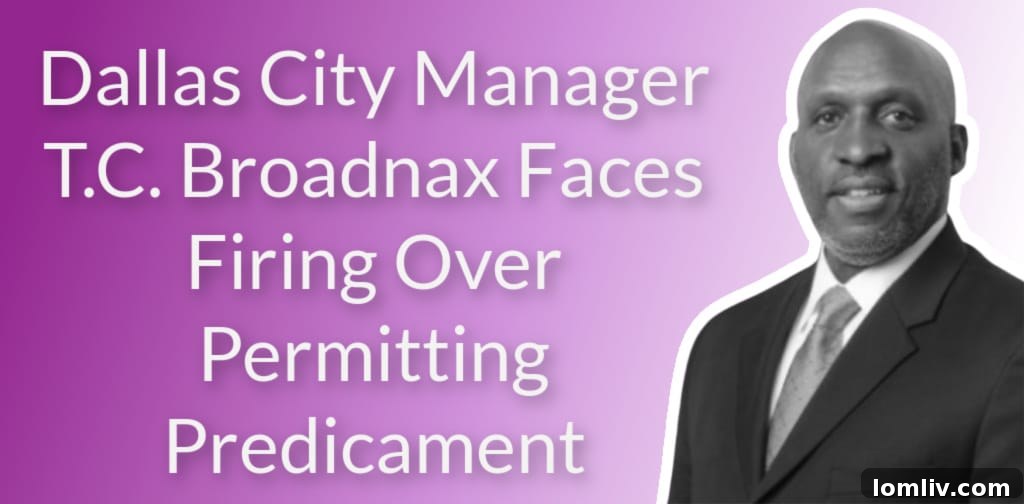
The political landscape in Dallas is charged with anticipation as the City Council prepares for a monumental decision that could reshape the city’s leadership. City Manager T.C. Broadnax, a central figure in Dallas governance since 2017, is facing intense scrutiny over his job performance, with his tenure potentially concluding as early as Wednesday. This critical juncture follows a series of high-profile challenges, most notably the highly criticized city permitting process and the alarming incident of deleted police files, which have cast a shadow over his administration.
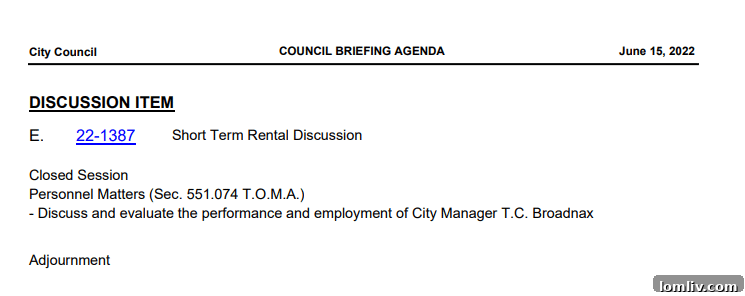
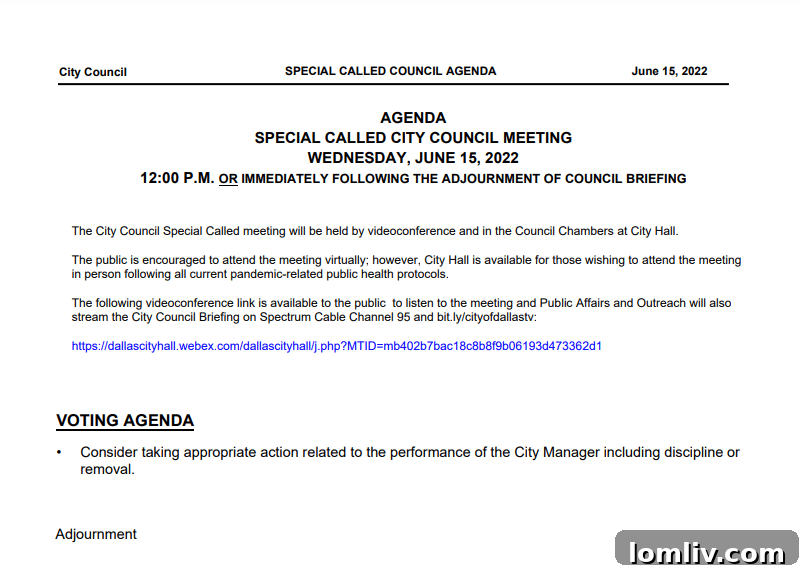
The Dallas City Council has meticulously scheduled a series of meetings to address these pressing concerns. A closed session, set for the conclusion of a regularly scheduled briefing at 9 a.m. on June 15th, will see council members delve into a comprehensive discussion of the city manager’s job performance. This will be immediately followed by a specially posted meeting at noon, or as soon as the briefing and executive session conclude. During this pivotal special meeting, the city’s governing body is poised to take definitive action regarding Broadnax’s employment status. Options on the table range from disciplinary measures to the ultimate decision of removal from his position. These crucial proceedings are slated to take place at Dallas City Hall and will be broadcast live, ensuring public access and transparency for all concerned citizens and stakeholders.
Mounting Challenges: Broadnax’s Tenure Under Fire
T.C. Broadnax arrived in Dallas in 2017, transitioning from his role as city manager of Tacoma, Washington, with a clear vision and a commitment to a “service first” philosophy. His public profile touts a “transformational leadership approach,” emphasizing enhanced transparency in public decision-making, data-driven resource allocation, and innovative solutions to deeply rooted, complex problems. As the chief executive of the ninth-largest municipality in America, Broadnax commands a vast operation, overseeing a workforce of 13,000 employees and managing an impressive $3.8 billion budget. His responsibilities are immense, encompassing virtually every aspect of city operations, from infrastructure and public safety to urban planning and community development.
However, the grand aspirations and the weight of his duties have recently been overshadowed by significant operational failures and controversies that have eroded public trust and raised serious questions about his leadership efficacy. One of the most glaring issues to surface involved the deletion of millions of critical police files by an IT employee at City Hall. Broadnax himself admitted to not initially grasping the severity of the warnings about this digital crisis. It wasn’t until months later, when the Dallas County District Attorney’s office uncovered that vital evidence crucial to criminal cases could be, or was, irrevocably lost, that the full gravity of the situation became apparent to him. This admission sparked widespread concern regarding internal communication, accountability, and the safeguarding of essential public records.

But the issues plaguing Broadnax’s administration truly gained momentum and public attention in 2020, amidst the height of the COVID-19 pandemic. It was then that the city’s building and development permitting process spiraled into disarray, leading to an astonishing backlog of over 1,000 permits. This bureaucratic bottleneck severely hampered builders and contractors, preventing them from completing projects in a timely manner and creating significant economic friction across the Dallas real estate market. The ripple effects were immediate and far-reaching, impacting everything from housing availability to job creation and local investment.

In response to the escalating crisis, Mayor Eric Johnson and several city council members engaged directly with the development community, organizing public hearings to solicit crucial feedback and brainstorm solutions. Developers, builders, and real estate professionals voiced their frustrations, highlighting the severe economic consequences of the delays. However, Broadnax’s initial response was perceived as dismissive; he seemed to downplay the extent of the delays, suggesting the issue was exaggerated by both the media and the development community, and attributing the criticism to “bad press.” City staffers at one point projected that the issues could be resolved within months, a promise that failed to materialize, exacerbating stakeholder frustration. Instead of taking ownership, Broadnax appeared to shift blame towards the city’s elected leaders, developers, and the media, implying they held unrealistic expectations.
The gravity of the permitting issue and its economic impact was starkly illustrated at a May 18th meeting. Broadnax was notably dismissive of the profound consequences stemming from the slow permitting process. He even disputed an estimate provided by Linda McMahon, the influential head of The Real Estate Council, a formidable North Texas commercial real estate advocacy group. McMahon asserted that the city was forfeiting a staggering $31 million in tax revenue for every three months of permitting delays. This substantial loss directly impacts the city’s ability to fund essential services and infrastructure, potentially placing increased pressure on property taxes for Dallas residents. The implication is clear: inefficient city processes have tangible, detrimental effects on the city’s financial health and its capacity to grow.
Phil Crone, the executive officer of the Dallas Builders Association – a key organization that works intimately with the permitting system – publicly stated last month that the crisis was a direct result of management shortcomings and a dysfunctional working environment within the city’s permitting department. Crone further elaborated in May, highlighting that “zoning is a mess in Dallas with hundreds of [planned developments] and other special districts that require many projects to have a meticulous review of often subjective items.” This complex regulatory environment, coupled with management failures, created a perfect storm for the permit backlog.
Speaking to Daltxrealestate.com just days before the council meeting, Crone provided a sobering update, confirming that the situation has regrettably seen no significant improvement. “The permitting situation still hasn’t gotten better more than two years since it became a crisis,” he lamented. He acknowledged that any positive strides made were largely due to the relentless insistence of the affected industry and proactive council members, who pushed for crucial measures such as the implementation of third-party plan reviewers and, critically, the filling of the building official position after it had remained vacant for a staggering 18 months. Despite the recent hiring of a new building official, which brings a sliver of optimism for a potential cultural shift within the department, Crone underscored the unacceptable duration and severity of the crisis. He firmly concluded, “As such, it is entirely appropriate for the city council to review the city manager’s performance in light of that.” This sentiment reflects a broader call for accountability for the sustained operational failures under Broadnax’s leadership.
The Political Calculus: Securing the Votes for Change
The path to removing T.C. Broadnax is a narrow one, requiring the support of a significant portion of the Dallas City Council. Specifically, eight of the 14 council representatives must cast their vote in favor of his removal for the motion to be approved. This high threshold underscores the political complexities and the need for a strong, unified stance among council members on an issue that divides the leadership.
In anticipation of this pivotal performance review, the city manager issued a public statement on Friday. While his statement acknowledged the upcoming performance review as a critical component of demonstrating progress and ensuring transparency for residents, taxpayers, and stakeholders, it conspicuously avoided any direct mention or acknowledgment of the possibility of his dismissal. “I am proud of the hard work which has led to accomplishment of many goals related to the City Council’s eight strategic priorities,” Broadnax stated, articulating his commitment to the “R.E.A.L. impact we continue to make to improve the lives of Dallas residents in ways that are responsible, equitable, accountable, and legitimate, together as One Dallas.” This message, framed around continuity and positive impact, appeared to be an attempt to reaffirm his dedication and highlight achievements amidst the swirling uncertainties about his future.
The city’s leadership is far from unanimous on the issue of Broadnax’s fate. Mayor Pro Tem Chad West did not immediately offer comment when contacted on Sunday, indicating the sensitivity and deliberation surrounding the decision. However, the positions of several other City Council members have become clearer. Four council members – Paul Ridley, Carolyn King Arnold, Jaime Resendez, and Omar Narvaez – have publicly informed NBC-5 that they will not support Broadnax’s removal. Narvaez, in particular, voiced suspicion regarding the timing of the proposed firing, suggesting potential political motivations behind the push for change. Adding to this support, District 11 City Councilwoman Jaynie Schultz expressed genuine surprise at the call for a special meeting. She unequivocally stated her support for Broadnax, going as far as to commend him as an “outstanding city manager” and acknowledging his instrumental support for her work within District 11. Schultz emphasized the importance of a structured process, stating, “I think he deserves the opportunity to have a procedure in place that would allow him to grow and improve and be measured upon those needed improvements.” This perspective highlights a desire for development and improvement over immediate removal, suggesting a faction within the council believes Broadnax can still effectively lead the city if given clear benchmarks and support.
The debate is not merely about leadership style or efficiency; it also touches on the financial implications of such a high-profile role. The Dallas City Manager, a position of immense responsibility and influence, commands an annual salary of $410,919. The potential cost of a buyout, severance packages, and the lengthy search for a replacement would undoubtedly add another layer of complexity to an already intricate decision for the Dallas City Council. This financial aspect, coupled with the ongoing operational challenges and the divided opinions among council members, makes the upcoming vote on T.C. Broadnax’s employment one of the most significant and closely watched decisions in recent Dallas political history. The outcome will not only determine the future of the city’s top administrator but also send a powerful message about accountability, leadership, and the direction of Dallas’s growth and development for years to come.
The potential for a change in leadership at this level carries significant weight, impacting everything from major infrastructure projects to daily city services and the overall morale of the extensive city workforce. A new city manager would inherit the lingering issues of the permitting crisis and the need to restore confidence in the city’s IT security and data management. Conversely, Broadnax’s retention would necessitate a clear mandate for improvement, with strict accountability measures to address the systemic problems that have come to light. The eyes of Dallas residents, businesses, and the wider real estate and development communities will be fixed on City Hall, awaiting a decision that will undoubtedly shape the city’s trajectory.