Dallas-Fort Worth Apartment Market Defies Expectations: Resilience, Growth, and Stability
In an era marked by unprecedented economic uncertainty and widespread predictions of distress, the Dallas-Fort Worth (D-FW) apartment industry has not only weathered the storm but emerged as a beacon of stability and growth. While many anticipated a wave of evictions and rental delinquencies due to the pandemic’s impact, the D-FW market has consistently outperformed national averages, showcasing remarkable resilience. This comprehensive analysis delves into the factors contributing to D-FW’s robust performance, examining rent payment trends, soaring demand, prolific construction, and nuanced rental price dynamics across the metroplex.
The Unwavering Stability of Rent Payments in D-FW
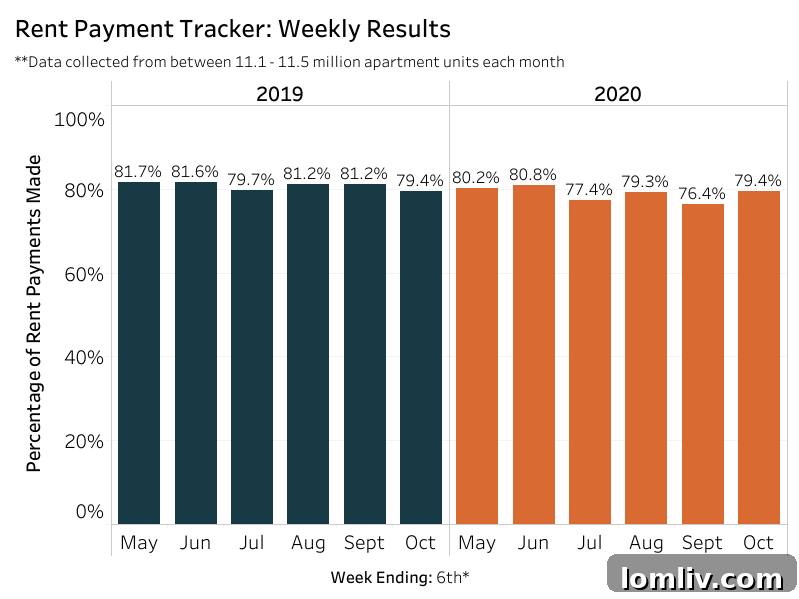
One of the most compelling indicators of the D-FW apartment market’s strength is its exceptional rent payment record. Contrary to dire forecasts, residents in the Dallas-Fort Worth area have largely maintained their financial commitments. Data from the National Multifamily Housing Council’s (NMHC) Rent Payment Tracker reveals that an impressive more than 87 percent of D-FW apartment households made a full or partial rent payment on time. This figure stands in stark contrast to the national average, where only 79.4 percent of households had made their October payment by the 6th of the month.
This significant disparity highlights the underlying economic health and stability of the D-FW region. The NMHC payment tracker diligently analyzes a diverse range of market-rate rental properties across the United States, considering variations in size, type, and average rental price. The consistent on-time payment rate in D-FW reflects a robust employment market, diverse economic sectors, and a strong sense of financial responsibility among its residents. This stability provides a solid foundation for property owners and investors, making the D-FW apartment sector particularly attractive in a fluctuating national landscape. The ability of residents to meet their obligations underscores confidence in the regional economy and a commitment to maintaining housing stability, even during challenging times.
Dallas-Fort Worth: A Powerhouse for Apartment Demand and Construction
Beyond timely rent payments, the Dallas-Fort Worth metroplex continues to cement its reputation as a national leader in both apartment demand and new construction. The region’s dynamic growth trajectory, fueled by a booming job market and continuous corporate relocations, has created an insatiable appetite for housing. While the overall housing inventory struggles to keep pace with this surging demand, the apartment construction sector in D-FW is thriving, actively working to bridge the supply-demand gap.
According to insights from RealPage, D-FW dominated the country in apartment demand during the third quarter, registering an remarkable quarterly increase of 8,957 occupied units. This leading position is not a new phenomenon; Dallas-Fort Worth has consistently attracted new residents and businesses, driving sustained demand for high-quality rental housing. This demand isn’t just for new units; it spans across various price points and property types, from urban luxury apartments to more suburban, family-friendly complexes.
Furthermore, D-FW continues to lead the nation in apartment construction by a significant margin. The sheer scale of ongoing development is staggering, with a total of 40,349 units currently under construction. This massive investment in multifamily housing underscores the long-term confidence in the D-FW market’s growth potential. Developers are responding to the clear signal of strong demand, ensuring a steady pipeline of new housing options for the influx of new residents. This robust construction activity is crucial for maintaining a balanced market and preventing dramatic spikes in rental prices, even amidst high demand. It also reflects a proactive approach to urban planning and development that supports sustained economic expansion.
Navigating Rental Price Trends Across the D-FW Metroplex
Despite the high demand and construction activity, apartment rents in the D-FW area have largely remained stable, exhibiting controlled growth. This stability offers a welcome reprieve for renters and indicates a healthy market equilibrium. The monthly rent increases for one-bedroom apartments listed in Zumper’s Dallas Metro Report were notably less than 2 percent. This moderate growth rate is particularly impressive when considering the dynamic market conditions and strong population influx.
Zumper’s analysis, which encompasses active listings in September across 21 D-FW cities, provides valuable insights into the most and least expensive areas, as well as cities experiencing the fastest-growing rents. The median rent for a one-bedroom apartment across Texas last month stood at $953. To put this in perspective, RealPage’s third-quarter data shows the nation’s average monthly rent for a one-bedroom unit at a significantly higher $1,419. This comparison further underscores the relative affordability and value proposition that the Texas, and specifically the D-FW, rental market offers to residents.
Analyzing rental price trends in detail is crucial for both prospective renters and investors. The sustained affordability relative to national averages, combined with robust economic growth, makes D-FW an attractive destination for individuals and families seeking new opportunities without the prohibitive housing costs seen in many other major U.S. metropolitan areas. This balance of growth and relative affordability is a key component of D-FW’s enduring appeal.
A Closer Look at D-FW’s Rental Hotspots and Affordability Pockets
Delving deeper into Zumper’s findings reveals distinct patterns in rental pricing across the D-FW metroplex. Certain cities command higher rents, reflecting factors such as amenities, school districts, proximity to employment hubs, and overall lifestyle offerings. According to Zumper, Grapevine emerged as the most expensive city for one-bedroom apartments, with an average price of $1,280. Following closely, Frisco and Dallas were tied for second place at $1,250. These cities are often characterized by their vibrant downtowns, upscale amenities, excellent schools, and strong community infrastructure, making them highly desirable locations for a specific demographic of renters.
Conversely, the D-FW market also offers more accessible and affordable options. Mesquite and Arlington were tied for the most affordable cities, with one-bedroom apartments priced at an average of $890. These areas often appeal to renters seeking more value for their money, potentially with slightly longer commutes or a preference for a more suburban, laid-back environment. The diverse range of pricing across the metroplex ensures that D-FW can cater to a wide spectrum of budgets and lifestyle preferences, from premium urban living to more budget-friendly suburban options.
Understanding Year-over-Year Rental Dynamics: Shifting Preferences
Examining year-over-year changes provides critical insights into evolving renter preferences and market adjustments. While many areas maintained stability or saw modest increases, some cities experienced more significant shifts. Fort Worth and Irving, for instance, saw an 8 percent decrease in rental prices year-over-year. In contrast, Bedford experienced an increase of over 8 percent.
A spokeswoman for Zumper attributed Bedford’s notable increase to the relatively low number of rental units available in the city, indicating that limited supply can drive up prices even in smaller markets. The declines observed in Fort Worth and Irving, however, were linked to a broader trend of renters migrating to suburbs in search of more space and enhanced affordability. This shift became particularly pronounced during the coronavirus pandemic, as remote work options and a desire for larger living areas spurred many to reconsider dense urban environments in favor of more spacious suburban settings.
This dynamic highlights a significant trend accelerated by the pandemic: the prioritization of space and value. As individuals spend more time at home, the demand for extra bedrooms for home offices, larger living areas, or private outdoor spaces has grown. This has led to a redistribution of rental demand across the metroplex, benefiting some suburban areas while putting slight downward pressure on prices in more established urban cores. Beyond one-bedroom units, D-FW two-bedroom units also saw an increase of 3 percent, reaching an average of $1,740, indicating a broader trend towards larger living spaces.
The Future Outlook for the D-FW Apartment Market
The Dallas-Fort Worth apartment market’s performance throughout recent economic turbulences paints a clear picture of its resilience and enduring appeal. With high rent payment rates, unparalleled demand, aggressive construction efforts, and generally stable rental prices, D-FW continues to be a prime destination for residents and investors alike. The metroplex’s diversified economy, continuous job growth, and status as a hub for corporate relocations underpin its sustained strength.
Looking ahead, the D-FW apartment market is poised for continued growth. While the shift towards suburban living might continue to influence certain submarkets, the overall health of the region ensures robust demand across the board. Developers are likely to continue focusing on both urban infill projects and large-scale suburban communities, catering to a wide range of renter needs and preferences. Investors can expect sustained returns, while residents can anticipate a dynamic market with diverse housing options. The D-FW apartment market is not just surviving; it’s thriving, setting a benchmark for urban resilience and economic dynamism in the national real estate landscape.