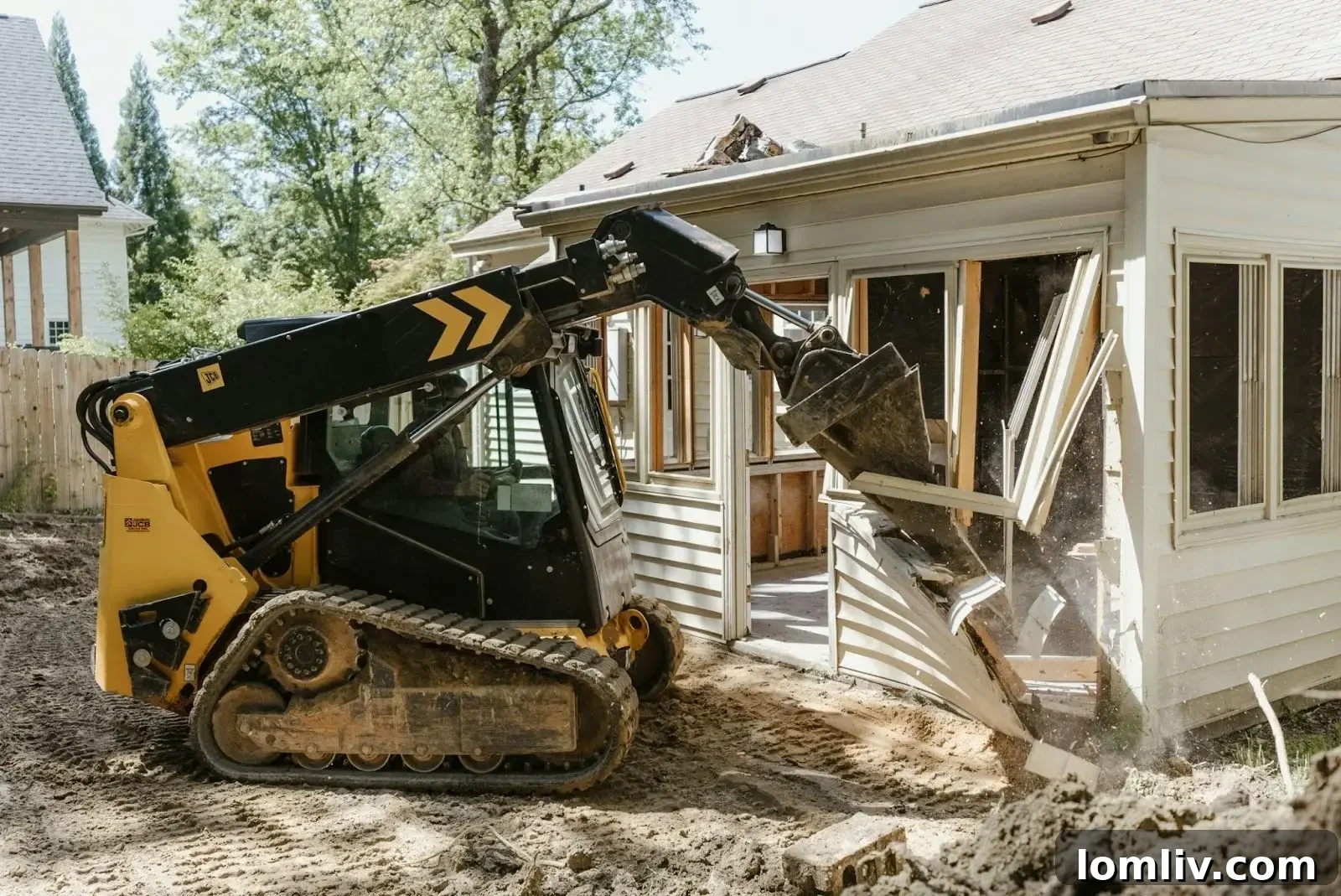
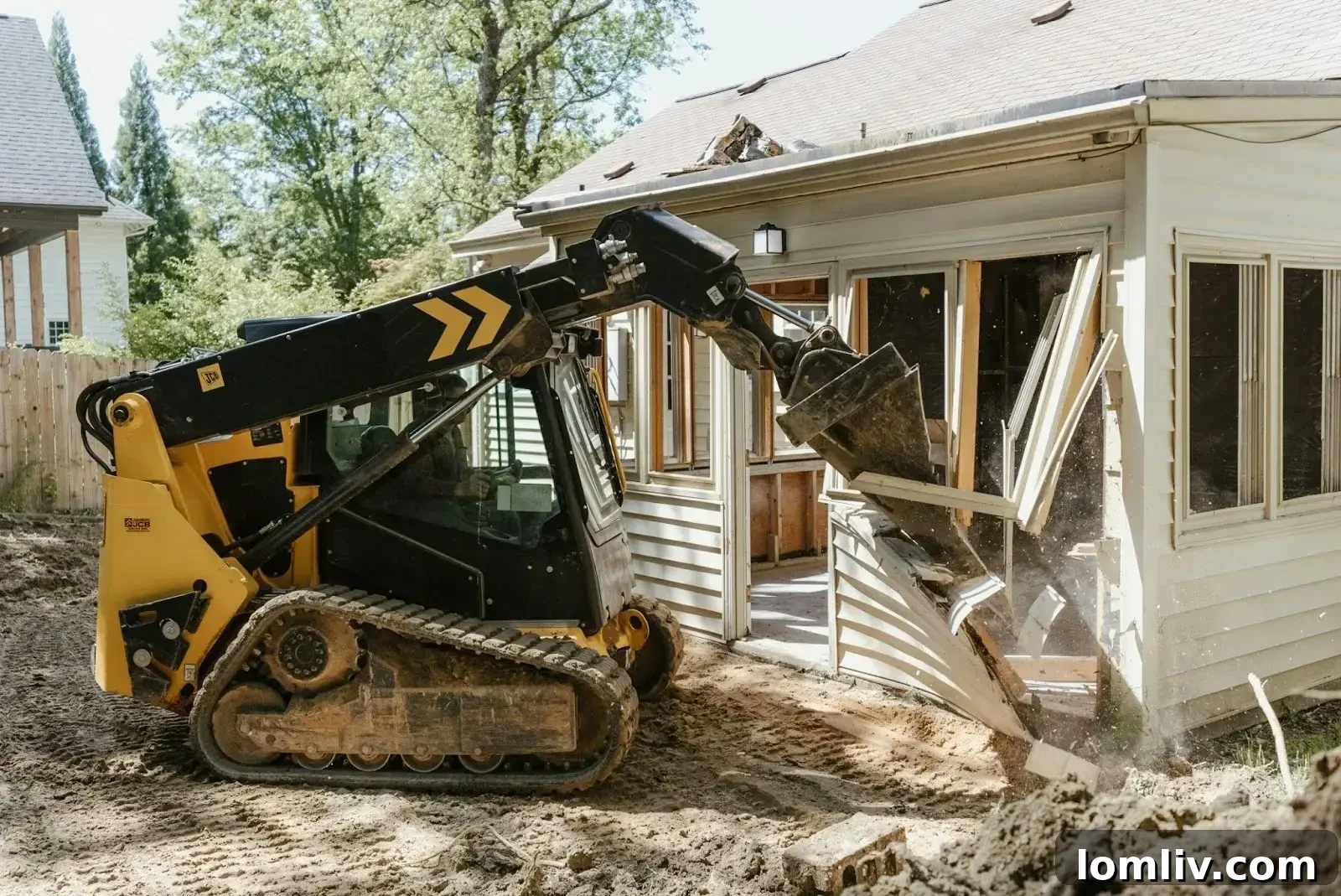
In today’s dynamic and often challenging real estate landscape, characterized by escalating home prices and dwindling inventory, many prospective homebuyers and savvy real estate investors are actively seeking more accessible entry points into homeownership. While move-in ready properties command premium prices, a growing number of individuals are turning their attention to a promising alternative: fixer-upper homes. These properties, which require a significant amount of tender loving care (TLC) and renovation, offer a unique opportunity to create a personalized dream home at a potentially lower initial cost. This comprehensive guide delves into the multifaceted world of fixer-uppers, exploring both the compelling advantages and the significant challenges they present, helping you make an informed decision about whether this path is right for your homeownership or investment goals.
The Enticing Advantages of Buying a Fixer-Upper
Purchasing a house that needs work might seem daunting, but it comes with a plethora of attractive benefits that can lead to significant financial returns and deep personal satisfaction. From affordability to unparalleled customization, fixer-uppers offer a unique proposition in the competitive real estate market.
Significantly Lower Upfront Costs
One of the most compelling reasons to consider a fixer-upper is the substantially reduced initial purchase price. These homes are typically listed well below the market value of comparable, move-in ready properties in the same neighborhood. This affordability translates into a lower down payment and a smaller mortgage loan, making homeownership more attainable for first-time buyers or those with a more constrained budget. The savings on the purchase price can then be strategically allocated towards necessary renovations, allowing buyers to acquire a property in a desirable location that might otherwise be out of reach.
Unleashing Customization and Personalization
Unlike pre-designed, move-in ready homes that often come with pre-selected finishes and layouts, a fixer-upper provides a blank canvas for your imagination. This is where you truly get to imprint your personality and lifestyle onto your living space. From selecting every tile and paint color to redesigning entire floor plans, you have the freedom to personalize every aspect of your home. This level of customization ensures that the final product is not just a house, but an authentic reflection of your unique taste, needs, and vision, creating a truly bespoke living environment that perfectly suits you and your family.
Unlocking Substantial Home Equity and Value Increase
Investing in a fixer-upper can be an exceptionally smart financial move, offering tremendous potential for building home equity and increasing property value. By thoughtfully undertaking renovations and improvements, especially in high-impact areas like kitchens, bathrooms, and exterior curb appeal, you can significantly enhance the property’s market worth. This “forced appreciation” allows homeowners to create value through their efforts, often resulting in a substantial return on investment (ROI) when it’s time to sell. For long-term investors, this strategy can yield impressive financial gains, turning a neglected property into a valuable asset.
Reduced Competition in a Tight Market
In a fiercely competitive real estate market, move-in ready homes often spark intense bidding wars and quick sales. Fixer-uppers, however, tend to attract a smaller pool of buyers who are either daunted by the renovation process or lack the vision to see the property’s potential. This reduced competition provides a significant advantage for prepared buyers. You often have more leverage in negotiations, potentially securing a lower purchase price and more favorable terms with the seller. This can be particularly beneficial for first-time homebuyers looking to avoid the stress and disappointment of being outbid.
The Satisfaction of Creating Something New
Beyond the financial incentives, there’s immense personal satisfaction in transforming a rundown property into a beautiful and functional home. For many, the journey of renovation is a rewarding creative endeavor. Whether you’re a hands-on DIY enthusiast or someone who enjoys overseeing a project, seeing your vision come to life, brick by brick, can be incredibly fulfilling. It’s an opportunity to learn new skills, problem-solve, and ultimately craft a space that is truly yours, built with your effort and dedication.
The Potential Pitfalls and Challenges of Fixer-Uppers
While the allure of a personalized, high-value home built on a budget is strong, it’s crucial to approach fixer-uppers with a realistic understanding of the potential downsides. Renovating a home is a complex undertaking, and a significant portion of homeowners, as highlighted by a National Association of Realtors survey, would rather relocate than tackle extensive home improvements. In fact, 35% indicated a preference for moving over renovating, underscoring the challenges involved. Let’s explore these challenges in detail.
The Specter of Unforeseen Expenses
The most common and often financially debilitating pitfall of buying a fixer-upper is the discovery of unexpected problems and subsequent expenses. While a professional home inspection can reveal many issues, some significant problems remain hidden until demolition or major work begins. These can range from critical plumbing leaks, outdated electrical systems, and HVAC failures to serious structural defects like foundation cracks or roof damage. Addressing these issues can quickly inflate your budget and derail your renovation timeline. It is absolutely essential to allocate a substantial contingency fund, typically 15-20% of your estimated renovation costs, to absorb these inevitable surprises.
Extensive Time-Consuming Renovations
Renovating a fixer-upper is rarely a quick process. Even seemingly straightforward projects can encounter delays due to material shortages, contractor availability, inclement weather, or permit complications. These delays can push back your move-in date significantly, leaving you in temporary housing for longer than anticipated. Managing multiple contractors, overseeing progress, and making countless design decisions requires a substantial time commitment. For those with demanding jobs or tight deadlines, the extended timeline and constant decision-making can become a major source of frustration and stress.
Managing Stress and Maintaining Well-being
The renovation journey can take a considerable toll on mental well-being and personal relationships. Coordinating various tradespeople, navigating unexpected problems, making financial decisions under pressure, and potentially living in a construction zone can be incredibly stressful. Decision fatigue is common, as every detail, from doorknobs to floor plans, requires your input. This high-pressure environment can strain relationships with family members or partners, who are also impacted by the disruption. It’s crucial to honestly assess your capacity for stress management and project oversight before committing to such an undertaking.
Navigating Mold and Other Environmental Risks
Older properties, which often comprise the majority of fixer-uppers, frequently harbor hidden health and safety hazards. Mold issues, often stemming from long-term water leaks or poor ventilation, can pose serious respiratory and health risks if left unaddressed. Beyond mold, properties built before 1978 may contain lead-based paint, and those built before 1980 could have asbestos-containing materials. Both require specialized and costly removal or encapsulation procedures to ensure safety. Old, faulty electrical wiring, inefficient or damaged HVAC systems, and even pest infestations are other potential issues that add to the complexity and cost of renovation. A thorough and specialized inspection is paramount to uncover these lurking dangers.
The Challenges of Living in a Construction Zone
Unless you have the luxury of living elsewhere during the entire renovation, you’ll likely face the reality of living in a construction zone. This means enduring noise, dust, lack of privacy, limited access to certain parts of your home, and temporary disruptions to essential services like water or electricity. This can be particularly challenging for families with young children or those who work from home. The daily inconvenience and disruption can make even minor tasks feel monumental, testing your patience and resilience over an extended period.
Risk of Over-Improving for the Neighborhood
While home improvements generally increase value, there’s a point of diminishing returns known as “over-improving.” This occurs when you invest more in renovations than the surrounding properties and local market can support. Even if your home is magnificently remodeled, its resale value will ultimately be capped by the “ceiling” of the neighborhood’s average home values. Researching comparable sales and understanding the local real estate market is vital to ensure your renovation budget aligns with the potential return, preventing you from sinking money into improvements that won’t be recouped.
Comprehensive Financing Options for Your Fixer-Upper
Securing adequate financing is a critical step in turning a fixer-upper into your dream home. Fortunately, there are several specialized loan programs designed to help buyers finance both the purchase and renovation costs within a single mortgage. Understanding these options is key to choosing the most suitable path for your financial situation and renovation goals.
Traditional mortgages are typically designed for move-in ready homes, but specialized renovation loans bridge the gap, allowing you to roll the cost of repairs and upgrades into your home loan. This means you only have one monthly mortgage payment, simplifying your finances. Here are the primary financing avenues:
FHA 203(k) Renovation Loans
Backed by the Federal Housing Administration, FHA 203(k) loans are popular for fixer-uppers due to their lenient credit requirements and low down payment options. There are two types: the Standard 203(k) for major structural repairs and extensive renovations, and the Streamline 203(k) for simpler, non-structural cosmetic updates. These loans allow you to finance both the purchase price and the renovation costs, up to a certain limit, into one mortgage. This makes them an excellent choice for properties that need significant work to meet FHA’s minimum living standards.
Fannie Mae HomeStyle Renovation Mortgage
The HomeStyle Renovation Mortgage is a conventional loan product offered through Fannie Mae. It offers more flexibility than the FHA 203(k) in terms of eligible properties and renovation types. There are no limits on the type of renovations, as long as they are permanently affixed to the property and add value. This loan typically requires a higher credit score and down payment than FHA loans but offers greater freedom in project scope, from minor cosmetic upgrades to luxury additions like swimming pools, provided they are permanent improvements.
VA Renovation Loans
For eligible veterans and service members, VA loans are known for their zero down payment requirement. While there isn’t a specific VA renovation loan like the FHA 203(k), veterans can utilize a standard VA loan to purchase a property and then obtain a separate home equity loan, personal loan, or even a construction loan for the renovation work. It’s essential to work with a lender experienced in VA financing to explore all available options for both purchase and improvement.
Traditional Mortgage with Supplemental Financing
Another approach is to secure a conventional mortgage for the property’s purchase and then fund the renovations separately. Options for supplemental financing include personal loans, which offer quick access to funds but often come with higher interest rates and shorter repayment terms. Alternatively, if you already own another property with sufficient equity, a Home Equity Line of Credit (HELOC) or a Home Equity Loan could provide renovation funds at more favorable rates. Cash-out refinancing on the newly purchased property might also be an option once some equity has been established through initial improvements. Each option has its own set of advantages and disadvantages regarding interest rates, repayment periods, and eligibility criteria, necessitating careful evaluation of your financial situation.
Key Considerations Before Investing in a Fixer-Upper
Before diving into the exciting yet challenging world of fixer-uppers, a thorough evaluation of several critical factors is essential. Careful planning and due diligence will significantly impact your renovation experience and the ultimate success of your investment.
- Develop a Comprehensive Budget and Contingency Plan: Beyond the purchase price, you must meticulously estimate all renovation costs, including materials, labor, permits, and architectural fees. Gather detailed quotes from multiple contractors to ensure accuracy. Crucially, always factor in a contingency fund of at least 15-20% of your total renovation budget. This financial cushion is vital for covering unforeseen expenses that inevitably arise during major projects, safeguarding your financial stability and preventing project derailment.
- Realistically Assess Your Skills, Time, and Patience: Honestly evaluate your capacity for a renovation project. Are you planning to tackle significant DIY work, or will you rely solely on professionals? If doing it yourself, consider if you have the necessary skills, tools, and, most importantly, the time and patience required for potentially months or even years of work. If hiring professionals, assess your ability to manage contractors, oversee timelines, and make quick decisions. A fixer-upper demands significant emotional and time investment, so be prepared for a marathon, not a sprint.
- Conduct a Thorough and Specialized Home Inspection: Never skip a detailed home inspection. While a standard inspection is a good start, consider specialized inspections for older or heavily damaged properties. This may include a structural engineer to assess foundational integrity, an HVAC specialist, a roofer, an electrician, and a mold or asbestos expert. These professionals can uncover hidden issues that might be missed by a general inspector, providing crucial information for negotiation and budgeting. Use the inspection report as a powerful tool in your negotiations with the seller, potentially reducing the purchase price or requesting specific repairs.
- Prioritize Location and Resale Value: The adage “location, location, location” remains paramount, especially for a fixer-upper. Even with extensive renovations, a home’s value is ultimately influenced by its neighborhood. Research local property values, school districts, amenities, and future development plans. Ensure that your planned renovations will align with the market values in the area to avoid over-improving the property and exceeding the neighborhood’s ceiling value, which could hinder future resale potential.
- Understand Local Building Codes and Permit Requirements: Before drawing up any plans, familiarize yourself with your local municipality’s building codes, zoning laws, and permit requirements. Many structural changes, electrical work, plumbing modifications, and even some cosmetic updates require permits. Failing to obtain necessary permits can lead to costly fines, project delays, or even the forced demolition of unapproved work. Consulting with local authorities or an experienced contractor early on can save significant headaches and expenses down the line.
- Assemble a Reliable Team of Professionals: Unless you possess extensive renovation expertise, you’ll need a trusted team. This includes a knowledgeable real estate agent experienced with fixer-uppers, a reputable general contractor, and potentially an architect or designer. Take the time to interview multiple candidates, check references, review portfolios, and ensure clear communication and chemistry. A strong, reliable team is indispensable for keeping your project on track, within budget, and to a high standard of quality.
By diligently addressing these considerations, you will significantly mitigate risks and embark on your fixer-upper journey with greater confidence and preparedness. Avoiding critical mistakes upfront can save you from significant financial stress and regret down the road, ensuring your investment is both sound and rewarding.
Conclusion
The decision to purchase a fixer-upper represents a significant undertaking, offering a unique blend of exciting opportunities and formidable challenges for both first-time homebuyers and seasoned real estate investors. It’s a path that promises the reward of creating a truly bespoke home and the potential for substantial equity growth, often at a more accessible initial cost. However, this journey demands careful consideration of unforeseen expenses, extensive time commitments, the inherent stresses of renovation, and the potential for uncovering hidden property hazards.
To navigate this complex landscape successfully, it is paramount to conduct thorough due diligence. This includes meticulously budgeting with a robust contingency fund, realistically assessing your personal time and skill commitment, and securing comprehensive professional home inspections. Furthermore, understanding the nuances of specialized renovation financing and assembling a reliable team of experts are crucial steps toward transforming a neglected property into a vibrant, personalized living space. By weighing the advantages against the disadvantages, aligning your decision with your financial goals and personal capacity, and approaching the project with adequate preparation and a realistic outlook, venturing into a fixer-upper can indeed lead to the creation of an exquisite abode that perfectly epitomizes your aesthetic taste while simultaneously constituting a sound and rewarding investment for years to come.