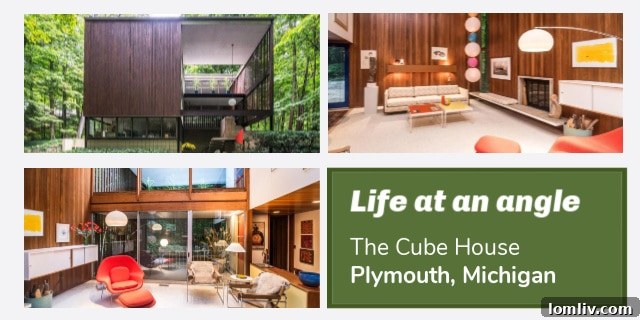
Discovering Architectural Gems: The Unparalleled Allure of One-of-a-Kind Historical Homes
In a world increasingly dominated by uniformity, the concept of a truly unique home stands as a beacon of individuality and architectural brilliance. These aren’t just houses; they are stories etched in brick and mortar, legacies preserved through generations, and testaments to visionary design. For those with a discerning eye and a passion for the extraordinary, a “one-of-a-kind historical shelter” represents far more than just property – it’s an opportunity to own a piece of history, an iconic design, and a lifestyle that defies convention.
What Makes a Home Truly “One-of-a-Kind”?
The phrase “one-of-a-kind” is often used loosely in real estate, but for a property to genuinely earn this distinction, it must possess a confluence of rare qualities. It speaks to homes that transcend typical design, featuring innovative structures, significant historical provenance, or a profound connection to a particular cultural movement. These residences are typically designed by renowned architects, built with exceptional craftsmanship, or situated in locations that add to their unparalleled charm and exclusivity.
A truly unique home might challenge conventional notions of space, form, or function, pushing the boundaries of what a dwelling can be. It often embodies a specific architectural philosophy or serves as a landmark within its community. Beyond aesthetics, the history embedded within its walls – the stories of those who lived there, the events it witnessed – contributes significantly to its unique identity. Such properties are not merely places to live; they are living museums, cultural touchstones, and expressions of individual artistic vision.
The Enduring Legacy of Historical Shelters
Historical shelters carry an intrinsic value that goes beyond market fluctuations. They connect us to the past, offering insights into bygone eras, construction techniques, and societal values. Preserving these homes is not just about maintaining old buildings; it’s about safeguarding architectural heritage and the collective memory of humanity. Each ornate detail, every aged beam, and the very layout of these structures tell a tale, inviting residents and visitors alike to step back in time.
From ancient fortified dwellings to avant-garde designs of the early 20th century, historical properties demonstrate the evolution of human ingenuity and our ever-changing relationship with shelter. Owning such a home is often seen as a custodianship, a responsibility to maintain and honor its original intent while adapting it for modern living. This blend of preservation and thoughtful modernization ensures these architectural marvels continue to inspire for centuries to come.
A Closer Look at an Architectural Marvel: The Iconic Cube Houses
Consider, for instance, the famous Cube Houses (Kubuswoningen) of the Netherlands, a prime example of a one-of-a-kind historical shelter that continually captivates onlookers and inhabitants alike. Designed by architect Piet Blom in the late 1970s, these distinctive properties in Rotterdam and Helmond are not merely buildings but an entire concept of urban living reimagined. Blom’s vision was to create a “forest” of houses, with each cube representing an abstract tree, and the entire complex forming a village above the city.
The Visionary Design of Cube Houses
What makes the Cube Houses so profoundly unique is their audacious design: traditional houses tilted at a 45-degree angle, resting on hexagonal pylons. This radical orientation challenges conventional notions of space and structure, creating a visually stunning and thought-provoking architectural landscape. Each cube features three levels: a triangular base housing the entrance, a central living area with kitchens and bedrooms, and a top-level pyramid space often used as an additional bedroom or a panoramic viewing room. The unconventional angles create intriguing interiors, where walls are often sloped and windows frame unique perspectives of the urban environment below.
Blom’s innovative approach wasn’t just aesthetic; it was also a social experiment aimed at creating a cohesive, high-density residential area that still fostered a sense of community. The elevated design allows for public spaces beneath the houses, fostering interaction and creating a vibrant street-level experience. This blend of individual dwelling and collective infrastructure embodies a forward-thinking approach to urban planning that remains relevant today.
Living in a Landmark: The Interior Experience
Stepping inside a Cube House is an experience unlike any other. The slanted walls and unconventional room shapes require a creative approach to furnishing and interior design, often leading to custom-built solutions that maximize the unique spaces. Despite the challenging geometry, the large windows flood the interiors with natural light, making the spaces feel surprisingly open and airy. Residents often speak of the incredible sense of privacy and tranquility afforded by their elevated position, coupled with the constant awareness of living within a globally recognized architectural icon.
The opportunity to reside in such an iconic structure offers a daily dose of inspiration and a unique perspective on urban life. It’s a chance to be part of an ongoing dialogue about innovative architecture and sustainable community design. These homes are not just functional; they are artistic statements that elevate the everyday into something extraordinary, making them highly sought-after for their blend of historical significance, unique design, and vibrant living experience.
The Allure of a “Once-in-a-Lifetime Opportunity”
The term “once-in-a-lifetime opportunity” is not hyperbolic when applied to properties of this caliber. Such homes rarely come onto the market due to their scarcity and the profound connection owners often develop with them. When they do, they attract a global audience of architectural enthusiasts, history buffs, and discerning investors seeking something truly unparalleled.
Beyond Aesthetics: Investment Potential
Owning a unique historical property like a Cube House is often a sound investment. Their rarity, architectural significance, and cultural value tend to make them appreciate steadily over time, often outperforming conventional real estate. These properties aren’t subject to transient trends; their value is rooted in their timeless design and irreplaceable heritage. For investors, they offer diversification and the potential for significant long-term capital growth, alongside the immeasurable joy of ownership.
A Lifestyle Statement
Beyond financial considerations, acquiring such a home is a profound lifestyle statement. It signifies a commitment to unique aesthetics, historical preservation, and a desire to live outside the ordinary. Residents of these homes often find themselves part of a special community, sharing a common appreciation for exceptional design and the stories embedded within their dwellings. It’s a chance to host guests in an unforgettable setting, to inspire creativity, and to wake up every day in a space that truly reflects individuality.
Finding Your Own Unique Historical Property
For those inspired by the prospect of owning a one-of-a-kind historical shelter, the journey requires patience, research, and often the guidance of specialized real estate professionals. Begin by defining what “unique” means to you: Is it architectural innovation, deep historical roots, a specific period style, or a particular geographical significance? Explore various architectural movements, visit historical sites, and immerse yourself in the stories of iconic buildings.
Networking with historical preservation societies, architectural historians, and specialist real estate agents who focus on heritage properties can open doors to opportunities that are not publicly advertised. Be prepared for properties that may require careful restoration or modernization to balance historical integrity with contemporary comforts. The effort, however, is invariably rewarded with the profound satisfaction of owning a piece of living history and a home that truly stands apart.
The Future of Heritage Homes
As we look to the future, the importance of preserving and celebrating unique historical shelters only grows. These properties serve as vital links to our past and provide invaluable lessons for future architectural endeavors. Integrating modern, sustainable technologies while respecting original designs is a crucial aspect of ensuring their longevity. Through careful stewardship, innovative restoration, and a continued appreciation for their distinct character, these one-of-a-kind homes will remain cherished treasures for generations to come, continuing to offer “once-in-a-lifetime opportunities” for those fortunate enough to acquire them.