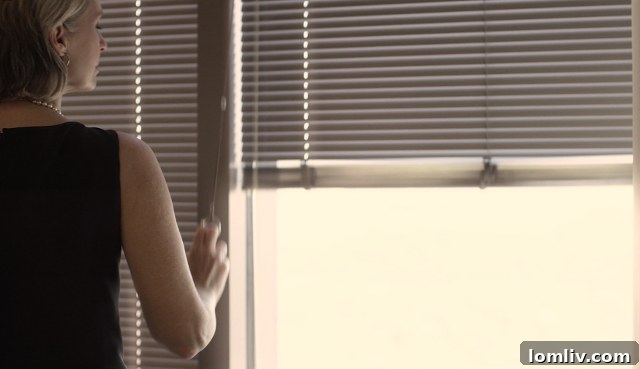
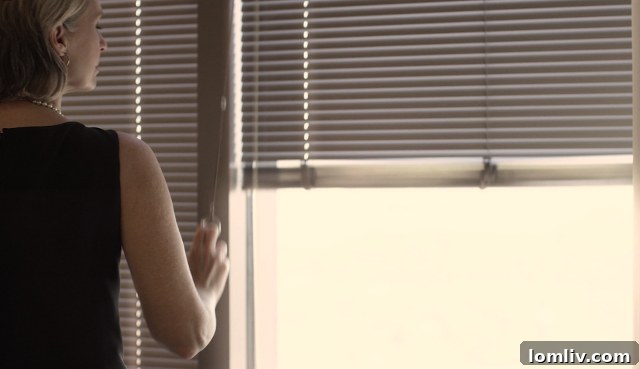
The 1960s marked an era of significant innovation, witnessing the dawn of space exploration, evolving social norms, and numerous technological advancements. It was also the decade that introduced the concept of self-darkening glass, initially popularized in sunglasses. While recent innovations have brought us glass capable of generating electricity, the persistent challenge of energy loss through windows remains a critical concern. The US Department of Energy reports that a substantial 30 percent of heating and cooling energy is lost through windows, underscoring the urgent need for more efficient solutions. This article delves into advanced window technologies, specifically smart films and dynamic glass, that promise to significantly cut electricity costs, enhance interior comfort, and potentially revolutionize how we manage natural light and privacy in our homes and commercial spaces.
As we explore these cutting-edge innovations, we’ll uncover how they not only contribute to substantial energy savings but also offer a sleeker, more modern aesthetic, potentially eliminating the need for traditional window treatments like blinds and curtains. From privacy-on-demand films to intelligent, tint-changing glass, the future of fenestration is here, offering unprecedented control over our indoor environments.
Transforming Spaces with Switchable Privacy Glass Films
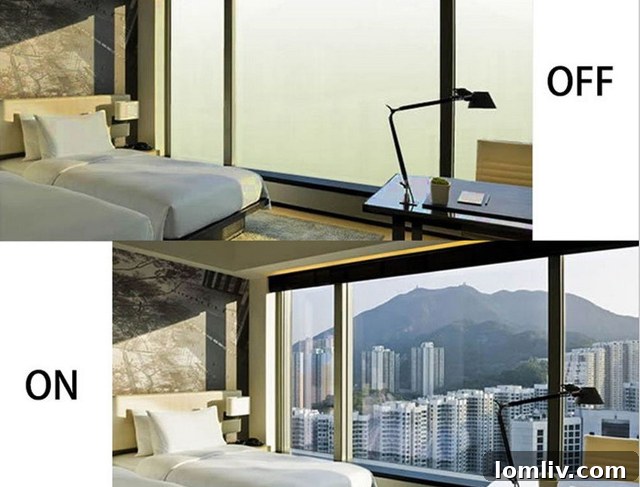
One of the earliest innovations in modern window technology is switchable privacy glass, often referred to as “magic glass” or “privacy film.” These innovative products excel at cutting UV radiation and providing instant privacy without completely darkening a room. The core of this technology involves a unique “sandwich” of liquid crystals embedded between layers of glass or film. When an electric current is applied, these liquid crystals align, making the glass transparent. When the power is off, they scatter light, instantly transforming the glass from clear to a frosted, opaque state.
Installation flexibility is a key advantage of these products. They can be integrated directly into new windows during manufacturing or applied as aftermarket kits to existing windows, offering a versatile retrofit solution for almost any window size. While larger sheets can be found, offering considerable coverage, the cost can be significant. For instance, sheets measuring nearly four by ten feet can retail for thousands of dollars each, not including professional installation. These films require minimal electricity to operate, although, somewhat counterintuitively, they typically consume power when in their transparent (clear) state, not when frosted (shaded).
Pros and Cons of Privacy Glass Films
While the allure of eliminating traditional window treatments is strong, privacy films come with their own set of considerations. Their primary function is to provide privacy by obscuring views, rather than offering true room darkening. This means they might not be ideal for bedrooms where complete darkness is desired for sleeping beyond sunrise. However, for spaces where selective privacy or a novel aesthetic is the main objective, such as conference rooms, bathrooms, or creative office environments, they are highly effective.
The claim that these films significantly reduce heat gain and thus lower AC bills often lacks concrete data. While some reduction in solar heat might occur, users have reported varying experiences, and some films may exhibit a slight haze even in their clearest setting (as much as 5 percent haze has been observed). This can slightly diminish the crispness of a clear view.
On the upside, these films are exceptional at blocking nearly all UV light, which is crucial for protecting upholstery, artwork, and interior finishes from fading. Furthermore, some advanced versions can even be transformed into interactive touchscreens or projection surfaces, adding a layer of functionality beyond simple privacy. Despite these innovative features, the cost can be a barrier for widespread residential adoption. Covering large areas, such as a living room with multiple windows, could incur costs upwards of $25,000, not including installation. At this price point, homeowners might consider other energy-efficient window replacement options or invest in high-quality, smart traditional window coverings.
Ultimately, switchable privacy glass films find their best application in settings where privacy, architectural flexibility, or a unique interactive element takes precedence over complete room darkening or significant energy savings for heating and cooling. Brands like Sonte and InvisiShade are prominent players in this niche.
The Evolution of Smart Glass: Beyond Privacy
The fundamental reason for having windows is to connect with the outside world, to enjoy natural light and views. Smart glass technologies, particularly electrochromic glass, offer a more comprehensive range of benefits compared to simple privacy films, addressing both visibility and energy efficiency with remarkable sophistication.
The journey to modern smart glass began in the 1960s with Corning Glass’s invention of photochromic glass, first seen in eyeglasses that automatically darkened in sunlight. This early technology, while revolutionary for eyewear (leading to brands like Serengeti), had limitations. Early photochromic lenses were slow to clear indoors, and their darkening efficacy decreased in warmer ambient temperatures, making them less effective in summer. Manufacturing was also complex, involving precision high-heat annealing of silver-halide crystals within the glass matrix.
However, technology has evolved dramatically. In recent years, this intricate process has been streamlined, with advanced photochromic and, more significantly, electrochromic materials now applied as thin films during window manufacturing. The result is a glass product perfectly suited for modern architectural applications, offering dynamic control over light and heat.
Electrochromic Smart Glass: Dynamic Control for Energy Efficiency
Unlike privacy films, electrochromic smart glass provides actual tinting and room darkening while maintaining transparency, allowing occupants to retain their view of the outside world. This technology operates by passing a low-voltage electrical current through an electrochromic coating, which causes it to reversibly change its light absorption properties, resulting in a variable tint. The energy consumption is remarkably low, estimated to be comparable to a 60W light bulb for a sprawling 2,000 square feet of glass, making it a highly energy-efficient solution.
A significant advantage of smart glass is the ability to precisely control the amount of tint, either manually or automatically. Integration with building management systems allows for automated adjustments based on various factors such as interior brightness, external glare, temperature, and even occupancy. Imagine a system where windows automatically tint throughout the day to maintain a desired indoor brightness level, adapting seamlessly to changing weather conditions or sun angles. This dynamic control significantly reduces solar gain – the heat entering a building from direct sunlight – by over 75 percent, according to manufacturers. This translates to an average 20 percent reduction in overall energy demand for heating and cooling, leading to substantial utility bill savings. Moreover, this decreased load means that smaller, more efficient HVAC systems can be specified during construction, further lowering initial capital costs and long-term operational expenses.
Another crucial benefit is the reduction in artificial lighting needs. Because smart glass tints rather than obscures, it allows sufficient ambient light to enter without harsh glare, meaning occupants are less likely to turn on electric lights during the day, unlike when traditional blinds or shades are closed. This dual benefit of reduced cooling load and reduced lighting load contributes significantly to a building’s overall energy efficiency and sustainability profile.
Smart Glass in Commercial and Residential Applications
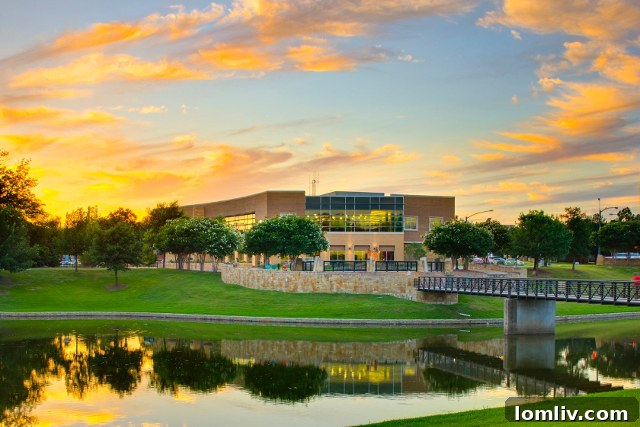
The impact of smart glass is particularly evident in commercial settings. DFW International Airport recently served as a compelling case study for View Inc.’s Dynamic Glass. During a trial period, specific gates and restaurant areas equipped with smart glass showed remarkable improvements. Seats and carpet behind the dynamic glass were consistently 10 to 15 degrees Fahrenheit cooler than areas with traditional glazing. This enhanced comfort had a direct impact on passenger behavior: people lingered longer in the cooler spaces and demonstrably spent more money at nearby shops and restaurants. Twisted Root Burgers, located at Gate A25, reported an astonishing 80 percent increase in alcohol sales over the previous year, with alcohol revenues jumping from eight percent to 17 percent of total sales. This translates into tangible economic benefits for businesses.
Beyond the financial gains, smart glass significantly improves indoor comfort by mitigating solar gain and glare, creating a more pleasant and productive environment. Following the successful trial, DFW International Airport approved a substantial $25 million investment to equip more of its high-exposure glass walls with Dynamic Glass, acknowledging its proven value.
In the competitive landscape of smart glass, View Inc. faces strong competition from established players like France-based Saint-Gobain, a company with over 350 years of experience in construction materials. Saint-Gobain acquired New York-based SageGlass in 2012. Founded in 1989, SageGlass pioneered electrochromic architectural glass and has since installed its dynamic solutions in 27 countries globally, establishing itself as a leader in the field.
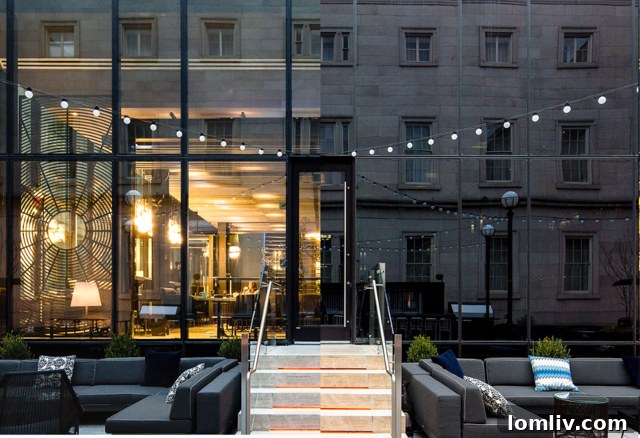
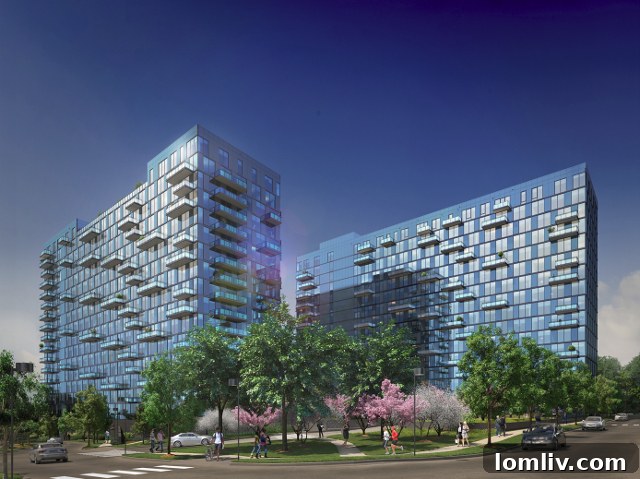
While commercial adoption is robust, smart glass is also gaining traction in residential markets. A notable example is a 16-story, 467-unit apartment building in Reston, Virginia (pictured below), where View Inc. is supplying the dynamic glass. In residential contexts, smart glass offers more than just energy benefits; it also provides aesthetic uniformity. Traditional residential buildings often feature a chaotic array of blinds, shutters, and curtains, creating a visually inconsistent exterior. Smart glass eliminates this visual clutter, presenting a clean, uniform façade that elevates the overall architectural appeal and perceived value of the property.
The Future: Integration and Overcoming Hurdles
The potential for smart glass technology extends beyond individual applications. A fascinating prospect is the integration of electrochromic glass with the electricity-generating glass discussed in previous articles. Imagine a scenario where the outer pane of a window generates solar electricity, while the inner pane is electrochromic, dynamically dimming to control light and heat that isn’t converted into electricity. This synergistic approach could create a truly intelligent building envelope, maximizing both energy harvesting and indoor climate control. Given the relative newness of electricity-generating glass, such combined technologies may require further research and development before widespread commercialization.
However, a significant barrier to the broader adoption of these advanced window technologies lies in the misalignment of incentives between building developers and end-users. Developers, who make the initial construction decisions, are often less concerned with boosting long-term energy efficiency, as tenants or homeowners are the ones who ultimately bear the electricity costs. This fundamental disconnect hinders investment in technologies that offer substantial long-term benefits but come with a higher upfront cost.
To overcome this, a proactive role from third parties, particularly government entities, is essential. Crafting guidelines, offering incentives, or even mandating minimum energy efficiency standards for new construction could foster the greater good of power generation and energy efficiency. Most successful case studies for smart glass installations involve owner-occupied or purpose-built structures where the owner directly benefits from the energy savings and enhanced comfort, thereby justifying the initial investment. Bridging this gap through policy and awareness campaigns will be crucial for accelerating the adoption of these transformative technologies.
In conclusion, smart glass and privacy films represent a significant leap forward in window technology, offering unprecedented control over light, heat, and privacy. While each has its specific applications and benefits, electrochromic smart glass stands out for its potential to revolutionize building energy efficiency and occupant comfort, paving the way for more sustainable and intelligent architectural designs.

About the Author: The author specializes in high-rises, HOAs, and renovation trends, with a keen interest in modern and historical architecture balanced against the YIMBY movement. Recognized by the National Association of Real Estate Editors, the author’s writing has garnered several accolades, including three Bronze awards in 2016, 2017, 2018, and two Silver awards in 2016 and 2017. For inquiries or to share a story, please reach out via email at [email protected]. You can also connect on Facebook and Twitter for more insights.