Navigating Development and Disagreement: The Future of Preston Road and Northwest Highway
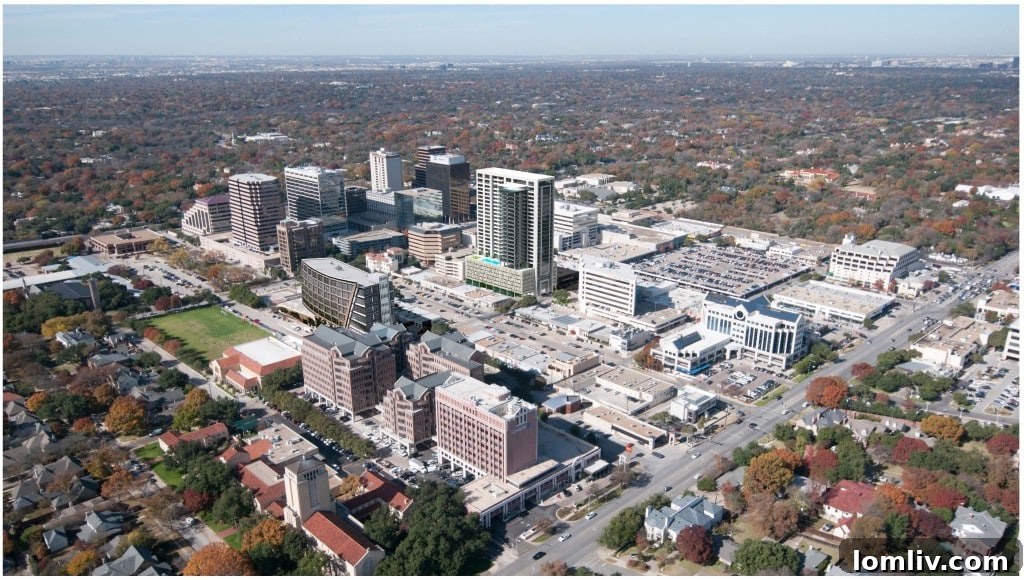
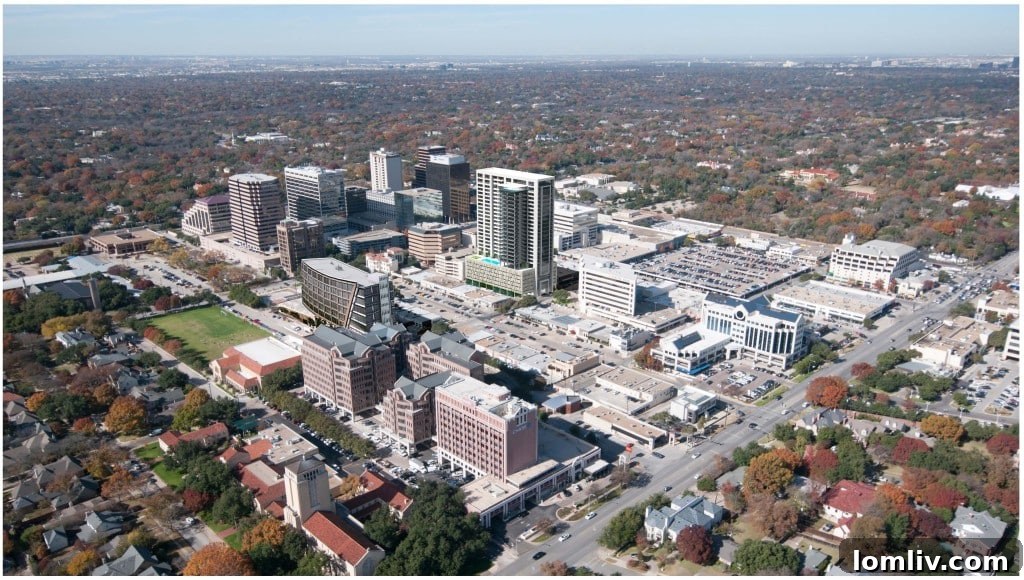
The latest gathering of Councilwoman Jennifer Gates’ Preston Road and Northwest Highway Task Force shed light on the intricate and often contentious world of urban development in Dallas. These meetings, while ostensibly focused on planning and progress, frequently reveal the underlying political currents and deeply personal stakes involved when development proposals impact established communities. The discourse around the Preston Road and Northwest Highway corridor is a prime example of how local interests, historical context, and modern urban planning collide, creating a complex web of challenges that require careful consideration.
One recurring theme observed in such forums is the phenomenon often termed “NIMBYism” (Not In My Backyard). This dynamic frequently sees individuals or groups advocating for certain policies or developments in principle, only to oppose them vehemently when those same proposals draw near to their own neighborhoods or personal interests. This selective application of principles highlights a fundamental tension in urban planning: balancing the broader needs of a growing city with the preservation of local character and residents’ quality of life. The Preston Road and Northwest Highway intersection, a vital artery in Dallas, serves as a microcosm for these broader societal and political struggles.
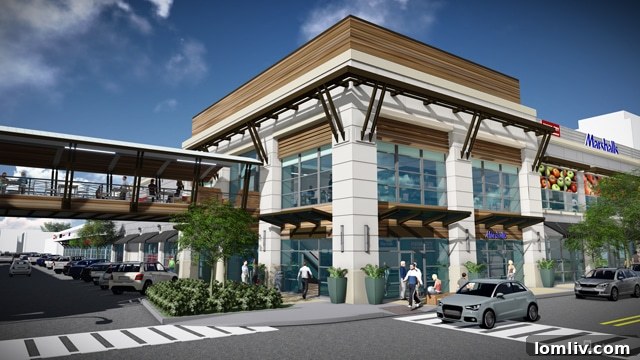
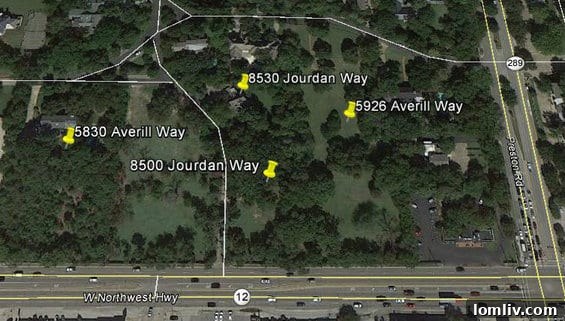
The current debates surrounding this key Dallas intersection are particularly illustrative. Residents in what has been termed “Old Preston Hollow” are expressing considerable concern over Mark Cuban’s land clearing activities along the north side of Northwest Highway. This opposition often extends to virtually any new development in the vicinity, underscoring a desire to maintain the area’s existing residential fabric. Concurrently, Preston Center merchants find themselves divided over the merits and potential impacts of a proposed skybridge designed to enhance connectivity. Adding another layer of complexity, residents near the “Pink Wall” are vociferously opposing Transwestern’s modest zoning request, fearing that even minor changes could open the floodgates for more extensive redevelopment. These diverse reactions collectively paint a picture of a community grappling with the inevitable pressures of growth and change, where individual stakes often overshadow collective consensus.
The Challenges of Planning: A Cycle of Proposals and Delays
At the heart of the current discussions is the task force’s ambitious goal to raise $100,000 to fund a consultant, whose role would be to develop a comprehensive plan for the area. This sum represents a significant portion of the estimated $350,000 required for the study. However, a critical question arises: if the city itself is unwilling to fully fund such a foundational study, what are the prospects for securing funding and political will to implement any of the consultant’s eventual recommendations? This financial hurdle foreshadows deeper systemic issues that have historically plagued urban planning efforts in Dallas.
A look back at the historical context provides a sobering perspective. In 1986, a detailed traffic and usage study was conducted for the Preston Center area. The City of Dallas officially adopted all of its recommendations, yet, by most accounts, none were ever truly implemented. Just three years later, in 1989, another extensive study was undertaken, leading to the City Council adopting most of its recommendations—only for history to repeat itself with a lack of substantive action. One specific recommendation from the 1989 study was to update the Preston Center traffic study every five years. Astonishingly, over two and a half decades later, not a single additional traffic study had been commissioned. This pattern of repeated studies followed by inaction raises significant doubts about the efficacy of the current task force’s efforts and the likelihood that its “plan” will escape a similar fate, potentially serving merely as another historical document rather than a catalyst for real change. The danger is that while residents stall specific developments under the guise of awaiting a comprehensive plan, the area continues to suffer from existing issues without resolution.
Representation and Transparency: Questions from Zone 4
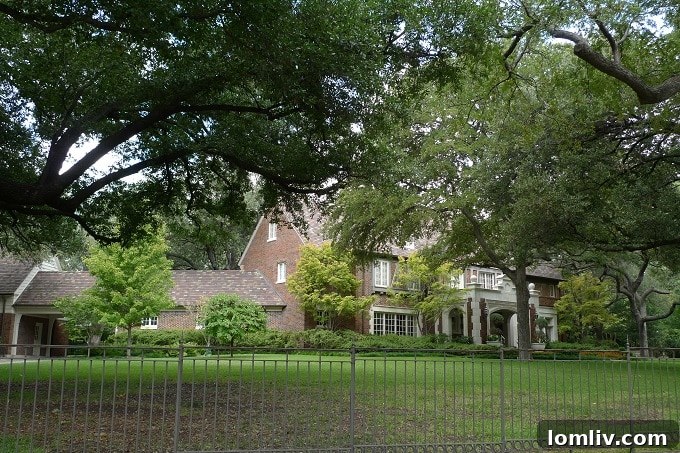
The integrity of representation within the task force itself has also come under scrutiny. A resident from Zone 4, commonly referred to as “Behind the Pink Wall,” voiced pointed criticism regarding the representatives assigned to their area. It was noted that neither of the Zone 4 representatives appears to have a direct, vested residential interest in the district. One representative, Patti Niles, reportedly sold her home and is currently renting, while the other, Steve Dawson, no longer resides in Zone 4 but in Zone 3. In contrast, a show of hands among other task force members confirmed that all other residential zones are represented by current owner-occupants. Despite these concerns, Councilwoman Gates reiterated her support for both Zone 4 representatives.
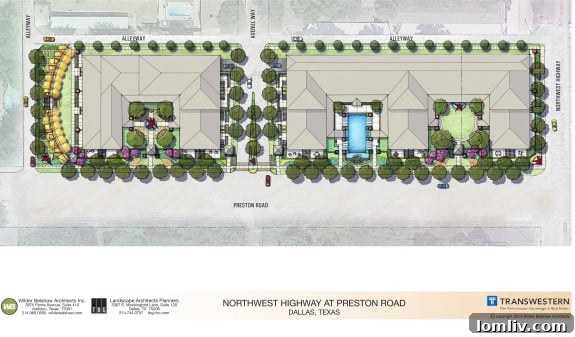
This situation becomes particularly salient when considering Transwestern’s current proposal to redevelop the long-neglected northeast corner of Preston and Northwest Highway. The absence of owner-occupant representation in Zone 4 raises questions about the potential for decisions to be made without direct personal consequence for those representatives. The historical axiom, “No taxation without representation,” finds a contemporary echo here, suggesting that decisions affecting a community should be guided by those with a direct and enduring stake in its future. The debate highlights the importance of transparent and truly representative leadership in local urban planning endeavors, especially when sensitive zoning and development issues are on the table.
Traffic Woes: The Northwest Highway and Preston Road Intersection
Discussions at the meeting also touched upon ongoing and planned road improvements, particularly those spearheaded by the Texas Department of Transportation (TXDoT) for Northwest Highway, which encompasses the Preston Center area. These plans extend several miles east from Luna Road. A specific improvement slated for early 2016 involves adding a second left-turn lane to westbound Northwest Highway at Preston, facilitating southbound turns. While superficially appearing to be a positive step toward alleviating congestion, this enhancement introduces a critical flaw.
Just 295 feet south of the Northwest Highway intersection, on Preston Road at Berkshire Lane (the corner where California Pizza Kitchen is located), there is an existing traffic signal. This signal already creates a significant bottleneck for southbound traffic. Considering that an average car, including standard gaps, occupies approximately 17 feet of road space, this stretch can accommodate only about 17 cars before traffic backs up, often due to the Berkshire signal frequently being red, sometimes seemingly without cause. TXDoT’s plan to double the volume of left-turning vehicles into this already constrained space is likely to exacerbate, rather than alleviate, southbound congestion on Preston Road. The fundamental issue lies in the short distance between the two intersections.
The most logical and potentially effective solution to clear southbound Preston Road traffic would be to relocate the Berkshire Lane signal south to Sherry Lane, at the very southern edge of Preston Center. Such a move would allow traffic to flow more freely into and out of the Northwest Highway intersection without immediate obstruction. The fact that TXDoT’s plans do not incorporate this obvious solution is deeply concerning. The jurisdictional divide—where the Berkshire traffic signal is controlled by University Park, not Dallas—highlights a significant inter-city coordination challenge. This lack of integrated planning between municipalities means that a potentially beneficial TXDoT initiative could fail miserably due to an unaddressed, localized bottleneck.
Beyond this specific issue, there was also extensive discussion regarding the overall poor timing and outdated nature of Dallas’s traffic signals. Councilwoman Gates acknowledged what many residents already experience: the city’s traffic control infrastructure is old, inefficient, and far from modern standards. Even as improvements are made to Northwest Highway itself, the effectiveness of these upgrades will be severely hampered by Dallas’s dilapidated signal system. As Ms. Gates indicated, the current system allows for only a few predefined traffic patterns (e.g., morning rush, evening rush, weekends), and true “smart signals”—which dynamically adjust based on real-time traffic demand—are years away, if they are ever fully implemented. This is a stark contrast to many other major cities, where such intelligent systems have been commonplace for decades, allowing for vastly more efficient traffic flow and reduced congestion. The city’s lagging infrastructure represents a substantial impediment to effective urban mobility.
Preston Center Parking: A Legacy of Complexity
The parking situation at the core of Preston Center is perhaps one of the most convoluted issues facing the area, a testament to decades of piecemeal planning and conflicting interests. Its ownership structure is exceptionally complex, a veritable administrative quagmire. The story dates back to the 1950s when local merchants, reluctant to invest in paving or constructing a parking garage themselves, petitioned the City of Dallas for assistance. The city agreed, taking ownership of the lot via a Quitclaim Deed. However, this deed came with a crucial stipulation: it granted rights of access to the surrounding merchants, effectively allowing them continued use of the parking facilities.
This arrangement inevitably led to legal disputes, culminating in a lawsuit in the 1990s to clarify ownership and usage rights, particularly in light of redevelopment aspirations. The court’s ruling was decisive: the area could only be utilized for parking, roads, and ancillary features like sidewalks. Any proposal for redevelopment, implying a change in use or significant alteration, would require the unanimous approval of *all* surrounding property owners, given their established rights of access and use from the 1950s deed. This legal precedent effectively creates a significant barrier to any transformative development.
For any developer hoping to modernize or reconfigure the parking structure, this means an extraordinarily high hurdle: securing 100% approval from all surrounding property owners. Practically, this implies that only a business or use that does not compete with existing establishments and, ideally, drives additional traffic to their doorsteps would stand a chance of approval. Such a confluence of non-competing interests and beneficial outcomes is exceedingly rare, making major redevelopment unlikely without substantial concessions or highly persuasive incentives. At best, the current garage could be demolished and rebuilt as another parking structure without universal consent, but funding such a project without a broader redevelopment plan remains a significant challenge.
Amidst this complexity, the proposed skybridge by Crow Holdings (Harlan Crow, not Trammel Crow) stands out as a seemingly straightforward, yet equally contentious, proposal. Due to its property holdings, Crow Holdings possesses rights to 40 percent of the available parking in the existing structure, alongside a corresponding obligation to cover 40 percent of its maintenance costs. Given this significant stake and the potential for the skybridge to improve pedestrian flow and connectivity for their properties, its very status as a point of contention appears perplexing. Furthermore, the skybridge could potentially be designed as a removable structure, offering flexibility should a more comprehensive redevelopment plan for Preston Center eventually materialize. However, achieving consensus among the myriad stakeholders with their diverse and often conflicting interests proves to be a formidable task, akin to “herding chickens by a bunch of cats,” as the saying goes. The parking situation perfectly encapsulates the broader challenges of progressive urban development in a historically entrenched and legally complex environment.