The United States construction industry stands as an colossal pillar of the nation’s economy, a dynamic and diverse sector that annually generates well over $2 trillion in economic activity. This vast enterprise directly employs nearly 8 million Americans, shaping the physical landscape of the country from coast to coast. Its scope extends far beyond mere residential housing, encompassing a wide array of critical projects including robust commercial spaces, essential infrastructure suchets as roads, bridges, and utilities, and groundbreaking energy initiatives designed for a sustainable future.
This immense activity is broadly distributed across all fifty states, with particular hotspots of growth and development emerging. Currently, states like Texas, California, and Florida are at the forefront, leading the nation in new construction builds due to burgeoning populations, economic expansion, and ongoing investment in urban and suburban development. However, the industry’s trajectory is inherently sensitive to a myriad of external factors, experiencing shifts in response to fluctuating interest rates, volatile material costs, and the ever-present challenge of labor supply. In recent years, the construction sector has faced significant headwinds, battling against persistent inflation, widespread supply chain disruptions that complicate project timelines, and a critical shortage of skilled workers, all of which pose substantial operational challenges.
Despite these obstacles, innovation is rapidly becoming the most powerful catalyst for growth across the sector. The adoption of advanced materials, cutting-edge technologies, and streamlined construction methods is not only addressing current inefficiencies but also paving the way for sustainable growth that could span decades. Yet, for many in the industry, particularly new entrants or those looking to scale, a fundamental question remains: where do I begin to effectively harness this growth? And more specifically, what is the best way to get construction leads that allows companies to optimize their time, maximize their resources, and achieve the most impactful results?
The Evolution of Construction Lead Generation: From Traditional to Digital Dominance

For generations, construction companies navigated the competitive landscape by relying on a suite of traditional lead generation strategies. These methods, while foundational and often effective in their time, were characterized by their reliance on personal connections, localized reach, and a slower pace of development. The cornerstone of this approach was undoubtedly word-of-mouth. A stellar reputation, built painstakingly project by project, fostered personal referrals that were the lifeblood of new business. These referrals weren’t just leads; they were endorsements, carrying significant weight and trust within communities.
Local advertising played a crucial role, with firms placing advertisements in community newspapers, specialized trade magazines, and local business directories. These channels provided visibility within specific geographic areas and industry niches. Networking was another critical component, with professionals attending trade shows, industry events, and local chamber of commerce meetings. These gatherings offered invaluable opportunities to forge new contacts, cultivate relationships with peers, potential clients, and suppliers, and stay abreast of industry developments. The value here lay in face-to-face interactions and the gradual building of rapport.
For public sector projects, some firms diligently bid on public tenders that were often posted in print media or on municipal bulletin boards. This process was typically manual, requiring careful submission of physical documents and adherence to strict deadlines. Direct mail campaigns also emerged as a popular tactic, with companies dispatching flyers, brochures, and promotional materials directly to local businesses and homeowners, hoping to capture attention for new projects or renovation services. Furthermore, cultivating robust, long-term relationships with architects, developers, and suppliers was absolutely key. These professional alliances often led to exclusive project recommendations and collaborative opportunities, forming a stable pipeline of work based on mutual trust and understanding. While these traditional methods were vital for sustainable success in their era, they were inherently slow, often limited by geographical boundaries, and the results heavily depended on significant personal time investment to build and maintain trust-based relationships. They lacked the scalability and immediate reach that modern businesses now demand.
Embracing Innovation: The Future of Lead Generation in Construction
Today’s construction world has been profoundly transformed by digital platforms, which have become indispensable engines for lead generation. A professionally designed and optimized company website now serves as much more than just an online brochure; it acts as a dynamic, 24/7 portfolio and a central hub for all digital marketing efforts. It provides potential clients with immediate access to project showcases, testimonials, company values, and contact information, operating continuously regardless of business hours.
Crucial to the success of any online presence is search engine optimization (SEO). By strategically integrating relevant keywords, creating high-quality content (such as blog posts, case studies, and informational guides), and ensuring technical website health, companies can significantly improve their visibility on search engines like Google. Effective SEO ensures that when potential clients search for construction services, your company appears prominently, driving organic traffic and high-quality leads directly to your digital doorstep. Alongside SEO, social media campaigns are now meticulously designed to target specific demographics, whether they are discerning developers, savvy investors, or individual homeowners. Platforms such as LinkedIn are particularly powerful for B2B outreach, enabling targeted advertising that connects directly with decision-makers and key stakeholders in the commercial and industrial sectors.
Beyond general social media, specialized industry platforms like Houzz and Angi (formerly Angie’s List) offer dedicated spaces for contractors to list their services, showcase portfolios, and collect client reviews. These platforms act as trusted directories, connecting contractors directly with residential and commercial clients actively seeking construction services. The bidding process itself has been revolutionized by online tender portals. These digital platforms streamline the entire tendering process, allowing companies to quickly access a wider range of public and private project opportunities, submit bids efficiently, and manage proposals with greater speed and transparency.
The back-end management of these leads is equally critical. Customer Relationship Management (CRM) software has become an essential tool, enabling companies to track prospects from their initial contact point all the way through to a signed contract and beyond. CRM systems centralize client data, automate follow-ups, and provide insights into lead behavior, ensuring no opportunity is missed and client relationships are nurtured effectively. Furthermore, advanced technologies are enhancing the client experience and operational efficiency. Virtual tours, often utilizing augmented or virtual reality (AR/VR), can now showcase completed projects or even proposed designs without the need for physical site visits, saving time and resources for both the company and the client. This immersive experience can significantly influence decision-making.
Finally, data analytics has emerged as a powerhouse tool. By analyzing market trends, demographic information, and project data, construction firms can identify high-growth markets, pinpoint specific opportunities by zip code or project type, and optimize their marketing spend for maximum return on investment. With these sophisticated digital technologies and data-driven approaches, constructors can reach national and even global audiences with unprecedented speed, cost-effectiveness, and precision, fundamentally reshaping how they acquire new business.
The Indispensable Benefits of Sustainable Growth in Construction
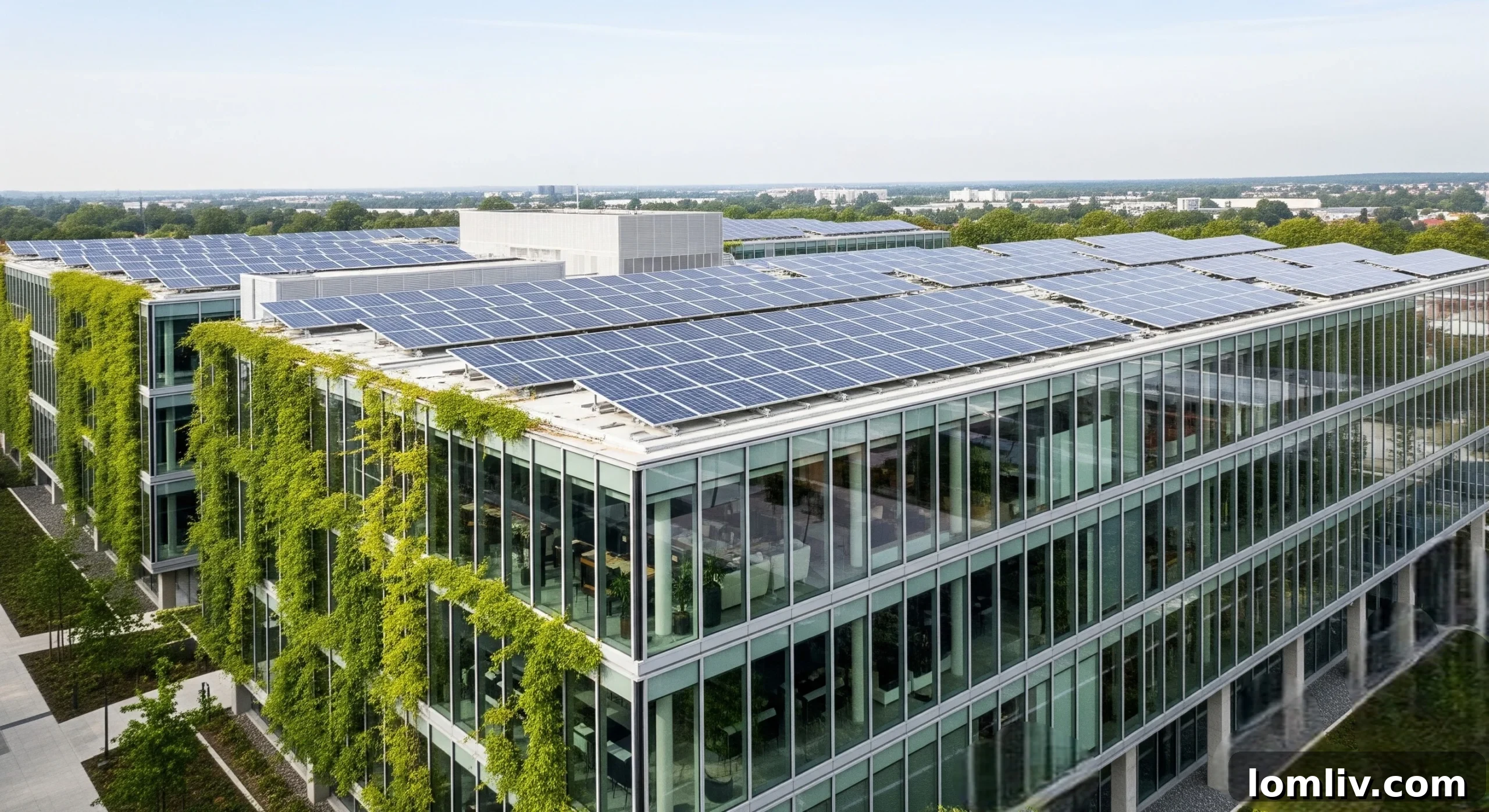
Sustainable growth is not merely a buzzword in the construction industry; it represents a strategic imperative that ensures a business remains profitable, resilient, and relevant over the long term. This approach is the most effective way to mitigate the inherent risks of the construction sector’s often boom-and-bust cycles, fostering stability and predictability. When a company prioritizes sustainable growth, revenue tends to increase steadily, costs remain under tighter control through optimized processes, and cash flow becomes more stable and predictable. This financial equilibrium allows construction companies to invest in their future, expand strategically, and weather economic downturns more effectively. Achieving this level of stability requires prioritizing a reputation that endures for decades – focusing on quality, reliability, and ethical practices – rather than simply chasing the next immediate job.
Moreover, the term “sustainable” carries a dual meaning that is increasingly critical. Beyond financial viability, it profoundly refers to environmental responsibility and resource efficiency. Clients across all segments, from residential homeowners to large commercial developers, are increasingly demanding eco-friendly, energy-efficient buildings. This shift is driven by a growing awareness of environmental impact, a desire for lower operational costs, and the appeal of healthier living and working spaces. Today’s investors, too, are placing a significant premium on firms with strong Environmental, Social, and Governance (ESG) credentials, often prioritizing those that demonstrate a clear commitment to sustainability. This has led to the emergence of impact investing, where environmental performance directly influences investment decisions.
Government bodies at federal and state levels are actively encouraging green building practices through a variety of incentives, including tax credits, grants, and expedited permitting processes for projects that meet specific environmental standards. This provides a clear financial advantage for firms embracing sustainability. Furthermore, the logic behind sustainable practices makes profound commercial sense. As material costs continue to rise globally, waste reduction initiatives translate directly into substantial cost savings. Minimizing material waste through efficient design, prefabrication, and recycling not only benefits the environment but also improves project profitability.
Public opinion is also a powerful driver. Companies that actively minimize their carbon footprint, adopt renewable energy sources, and prioritize responsible waste management are viewed favorably by the public. This positive perception enhances brand reputation, strengthens community relations, and generates valuable word-of-mouth referrals, extending a company’s reach and influence. Many large-scale contracts, particularly in the public sector or for major corporations, now explicitly require proof of a constructor’s sustainability policies and track record as a prerequisite for bidding. This makes a clear commitment to sustainability a competitive necessity rather than an optional add-on.
Finally, in an industry facing persistent skilled labor shortages, a strong commitment to a future-focused, sustainable vision can be a powerful magnet for attracting and retaining top talent. Highly skilled workers, especially younger generations, are often drawn to companies that align with their values, offer innovative work environments, and contribute positively to society. Sustainable growth, therefore, is not merely an ethical choice; it has evolved into a fundamental commercial necessity and a cornerstone for enduring success in the modern construction landscape.
The Future of the US Construction Industry: Building for Resilience and Innovation
The US construction industry, while an established and vast operation, finds itself at an undeniable turning point. The traditional methods that have long sustained the sector still retain some inherent value, particularly in fostering local relationships and trust. However, it is increasingly clear that embracing innovation and forward-thinking strategies is the most assured pathway to progress and sustained success in the future. The companies that proactively adapt, those that integrate digital tools, champion sustainable practices, and implement smarter, data-driven lead generation techniques, will not only survive but will significantly reshape the market landscape. These adaptive companies are poised to thrive, leading the industry into a new era of efficiency and responsibility.
The demand for projects that are green, energy-efficient, and technologically advanced is not merely a trend; it is a fundamental shift that is expected to grow exponentially across the United States. This escalating demand is being fueled by a combination of factors. Significant federal infrastructure spending, such as that outlined in recent bipartisan legislation, will inject massive capital into revitalizing and expanding critical national assets. Concurrently, private investment is surging into sectors like renewable energy, smart city development, and resilient infrastructure designed to withstand climate change impacts. These powerful drivers will collectively create unprecedented new opportunities for forward-thinking construction companies willing to innovate and specialize.
Moreover, the major challenges currently confronting the industry, such as persistent skilled labor shortages and consistently rising material and operational costs, are not insurmountable roadblocks. Instead, they are powerful catalysts pushing the industry towards greater efficiency, automation, and creative problem-solving. These pressures accelerate the adoption of modular construction, prefabrication, robotics, and advanced project management software, all of which aim to reduce waste, optimize labor, and streamline workflows. The clear path forward for the US construction industry is unequivocally defined by three core tenets: to build smarter, leveraging technology and data for intelligent design and execution; to build greener, prioritizing environmental stewardship and energy efficiency in every project; and crucially, to build for the long term, creating resilient structures and sustainable business models that endure for generations.
In this evolving landscape, sustainable growth is no longer merely an aspirational possibility or a niche preference. It is rapidly transitioning from a competitive advantage to becoming the new, undisputed industry standard. Companies that embed sustainability into their core operations, from lead generation and project planning to construction and post-completion analysis, will be the ones that define the future of American construction, ensuring not just profitability, but also a lasting, positive impact on society and the environment.