North Texas Takes the Lead: Frisco and Plano Emerge as Top U.S. Cities for Renter Growth
In a compelling new study examining demographic shifts across 314 U.S. cities, Frisco and Plano, two vibrant hubs in North Texas, have achieved the remarkable distinction of ranking first and second, respectively. This comprehensive analysis tracked the significant increase in the percentage of residents opting to rent versus those choosing homeownership over the past decade, painting a clear picture of evolving housing preferences and market dynamics.
Indeed, the data is unequivocal: Frisco and Plano are at the forefront nationally, demonstrating a pronounced trend where more residents are choosing the flexibility and accessibility of apartment rentals over the traditional path of buying a condominium or a single-family home. This paradigm shift reflects broader economic forces, housing inventory challenges, and changing lifestyle choices that are reshaping urban landscapes across the country, with North Texas leading the charge.
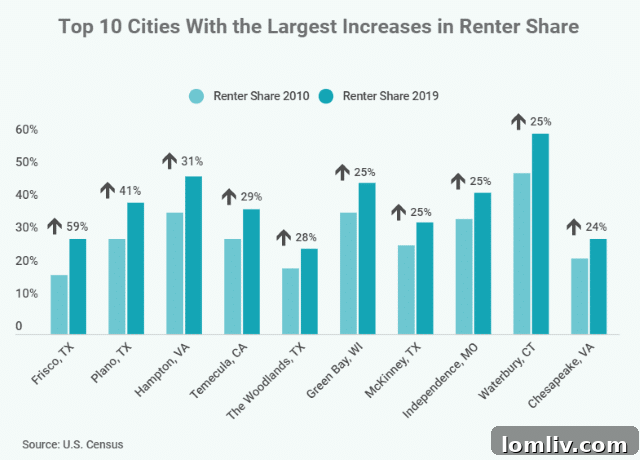
Frisco, in particular, showcased an astonishing transformation, more than doubling its renter population with a staggering 59 percent growth over the ten-year period. Not far behind, Plano experienced a robust 41 percent increase in its renter demographic. Neighboring McKinney also registered significantly in this trend, securing the seventh position in the national analysis, with its percentage of renters expanding by a notable 25 percent. These figures underscore a regional phenomenon, positioning Collin County as a crucial indicator of future housing market trajectories.
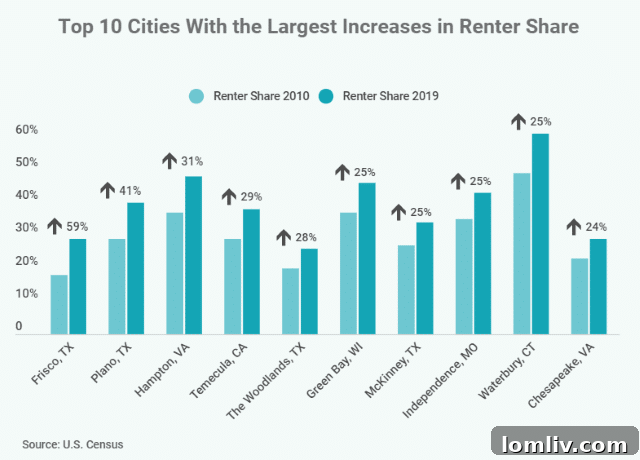
The geographical distribution of this trend further highlights a distinct pattern, with cities across the U.S. South and Southwest dominating the rankings for the greatest increases in renter shares, according to the insightful RENTCafé analysis. This regional concentration suggests a confluence of factors, including rapid population growth, robust economic expansion, and specific housing market conditions prevalent in these areas.
The meticulous data utilized in this analysis was primarily sourced from the U.S. Census Bureau’s American Community Survey one-year estimates, covering the period from 2010 to 2019. It is important to note that the data specifically tracks apartment units, offering a focused perspective on the multi-family rental market rather than encompassing single-family rental homes. This specificity allows for a clearer understanding of the dynamics influencing apartment living choices in these burgeoning urban centers.
Understanding the Drivers: Why North Texans Are Choosing to Rent
Economic Opportunity Fuels Population Influx
At first glance, the compelling reason behind this surge in renter preference appears to be the boundless economic opportunity pervading the region. The Collin County corridor, notably where the Sam Rayburn Tollway and the Dallas North Tollway intersect, has transformed into a veritable hotbed of economic activity and corporate relocation. This strategic location has attracted a wealth of businesses, leading to significant job creation and an influx of new residents seeking employment and a high quality of life.
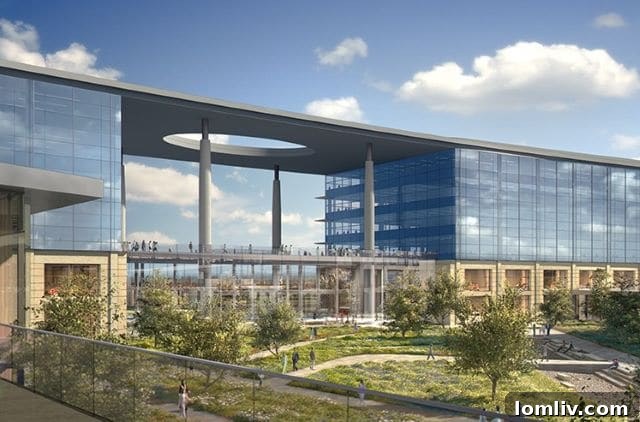
This dynamic area is now densely populated with expansive shopping venues, state-of-the-art business offices, and corporate campuses. A prime example is Toyota Motor North America, which strategically headquartered its operations in Plano, bringing thousands of jobs and substantial investment to the city. Similarly, the Dallas Cowboys have established a major, high-profile presence in Frisco with The Star, their headquarters and practice facility, and have ambitious plans for additional growth and development in the area, further cementing Frisco’s status as a burgeoning economic powerhouse.
The vibrant job market and the continued expansion of major corporations act as powerful magnets, drawing diverse demographics to Frisco, Plano, and McKinney. Many of these newcomers are young professionals, recent graduates, or families who initially prefer to rent, valuing the flexibility and lower upfront costs associated with apartment living as they establish themselves in a new city and explore their long-term housing options.
Navigating a Challenging Housing Climate: Inventory, Affordability, and Choice
Beyond the allure of economic opportunity, the overarching exodus towards renting rather than owning in North Texas and across the nation reflects a challenging general housing climate. A critical factor is the severely limited inventory of homes for sale, which continues to drive up prices well beyond initial list prices, making homeownership an increasingly aspirational, and often unattainable, goal for many. In this environment, renting emerges as a significantly more reasonable and pragmatic option.
Doug Ressler, a distinguished business intelligence manager at Yardi Matrix, succinctly summarizes the situation: “It’s supply and demand.” He elaborates, “Before the pandemic, affordability was a pressing issue. That concern is still very much with us, but a couple of other crucial factors are now profoundly influencing the market: supply – the inability to meet the escalating housing needs fast enough – and a pervasive lack of availability.” This scarcity directly translates into fierce competition and inflated prices in the home purchase market.
Despite mortgage rates falling to historic lows, a significant segment of the population is hesitant to commit to the rapidly rising home prices and endure the often complex and arduous financing process, as Ressler notes. The question of whether one can truly qualify for the housing they desire, given the current market conditions, becomes a significant deterrent. High down payments, closing costs, property taxes, and the ongoing maintenance responsibilities associated with homeownership further contribute to the appeal of renting. Renting offers a simpler, often more predictable financial commitment, without the burdens of property upkeep or the significant upfront capital required for a home purchase.
Rental Market Dynamics: Falling Rents Amidst Growing Demand?
Intriguingly, this increased preference for renting has unfolded alongside a notable trend of falling apartment rental prices in some areas, a dynamic that might seem counterintuitive at first glance. However, this paradox can be explained by a surge in new apartment construction responding to the long-term demand for rental units, which in turn creates more supply within the rental market, potentially easing price pressures in specific segments or locations.
According to Zumper’s latest survey of one-bedroom rentals, the year-over-year rent in Frisco experienced a 6 percent decrease, with the median rent for a one-bedroom apartment in October settling at $1,210. Plano saw an even more significant adjustment, with its one-bedroom rents falling by 8 percent year-over-year, reaching an average of $1,090 in October. These figures suggest a possible recalibration in the rental market, perhaps due to an increased supply of new apartment complexes or a slight cooling in demand for specific unit types.
Complementing these findings, Apartment List also released its October rent analysis. Their data largely aligns, reporting Frisco one-bedroom apartments going for $1,210, and Plano 1BRs renting for $1,180 a month. While the reasons for these slight price adjustments in a high-demand market are multifaceted, they could include increased inventory from newly constructed multi-family developments, temporary shifts in migration patterns, or a response to affordability ceilings for renters.
The Homeownership Landscape: A Tale of Two Cities
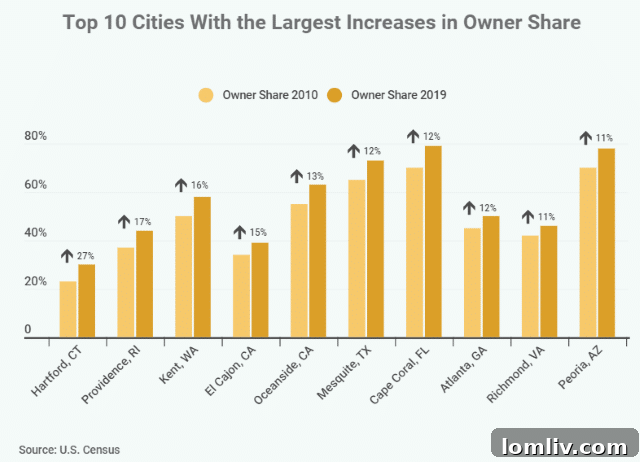
Delving back into the RENTCafé analysis, the trend towards renting is further underscored by a notable decline in homeownership rates in specific areas. Plano, for instance, experienced a significant 16 percent decrease in its share of homeowners, marking the most substantial reduction among Dallas-area cities. This reflects the intense competition for available homes and the soaring prices that have priced many residents out of the homebuying market.
In stark contrast, Mesquite, another city in the Dallas metroplex, registered a 12 percent increase in homeownership during the same period. This divergence highlights the varied micro-markets within the broader region. Mesquite’s growth in homeownership could be attributed to a number of factors, including a greater availability of more affordably priced homes, different economic drivers, or demographic shifts that favor traditional home purchases in that specific locale.
Future Outlook: Development, Inventory, and Long-Term Trends
The trajectory of renter growth in Frisco, Plano, and McKinney will undoubtedly be influenced by the rapid pace of development across the region. While inventory for home purchases has been historically low, this dynamic could begin to shift, particularly for Frisco and McKinney, which are seeing significant construction activity.
According to data from Addison-based Tomlin Investments, Frisco has already surpassed the impressive mark of 2,000 building permits issued for the current year. This positions Frisco as the fastest-growing D-FW suburb for single-family home construction, indicating a strong commitment to expanding housing options. From January 1 through October, builders targeting Frisco were granted 2,011 permits, representing a substantial 16 percent increase from the same ten-month period in the previous year. This surge in construction activity suggests that while renter growth has been dominant, there’s also a significant effort to cater to the demand for single-family homes.
McKinney also shows a robust construction pipeline, with 1,305 permits issued, despite a slight 1 percent decrease compared to the prior year. This sustained building activity in McKinney points to continued expansion and an evolving housing landscape. Conversely, Plano, which is largely considered “built out” with less undeveloped land available, saw a comparatively modest 236 permits issued. This limited new construction in Plano suggests that its housing market dynamics will continue to be heavily influenced by existing inventory and demographic shifts within its established footprint.
The interplay between new construction, ongoing economic growth, and the affordability challenges of homeownership will be pivotal in determining future housing trends in these North Texas powerhouses. Will the new influx of single-family homes in Frisco and McKinney temper the renter growth, or will the appeal of flexibility and the financial realities continue to drive residents towards renting? This metric, encompassing both rental market trends and homeownership shifts, is certainly something to keep a close eye on as North Texas continues its remarkable expansion.