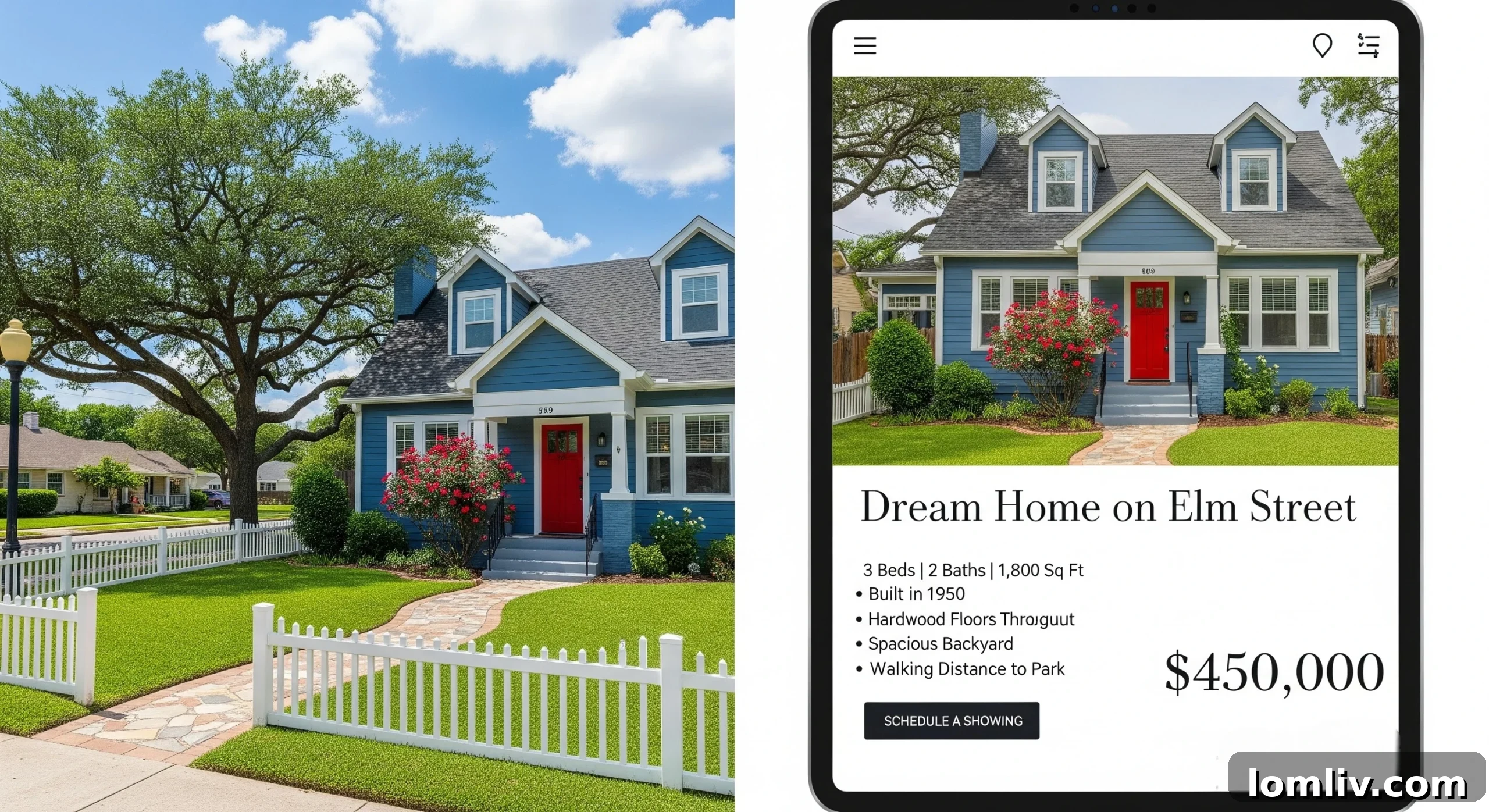
For generations, the visual charm of a property, commonly known as curb appeal, was the primary catalyst for a home sale. A fresh coat of paint, meticulously maintained landscaping, and a welcoming front porch were essential in creating that crucial first impression. These traditional elements still hold immense value, inviting potential buyers to envision their future within the home. However, in today’s digital age, the initial encounter with a property predominantly occurs online. Prospective clients typically discover a listing through a search engine or social media, meticulously scroll through high-resolution photos, and delve into neighborhood specifics long before they ever set foot on the property. The modern challenge for real estate professionals is to seamlessly integrate these traditional and digital marketing approaches into a single, cohesive experience. This unified strategy is designed to build trust, capture attention, and effortlessly guide a buyer from a mere click on a listing to an actual in-person showing, ultimately paving the way for a successful sale.
The Enduring Power of Offline Real Estate Marketing
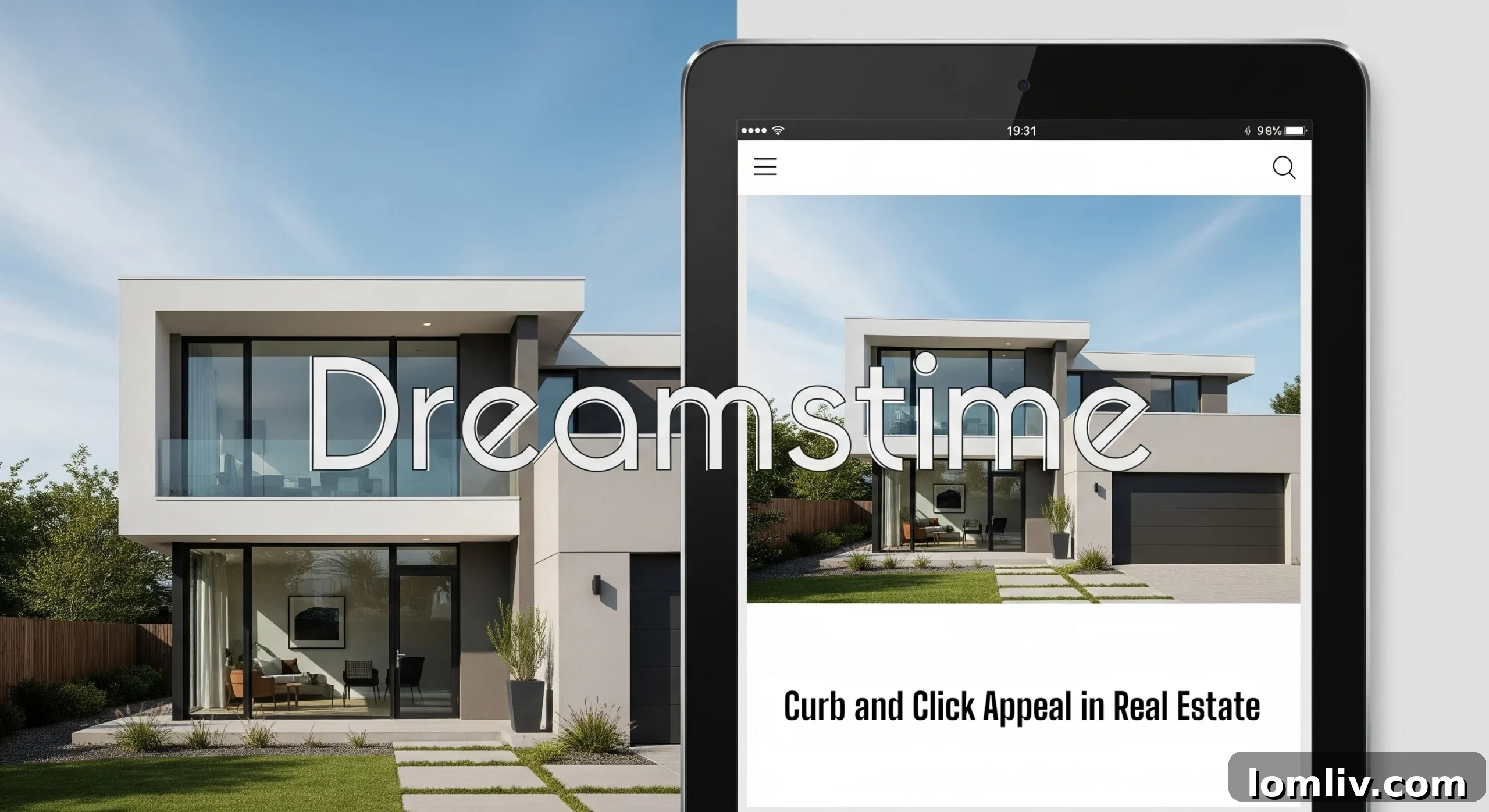
While digital platforms have transformed how properties are discovered, the human element and emotional connection forged in real life remain irreplaceable in real estate. There’s a tangible difference between viewing a property online and experiencing it firsthand. A leisurely drive through a vibrant neighborhood allows buyers to absorb the local atmosphere, assess the community’s amenities, and envision their daily commute. Stepping into a thoughtfully staged living room enables them to feel the space, appreciate its flow, and imagine their own furniture and family life unfolding within its walls. The subtle aroma of a fresh home, the texture of quality finishes, or the sound of birds in the backyard are sensory experiences that no screen can fully replicate. High-quality printed materials, such as a well-designed brochure, provide a tangible takeaway—something buyers can hold, reference later, and share with family members, extending the property’s presence beyond the initial visit.
These offline details imbue your listing with a powerful, palpable presence, helping a buyer to concretely picture their future daily life in that home. Furthermore, traditional marketing tools play a critical role in setting clear expectations regarding property ownership. It’s crucial for your marketing materials to accurately reflect what truly transfers at closing. Features permanently attached to the property and considered part of the real property rights, such as built-in shelving or a landscaped garden, convey with the land. Conversely, removable items, like freestanding appliances or decorative curtains, are personal property and may not be included in the sale unless specifically negotiated. Clearly distinguishing these elements prevents misunderstandings and builds buyer confidence.
To maximize the impact of your offline efforts, keep your core strategies robust and highly effective: an inviting curb appeal that makes a strong first visual statement, professionally printed pieces that buyers can review and remember, engaging open houses that allow prospective owners to physically interact with the layout and imagine living there, and a visible, active presence in the community that builds trust and familiarity. Each of these elements stands strong on its own, yet each also serves as an invaluable precursor, expertly teeing up your digital follow-through and creating a holistic marketing ecosystem.
The Evolution of First Impressions: Mastering Click Appeal
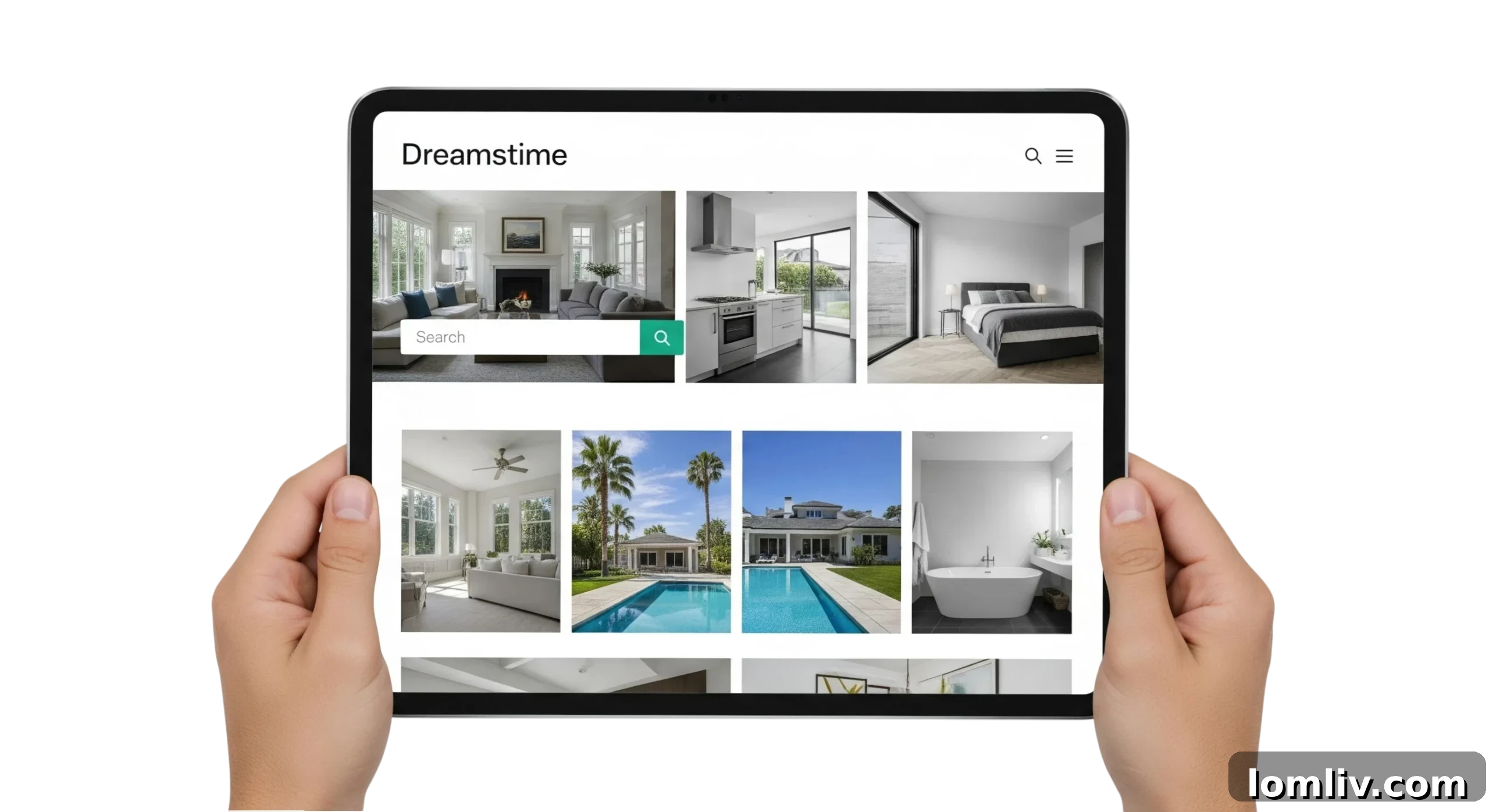
If traditional curb appeal acts as the welcoming embrace that invites people to cross the threshold, then “click appeal” is the irresistible force that captures their interest and propels them towards that initial engagement online. In an era where an overwhelming majority of buyers commence their home search on the internet, a property’s digital presentation has become arguably the single most critical factor in determining whether they will take the next step and schedule an in-person showing. A compelling online presence isn’t just a bonus; it’s a prerequisite for standing out in a crowded digital marketplace.
Achieving stellar click appeal in today’s competitive real estate landscape hinges on the strategic deployment of several sophisticated digital tools and techniques:
- High-Quality Visuals: The Digital Shop Window
Professional photography is no longer a luxury but an absolute necessity. This includes crisp, well-lit images captured from optimal angles, showcasing every room and significant feature. Beyond still photos, professional videography offers a dynamic tour, bringing the property to life. Drone footage provides breathtaking aerial views, highlighting the property’s location, lot size, and proximity to neighborhood amenities. Moreover, strategically chosen supplemental lifestyle stock photos can be used to enhance a listing or marketing campaign, illustrating the lifestyle associated with the home and its surroundings, adding an aspirational dimension. Virtual staging is another powerful tool, allowing vacant properties to be presented with designer furniture and decor, helping buyers envision the space’s full potential. - Compelling Copy: Crafting a Narrative
Effective property descriptions go far beyond simply listing square footage, bedroom counts, or standard features. Modern buyers are looking for stories, for how a home will enrich their lives. Compelling copy highlights lifestyle benefits – perhaps the sun-drenched breakfast nook perfect for morning coffee, the spacious backyard ideal for family gatherings, or the quiet study offering a perfect work-from-home sanctuary. It evokes emotion, paints a vivid picture, and allows buyers to mentally inhabit the space before they physically step inside. - Immersive Virtual Tours: Exploration Without Limits
In a world where convenience is key, immersive 3D walkthroughs and high-definition video tours are game-changers. These technologies empower prospective buyers to virtually explore properties at any time, from any location, offering a comprehensive and interactive experience. From Matterport tours that allow users to “walk through” a home as if they were there, to professionally produced video tours guided by the agent, these tools save both buyer and agent time, qualify leads more effectively, and significantly expand the reach of a listing, attracting interest from out-of-town or international buyers. - Targeted Digital Advertising: Reaching the Right Audience
Leveraging platforms like social media (Facebook, Instagram, LinkedIn) and search engines (Google Ads) allows real estate professionals to precisely target their advertising efforts. Advertisements can be customized based on demographics, interests, search history, and geographic location, ensuring that listings appear directly in the feeds of the most relevant audience. This precision targeting maximizes visibility, generates higher-quality leads, and optimizes marketing spend, making every dollar work harder. - SEO-Optimized Content: Enhancing Online Visibility
To ensure your listings and brand appear prominently in search engine results, creating SEO-optimized content is crucial. This includes publishing informative blog posts about local market trends, detailed neighborhood guides showcasing amenities and lifestyle, and dedicated landing pages for specific property types or buyer profiles. By strategically incorporating relevant keywords (e.g., “homes for sale in [city],” “luxury condos [area],” “first-time buyer guide”), you increase organic traffic to your website, establish your authority as a local expert, and capture buyers early in their search journey.
Cultivating strong click appeal provides your listing with a distinct competitive advantage in the digital realm. The thoughtful selection and expert application of these digital marketing tools can genuinely make all the difference between a listing that languishes and one that generates immediate, widespread interest.
Seamless Integration: Bridging the Gap with Simple Systems
The true power of modern real estate marketing lies in its ability to create a consistent, integrated experience across all touchpoints, both online and offline. By implementing simple, efficient systems, you can ensure that your efforts seamlessly transition prospective buyers from digital discovery to real-world engagement and beyond, fostering trust and streamlining their journey.
- Leverage Events to Grow Your Audience and Capture Leads:
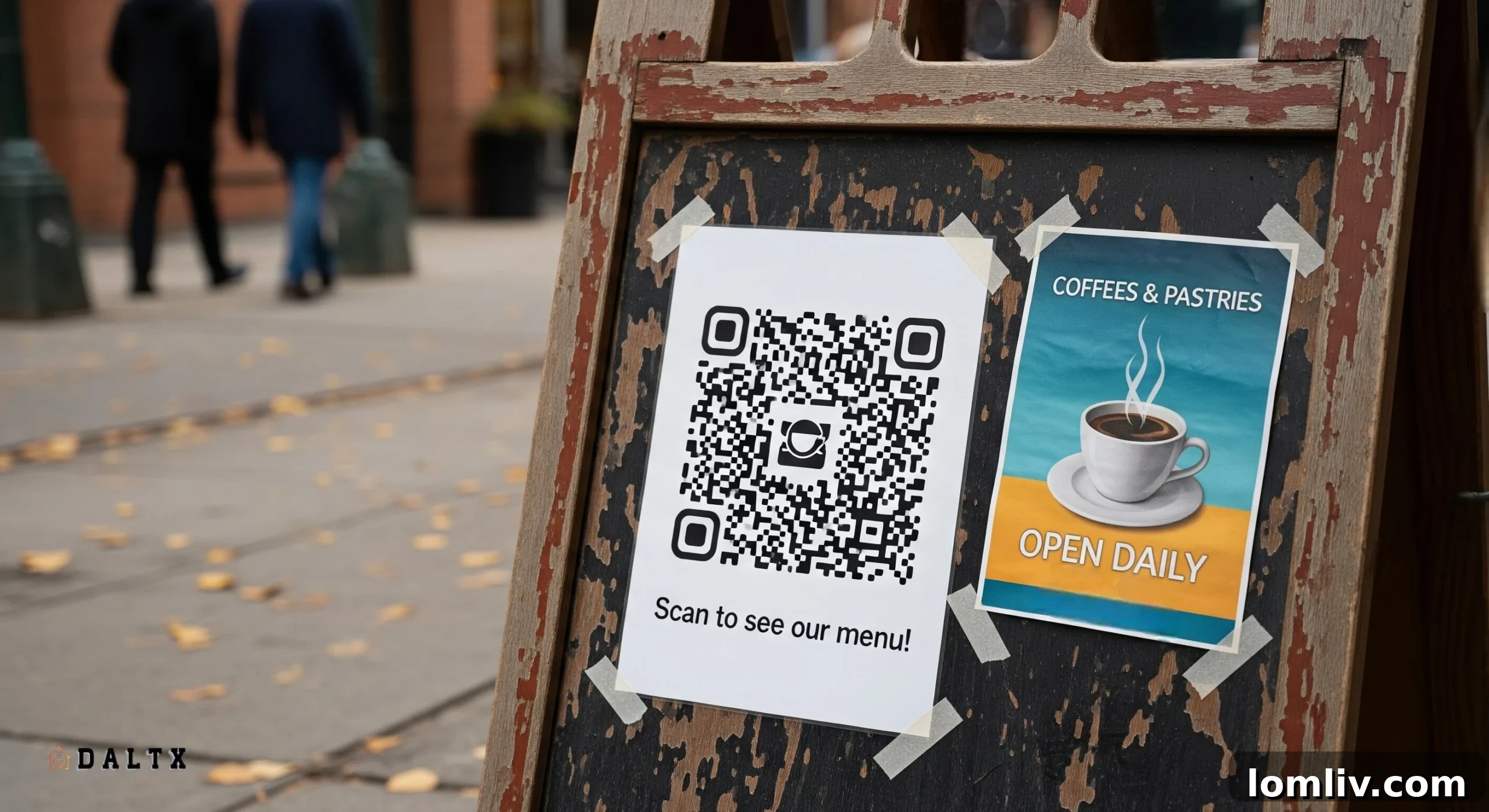
Open houses are prime opportunities to merge online and offline strategies. Promote your open house extensively across all digital channels—email marketing campaigns, targeted social media posts, and even local community groups. At the entrance, streamline lead capture by offering a prominent QR code that links directly to the property’s detailed listing page, complete with a virtual tour, floor plans, and a contact form. This not only gathers contact information efficiently but also provides immediate access to comprehensive digital resources. Following the event, prompt follow-up is crucial. Send a personalized thank-you note via email, reiterating key features and including direct links to the virtual tour, detailed floor plan, and other relevant digital content, keeping the property top-of-mind. - Efficiently Repurpose Existing Content: Maximize Reach with Minimal Effort:
Smart content repurposing extends the life and reach of your marketing assets. Transform your elegant printed brochure into a shareable, interactive PDF that can be emailed to prospects or embedded on your website. A positive comment or testimonial from a satisfied neighbor can be easily converted into an eye-catching quote graphic for social media, building social proof. Behind-the-scenes photos captured during property staging can be compiled into an engaging carousel post on Instagram, offering a glimpse into the property’s transformation and subtly reinforcing your brand’s commitment to quality. This approach ensures every piece of content works harder, reaching different segments of your audience through various formats. - Maintain Unwavering Brand Consistency Across All Platforms:
A consistent brand identity is fundamental for recognition and trust. Ensure that your physical marketing materials—your “For Sale” sign, flyers, postcards, and business cards—perfectly mirror the visual aesthetic and tone of voice presented on your website, social media profiles, and email communications. When a buyer encounters your distinct logo, color palette, and professional messaging consistently across both physical and digital spaces, it significantly enhances your credibility. This visual cohesion makes it effortless for them to recognize your brand, recall your services, and easily locate you again, reinforcing a sense of professionalism and reliability. - Align Online Information with Real-World Buying Steps: Guiding Buyers Through the Process:
As buyers progress through the often-complex home-buying journey, your integrated marketing materials should serve as a helpful guide, demystifying each stage. Provide accessible online resources such as a simple explainer blog post or infographic detailing what happens in the weeks leading up to closing day. Crucially, emphasize the importance of reviewing the Closing Disclosure a minimum of three business days before closing. This vital five-page document outlines critical financial details, including your loan term, amount, interest rate, estimated monthly payment, all closing costs, and the precise cash needed to close. Encourage buyers to meticulously read it, compare it against their initial loan estimate, and ask any questions they may have. Additionally, a clear, downloadable checklist of documents and items to bring to the closing table makes your service feel comprehensive, proactive, and exceptionally client-focused.
Crafting a Cohesive Narrative: Tell One Story Across Every Channel
The most successful real estate marketing campaigns are those that tell a singular, compelling story about a property, consistently reinforcing that message across every available channel. Begin by identifying a clear, resonant theme for the home you’re marketing. Is it a “Family Oasis” with ample space for children and pets? An “Entertainer’s Dream” designed for hosting unforgettable gatherings? Or perhaps a “Serene Retreat” perfect for quiet relaxation? Once this theme is established, every subsequent marketing effort should align with it.
For instance, if your chosen theme positions a listing as exceptional for entertaining, ensure that your staging reflects this. Arrange the patio with comfortable seating and a BBQ setup, and organize the kitchen to showcase its functionality for guest flow. Your digital content should then echo this. Post a quick, engaging video that visually walks through the space, demonstrating how guests can seamlessly move from the kitchen to the dining area and out to the patio. Utilize your printed brochure to highlight the open-concept floor plan, the ample counter space, and the hidden storage solutions that support effortless entertaining. By consistently repeating this single, powerful message in various formats—visual, textual, and experiential—it resonates deeply with prospective buyers, helping them to vividly picture their own routines, celebrations, and life events unfolding within that very home. This cohesive storytelling fosters a stronger emotional connection and elevates the property’s desirability.
Empowering Buyers: Utilizing Helpful Market Markers and Education
Navigating the real estate market can be complex, especially for first-time buyers. By leveraging the language and markers buyers encounter online, you can provide invaluable guidance and build trust throughout showings and follow-up communications. The MLS (Multiple Listing Service) status updates are prime examples of this. Understanding what “contingent” means—that the seller has accepted an offer, but the sale is subject to specific conditions being met (like a successful inspection or financing approval)—is crucial. If these contingencies are satisfied, the status typically progresses to “pending,” signaling that the deal is well underway and has moved past its major hurdles, though it’s not yet officially closed. Knowing if “backup offers are welcome” or if the home is “still being shown” provides strategic insight. This knowledge empowers you to guide your clients effectively on the optimal timing for their offer, the importance of a strong pre-approval, and the critical next steps in a competitive market.
Beyond market statuses, it’s vital to prepare buyers for common protections embedded within an offer. An inspection contingency, for example, grants buyers a short but critical window, typically seven to ten days from the acceptance of the offer, to conduct a thorough property evaluation. During this period, they have the option to renegotiate terms based on findings, request repairs, or even cancel the contract if significant issues arise. Setting this expectation early in the process and assisting buyers in scheduling inspections quickly ensures they have ample time to make informed decisions before the deadline. Similarly, explaining financing contingencies (making the sale dependent on the buyer securing a loan) and appraisal contingencies (ensuring the property’s value meets the loan amount) will further equip your clients with the knowledge needed to navigate their purchase confidently.
Building Trust Through Practical Education

Your robust digital content is an excellent platform for proactively addressing the common questions and concerns buyers often have after an open house or initial viewing. Providing clear, concise, and trustworthy information not only reinforces your expertise but also builds invaluable trust with your clientele.
- Navigating Post-Inspection Outcomes:
Create a digestible blog post or infographic that clearly explains the process following a home inspection. Detail the difference between minor cosmetic fixes and significant structural issues. Outline the potential avenues for resolution, such as requesting seller-paid repairs, negotiating a credit at closing, or adjusting the purchase price. Additionally, clarify the typical timeframe sellers have to respond to these requests, setting realistic expectations for buyers during this crucial negotiation phase. - Demystifying Closing Day: A Clear Checklist:
The closing day can be a daunting prospect for many buyers. Offer a straightforward, comprehensive checklist covering everything they need to know and bring. This should include essential items like title documents, proof of homeowners insurance, the exact amount of “cash to close” (typically a wire transfer), and necessary identification. Crucially, include a reminder to lock in their mortgage interest rate within a reasonable window before closing, ensuring their estimated monthly payment remains predictable and stable. - Understanding Escrow Accounts and Payments:
Explain in simple, jargon-free language how escrow accounts function within the context of a mortgage. Clarify that funds for property taxes and homeowners insurance are frequently collected by the lender as part of the monthly mortgage payment and held in an escrow account. This system primarily serves to protect the lender’s collateral by ensuring these crucial payments are made on time. Additionally, educate buyers about the possibility of an “escrow waiver,” explaining that some qualified borrowers may have the option to manage these bills independently if they meet specific equity and credit guidelines, empowering them with choices.
Beyond these specific scenarios, outlining the broader scope of regular homeownership costs is paramount. Buyers need to budget for more than just the principal and interest portion of their mortgage. Provide a clear breakdown of potential expenses, including estimated annual property taxes, homeowners insurance premiums, Homeowners Association (HOA) dues (where applicable, and details on what these cover), and typical utility costs (electricity, water, gas, internet). Proactive, clear, and friendly education on these financial realities not only reinforces your expertise as a knowledgeable real estate professional but also ensures your brand remains a useful and trusted resource for clients long after the showings are over.
Final Thoughts: The Synergy of Modern Real Estate Marketing
In the dynamic world of real estate, success hinges on a sophisticated blend of time-honored traditions and cutting-edge digital innovation. Continue to strategically invest in classic curb appeal, meticulously maintaining and enhancing the physical presentation of every property to create that genuine, warm, in-person welcome. Simultaneously, relentlessly polish your digital presence—your “click appeal”—to captivate online audiences and entice them to lean further into your listings. When every facet of your marketing efforts—from your meticulously crafted print materials and distinctive signage to your engaging online listing pages and personalized follow-up content—harmoniously tells the same compelling story, you create an effortless, reassuring pathway for buyers. This unified approach not only strengthens your brand but also empowers potential homeowners, making it incredibly easy for them to confidently take that pivotal next step with you, transforming interest into action and ultimately, dreams into reality.