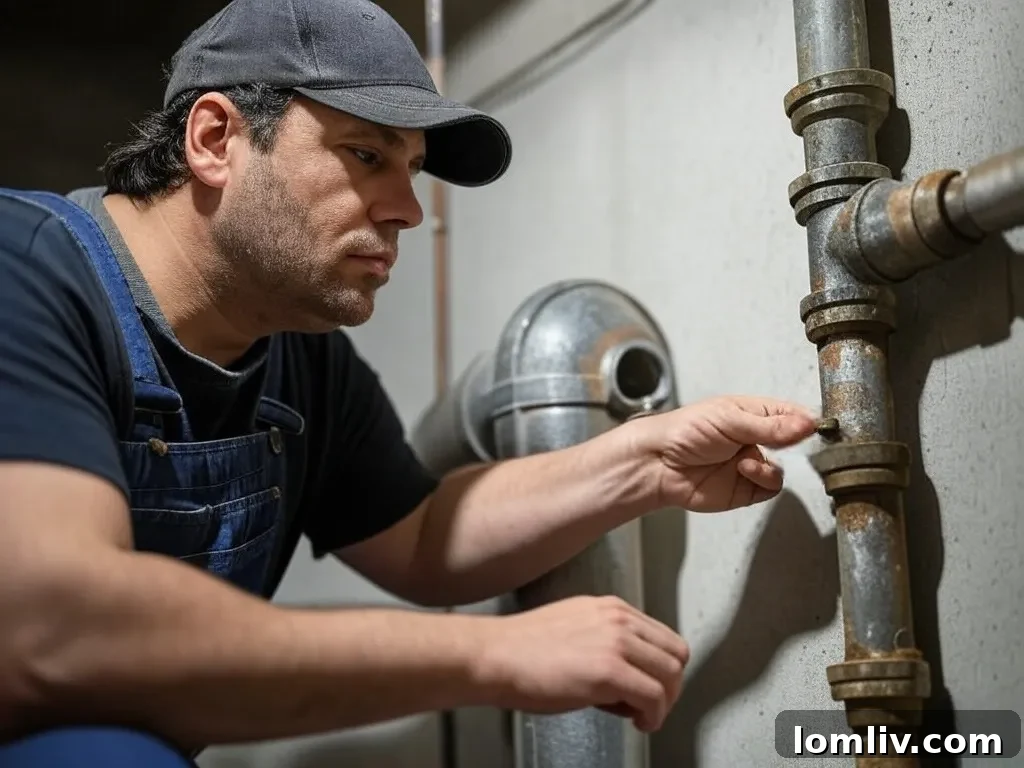
The intricate network of pipes and fixtures that make up your home’s plumbing system is remarkably susceptible to the ebb and flow of seasonal changes. From the brutal cold of winter to the intense heat of summer and the heavy rains of spring and fall, each season presents unique challenges that can impact your plumbing’s integrity and performance. Sudden temperature swings, in particular, can be incredibly damaging, leading to issues like frozen pipes, cracks, or leaks. Even what seems like a minor leak can escalate into significant water damage over time, potentially costing homeowners thousands in repairs if not detected and addressed promptly.

For instance, the bitter cold of winter is notorious for causing pipes to freeze and potentially burst, leading to catastrophic water damage. Conversely, the increased rainfall and debris during the rainy season often contribute to clogged drains and overflowing gutters, posing risks to your home’s foundation. Recognizing these seasonal vulnerabilities underscores the critical importance of a proactive approach to plumbing maintenance. Routinely inspecting various components of your plumbing system is not just a good practice; it’s an essential step in ensuring proper water flow, maintaining system efficiency, and detecting potential issues before they escalate into costly emergencies. By taking preventative measures, homeowners can protect their investment, extend the lifespan of their plumbing infrastructure, and enjoy peace of mind throughout the year.
This comprehensive guide will outline crucial steps every homeowner can take to safeguard their plumbing system against the challenges posed by seasonal shifts, ensuring a resilient and reliable water supply no matter the weather outside.
1. Inspect Pipes for Cracks and Weak Spots
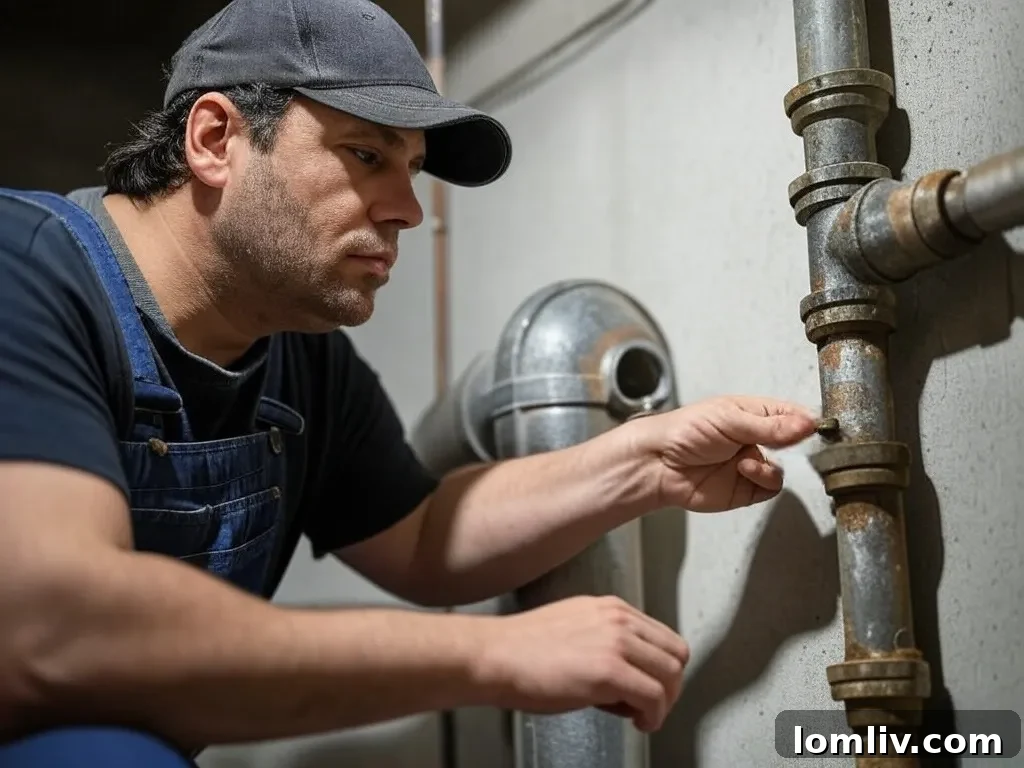
One of the most insidious threats to your home’s plumbing comes from the constant expansion and contraction caused by fluctuating temperatures. This stress can weaken pipes over time, leading to hairline cracks or leaks that may start small but can have significant consequences. A seemingly minor drip can waste hundreds of gallons of water annually, directly impacting your utility bills and potentially leading to substantial structural damage if left unaddressed. Regular, thorough inspections are paramount for early detection and prevention.
Focus your inspection on easily accessible plumbing lines. This includes areas beneath sinks in kitchens and bathrooms, within crawl spaces, basements, utility rooms, and particularly around your water heater. Don’t forget to check any exposed pipes in garages or unfinished areas. Look meticulously for telltale signs of trouble: visible water droplets, persistent dampness, discoloration on pipes or surrounding materials, musty odors that often indicate mold or mildew growth, rust stains, or peeling paint near plumbing fixtures. Even a subtle increase in your water bill without a corresponding increase in usage can be a strong indicator of a hidden leak.
It is prudent to address these problems immediately. A small leak can quickly erode surrounding materials, leading to wood rot, drywall damage, and the proliferation of harmful mold spores. Beyond the immediate repair costs, such water damage can significantly decrease your home’s overall value and create an unhealthy living environment. Equip yourself with a flashlight and a dry cloth for better visibility and to wipe pipes, making any fresh leaks more apparent. While some minor leaks might be a DIY fix, it’s often best to consult a professional plumber for precise diagnosis and lasting repair, especially if you’re unsure about the source or extent of the damage. Proactive inspection and timely repairs are your best defense against costly water damage and compromised plumbing integrity.
2. Protect Outdoor Plumbing Fixtures
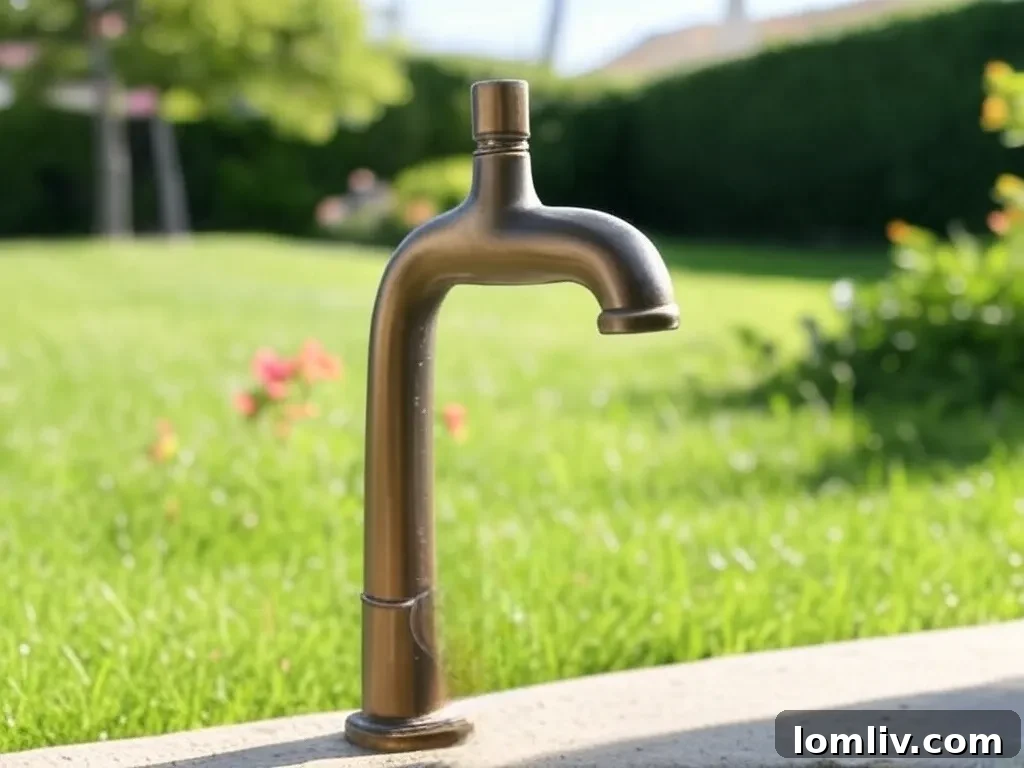
Outdoor plumbing fixtures are particularly vulnerable to the harsh realities of weather changes, acting as direct conduits between your home’s interior plumbing and the elements. Garden hoses, sprinkler systems, and outdoor faucets are prime candidates for damage, especially during the colder months. When standing water freezes, it expands with immense force, which can easily cause pipes to crack or burst, leading to expensive repairs and potential indoor water damage once temperatures rise.
Winterization of outdoor plumbing is a critical preventative measure. Before the first frost, ensure you disconnect all garden hoses from outdoor spigots, drain them completely, and store them in a protected area like a shed or garage. For outdoor faucets, locate the interior shut-off valve (usually in your basement or crawl space) and turn off the water supply to the exterior spigot. Once the water is off, open the outdoor faucet to allow any residual water to drain out, then close it. For added protection, consider insulating exposed outdoor pipes and faucets with foam covers or insulating tape, even if they are “frost-free” spigots, as extreme cold can still pose a risk.
During the warmer seasons, outdoor plumbing requires a different kind of vigilance. Regularly inspect garden hoses for leaks, kinks, or cracks, which can waste water and reduce efficiency. For sprinkler systems, check that all sprinkler heads are working correctly and are properly aligned to avoid overwatering certain areas or spraying directly onto your house’s foundation. Test the system for leaks in the lines, which can lead to significant water loss and even localized water damage to your lawn or landscaping. Addressing these issues promptly not only conserves water but also prevents potential damage to your property. Properly maintained outdoor plumbing ensures efficient water usage and protects your home from the seasonal shifts that can otherwise cause considerable damage.
3. Keep Gutters and Downspouts Clear
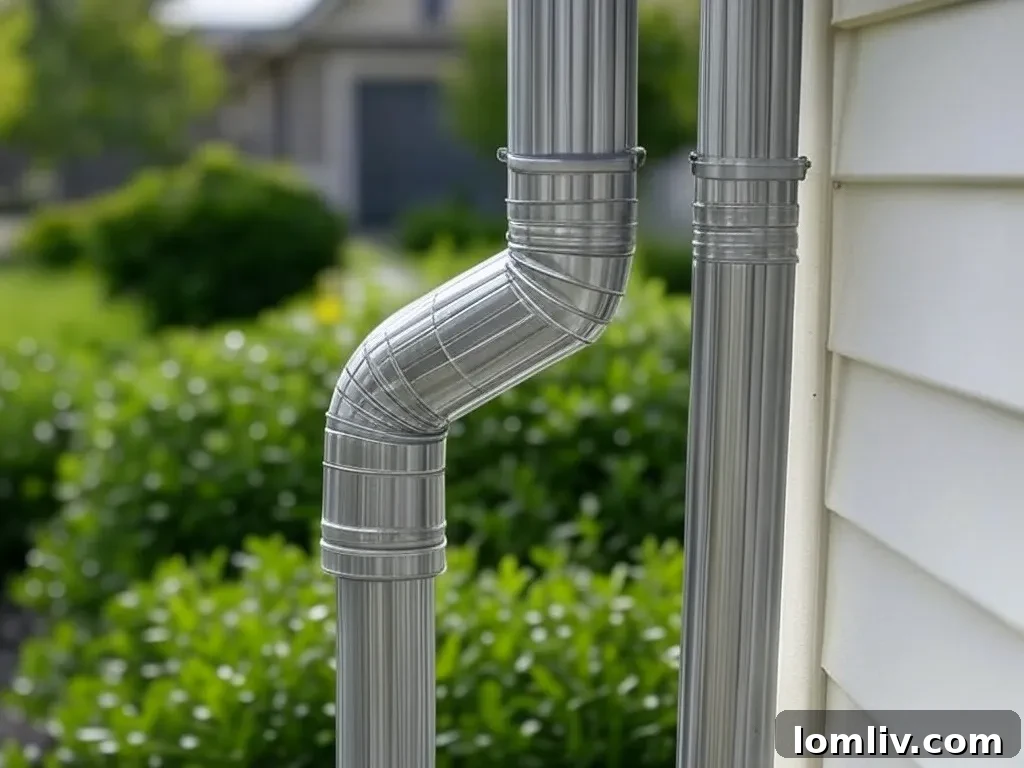
While often overlooked in plumbing discussions, your home’s gutter and downspout system plays a crucial role in diverting rainwater away from your foundation. A clogged gutter or downspout can have devastating consequences, especially during heavy rainfall. When these channels are blocked by leaves, twigs, dirt, or other debris, water cannot flow freely. Instead, it backs up, overflows, and cascades directly down your home’s exterior walls, pooling around the foundation. This constant saturation can lead to several severe problems, including hydrostatic pressure against your foundation, which can cause cracks, basement leaks, and even compromise the structural integrity of your home over time. Furthermore, persistent moisture around the foundation creates an ideal environment for mold and mildew growth, which can migrate indoors.
Regular maintenance of your gutters and downspouts is essential, particularly during the fall and spring seasons when foliage is abundant. Make it a routine to clean out leaves, pine needles, and other debris from these areas to ensure unobstructed water flow. Consider installing gutter guards to minimize future clogging. Beyond the exterior, it’s equally important to monitor your indoor drains for signs of blockage. Slow-draining sinks, bathtubs, or showers, as well as gurgling sounds, can indicate a developing clog within your home’s plumbing system. These blockages, often caused by hair, soap scum, grease, and food particles, can lead to standing water, foul odors, and even back-ups if not addressed.
To prevent debris buildup in your interior drains, implement preventive habits. Use drain screens in showers and sinks to catch hair and food particles. Avoid pouring fats, oils, and grease (FOG) down the drain, as they solidify and create stubborn blockages. Regularly flush your drains with hot water, and consider using a mild, enzyme-based drain cleaner every few months. Unlike harsh chemical cleaners that can damage pipes, enzyme cleaners safely break down organic matter. If you encounter a persistent or severe clog that won’t clear with home remedies, it’s advisable to call a professional plumber. They have specialized tools, such as drain snakes or hydro-jetting equipment, to safely and effectively clear deep-seated blockages without harming your plumbing system. Proactive gutter and drain maintenance protects your home from both external water damage and internal drainage issues.
4. Schedule a Plumbing Inspection by a Licensed Technician
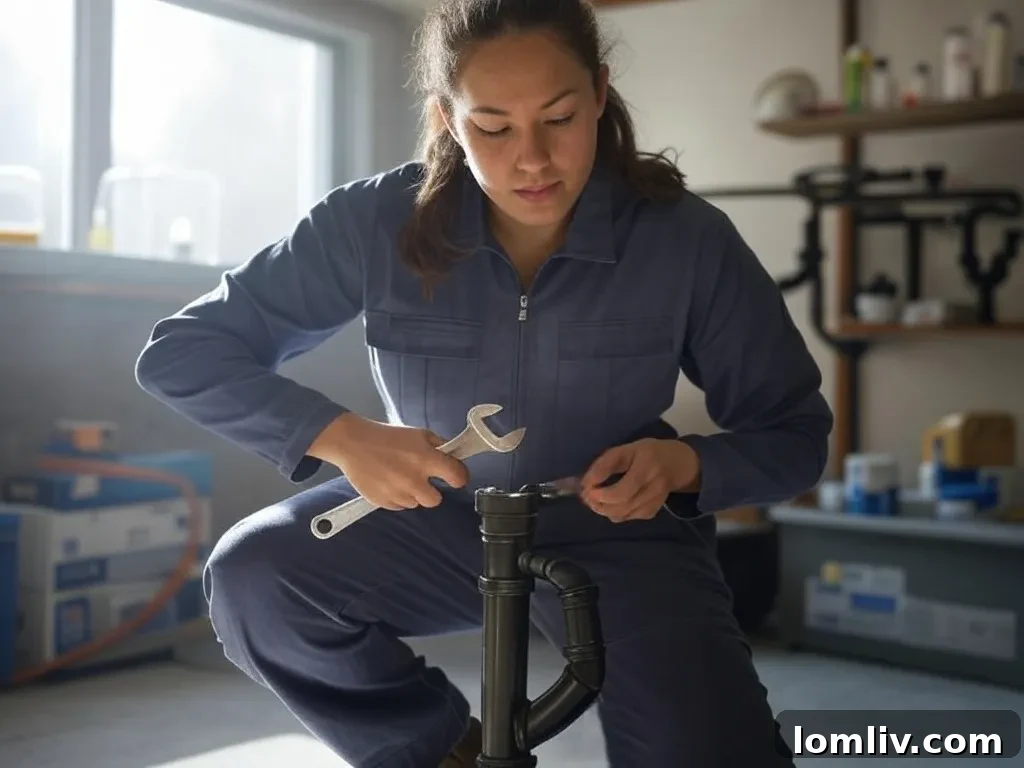
While homeowners can diligently perform visual inspections and basic maintenance, many critical plumbing issues often remain hidden beneath floors, behind walls, or underground. This is precisely why scheduling a professional plumbing inspection by a licensed technician is an invaluable step in truly safeguarding your home’s plumbing system. A professional eye can uncover hidden leaks, detect insidious low water pressure problems that indicate deeper issues, or identify worn-out, corroding pipes that are on the verge of failure. These are the kinds of problems that, if left undetected, can quickly escalate into catastrophic and incredibly expensive repairs.
During a comprehensive seasonal tune-up, a skilled and licensed plumbing technician will systematically evaluate your entire plumbing infrastructure. This goes far beyond a cursory glance. They will inspect everything from your main water line and all accessible pipes to your faucets, toilets, drains, and critically, your water heater. They’ll perform pressure tests to check for subtle leaks, assess the condition of your shut-off valves, and look for signs of corrosion or deterioration. Modern plumbers also utilize advanced tools like video camera inspections for sewer lines to pinpoint blockages, tree root intrusions, or structural damage deep within your pipes without intrusive digging. They’ll also evaluate the overall efficiency of your system, checking for optimal water flow and identifying any areas where energy or water might be wasted.
Beyond identifying existing problems, the technician will provide expert maintenance advice tailored to the specific season and the unique characteristics of your home. This might include recommendations for winterization, tips for optimal water heater performance, or strategies for preventing common seasonal clogs. These regular, professional tune-ups are a proactive investment in your home’s future. They significantly prolong the lifespan of critical plumbing parts, help maintain peak system efficiency, and most importantly, drastically reduce the risk of unexpected and costly plumbing emergencies down the line. The peace of mind that comes from knowing your plumbing system is robust and well-maintained is truly priceless.
5. Check Water Heater Performance
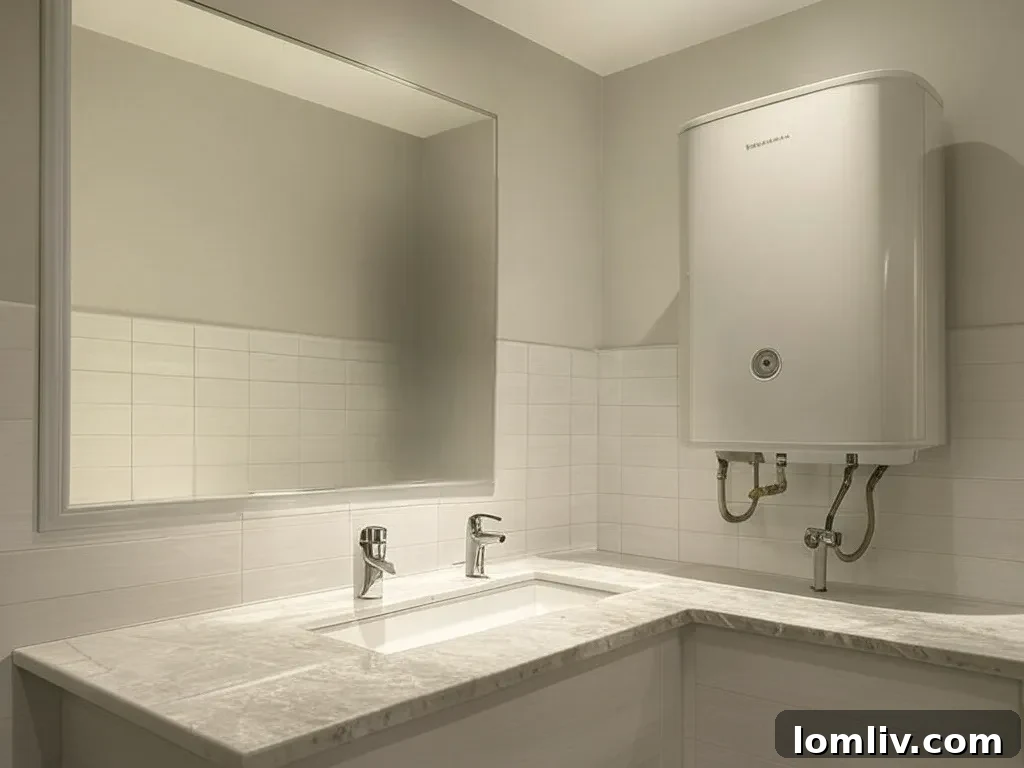
Your water heater is arguably one of the hardest-working appliances in your home, especially as seasons change. In winter, colder incoming water forces the unit to work harder to maintain your desired temperature, placing considerable strain on its components. Conversely, increased usage during warmer months can also stress the system. Vigilance regarding its performance is key to avoiding sudden cold showers and expensive repairs. When you begin to notice symptoms such as a lack of consistent hot water, significant temperature fluctuations, unusually low water pressure from hot taps, or discolored (rusty) water, these are clear indicators that your water heater is struggling and likely requires immediate attention, often in the form of a tank flush or professional service.
The primary culprit behind many water heater issues is sediment buildup at the bottom of the tank. This sediment, composed of minerals from your water supply, acts as an insulating layer, forcing the heating element to work harder and less efficiently. This not only increases your energy bills but also accelerates wear and tear on the tank, significantly shortening its lifespan. Flushing out this built-up sediment a few times a year is a simple yet incredibly effective maintenance task that drastically improves heating efficiency and extends the life of the unit. This step is particularly crucial for homes located in areas with hard water, as higher mineral content causes sediment to accumulate much faster, reducing efficiency and potentially leading to premature failure.
Beyond flushing, there are other important checks. Periodically inspect the pressure relief valve to ensure it’s functioning correctly, preventing dangerous pressure buildup. For electric water heaters, check the heating elements. For gas models, inspect the burner assembly and vent system. Consider insulating your water heater tank and the first six feet of both hot and cold water pipes connected to it; this simple measure can reduce heat loss by 25-45% and save you money on energy bills. Also, verify that your water heater’s temperature is set appropriately, typically between 120-125°F, for both safety and efficiency. If you’re unsure about any of these maintenance steps or if the symptoms persist after basic maintenance, always consult a licensed plumber. They can diagnose complex issues, perform necessary repairs, or advise on replacement options, ensuring your home has a reliable supply of hot water throughout the year.
Maintaining your home’s plumbing system throughout the year is a non-negotiable aspect of responsible homeownership. From meticulously inspecting indoor pipes for insidious leaks to safeguarding outdoor equipment against the elements, and ensuring your water heater operates at peak performance, a comprehensive approach is vital. While many tasks can be handled by homeowners, leveraging the expertise of a professional plumbing inspection service is invaluable for uncovering hidden problems and ensuring every component of your water system is running smoothly and efficiently.
By adopting a proactive mindset and committing to regular plumbing maintenance, you can effectively prevent major water damage, avoid costly emergency repairs, and significantly extend the lifespan of your entire plumbing infrastructure. No matter how the seasons change, a well-maintained plumbing system guarantees peace of mind, consistent performance, and the protection of your most valuable asset – your home.