
Dallas, a vibrant economic hub, continues to attract homeowners and real estate investors, yet the local market presents unique challenges. High interest rates, escalating property tax bills, and rising insurance premiums mean every financial decision must be meticulously considered. In this dynamic environment, many astute individuals are diversifying their portfolios beyond traditional housing and stock market investments, turning to assets that offer inherent value and stability. Gold and collectible coins stand out in this regard, serving as robust stores of value and playing a crucial role in wealth preservation strategies for residents across the Dallas-Fort Worth metroplex.
Why Dallas Residents Are Turning to Precious Metals for Wealth Protection
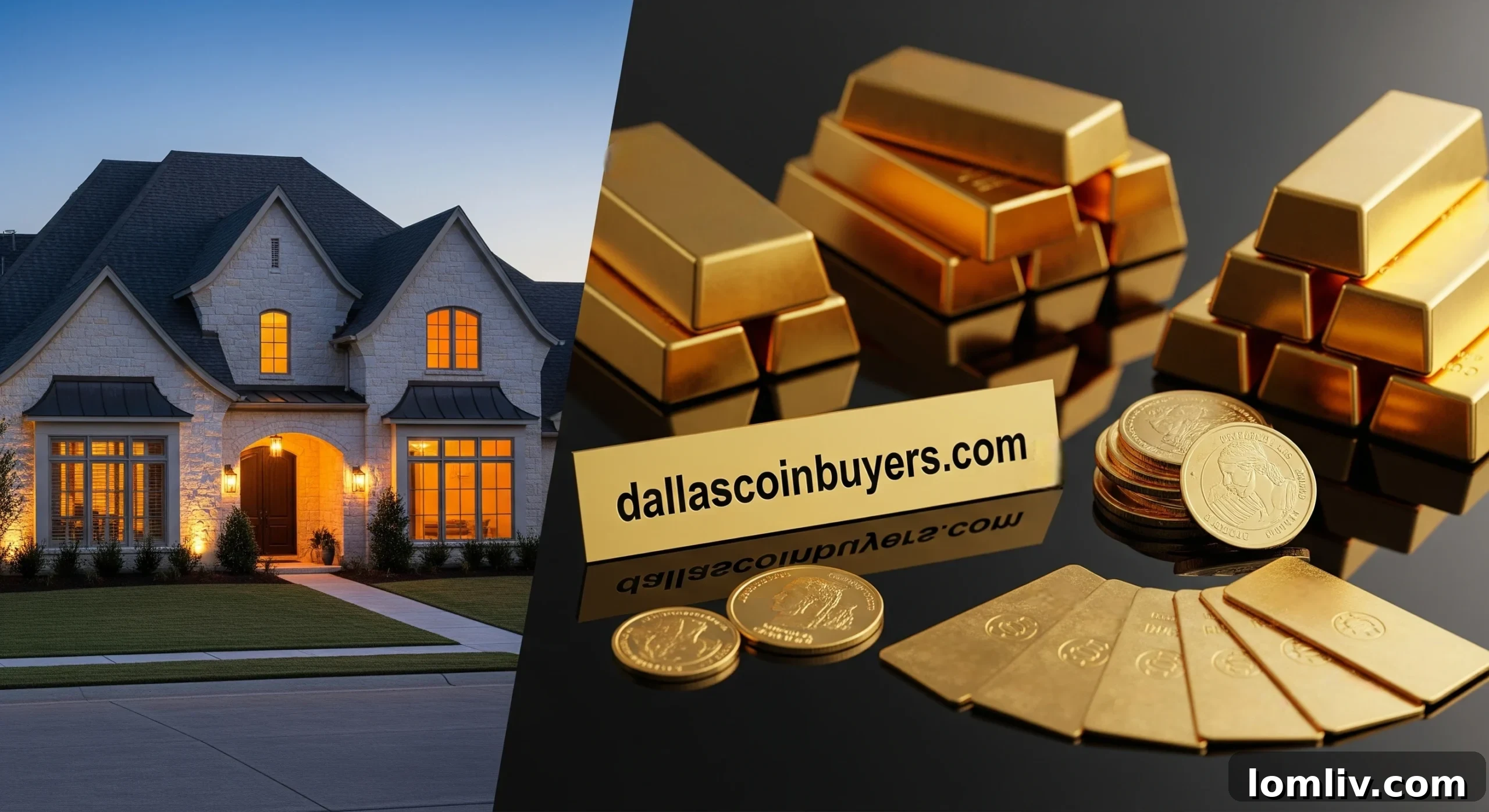
The Dallas-Fort Worth area is characterized by relentless growth in population and employment, a testament to its economic vitality. While this growth fuels prosperity, it also introduces an element of unpredictability. Neighborhoods transform rapidly, property values can fluctuate, and not all investments appreciate synchronously. Consequently, Dallas residents seek reliable assets that are not intrinsically tied to the cyclical nature of real estate booms or the volatility of the stock market. Precious metals, particularly gold and silver, offer that coveted stability.
Gold has an unparalleled legacy as a store of value, maintaining its purchasing power across centuries and diverse economic conditions. It is a tangible, physical asset that provides a profound sense of security when financial markets experience turbulence. For those who have witnessed their retirement accounts or real estate holdings experience significant swings, the tangible nature of gold offers a psychological and financial anchor. Moreover, the liquidity of precious metals in a major metropolitan area like Dallas is a key advantage. Should the need arise to sell gold coins, silver bullion, or other precious metals, local establishments such as Dallas Coin Buyers provide transparent, same-day evaluations. These assessments are based on current global spot prices, adjusted for typical dealer premiums and market conditions, ensuring sellers receive competitive offers.
Understanding the true value of one’s assets is paramount. Many Dallas households unknowingly possess significant wealth in the form of inherited gold jewelry, forgotten coin albums, or a few bullion pieces stored away without a clear understanding of their market worth. Whether facing an unexpected financial emergency, planning a home renovation, or downsizing as part of retirement, having an accurate valuation of these items empowers individuals to make informed budgetary decisions and strategically manage their wealth. This immediate access to capital, unencumbered by market delays, offers invaluable financial flexibility.
The Current Gold Market Landscape in 2025: Trends and Drivers

The gold market has demonstrated remarkable resilience and growth, especially in late 2025, experiencing a significant price surge that has pushed values beyond $4,300 per ounce. This impressive performance is largely attributable to a confluence of global economic factors, including persistent economic uncertainty, escalating inflation fears, and a weakening U.S. dollar. These conditions collectively enhance gold’s appeal as a safe-haven asset, drawing investors seeking to protect their capital from depreciation.
Gold prices are highly sensitive to macroeconomic themes. Inflation, for instance, erodes the purchasing power of fiat currencies, making gold a more attractive alternative as it traditionally maintains its value. Global geopolitical tensions and economic instability also tend to drive investors towards gold, viewing it as a reliable hedge against unforeseen crises. Furthermore, the U.S. dollar’s strength or weakness plays a crucial role; a declining dollar typically makes gold cheaper for holders of other currencies, thereby increasing demand and price. The Federal Reserve’s monetary policy, particularly its stance on interest rates, significantly influences gold’s attractiveness. Since gold does not yield interest, higher interest rates can make interest-bearing assets like bonds more appealing, potentially diverting investment away from gold. Conversely, periods of lower interest rates or stubborn inflation tend to push investors back towards precious metals, although this relationship is complex and not always perfectly correlated.
A notable trend supporting gold’s valuation in recent years has been the consistent purchasing activity by central banks worldwide. These institutions view gold as a long-term reserve asset and a crucial component of national financial stability, signaling confidence in its enduring value. Individual investors often mirror this rationale, incorporating gold into their portfolios to provide a buffer against economic shocks and diversify away from conventional financial instruments. This sustained institutional and individual demand forms a strong foundation for the gold market’s stability and growth.
Understanding Key Types of Gold and Collectible Coins
Navigating the precious metals market requires an understanding of the different forms gold and silver take, each with distinct characteristics and value drivers:
- Gold Bullion: This category primarily includes gold bars, rounds, and modern bullion coins whose value is predominantly derived from their pure metal content. Iconic examples include American Gold Eagles, Canadian Maple Leafs, and South African Krugerrands, as well as bars from reputable refiners like PAMP Suisse or Valcambi. Prices for bullion typically track the current “spot price” of gold, with a modest premium covering minting, fabrication, and distribution costs. Bullion is favored by investors seeking direct exposure to gold’s market price.
- Numismatic Coins: Unlike bullion, numismatic coins are older, rare, or historically significant pieces valued not only for their metal content but also for their scarcity, historical provenance, condition, and collector demand. A prime example is a key-date Morgan dollar in excellent condition, which can command prices far exceeding its melt value due to its appeal to collectors. Grading services like PCGS (Professional Coin Grading Service) and NGC (Numismatic Guaranty Corporation) play a vital role in authenticating and assigning a standardized condition grade, significantly impacting their market value.
- Gold Jewelry: Gold jewelry is valued based on its gold purity (e.g., 10K, 14K, 18K, 24K), weight, and artistic design or brand. Most everyday jewelry pieces are priced near their “melt value,” which is the value of their gold content. However, designer pieces, antique items, or those with significant artistic merit can fetch a higher premium due to their aesthetic appeal and brand recognition. Understanding purity markings is crucial when evaluating jewelry for sale.
- Foreign Coins: This broad category encompasses a variety of gold and silver coins from around the world that may hold both bullion and collector appeal in the United States. Examples include British Sovereigns, Mexican Pesos (e.g., 50 Pesos), and Austrian Coronas. Their demand and value in the U.S. market can vary significantly depending on their type, purity, condition, and historical significance.
- Silver Bullion and Classic Silver Coins: Silver offers a more accessible entry point into precious metal investing due to its lower price per ounce compared to gold. Silver bullion includes bars and rounds, typically marked with high purity levels like 0.999 or 0.9999 fine silver. Additionally, many older U.S. coins minted before 1965 (e.g., dimes, quarters, half-dollars, and dollar coins) contain 90% silver and are highly sought after for their intrinsic metal value. It’s important to note that premiums and spreads for silver products are generally higher, by percentage, than those for gold due to their lower unit value and higher fabrication costs.
The Strategic Connection Between Dallas Real Estate and Gold Investing

For Dallas residents, real estate often serves as a primary vehicle for building long-term wealth, generating equity, and potentially producing rental income. However, real estate, while robust, is inherently illiquid. This is where precious metals, particularly gold and silver, offer a compelling complementary investment. Gold excels at preserving purchasing power, acting as a hedge against inflation and economic downturns, and critically, it offers unparalleled liquidity – easily convertible to cash. Many local property owners discover they are sitting on untapped value in old coins or inherited jewelry. The ability to quickly convert a drawer full of unused metal into cash can be a game-changer, whether it’s for an urgent roof repair, funding a desired home remodel, or providing the crucial down payment for the next investment property.
In a rapidly moving housing market, the agility to transform bullion or collectible coins into cash within a day or two provides an invaluable strategic advantage. This rapid liquidity ensures that investors and homeowners can seize new opportunities, address unforeseen expenses, or rebalance their portfolios without the long lead times associated with selling real estate or other less liquid assets. This blend of real estate for long-term equity growth and precious metals for short-term financial flexibility creates a robust, diversified wealth management strategy that is particularly well-suited for the dynamic economic landscape of Dallas.
Factors Influencing Gold and Coin Values in the Dallas Market
The offer you receive for your gold and coins in Dallas is a complex calculation influenced by several key factors: global metal prices, local demand, and the specific buyer you choose. Fortunately, Dallas boasts a deep and competitive network of professional shops and dealers. This extensive market ensures that bids remain competitive, as sellers can easily compare multiple quotes without the logistical hassles or additional appraisal costs associated with shipping items to distant buyers. The sheer size and activity of the Dallas metroplex work to the seller’s advantage, fostering a transparent and efficient market.
Local economic trends also play a significant role. When Dallas’s key sectors, such as energy, technology, and finance, are thriving, and residents enjoy strong paychecks, discretionary spending tends to increase. This often translates into higher demand from collectors looking to expand their numismatic holdings. Conversely, during periods of economic tightening or uncertainty, more individuals may choose to liquidate their precious metal assets, ensuring that the market for buying and selling gold and coins remains active and fluid year-round. This constant ebb and flow of supply and demand, coupled with global metal prices, shapes the offers you receive in the Dallas market.
A Comprehensive Guide to Evaluating Your Gold and Coins Before Selling

Before proceeding with a sale, it is highly advisable to dedicate time to accurately identifying and evaluating your precious metal holdings. This proactive approach will empower you to understand their true market value and ensure you receive a fair and competitive offer.
- Identify the Type of Asset: Begin by categorizing your items. Clearly separate gold bullion (bars, modern coins), numismatic collectibles (older, rare coins), and gold jewelry. Each category is valued differently, and understanding these distinctions is the first step toward accurate appraisal. Look for hallmarks on jewelry and mint marks/dates on coins.
- Monitor Live Spot Prices and Dealer Spreads: The “spot price” is the current market price of one troy ounce of a precious metal for immediate delivery. This is your baseline. Regularly check reliable online sources for live spot prices. When speaking with dealers, inquire about their “buy price” (what they will pay) and the “premium” or “discount” they apply to the spot price. This difference, known as the “spread,” is their profit margin and will vary between buyers and metal types.
- Assess Condition Meticulously: For numismatic coins especially, condition is paramount. Scratches, nicks, cleaning, or polishing can drastically reduce a collectible’s value. Even touching a raw coin with bare fingers can leave oils that degrade its surface over time, so always handle them by the edges or wear cotton gloves. For bullion, significant damage might slightly impact resale value, though purity remains the primary driver.
- Research Rarity and Market Comps: For collectible coins, rarity is a major value driver. Research dates, mint marks (e.g., “D” for Denver, “S” for San Francisco), and consult population reports from grading services like PCGS or NGC, which indicate how many coins of a particular type and grade exist. Look up recent sale comparables (comps) from reputable auction houses or dealer sites to set realistic expectations for your item’s worth.
- Verify Authenticity with Caution: While professional buyers will conduct thorough tests, you can perform basic checks at home. Measure weight and dimensions, and use a strong magnet (gold and silver are not magnetic). However, these are not foolproof. Allow the buyer to perform advanced tests like X-ray fluorescence (XRF) or acid tests, ideally while you observe, to confirm purity without damaging your items.
- Gather Supporting Paperwork: Any documentation accompanying your items can significantly enhance their value and expedite the sale process. This includes grading slips from PCGS or NGC, original mint packaging for bullion coins, and purchase receipts. Such paperwork verifies authenticity, condition, and provenance, lending credibility and potentially commanding a higher offer.
- Obtain Multiple Written Quotes: Never settle for the first offer. Reputable precious metal buyers in Dallas typically provide free, no-obligation evaluations. Visit two or three different well-established local dealers and request written quotes. Comparing these offers will help you identify the most competitive price and find a buyer you feel comfortable working with.
The Indispensable Role of Professional Precious Metal Buyers
Engaging with professional precious metal buyers is crucial for a secure and fair transaction. Reputable shops in Dallas operate with a high degree of transparency and professionalism. They utilize meticulously calibrated scales, ensuring accurate weight measurements, and employ advanced testing equipment, such as XRF scanners and acid testing kits, to precisely determine metal purity. Furthermore, these buyers quote prices against real-time market data, ensuring their offers reflect the most current global spot prices, and they typically provide immediate payment for your items.
Working with an established local shop offers an added layer of comfort and security. These dealers are well-versed in Texas state regulations and local market norms, providing clear and compliant documentation for your records, which is vital for tax purposes. A hallmark of a good professional buyer is their willingness to walk you through every step of their evaluation process. They should clearly explain the tests performed, show you the weight and purity readings from their equipment, and transparently detail how they arrived at their offer price. If you ever feel pressured, if the process seems opaque, or if the math doesn’t quite add up, it is always wise to seek a second opinion and take your time before committing to a sale. Trust and transparency are paramount in these transactions.
Understanding Tax Considerations for Dallas Precious Metal Sellers
When selling precious metals in Dallas, it’s essential to understand the potential tax implications at the federal level. The Internal Revenue Service (IRS) generally classifies many types of gold, silver, and collectible coins as “collectibles.” Gains from the sale of collectibles are subject to specific tax rules. Long-term capital gains (for assets held for more than one year) on collectibles can be taxed at a rate as high as 28%, which is distinct from the typical long-term capital gains rates for other assets. Short-term capital gains (for assets held for one year or less) are taxed as ordinary income, at your standard income tax rate.
It’s important to note that Texas does not impose a state income tax, so your tax obligations related to precious metal sales will primarily revolve around federal regulations. Maintaining diligent records of your purchase price (your “cost basis”) and the date of acquisition is absolutely critical. These records will enable you to accurately calculate your taxable gain or loss and facilitate much smoother tax filing. Certain transactions, particularly those exceeding specific thresholds, may trigger dealer reporting requirements to the IRS. Large cash transactions, for example, might necessitate additional identification and specific forms from the dealer to ensure compliance with federal anti-money laundering regulations. Therefore, do not be surprised if a reputable shop requests such information.
For personalized and comprehensive advice tailored to your specific financial situation, always consult with a qualified tax professional. They can help you accurately track your cost basis, explore opportunities to offset gains with losses, and strategically plan the timing of your sales to minimize your tax liability.
Empowering Smart Decisions in Precious Metal Transactions

Whether you are considering buying new precious metals or selling existing holdings, the most potent safeguard for your financial well-being is knowledge. Arming yourself with a clear understanding of what you own, how the market functions, and the factors influencing value will invariably lead to better outcomes. Always make it a practice to ask pertinent questions, diligently compare multiple offers, and resist the urge to rush into any decision. Thoughtful consideration is key.
Incorporating gold and rare coins into a portfolio, especially one heavily weighted in real estate, can introduce crucial elements of liquidity, stability, and diversification. This strategic mix helps in mitigating risk and ensures you maintain financial flexibility and resilience, particularly when market conditions shift unexpectedly. Dallas, with its robust economy and significant population, naturally supports a highly active and competitive precious metals market. This environment typically ensures that sellers can find quick, competitive bids for their gold and silver assets, making it an ideal location for these types of transactions.
Strategizing Your Next Steps in the Dallas Precious Metals Market
Embarking on your precious metals journey, whether buying or selling, begins at home. Take a thorough inventory of your existing assets. Pull out that long-forgotten jewelry box, meticulously examine the contents of your safe, and carefully review any inherited coin folders or collections. You might uncover significantly more value than you initially anticipated, turning dormant assets into active capital.
Once you have a clear inventory, delve into market research. Check current spot prices for gold and silver, and dedicate time to understanding the specific characteristics and market demand for your unique items. Subsequently, visit a couple of well-reviewed and reputable local buyers in the Dallas area. Their professional evaluations will provide concrete offers and a realistic understanding of where your items stand in the current market. Being prepared and knowledgeable empowers you to negotiate effectively and secure the most favorable deal possible.
Finally, it’s essential to integrate your precious metal strategy with your broader financial plan. If your wealth is predominantly tied up in property, a strategic allocation to gold or silver can effectively spread out your risk and provide a vital hedge. Conversely, if you possess precious metal pieces that no longer serve a purpose in your portfolio, converting them to cash can provide the necessary funds for your next significant move, be it a new investment, a major purchase, or bolstering your emergency reserves. Dallas is a city defined by continuous growth and evolution, making it imperative to keep your financial strategies agile and current. A deep understanding of the value inherent in gold and collectible coins today will undoubtedly position you to make strong, long-term financial choices that align with your overall wealth objectives.