The Critical Need for Storm Shelters: Ensuring Your Family’s Safety in an Unpredictable World
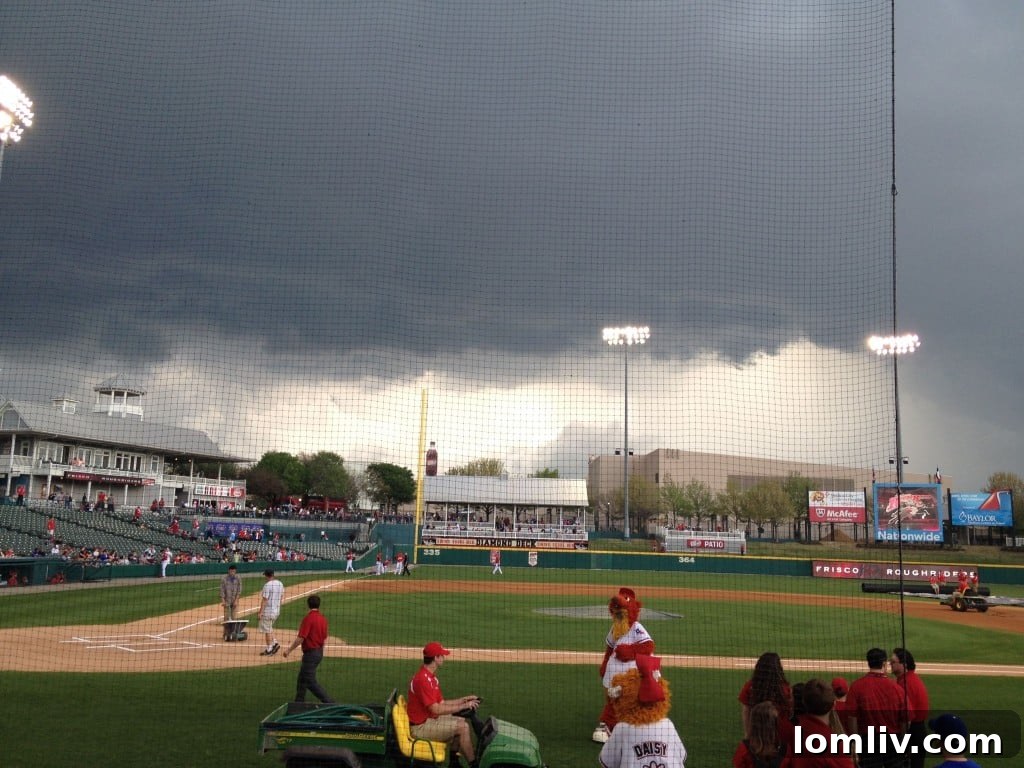
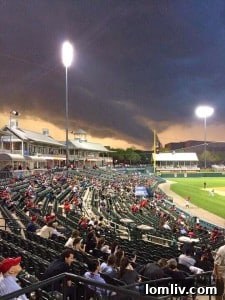
The sky darkened unexpectedly. My husband and I were enjoying a casual Thursday evening at a Rough Riders game in Frisco when a formidable wall cloud began to loom ominously in our direction. What struck us most wasn’t just the sudden shift in weather, but the profound silence that accompanied it – no blaring sirens, no urgent warnings from the stadium announcer. Then, without much fanfare, a funnel-like cloud began to branch off just north of Dr Pepper Ballpark. The sight was unsettling, a stark reminder of nature’s raw power. My immediate instinct was to seek reassurance, asking guest relations about designated shelter areas should the storm escalate. That evening, as the images replayed in my mind, a chilling question solidified: If a tornado were genuinely headed our way, where would my family find true safety?
This personal experience, coupled with the devastating severe weather and the recent tornado in Greenville, Texas, underscored a crucial realization: investing in a robust storm shelter is no longer a luxury, but a paramount priority for our family. Growing up, most of us were taught to huddle in the innermost part of a house or perhaps take refuge in a bathtub during a storm. While these tips offered a semblance of safety against lesser threats, they are woefully inadequate against the monstrous force of an EF-5 tornado, like the one that ravaged Moore, Oklahoma. The landscape of severe weather is changing, demanding more resilient and scientifically-backed solutions for protection.
Beyond Traditional Wisdom: Understanding the True Threat of Tornadoes
The traditional advice passed down through generations often falls short when confronted with the reality of modern supercell thunderstorms and powerful tornadoes. An EF-5 tornado, the highest rating on the Enhanced Fujita scale, boasts wind speeds exceeding 200 mph. At such velocities, standard residential construction offers little to no resistance. Walls crumble, roofs are ripped away, and even entire homes are swept clean from their foundations. The catastrophic Moore, Oklahoma tornado of May 2013 serves as a grim testament to this fact. This record-breaking storm, with its colossal 1.3-mile width, carved a path of destruction spanning 17 miles, reducing entire neighborhoods to rubble and claiming 24 lives. It was a stark wake-up call for communities across tornado alley and beyond, highlighting the urgent need for genuinely protective structures.
Following that devastating event, the National Wind Institute (NWI) conducted an extensive survey of the affected area. Their findings were remarkable and incredibly reassuring for those considering advanced protection: amidst the widespread devastation, 16 above-ground storm shelters remained entirely intact. These certified structures stood as beacons of resilience, proving unequivocally that properly engineered and installed above-ground storm shelters can withstand the brutal forces of a 210 mph tornado, forces that had obliterated everything else in their path. This empirical evidence shattered the misconception that only underground bunkers could offer true protection, opening up more accessible and often more practical options for homeowners.
The Cornerstone of Safety: What “Certified” Truly Means for Your Storm Shelter
The critical distinction, as the NWI’s findings emphasized, lies in the term “certified” storm shelter. This isn’t just a marketing buzzword; it’s a stringent standard of construction and design that separates life-saving structures from dangerously false security. A certified storm shelter is not merely a concrete slab or a welded metal box. It is a product of rigorous research, engineering, and testing. Texas Tech University, a pioneer in wind engineering research, played a pivotal role in establishing the National Storm Shelter Association (NSSA). The NSSA is the gold standard, dedicated to ensuring that the storm shelter you purchase and install meets the most demanding criteria, capable of enduring the immense forces of even the most dangerous storms.
NSSA-certified contractors and manufacturers utilize data-driven design principles to construct safe rooms and shelters. This involves sophisticated analysis of wind loads, missile impact resistance (the ability to withstand flying debris), and structural integrity. Every aspect, from the thickness of the steel to the type of anchoring system used, is meticulously engineered to provide maximum protection. These shelters undergo extensive testing, often involving firing projectiles like 2×4 lumber at high speeds, replicating the destructive debris found in a tornado. This scientific approach ensures that your shelter isn’t just a reinforced room, but a meticulously designed sanctuary built to stand firm when all else falls.
Choosing Your Safe Haven: Key Considerations for Storm Shelters
When considering a storm shelter or safe room for your home, whether you’re building new or retrofitting an existing property, several factors come into play. The most crucial decision often revolves around above-ground versus below-ground options, each offering distinct advantages and considerations:
Above-Ground Storm Shelters (Safe Rooms)
These shelters are built within an existing structure, often in a garage, closet, or an interior room, or as a standalone unit adjacent to the house. Their popularity has soared due to the NWI’s findings and several practical benefits:
- Accessibility: They are easily accessible for individuals with mobility issues, the elderly, or those using wheelchairs, eliminating the need to navigate stairs in an emergency.
- Quick Access: Often located within the main living space, they allow for rapid entry when seconds count during a tornado warning.
- Installation Flexibility: Can be integrated into existing homes with relative ease, offering more options for placement.
- No Water Seepage: Eliminate concerns about groundwater accumulation or flooding that can sometimes affect below-ground shelters.
Below-Ground Storm Shelters
Traditionally, these were the go-to option, and they remain highly effective. They are typically installed in the garage floor, backyard, or beneath a patio:
- Natural Protection: The earth itself provides a significant barrier against wind and debris.
- Space Saving: When installed underground, they don’t consume valuable interior living space.
- Perceived Security: Many people feel inherently safer being completely underground during a powerful storm.
Regardless of the type you choose, the non-negotiable factor remains certification.
What to Look For: Ensuring Your Shelter Meets the Highest Standards
If you’re evaluating a home that already boasts a storm shelter or safe room, or if you’re planning to install one, verification is key. First and foremost, ascertain that it was constructed or installed by an NSSA-certified contractor. This certification acts as a stamp of approval, signifying that the contractor adheres to the stringent standards set forth by the NSSA in terms of design, materials, and installation practices.
If the shelter was not built by an NSSA-certified contractor, it should possess a sealed engineering report. This critical document, signed and sealed by a professional engineer, verifies the shelter’s resistance to debris impact and its structural integrity against high winds, as recommended by the NSSA. This report provides an independent, expert assessment of the shelter’s protective capabilities. Without either of these credentials, caution is advised. The NSSA provides a comprehensive list of qualifications that any above-ground safe room or tornado shelter should meet to guarantee it will adequately protect you and your loved ones during a severe weather event. These qualifications detail everything from wall thickness and anchoring systems to ventilation and door design.
Making the Investment: Finding a Certified Contractor and Planning Ahead
For those contemplating installing a safe room or storm shelter in an existing home, or integrating one into a new construction project, the NSSA is your most valuable resource. Their website features a user-friendly locator tool for certified contractors. Utilizing this tool ensures you connect with professionals who are not only knowledgeable but also committed to adhering to the highest safety and construction standards. A certified contractor will guide you through the process, from site assessment and design selection to proper installation, ensuring your shelter is built to withstand even the most dangerous storms. Always ask for references, review their portfolio, and ensure they are properly licensed and insured.
Installing a certified safe room or storm shelter is more than just a purchase; it’s a profoundly sound investment. Beyond the invaluable peace of mind it offers, a properly installed and certified storm shelter significantly enhances the value of your home. In regions prone to severe weather, homes equipped with such protective measures are highly desirable, offering a distinct advantage in the real estate market. It represents a tangible commitment to safety and preparedness, an asset that will appreciate in value over time, much like any other significant home improvement.
Beyond the Walls: A Holistic Approach to Tornado Preparedness
While a certified storm shelter is the ultimate safeguard, true tornado preparedness extends beyond its sturdy walls. A comprehensive safety plan ensures that you and your family are ready before, during, and after a storm:
- Emergency Kit: Stock your shelter with essentials such as water, non-perishable food, a first-aid kit, flashlights, extra batteries, a weather radio, blankets, and copies of important documents.
- Communication Plan: Establish a family communication plan, including designated out-of-state contacts, in case local lines are down. Ensure everyone knows where the shelter is and how to get there quickly.
- Practice Drills: Regularly practice getting to your storm shelter, especially with children. Knowing the routine reduces panic during an actual emergency.
- Stay Informed: Have multiple ways to receive weather alerts, such as NOAA weather radio, local news, and smartphone apps. Understand the difference between a tornado watch (conditions are favorable) and a tornado warning (a tornado has been spotted or indicated by radar).
- Identification: Keep identification, whistles, and sturdy shoes in your shelter.
Concluding Thoughts: Your Family’s Safety is Priceless
The unpredictable nature of severe weather, as I personally witnessed at the ballpark and as countless communities have tragically experienced, necessitates a proactive approach to safety. Relying on outdated advice or unverified structures is a gamble no family should have to take. Certified storm shelters, rigorously tested and built to exacting NSSA standards, offer a proven, life-saving solution against the most destructive forces of nature.
Is a reliable storm shelter a non-negotiable “must” for your next home purchase, or are you actively planning to fortify your current residence with this crucial protection? In an era of increasingly intense weather patterns, the decision to invest in a certified storm shelter is perhaps one of the most important you can make for the enduring safety and peace of mind of your loved ones.