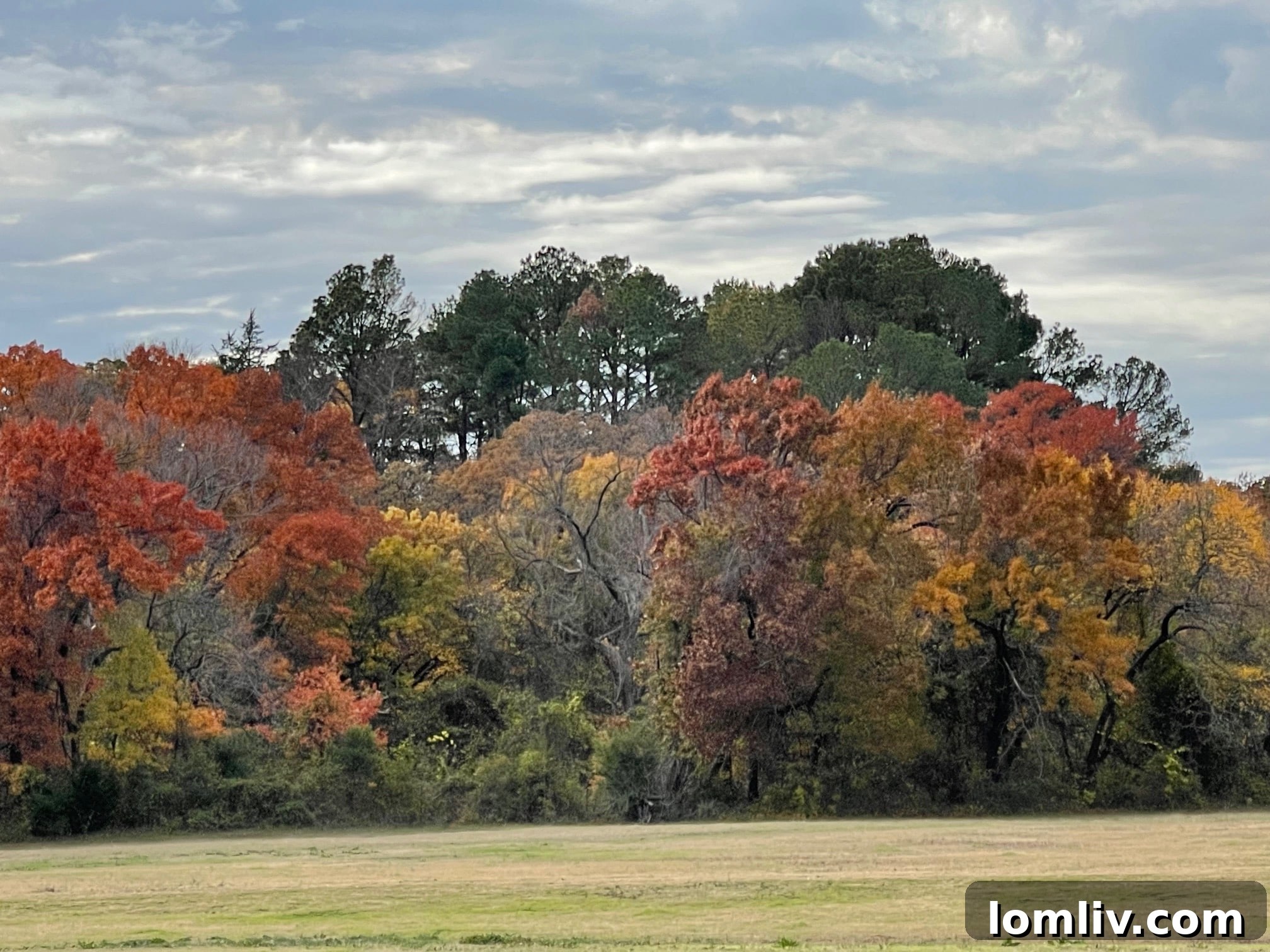
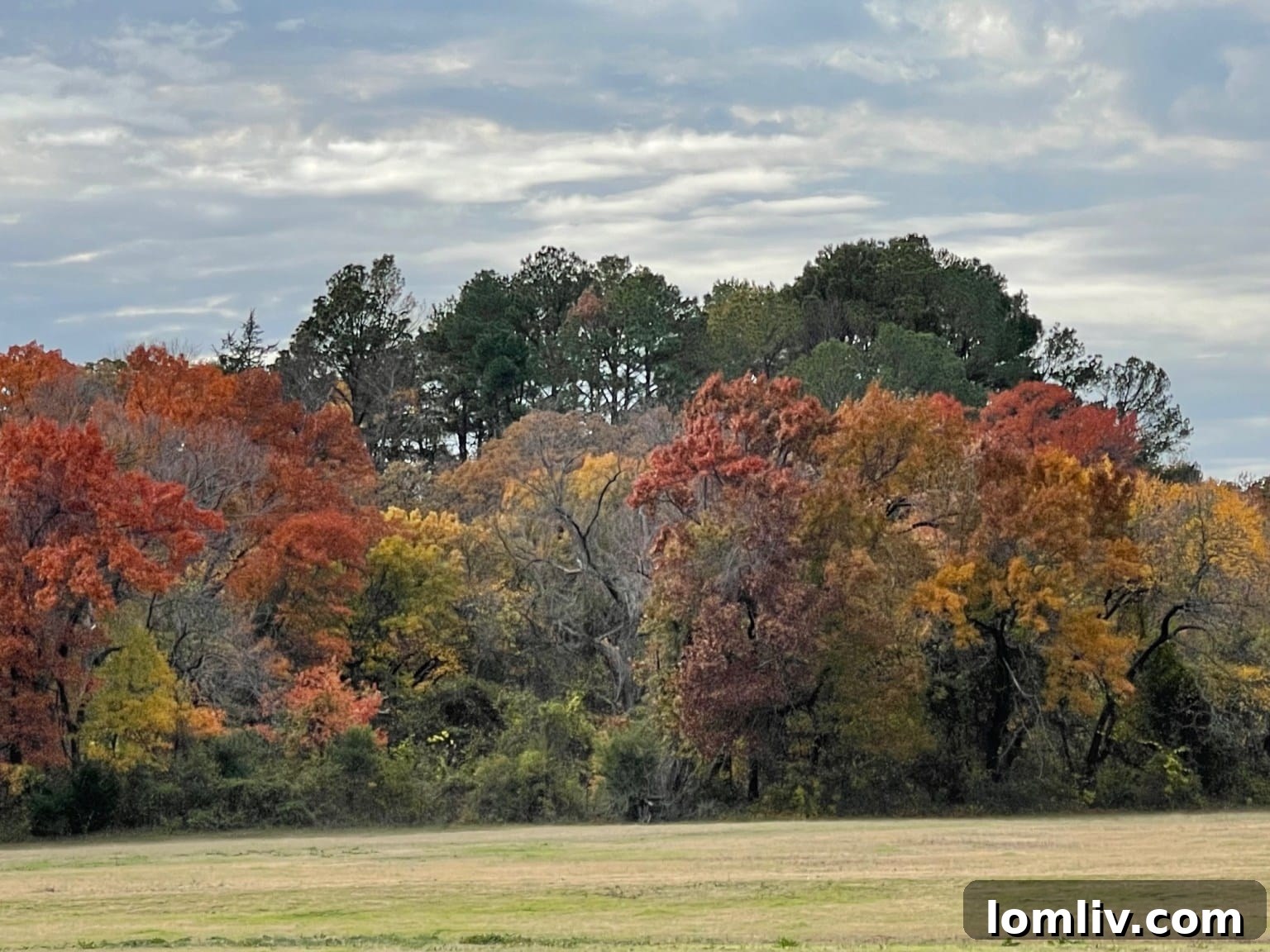
The picturesque landscape of Colleyville, Texas, once again became the focal point of a heated debate as the future of its beloved trees hung in the balance. For the third time within a single year, the Colleyville City Council found itself mediating a familiar conflict: the expansion ambitions of WillowTree Custom Homes versus the steadfast commitment of residents and preservationists to protect the city’s invaluable old-growth trees. This recurring struggle underscores a broader tension facing many growing suburbs – how to balance economic development with the crucial need for environmental stewardship and the preservation of natural heritage.
In a highly anticipated meeting, the city council deliberated and subsequently cast their votes on a revised proposal from WillowTree Custom Homes. The developer’s plan sought to construct a collection of luxurious estate homes on a sprawling 14-acre parcel of land strategically located between Pool Road and Wilkes Drive. This specific tract, rich in ecological significance, has become the epicenter of what many are calling “Trees vs. Houses: Colleyville’s Urban Forest, Round Three.” The ongoing saga highlights the passionate dedication of local homeowners and environmental advocates who are determined to safeguard Colleyville’s dwindling green spaces against encroaching development.
The recent vote, a narrow four-to-three decision, saw the council ultimately deny the developer’s latest vision for what would have been known as The Bluffs Colleyville. This pivotal decision, however, was rendered “without prejudice,” a legal nuance implying that the developer retains the option to refine their proposal further and resubmit it for future consideration by the city council. For nearly a year, this 14-acre property has been at the heart of an intense community discussion concerning its potential rezoning from agricultural to single-family residential. The implications of such a change extend far beyond just housing, touching upon biodiversity, flood control, and the very character of this Northeast Tarrant County suburb.
WillowTree Custom Homes’ Renewed Vision and Colleyville’s Urban Forest
The enduring confrontation is centered on a strategically important parcel nestled between Pool Road and Wilkes Drive. As Colleyville continues its impressive growth trajectory, developable lots within the city have become increasingly scarce, rendering this 14-acre site exceptionally attractive to housing developers. WillowTree Custom Homes, known for its high-end residential projects, sees an opportunity to create a premier estate community. However, these plans have simultaneously ignited a robust and highly organized opposition movement among Colleyville citizens, who vehemently contend that the proposed development would irrevocably devastate a vital urban forest—a natural treasure they are committed to preserving for future generations.
Colleyville’s urban forest isn’t merely a collection of trees; it’s an intricate ecosystem contributing significantly to the community’s quality of life. These old-growth trees offer numerous ecological benefits, including improved air quality, natural cooling, noise reduction, and essential habitat for local wildlife. Moreover, they play a critical role in stormwater management, particularly given the site’s proximity to the Bear Creek watershed, an area historically prone to flooding. The destruction of this natural barrier could exacerbate flood risks for surrounding properties, a major concern for residents.
For more detailed coverage on the Colleyville City Council’s previous decisions regarding this development, read this report on the council’s decision to deny the initial request.
The most recent vote, cast on December 19th, resulted in the denial of the developer’s refined proposal. This latest iteration focused on significantly reducing the number of residential lots from the original plan of 14 to a more modest nine, and strategically repositioning the primary entrance to the planned, gated development onto Pool Road. Despite these concessions, the proposal still failed to garner sufficient support from the council. The majority vote against these revisions included Council Members Chuck Kelly (Place 5), Brandi Elder (Place 1), Scotty Richards (Place 3), and Ben Graves (Place 4). Voting in the minority, indicating a willingness to consider the revised plans, were Mayor Bobby Lindamood, Mayor Pro Tem Callie Rigney, and George Bond (Place 2). This split vote signaled a shift in the council’s dynamics, suggesting that some members perceived the updated proposal as a more acceptable compromise, even if it ultimately did not pass.
The Long-Standing Debate: Development vs. Preservation
The contention over the 14-acre parcel reflects a deeper philosophical divide within Colleyville. On one side, proponents of development argue for the economic benefits of new housing, increased tax revenue, and the provision of luxury homes for a growing population. They highlight the scarcity of available land and the perceived need for high-end properties that attract affluent residents, contributing to the city’s overall prosperity. Developers often emphasize carefully designed layouts, high-quality construction, and amenities that could enhance the community.
On the other side, a formidable coalition of residents and environmental activists champions the irreplaceable value of Colleyville’s natural environment. For them, the 14-acre tract is not merely undeveloped land but a crucial component of the city’s green infrastructure, providing ecological services that are increasingly critical in the face of climate change and rapid urbanization. The emotional connection residents have to their local trees and green spaces is powerful, viewing them as integral to Colleyville’s unique character and a legacy to be protected.
The Vehement Stand of Opponents: Protecting Colleyville Trees
The Colleyville City Council had previously taken a unanimous stance in February and June, unequivocally denying the zoning change that would have paved the way for The Bluffs Colleyville. Initially, the developer’s proposal envisioned 14 expansive lots for luxury homes. The latest, scaled-back plan calling for nine lots, although a significant reduction, still failed to appease the majority of the council or the staunch community opposition. The recent split vote, however, subtly indicates that the revised approach was indeed viewed as a more acceptable compromise by a subset of council members, highlighting the complexity and differing perspectives within local governance.
Despite the developer’s adjustments and the shifting dynamics within the council, the community opponents remain resolutely in dissent. Their conviction stems from a profound understanding of the land’s ecological sensitivity and its critical role within the local environment. Tim Waterworth, a prominent leader of the “Save Colleyville Trees” organization, articulated the group’s unwavering position following the latest vote. “The native, old-growth Eastern cross, Timbers Forest is divinely situated on a steep slope into the Bear Creek watershed, which is prone to flooding,” Waterworth messaged, underscoring the intrinsic vulnerabilities of the site. His message continues, “It should be conserved as public property into perpetuity as primarily a nature conservation area with limited public access trails. Based on the many conversations I’ve had with citizens about this land and the development proposal…That’s what the people want and will support.”
The “Save Colleyville Trees” movement has mobilized significant public sentiment, leveraging online platforms and community meetings to educate residents about the potential environmental consequences of the development. Their arguments extend beyond simple aesthetics, focusing on the scientific and practical implications of preserving the urban forest. This includes mitigating the urban heat island effect, providing critical carbon sequestration, and supporting local biodiversity, from migratory birds to essential pollinators. The group’s advocacy underscores a growing trend in suburban communities where residents are becoming more proactive in demanding sustainable development practices and protecting their local ecosystems.
The phrase “conserved as public property into perpetuity” reveals a strong desire among the community for a more permanent and protective solution than simply denying a development proposal. It suggests a vision where the 14-acre tract could become a city park, a nature preserve, or an educational green space, offering long-term benefits to all residents and visitors. This proactive stance moves beyond merely preventing undesirable development to actively advocating for the creation of a lasting community asset.
The Ecological Importance of Colleyville’s Urban Forest
Colleyville’s urban forest, particularly the old-growth section on the 14-acre parcel, serves as a cornerstone of the local ecosystem. Old-growth trees, often hundreds of years old, are irreplaceable ecological assets. They possess deep root systems that stabilize soil, preventing erosion and reducing runoff into water bodies like the Bear Creek watershed. This natural filtration process helps maintain water quality and significantly lessens the risk of flash flooding, a critical concern in areas with expanding impervious surfaces due to development.
Furthermore, these mature trees provide unparalleled habitat for a diverse array of wildlife. They support complex food webs, offering nesting sites, shelter, and food sources for birds, small mammals, and insects. The loss of such a mature forest patch would not only displace these species but could also disrupt the ecological balance of the wider region. For many residents, the opportunity to observe local wildlife in their natural habitat is a cherished aspect of living in Colleyville, contributing to the city’s unique charm and appeal.
Beyond ecological functions, urban forests also contribute significantly to human well-being. Studies have shown that access to green spaces can reduce stress, improve mental health, and encourage physical activity. The aesthetic value of a lush, mature forest also enhances property values and creates a more desirable living environment. For “Save Colleyville Trees” and its supporters, these are not just environmental talking points but fundamental components of what makes Colleyville a special place to live.
The Future of Colleyville’s Green Spaces and Development
The ongoing struggle over the 14-acre site between Pool Road and Wilkes Drive epitomizes the broader challenge facing many suburban communities: how to grow responsibly while safeguarding invaluable natural resources. The “without prejudice” denial by the Colleyville City Council means this particular chapter is far from closed. WillowTree Custom Homes has the legal avenue to present further revised plans, potentially leading to continued negotiations, community organizing, and future council votes.
This persistent debate also sets an important precedent for future development proposals in Colleyville. It highlights the power of organized citizen advocacy and the council’s willingness to listen to community concerns, especially when those concerns are backed by compelling arguments regarding environmental impact and quality of life. The outcome of this specific parcel will undoubtedly influence how developers approach remaining undeveloped tracts in the city and how residents perceive their role in shaping Colleyville’s future landscape.
As Colleyville continues to evolve, the discourse surrounding development must increasingly incorporate principles of sustainable growth, green infrastructure, and community-centric planning. The protection of its urban forest is not just an environmental issue; it is a question of identity, resilience, and the long-term well-being of its citizens. The community’s unwavering commitment to its trees underscores a collective desire for a future where economic progress and ecological preservation can coexist harmoniously, ensuring that Colleyville remains a desirable place to live for generations to come. The “Trees vs. Houses” battle is a microcosm of a larger societal shift towards valuing natural assets and demanding responsible urban development.