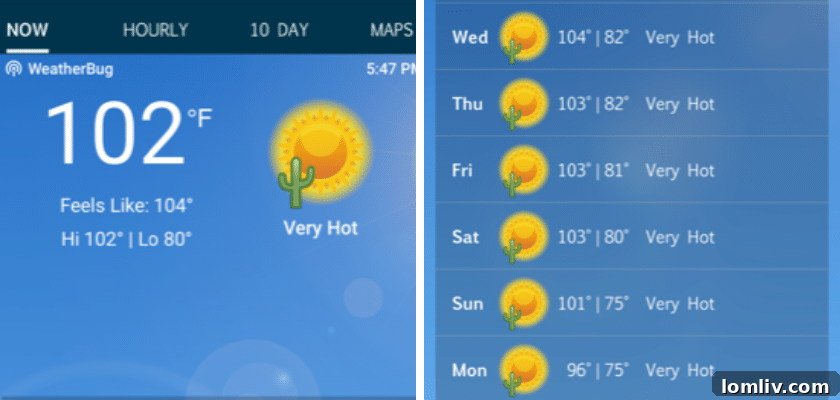
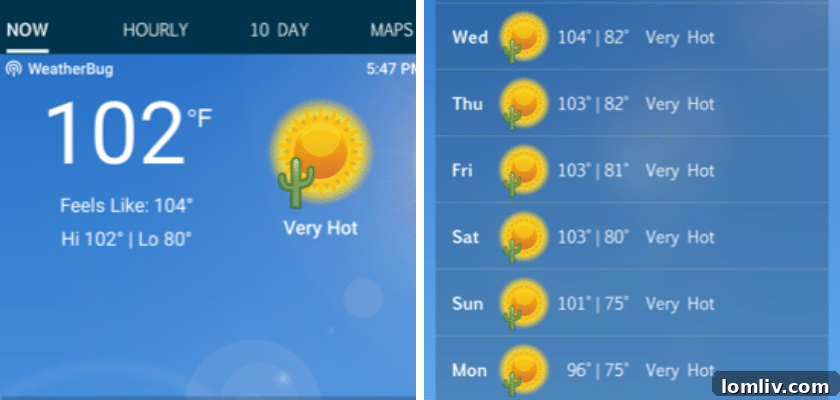
As the mercury rises and the summer sun beats down relentlessly, many homeowners find themselves battling not just the heat, but also the escalating energy bills that come with it. If the thought of your air conditioning unit working overtime makes your blood boil almost as much as the outdoor temperatures, then this guide to aggressive energy savings is tailor-made for you. For those working from home or with children enjoying their summer break indoors, the continuous energy consumption can feel like an unavoidable drain on resources. While we can’t control the weather, we absolutely can take proactive steps to make our homes significantly more efficient and, critically, much cooler. This article will equip you with practical, actionable strategies to reduce your energy consumption, lower those daunting utility bills, and reclaim comfort within your own four walls. It’s time to fight back against punishing summer heat and its financial impact.
Drawing on the insights typically uncovered by professional home inspectors, we’ll explore several key areas where you can implement changes to boost your home’s efficiency. These improvements will not only help you save money but also contribute to a more sustainable and comfortable living environment. By strategically upgrading and optimizing various aspects of your home, you can achieve substantial energy savings this summer and enjoy a cooler, more budget-friendly sanctuary.
Optimize Your Water Heater Temperature for Seasonal Savings
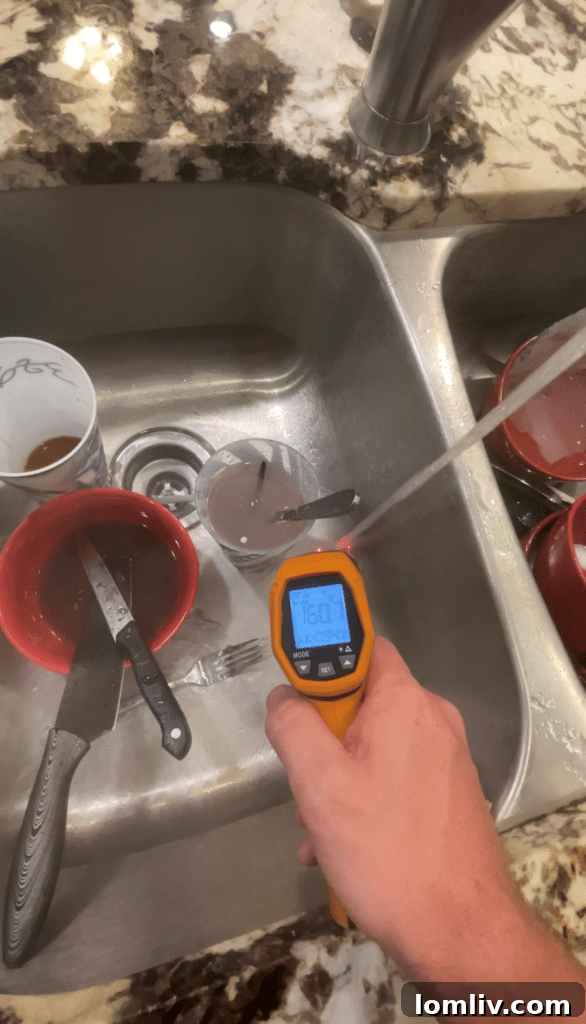
One of the most overlooked opportunities for energy savings lies right in your utility closet: your water heater. Many homeowners are unaware that simply adjusting the temperature setting on their water heater, especially during the warmer summer months, can lead to significant reductions in energy consumption. Water heating is a major energy hog, typically accounting for an astonishing 30 percent of a household’s total energy use. This is primarily because most water heaters operate continuously, maintaining a set temperature around the clock, regardless of actual demand.
The standard recommendation for water heater temperature is often around 120 degrees Fahrenheit. While this setting is suitable for general use, it can be unnecessarily high during summer. In warmer climates like Texas, the ambient temperature of water entering your home is already much higher, and water sitting in unconditioned spaces like attics or utility closets can reach considerable warmth without any additional heating. Consequently, your water heater doesn’t need to work as hard to reach the desired temperature. By reducing the thermostat setting on your water heater to around 110-115 degrees Fahrenheit, or even lower if your family’s hot water needs permit, you can achieve estimated savings of 10 to 20 percent on your water heating bill. This minor adjustment translates into tangible financial benefits over the summer season. Always consider the safe minimum temperature to prevent bacterial growth if reducing significantly, typically above 100°F.
Address and Replace Broken Window Seals
Windows play a critical role in your home’s thermal envelope, and their condition directly impacts your energy bills. Heat gain in summer and heat loss in winter through windows can account for a substantial 25 to 30 percent of a home’s total energy cost. If your home still features single-pane glass windows, you are likely experiencing significant energy inefficiency and are missing out on potential comfort and savings. Single-pane windows offer minimal insulation, allowing heat to easily transfer in and out of your living spaces.
A common issue in double or triple-pane windows is a broken seal, as illustrated in the provided video. When a window seal fails, the inert gas (like argon or krypton) between the panes escapes, and moist air infiltrates, leading to condensation or a foggy appearance between the glass layers. This compromises the window’s insulating properties, turning it into an energy leak. Replacing old or broken windows with modern, energy-efficient alternatives can drastically improve your home’s thermal performance. Crucially, the Inflation Reduction Act (IRA) offers valuable tax credits for homeowners who invest in qualifying energy-efficient windows and other home upgrades. This means you can claim a significant credit on your taxes – a direct reduction of your tax liability, rather than just a deduction – for the expense of installing more efficient windows. Before undertaking any repairs or replacements, always check if your existing windows are still under warranty, as many manufacturers offer warranties of 3 to 10 years that might cover seal failures.
Enhance Attic Ventilation with Ridge Cap Vents
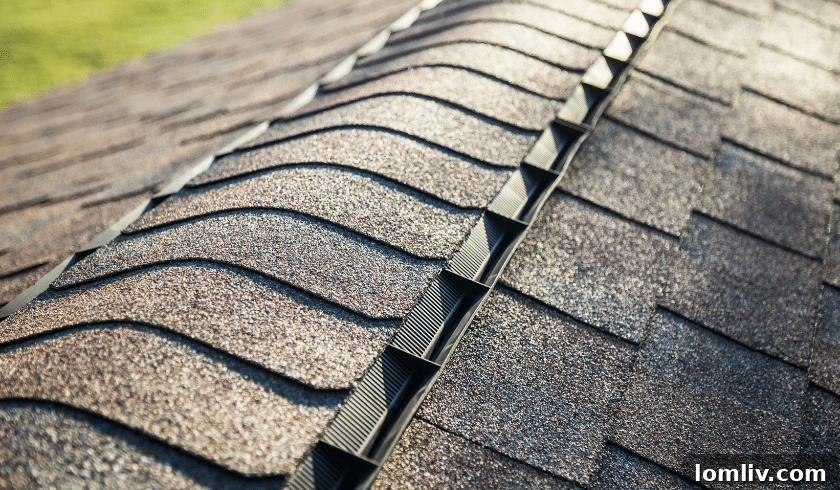
Your attic acts as a crucial buffer between your roof and your living space. However, without proper ventilation, it can transform into a super-heated oven during the summer months, radiating intense heat downwards and forcing your air conditioning system to work excessively. This trapped heat significantly increases your home’s overall energy consumption and diminishes indoor comfort. Installing a ridge cap vent system is an exceptionally effective solution to combat this problem. These vents are designed to run continuously along the peak of your roof, creating a consistent escape route for accumulated hot air and moisture from the attic space.
Ridge cap vents offer several advantages over traditional attic ventilation methods, such as turbine vents. Unlike turbines, which can become blocked by debris or ice, ridge vents provide an unobstructed, continuous airflow path. Furthermore, their design is more effective at preventing pests and insects from entering your attic, a common issue with exposed turbine openings. While the initial investment for ridge cap vents might be higher than some other ventilation options, their superior efficiency and long-term benefits make them a worthwhile upgrade. They contribute to a cooler attic, which directly translates to a cooler living space and substantial savings on your energy bills. Moreover, these energy-efficient improvements are often eligible for tax credits under the Inflation Reduction Act, further reducing your out-of-pocket costs. Many homeowners also find that such roof-related energy upgrades can be covered by insurance in the event of roof replacement due to damage, as was the case for a new roof installed after hail damage.
Upgrade Outdated Electrical Systems, Especially Aluminum Wiring
While often associated primarily with safety, upgrading outdated electrical systems can also lead to significant energy efficiency improvements in your home. A particular concern for many older homes, especially those built between the mid-1960s and mid-1970s, is the presence of aluminum wiring. During this period, aluminum was a common and cheaper alternative to copper wiring. If you own a home from this era or are considering purchasing one, it is absolutely essential to have a qualified electrician inspect for aluminum wiring.
The widespread use of aluminum wiring eventually ceased due to a critical safety flaw: its propensity to overheat and pose a severe fire hazard. Unlike copper, aluminum expands and contracts more significantly with temperature fluctuations. Over time, this constant movement at connection points (outlets, switches, light fixtures) can cause the wire to degrade, loosen, and oxidize. Oxidation creates increased electrical resistance, which in turn generates more heat. This vicious cycle can lead to temperatures high enough to melt insulation, ignite surrounding materials, and start fires. Many homes with aluminum wiring have gone years without issues, but the inherent risk remains, making it a critical safety concern that should be addressed by a professional.
When you decide to replace problematic aluminum wiring, you’re not just mitigating a fire risk; you’re also presented with an excellent opportunity to upgrade your entire electrical system to modern standards. Newer electrical systems are designed for greater efficiency, better load management, and compliance with current safety codes. This comprehensive upgrade can lead to reduced energy waste from inefficient circuits and improved overall performance of your appliances and lighting. Beyond safety, a modern electrical system can support today’s high-demand electronics and smart home technologies, making your home more functional, reliable, and energy-efficient across the board.
Armed with these actionable strategies, you now have a clear path to not only save money on your energy bills but also to make meaningful upgrades that enhance your home’s comfort, value, and sustainability. Taking control of your home’s energy consumption can be incredibly empowering, transforming the summer heat from a frustrating adversary into a manageable challenge. Implementing just a few of these recommendations can lead to a noticeably cooler indoor environment and a lighter load on your wallet. For a truly comprehensive understanding of your home’s energy performance and a tailored improvement plan, consider scheduling a professional Home Energy Assessment. An expert inspection will pinpoint specific areas of inefficiency and provide a precise, point-by-point roadmap to achieve maximum energy savings and year-round comfort in your home.