In the vibrant and rapidly evolving landscape of Dallas, a critical conversation is unfolding regarding the future of its housing market. While attendance at the City of Dallas’s Accountability for Housing Equity workshops may not always be overwhelming, those who do participate arrive equipped with invaluable insights and proactive solutions. These dedicated residents are united by a common goal: to safeguard their homes and communities from the escalating pressures of rising property taxes and the pervasive threat of what many refer to as the “G word”—gentrification.
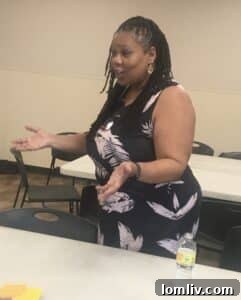
The city has engaged Christine Campbell, a seasoned consultant from Community Equity Strategies, to facilitate these crucial neighborhood input sessions. Her role is to bridge the gap between community concerns and city policy, ensuring that the voices of Dallas residents are heard and integrated into the housing equity framework. Daltxrealestate.com has taken proactive steps, filing an open records request with the City of Dallas to gain transparency into the scope and financial details of this vital contract.
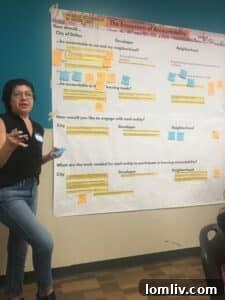
“The current focus is squarely on delivering affordable housing solutions for mid-income residents across Dallas,” Campbell explained during a pivotal workshop on September 29 at the Walnut Hill Recreation Center. She posed a crucial question that lies at the heart of the initiative: “Do the existing programs truly align with the right objectives? Their effectiveness might shift dramatically if the primary goal were anti-displacement, seamlessly coupled with affordability initiatives. Unfortunately, we often find ourselves addressing displacement only after the fact, when residents have already been uprooted.” This highlights a proactive shift in strategy, moving from reactive measures to preventative ones, aiming to keep long-term residents in their homes.
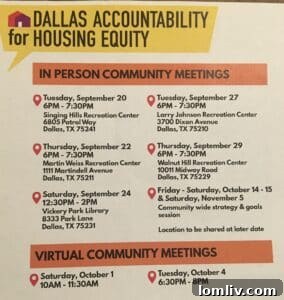
The recent workshop marked the sixth in a comprehensive series dedicated to exploring accountability for housing equity in Dallas. Initially intended as the concluding public forum, the overwhelming demand for continued dialogue and community feedback prompted the consultants to extend the engagement. This demonstrates the profound need and desire within Dallas communities to actively participate in shaping their housing future. Additional in-person strategy sessions have since been scheduled for October 14, October 15, and November 5, with locations to be announced, signaling the city’s commitment to sustained engagement and thorough public input.
“Dallas has a rich history of urban planning, with extensive efforts dedicated to various development initiatives,” Campbell observed, emphasizing the challenge of translating plans into tangible results. “The city already boasts two approved plans specifically designed with equity at their core. Our current imperative is to strategically analyze how we can effectively transition these meticulously crafted plans from paper into meaningful, on-the-ground implementation that genuinely benefits all residents.” This transition from theoretical framework to practical application is the core mission of the current workshops, ensuring that policy moves beyond rhetoric to impactful action.
Forging a Path Forward: Strategies and Implementation for Housing Equity in Dallas
The Accountability for Housing Equity program represents a concentrated effort to operationalize a set of eleven strategic recommendations. These vital strategies emerged from a comprehensive equity audit of the 2018 Dallas Comprehensive Housing Policy, an audit also expertly conducted by Community Equity Strategies. The audit underscored the need for a more equitable approach to housing development and preservation, aiming to rectify historical disparities and foster inclusive growth across all Dallas neighborhoods. This proactive initiative seeks to embed equity deeply within the city’s housing infrastructure, ensuring that policy decisions are made with fairness and community well-being at the forefront.
The eleven strategies are designed to address multifaceted challenges within Dallas’s housing ecosystem. They offer a roadmap for creating a more just and sustainable urban environment. Here are some of the key highlights, emphasizing their potential for transformative impact:
- **Strengthening Linkages for Generational Wealth:** This strategy focuses on intentionally connecting infrastructure improvements, strategic economic revitalization efforts, and comprehensive mixed-use master planning. The ultimate goal is to build a robust foundation for increasing generational wealth, particularly within Dallas’s historically Black and Brown communities that have often been overlooked or disinvested. By integrating these elements, the city aims to create holistic development that uplifts entire communities.
- **Dedicated Revenue Stream for Affordable Housing:** Recognizing the significant scale of Dallas’s affordable housing shortage, this recommendation calls for the creation of a dedicated, substantial revenue stream. This funding mechanism would be proportionate to the magnitude of the challenge, ensuring a consistent and adequate financial commitment to address the pressing need for accessible housing options across all income levels.
- **Strategic Use of Low-Income Housing Tax Credits (LIHTC):** The strategy advocates for the judicious application of low-income housing tax credit financing. This involves targeting both historically distressed areas, which desperately need investment, and areas with low poverty rates, where affordable housing can help foster economic diversity and prevent exclusion. This balanced approach ensures that LIHTC serves as a powerful tool for both revitalization and inclusive development.
- **Addressing Infrastructure Deficits in South Dallas:** Acknowledging the enduring legacy of underinvestment, this critical strategy adds a specific goal to remedy the pervasive infrastructure deficit that has plagued South Dallas for generations. This includes improvements in roads, water systems, public transportation, and other essential services, recognizing that robust infrastructure is foundational to equitable development and community well-being.
The personal narratives shared by the few but passionate residents at the September 29 workshop vividly underscored the urgency of these strategies. Among them were two individuals who had been compelled to move from Dallas to DeSoto, forced out of their homes because new developments in their former neighborhoods had drastically increased property values and, consequently, their property tax burdens to an unaffordable level. Their stories are a poignant reminder of how rapid development, without careful equity considerations, can inadvertently displace long-term residents and disrupt established communities.
A Shorecrest resident highlighted the stark disparities within the city. She described her neighborhood as meticulously maintained, featuring excellent streets and multimillion-dollar homes, reflecting significant investment. However, she contrasted this sharply with a nearby single-family development in Elm Thicket. “When you cross the street into Elm Thicket, it’s as if these people have been forgotten,” she observed with palpable concern. “It feels like a completely different world. Residents are being systematically pushed out of Elm Thicket simply because they can no longer afford to pay their escalating property taxes, a clear sign of encroaching gentrification.” Her testimony powerfully illustrated the uneven distribution of resources and attention across Dallas.
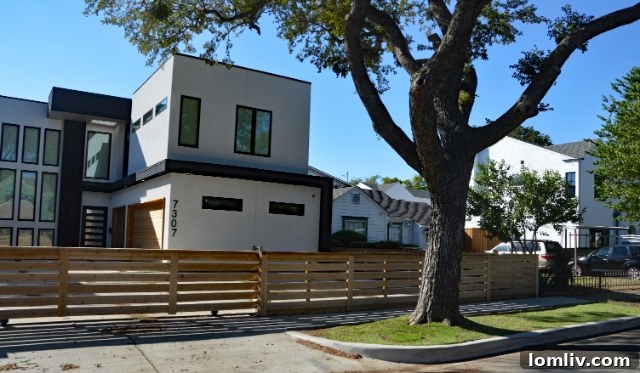
The conversation further broadened as another meeting attendee affirmed that the phenomenon of gentrification is far from isolated to Elm Thicket; it is actively transforming other historical areas of Dallas. “This isn’t just about Elm Thicket; it’s happening in Fair Park too,” she asserted, drawing parallels to other once-vibrant neighborhoods. “The same narrative unfolded in Deep Ellum and Uptown. These areas have been fundamentally reshaped, taken over by new developments and demographics. The critical question remains: where are these displaced, long-standing residents, who have called these places home for generations, expected to go? Their roots run deep, and their displacement represents a profound loss of community heritage and stability.” This broader perspective reinforced the systemic nature of gentrification challenges across Dallas.
Residents also shed light on another complex and often overlooked barrier to housing stability: intricate probate and title issues. Many shared stories of families struggling to retain homes that had been in their possession for decades, sometimes generations, due to a lack of formal legal documentation. Foreclosure, they explained, often occurs not from an unwillingness to pay, but from an inability to navigate the convoluted legal processes required to transfer ownership. Without the financial resources for legal aid or the technical knowledge to file the necessary paperwork, families find themselves vulnerable, unable to secure what they rightfully consider their ancestral homes. This legal entanglement exacerbates the challenges faced by vulnerable populations, adding another layer to the housing equity crisis.
Campbell acknowledged the city’s earnest efforts, noting that Dallas currently administers almost a dozen diverse programs designed to offer housing assistance, support for minor repairs, and aid for major home renovations. However, she critically pointed out a significant operational challenge: these programs are often spread thin, their impact diluted by complex application processes and a reliance on digital access. Consequently, they can only effectively assist a limited number of individuals who possess both internet access and the capacity to complete extensive qualifying applications. “When your primary concern is putting food on the table for your children, you’re simply not focused on how to maximize available tax credits or navigate bureaucratic hurdles,” Campbell emphasized. “The core issue isn’t a lack of programs, but rather the urgent need for balancing and right-sizing the programs we currently have, making them genuinely accessible and impactful for those who need them most.”
Catalyzing Change: Making Progress Towards True Equity
The series of community workshops has been instrumental in uncovering a crucial systemic gap: a significant number of Dallas residents remain unaware of the housing assistance and equity programs available to them. Even for those who do become aware, consultants reported that navigating the application and qualification processes often proves to be an insurmountable hurdle. This ‘awareness gap’ and ‘access barrier’ underscore the necessity for more direct and user-friendly outreach methods.
Campbell suggested a return to more traditional, grassroots communication strategies that can bridge the existing digital divide. “This kind of invaluable feedback could very well be the catalyst for printing out informative flyers and engaging in door-to-door outreach in low-income neighborhoods,” she explained. Such old-fashioned methods are essential for spreading the word effectively, particularly since many vulnerable residents lack not only internet access and smartphones but also reliable transportation to reach public libraries or Dallas City Hall, where crucial meeting notices and grant opportunities are typically posted. This direct engagement is vital for reaching every segment of the community.
“For a city that has been ‘planned out the wazoo,’ with countless strategic documents and policies, there’s a demonstrable deficit in genuine public buy-in and widespread community engagement,” Campbell remarked. She passionately articulated that these workshops are intentionally structured to empower residents, transforming them into active co-creators of implementation processes. This collaborative approach means that community members are not merely recipients of policies but are actively forwarding innovative ideas to decision-makers and, crucially, holding their public officials accountable for tangible results. This fosters a sense of shared ownership and ensures that policies are truly reflective of community needs and aspirations.
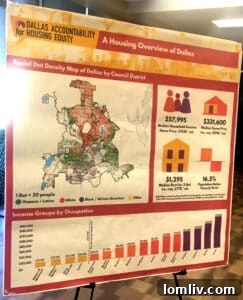
Reese Collins, an area redevelopment manager within the city’s Housing and Neighborhood Revitalization Department, underscored the profound significance of the insights garnered from these public workshops. “I am here to articulate the immense value this process holds for our department and for the city as a whole,” he stated, emphasizing the commitment to incorporating community perspectives. “Securing the community’s voice from the outset is absolutely critical for enacting meaningful change and instilling a genuine sense of ownership among residents. This early, direct community feedback is incredibly valuable to us, ensuring that our initiatives are truly informed by the lived experiences and priorities of those we serve.”
Campbell concluded the workshop with a powerful call to action, encouraging all residents to extend the reach of this vital conversation by informing their friends and neighbors about these unparalleled opportunities. These forums provide platforms not only for sharing pressing concerns but also for collectively brainstorming innovative ideas for improvement within Dallas’s housing landscape. “The time for passive planning is over; it’s time to earnestly start making tangible progress around equity,” Campbell asserted with conviction. “While our specific contract with the city will eventually conclude, the essential work of fostering true housing equity and community empowerment must, unequivocally, continue long into the future.” Her words serve as a potent reminder that the pursuit of housing justice is an ongoing journey, requiring sustained engagement and unwavering commitment from all stakeholders to build a more equitable Dallas for generations to come.