From The Dallas Builders Association
Dallas Permitting Predicament: Builders Grapple with Unprecedented Delays and Communication Breakdown
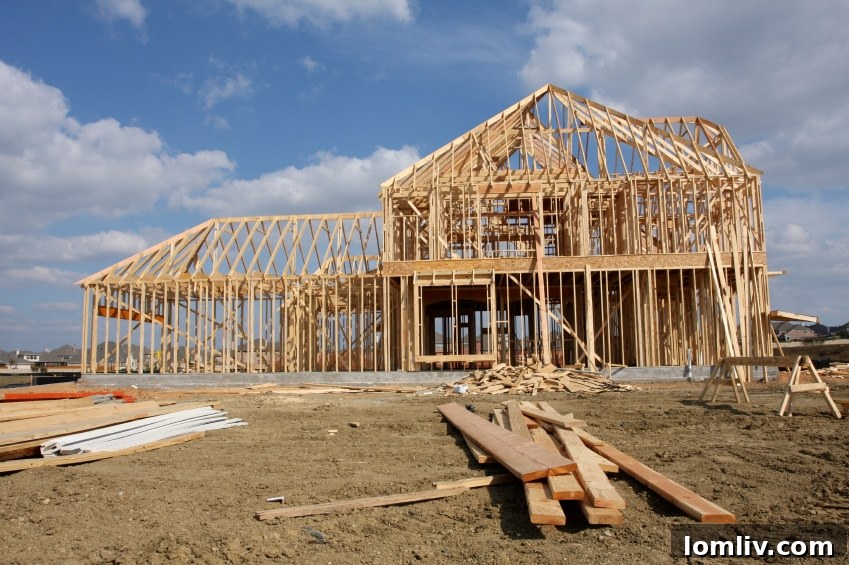
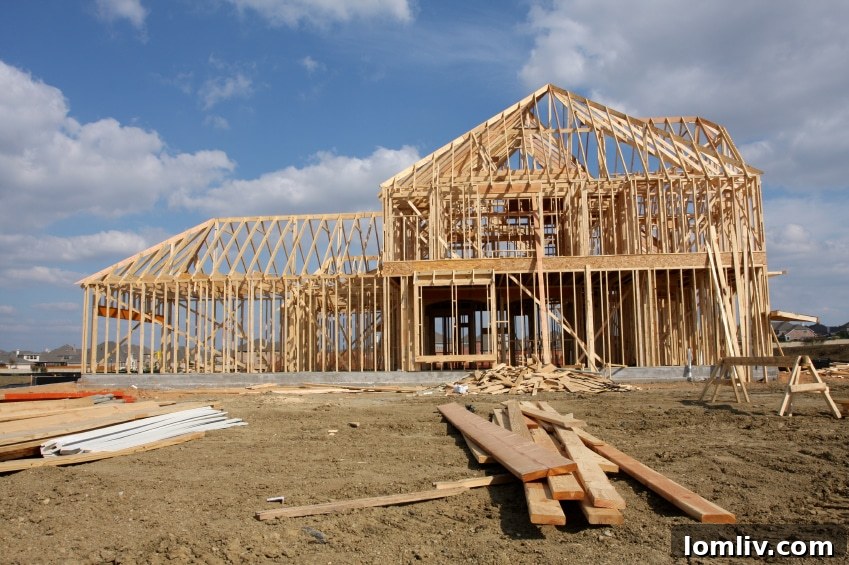
The summer heat in Dallas isn’t the only thing rising. Frustration among builders and developers across the city has reached a boiling point as the permitting process grinds to a near halt. Lengthy review times, a perplexing lack of communication, and the emergence of arbitrary new requirements are creating an untenable situation for the construction industry, threatening project viability and the city’s economic vitality. What began as a challenging bureaucratic hurdle has now escalated into a full-blown crisis, jeopardizing housing supply, job creation, and the timely completion of essential projects.
As of late July, the average wait time from the initial submittal of plans to the final issuance of a permit stretched to an agonizing five weeks. However, this average masks a far more grim reality, with numerous Dallas Builders Association members reporting waits significantly exceeding this benchmark. For many, projects are stuck in limbo for two months or more, creating a cascade of financial and logistical challenges. The much-anticipated reopening of the Oak Cliff Municipal Center for in-person consultations, initially slated for July 6, remains largely unfulfilled, leaving applicants without a critical avenue for direct assistance and resolution.
The Black Hole of Communication: Unanswered Inquiries and Systemic Failures
The inability to secure in-person support has forced builders into a digital and telephonic labyrinth, sending emails and making calls that, more often than not, vanish into an unresponsive void. This communication vacuum extends to the city’s much-maligned digital permitting platform, ProjectDox. Users frequently report that inquiries within the system meet the same fate, with one of the most critical failures being the lack of timely notification when revisions or additional documentation are required. Permits can ostensibly progress through the process without the applicant ever being aware of a snag, only to be hit with a request for information weeks later, further prolonging the ordeal.
“The lack of transparency and communication is crippling,” remarked Alan Hoffmann of Hoffmann Homes. “New requirements are suddenly popping up again without any notice or notification until you find out the hard way. A grading waiver that wasn’t required on my last two permits now suddenly is on the third. I’m at six weeks and counting, with no end in sight.” Such last-minute, unannounced changes force builders to halt progress, revise plans, and incur unforeseen costs and delays, turning what should be a predictable process into a game of chance.
Jeff Dworkin of JLD Custom Homes echoed similar frustrations, highlighting the re-emergence of previously relaxed or irrelevant requirements. “They are now asking for an American Institute of Architects (AIA) numbering scheme and for certified plats again,” Dworkin stated. The requirement for a certified plat was notably modified at the onset of the pandemic to favor a more streamlined online system, and an architect is typically not mandated for standard residential projects. The arbitrary reintroduction of such demands not only adds unnecessary complexity and expense but also signals a deeper issue within the city’s permitting department regarding consistent policy application and internal coordination.
City Leadership Acknowledges, But Action Remains Elusive
The good news is that the severity of the permitting crisis has not escaped the attention of Dallas’s city leadership. Mayor Eric Johnson has publicly declared permitting a top priority, framing it as a critical component of his “back to basics” approach for the newly constituted city council. To spearhead efforts to tackle this persistent challenge, he has tasked newly-minted Mayor Pro Tem Chad West with rallying the council around proposed solutions and driving decisive action. This acknowledgement from the highest levels of city government offers a glimmer of hope that a resolution might finally be within reach.
Phil Crone, Executive Officer of the Dallas Builders Association, expressed cautious optimism regarding the mayor’s commitment. “I’m encouraged that this is now a top priority for the Mayor and Mayor Pro Tem,” Crone stated. “Of all of the major problems facing the city, this is arguably the easiest to solve if there is a genuine political will to solve it decisively.” Crone’s sentiment underscores a critical truth: the issues are less about a lack of understanding and more about the historical struggle to implement lasting, effective solutions amidst bureaucratic inertia and political complexities.
A History of Fleeting Solutions: The Promise and Pitfalls of Third-Party Reviewers
This isn’t the first time Dallas has attempted to address its permitting woes. In February, the city initiated a promising partnership with third-party plan reviewers, a strategic move aimed at alleviating the overwhelming backlog and expediting the review process. Initially, this initiative yielded encouraging results. What had ballooned into an unacceptable 15-week review time for residential projects rapidly contracted to a far more manageable 3 to 4 weeks by late spring. This period offered a brief reprieve and demonstrated the potential for external partnerships to inject much-needed efficiency into the system.
However, this success proved to be short-lived. During the very period that residential reviews saw significant improvement, the timelines for commercial projects began to inexplicably lengthen. This shift forced city staff to divert their attention and resources to address the escalating problems on the commercial side, inadvertently—or perhaps inevitably—allowing residential permit times to regress. This ebb and flow illustrates a recurring pattern: temporary fixes often fail to address the fundamental, systemic issues plaguing the department, leading to a constant game of whack-a-mole where solving one problem merely creates another.
The Imperative for Systemic Change: Why Privatization is No Longer Optional
The current state of affairs is not merely an inconvenience; it represents a significant impediment to growth and development in one of the nation’s fastest-growing metropolitan areas. As Crone unequivocally states, “Privatization has to be part of the solution, at least for residential and small commercial projects. It is abundantly clear that things cannot continue as they are.” The rationale behind this assertion is compelling. The City of Dallas permitting department is demonstrably understaffed, overworked, and burdened by outdated processes and technology. The continuous departure or retirement of key permitting staff, taking with them invaluable institutional knowledge, only serves to exacerbate an already critical situation. This “brain drain” means that even if the city were to hire new staff, the learning curve and time required for them to become proficient would still prolong the current crisis.
The strategic outsourcing of plan reviews to qualified private firms offers several key advantages. It can immediately infuse the system with additional capacity and specialized expertise, reduce the current backlog, and allow city staff to focus on more complex cases or oversight. While concerns about cost and oversight are valid, they are surmountable with well-structured contracts and robust regulatory frameworks. The cost of inaction—measured in lost tax revenue, deferred investment, increased housing costs, and diminished economic competitiveness—far outweighs the perceived risks of embracing a privatized model. In a rapidly expanding city like Dallas, where demand for housing and commercial space is relentless, a streamlined, efficient permitting process is not a luxury but a fundamental necessity for sustainable growth.
Your Voice Matters: A Call to Action for Dallas Builders
The Dallas Builders Association urges all its members experiencing delays, frustrations, or inconsistencies with the permitting process in the City of Dallas to take immediate action. Your collective voice is a powerful tool for change. By documenting and sharing your experiences, you provide critical evidence that can strengthen the association’s advocacy efforts and directly inform city leaders about the real-world impact of these systemic failures.
Please reach out to the Dallas Builders Association via email at [email protected] with details of your permitting challenges. Furthermore, it is absolutely crucial to contact your respective city council member. As elected officials, council members are directly accountable to their constituents, and a deluge of complaints from local businesses can serve as a potent catalyst for legislative and administrative reform. Ensuring that your council member is fully aware of the extent and severity of the permitting crisis in their district is paramount to pushing for timely and effective solutions.
Members can easily find their council member by entering their address at this link. Additionally, emails for all council members and their administrative staff can be located here. Do not underestimate the power of direct communication with those who hold the keys to policy change. Your active participation is essential to transforming Dallas’s permitting system from a bottleneck into an enabler of progress and prosperity.