The burgeoning housing affordability crisis has become a defining challenge for rapidly growing cities across Texas and the nation. As urban centers expand and populations swell, the demand for accessible and affordable homes often outpaces supply, leading to skyrocketing prices and diminished opportunities for many residents. In response to these pressing issues, several forward-thinking municipalities are exploring innovative urban planning strategies, with a particular focus on zoning reform and lot size regulations.
One such city making headlines for its proactive approach is Austin, which recently undertook a significant policy shift aimed at increasing housing density and tackling its affordability woes. Last month, the Austin City Council passed a landmark resolution to drastically reduce the minimum lot size for residential development. This pivotal decision slashed the requirement from approximately 5,700 square feet to a mere 2,500 square feet. The move was enthusiastically championed by “Yes In My Backyard” (YIMBY) housing advocates, who view such reforms as essential steps toward fostering more inclusive and sustainable urban environments.
This progressive measure fundamentally alters the landscape of housing development in Austin, enabling the construction of more homes within a higher-density framework. The core principle behind this change is to augment the housing supply, thereby theoretically narrowing the persistent gap between demand and the availability of affordable homes. Beyond the minimum lot size reduction, Austin’s resolution also brought about additional crucial changes: it legalized the construction of homes on every lot by right and, significantly, exempted duplexes up to quadplexes from the often costly and administratively burdensome process of submitting extensive site plans. These combined efforts aim to streamline development, reduce barriers to entry for builders, and ultimately provide a more diverse range of housing options for Austin residents.

The ripple effects of Austin’s bold initiative are now being felt across other major Texas cities, prompting a critical examination of their own zoning ordinances and housing policies. Dallas, a metropolitan powerhouse grappling with similar challenges, is keenly observing Austin’s experiment. Currently, the minimum lot size for residential use in Dallas averages between 5,000 to 7,500 square feet, a figure that varies based on the established base zoning in different parts of the city, according to city officials. This relatively large minimum often restricts the potential for denser development, contributing to the city’s housing crunch.
The question now on the minds of Dallas urban planners, housing advocates, and concerned citizens is: would a similar, perhaps even more tailored, initiative prove effective in Dallas? At least one influential city council member believes so, and he is preparing to bring his comprehensive proposal to the council floor in the coming month, signaling a significant moment for Dallas’ housing future.
Reimagining Density: Taking on Minimum Lot Size in Dallas
District 1 Councilman Chad West has emerged as a prominent voice in Dallas’ housing reform discussion. In an insightful opinion column published in The Dallas Morning News on July 27, titled “How missing middle housing can help Dallas,” West articulated a compelling case for reevaluating the city’s minimum lot size regulations. He argued that a strategic reduction in minimum lot sizes could serve as a powerful catalyst for lowering home prices, while also offering a long-term benefit of reducing the property tax burden on residents. This dual approach aims to address both immediate affordability concerns and sustainable economic stability for homeowners.
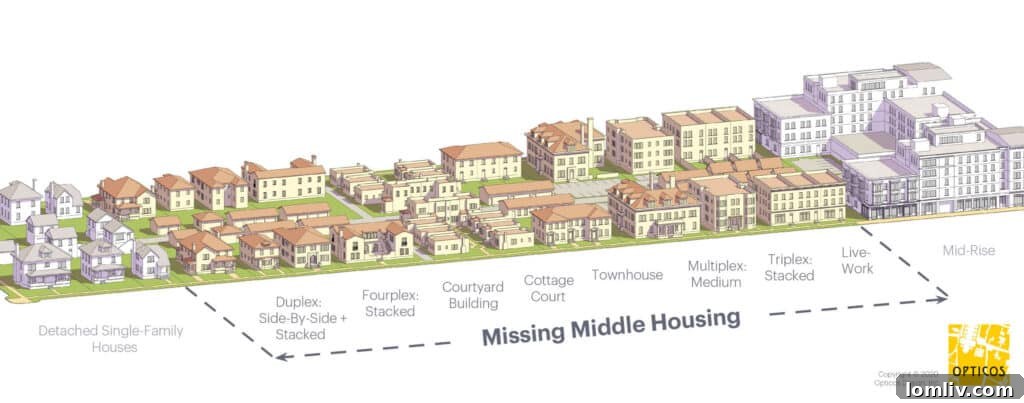
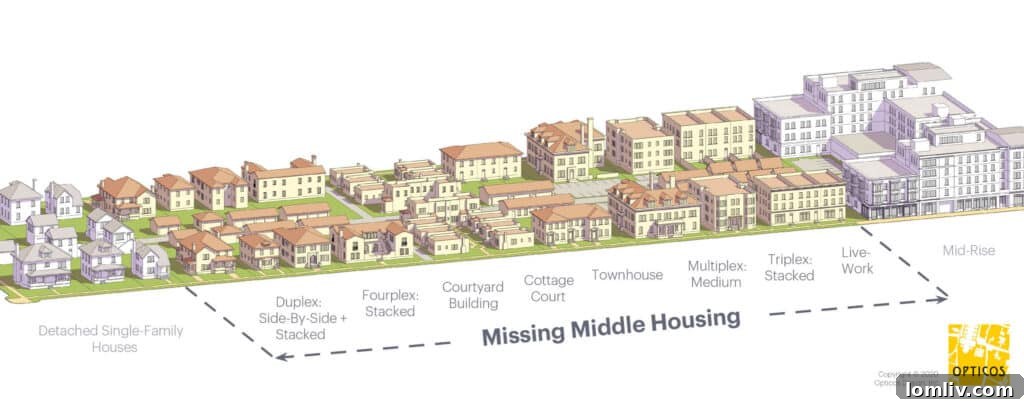
At the core of West’s proposal is the concept of “missing middle housing,” a term that refers to a range of house-scale buildings that are compatible in scale and form with single-family homes, but offer diverse housing types such as accessory dwelling units (ADUs), duplexes, triplexes, quadplexes, and row houses. These housing options effectively bridge the gap between detached single-family homes and large, multi-story apartment complexes, providing more attainable housing choices that often integrate seamlessly into existing neighborhoods.
“At its core, this allows for the construction of ‘missing middle housing,’ or accessory dwelling units, duplexes, quadplexes, and row houses,” West explained in his column. “I would like Dallas to begin the process of doing this in our city with two major amendments to Austin’s plan.” These amendments highlight West’s thoughtful consideration of Dallas’ unique urban fabric and socio-economic context, aiming to adapt Austin’s successful framework to suit Dallas’ specific needs.
The first of West’s proposed amendments is technical in nature: he suggests adjusting Dallas’ minimum lot size to 1,500 square feet. This specific figure is not arbitrary; it mirrors the minimum lot size currently in place in Houston. West justifies this choice by drawing a nuanced comparison between Dallas and its sister cities in Texas. “I think this is appropriate as Dallas is more similar to Houston, a global city with a population density of around 3,500 per square mile, as opposed to Austin, a state capital and college town with a population density of around 3,000 per square mile,” he stated. Dallas’ own population density stands at approximately 3,700 people per square mile, reinforcing West’s argument for aligning with a comparable metropolitan profile that has already successfully implemented a smaller minimum lot size. This technical adjustment would unlock vast potential for infill development and greater housing diversity across the city.
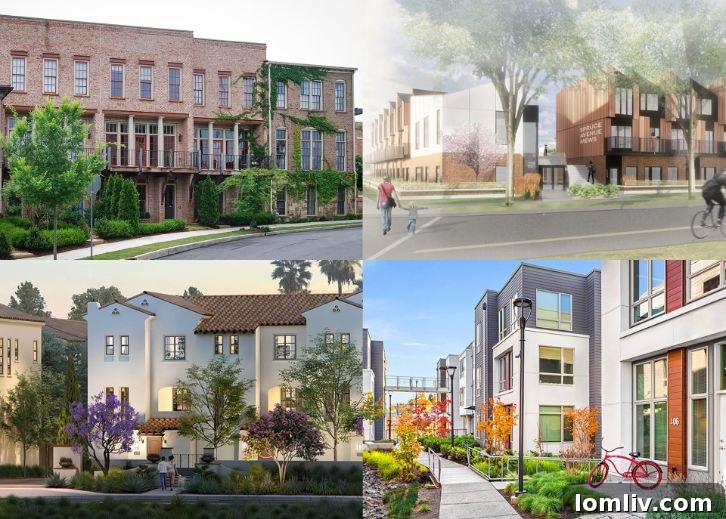
The second amendment proposed by Councilman West is “values-based,” reflecting a deep understanding of community concerns and a desire to implement changes responsibly. This crucial distinction specifies that missing middle housing would only be allowed on infill plots where a house does not currently exist. This approach directly addresses a major concern associated with unrestricted upzoning: the potential for rapid demolition of existing single-family homes, which can lead to displacement, loss of neighborhood character, and gentrification pressures. By focusing on vacant or underutilized infill lots, West aims to promote “gentle density” that complements existing neighborhoods rather than disrupting them.
The process of enacting such a significant policy change requires careful navigation through Dallas’ legislative channels. Councilman West informed daltxrealestate.com that he plans to file a five-signature memo in mid-August. This memo will formally outline his intent to initiate a discussion on the matter, signaling to the city manager and relevant departments that this is a priority for a segment of the council. West clarified the procedural steps: “It’s a resolution, so council can’t just unilaterally at the horseshoe change the code citywide on this kind of an issue. It’s got to go through the Zoning Ordinance Advisory Committee, then to [City Plan Commission], then to us. What we can do is pass a resolution that tells the city manager this is a priority and this is what we would like to see come out of it. Staff and CPC figure out the parameters.” This intricate process ensures that all stakeholders, including expert committees and community representatives, have an opportunity to review, refine, and provide input on the proposed changes before they reach a final vote by the City Council. The resolution serves as a powerful directive, setting the policy agenda and guiding the detailed work of city staff and commissions in crafting the specific legislative language.
Balancing Growth and Neighborhood Preservation: Impact on Dallas Neighborhoods
The urgency of addressing Dallas’ housing challenges is underscored by alarming trends in home prices across the city. Councilman West highlighted the significant price escalation in working-class neighborhoods, citing the 75211 ZIP code in Oak Cliff as a stark example. Within a mere five-year period, the median home sale price in this area surged from $200,000 to an astonishing $300,000. This rapid appreciation makes homeownership increasingly unattainable for many long-time residents and newcomers alike, exacerbating socio-economic disparities and threatening the fabric of established communities.
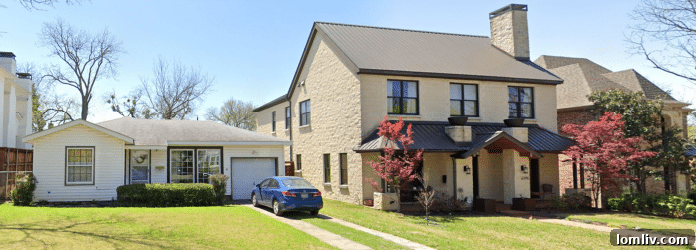
“Elected officials like myself need to consider bold, future-oriented actions that can do the most good for Dallasites old and new and that will require us to reconsider how we look at zoning and housing regulations,” the councilman asserted. “Part of this effort should include allowing gentle density like the City of Austin recently approved.” The concept of “gentle density” is central to West’s vision, aiming to increase housing supply without compromising the architectural integrity and community feel of existing neighborhoods. It represents a nuanced approach to urban development that seeks harmony between growth and preservation.
Reducing the minimum lot size, as West explained to daltxrealestate.com, is a relatively straightforward policy change. However, allowing duplexes and triplexes by right specifically on vacant lots, while crucial to his “values-based” amendment, presents its own set of complexities that require careful planning and implementation. West highlighted a critical distinction from Austin’s model: under Austin’s resolution, a developer could potentially demolish an existing single-family home and then file a permit to build a multi-unit structure like a triplex. This outcome is precisely what West hopes to prevent in Dallas.
“In my mind, Austin’s resolution on the allowance for this greater density on single-family lots almost encourages developers to take down single-family structures,” West articulated, expressing his concern about unintended consequences. “The intent behind my change here is for us to not encourage a rapid destruction of single-family homes so lots can become more densified. Staff has got to figure out how to make that work.” This proactive stance reflects a commitment to protecting existing housing stock and preventing widespread demolition that could displace residents and alter the character of beloved neighborhoods. The challenge lies in crafting zoning language that clearly prioritizes infill development on vacant plots while offering robust protections for existing homes.
To illustrate the potential for successful integration of varied housing types, West pointed to historical examples of “good urban planning.” He referenced Highland Park, an affluent Dallas enclave that, from its inception, incorporated a mix of housing stock within its single-family neighborhoods – a testament to the elusive but highly desirable “missing middle housing” concept. This historical precedent demonstrates that density and diverse housing forms are not inherently at odds with desirable neighborhood aesthetics or property values.
Further supporting his argument, West referenced one of his own historic neighborhoods. “Winnetka Heights is one of my historic neighborhoods,” he noted. “There are fourplexes and duplexes throughout Winnetka Heights. You don’t notice them because they blend in with everything else, the way they’re designed. If you come up with the appropriate setbacks and design standards, there’s no reason a little more density can’t just blend into the neighborhoods they are a part of.” This insight is critical, emphasizing that thoughtful design and well-defined aesthetic guidelines, including appropriate setbacks, building heights, and architectural compatibility, are paramount. These standards can ensure that new multi-unit dwellings complement the existing architectural styles and maintain the visual harmony of a neighborhood, rather than standing out as incongruous additions.
The path forward, while promising, is not without its challenges. West confirmed he has the necessary support for a five-signature memo, a crucial first step to officially open the discussion on these proposed reforms. However, discussions with his colleagues have revealed legitimate concerns that need to be addressed comprehensively. Beyond design standards and setbacks, some council members are particularly worried about the potential impact of higher density on tree coverage. Preserving Dallas’ urban canopy is a significant environmental and aesthetic priority, and any policy increasing density must include robust provisions for tree protection and new plantings to mitigate adverse effects.
Despite these considerations, West remains optimistic and resolute about the necessity of immediate action. “I don’t see this as an overnight deal, but we need to start now because housing prices are increasing more and more rapidly,” West urged. The escalating housing costs demand urgent, proactive measures rather than incremental adjustments. He acknowledged the collaborative process, stating, “There are five of us that agree in concept right now. We believe in the world of this and are willing to sign on but what ends up in the final [memo] might be changed a little bit.” This indicates a healthy, deliberative process where initial ideas evolve through discussion and compromise to produce the most effective and widely supported policy. The commitment from several council members signals a strong political will to tackle Dallas’ housing crisis head-on, leveraging lessons learned from other cities while adapting them to Dallas’ unique context.
For those interested in engaging with this vital discussion, an important event is on the horizon. Austin-based Texans for Reasonable Solutions, a non-profit advocacy group dedicated to fostering sensible housing policies, is hosting a happy hour and discussion focused on housing affordability. The event is scheduled for Thursday, Aug. 3, at 5:30 p.m., where Councilman Chad West will provide opening remarks on the critical issue of lot size reform and its potential to shape Dallas’ housing future. This gathering offers a valuable opportunity for community members, urban planners, developers, and policymakers to exchange ideas and contribute to the ongoing dialogue about creating a more affordable and equitable Dallas.