Mastering the Art of Working From Home: Strategies for a Productive and Harmonious Remote Setup
The transition to working from home has been a significant shift for many, bringing with it both unprecedented flexibility and a unique set of challenges. As we navigate the complexities of balancing professional responsibilities with personal life – whether that involves homeschooling children, meticulously planning meals, or simply keeping everyone in the household engaged and happy – the demand for effective remote work strategies has never been greater. For those new to the full-time work-from-home dynamic, beyond the occasional email check, this period has been a profound wake-up call, highlighting the critical need for structure and adaptability.
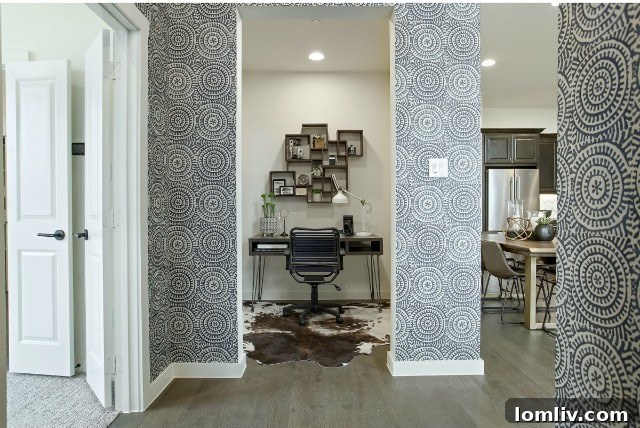
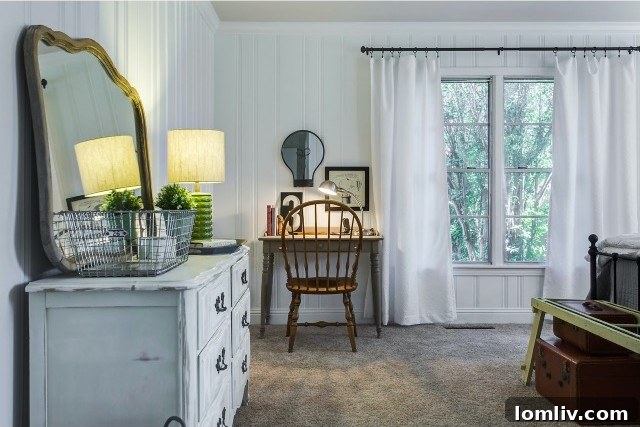
In the realm of remote work, establishing a dedicated workspace is paramount. This isn’t merely about having a place to sit; it’s about creating a psychological boundary between work and home life, fostering focus, and enhancing productivity. While an entire spare room, such as a guest room or a grown child’s vacated bedroom, offers an ideal solution, not everyone has this luxury. The good news is that creativity can transform even the most unconventional spaces into functional home offices. Consider tidying out a rarely used closet and installing a sturdy shelf to create a compact, private desk. Repurpose a section of your garage workbench by clearing tools and pulling up a comfortable chair. Even an often-overlooked attic, if climate-controlled, can become a serene retreat – just clear out seasonal decorations and perhaps bring up a small outdoor patio set for an unconventional yet effective setup.
Crafting Your Ideal Home Office: More Than Just a Desk
Creating an effective home office goes beyond merely finding a spot. It involves thoughtful design, ergonomic considerations, and a clear understanding of your work habits. Your dedicated space should ideally be free from major distractions, allowing you to immerse yourself fully in your tasks. Good lighting, whether natural or artificial, is crucial for reducing eye strain and boosting alertness. Consider investing in an ergonomic chair and a desk that supports good posture, as prolonged sitting can take a toll on your body. Even small details, like a plant or a personal photo, can make the space feel more inviting and conducive to concentration. Remember, this isn’t just a place to work; it’s a zone designed to maximize your efficiency and minimize stress.
Moreover, think about the tools you need. Reliable internet access is non-negotiable, and a high-quality webcam and microphone are essential for virtual meetings. Organize your essential documents and supplies so they are easily accessible, preventing interruptions to your workflow. Soundproofing or noise-canceling headphones can be lifesaver if your home environment is particularly bustling. The goal is to design a space that feels professional, comfortable, and distinctly yours, reinforcing the boundary between your professional duties and your personal life.
Expert Insights: Real Estate Professionals Share Their WFH Secrets
To help you navigate this new landscape and inspire you to create your most productive home office, we’ve gathered valuable insights from a few prominent real estate professionals. These industry leaders are not only adept at managing complex deals but also at making the work-from-home reality look both functional and, dare we say, glamorous. Their tips range from practical organizational strategies to unique approaches to work-life balance, proving that with a little ingenuity and discipline, working from home can be a rewarding experience.
Rogers Healy: Embracing the Joys of Remote Work
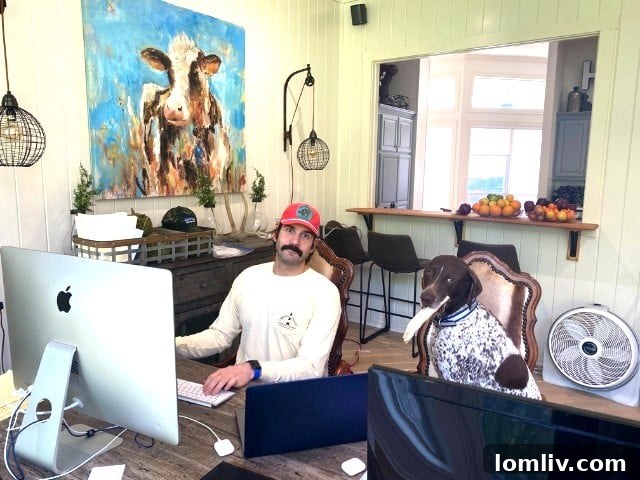
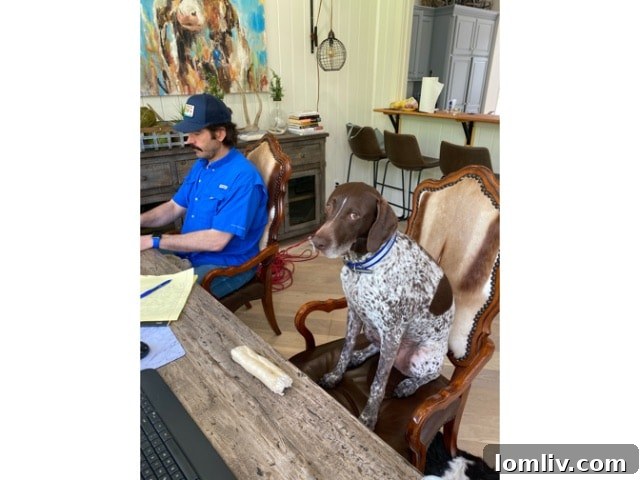
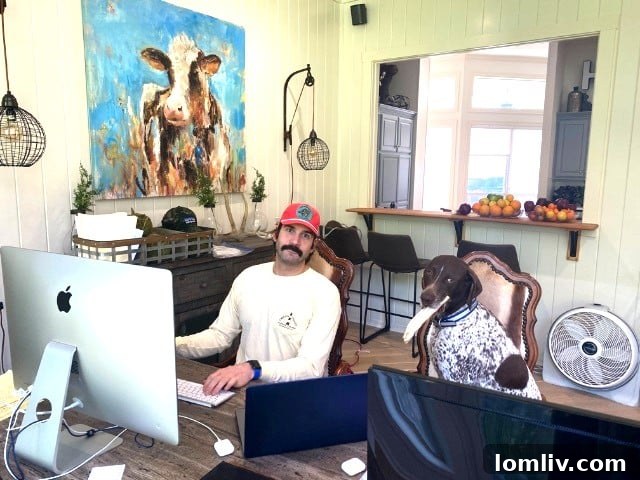
Rogers Healy, the dynamic owner of Rogers Healy and Associates Realty, is a beacon of positivity, regardless of the circumstances. He approaches the “safe at home” situation with his characteristic good humor, reminding us of the often-overlooked perks of working from home. His perspective highlights how remote work can foster a more relaxed and personalized professional environment:
- Proximity to Comfort: “Home is where my snacks live.” This simple truth speaks to the convenience of having your kitchen just steps away, allowing for healthier, more frequent breaks and personalized fuel for your workday.
- Flexible Attire: “Home is a place that I can wear a suit top—and shorts.” The freedom to dress comfortably, even if it’s a professional top for video calls and casual bottoms for everything else, is a unique benefit that contributes to overall well-being and reduced stress.
- Furry Colleagues: “Home is a place I rent from my dogs.” Pets offer unparalleled companionship, reducing feelings of isolation and providing delightful distractions that can ease work-related tension. Their presence can be a powerful antidote to the solitude of remote work.
- Automated Assistance: “Home is a place that my Roomba earns its commission.” Delegating household chores to smart devices frees up valuable time and mental energy, allowing you to focus more intently on work.
- Familiar Scents: “Home is a place that smells like Batman, Amigo, and Coach (the dogs).” The comfort of familiar smells and surroundings creates a relaxed atmosphere, making your workspace feel less sterile and more inviting.
- Always Open Refreshments: “Home is where the dessert bar is always open!” The ability to access personal comforts, like a favorite treat, without leaving your premises, adds a touch of joy and self-care to the workday.
Rogers’s outlook reminds us that working from home isn’t just about getting tasks done; it’s about integrating work into a lifestyle that prioritizes comfort, convenience, and personal well-being.
Beverly Pitchford: Multitasking with Mindfulness
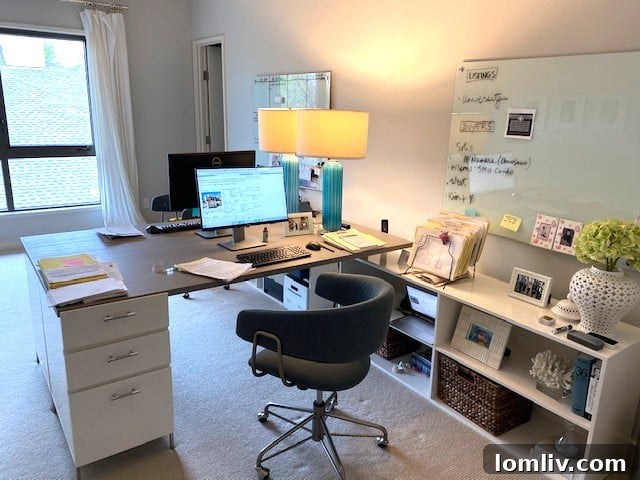
Briggs Freeman Sotheby’s Realtor Beverly Pitchford exemplifies the consummate multi-tasker, a skill that has proven invaluable with her husband and middle schooler suddenly sharing the home front. Her practical tips focus on maintaining clarity and balance amidst a busy household, strategies we are eager to implement immediately, especially her ingenious “kitchen pantry escape”!
- Declutter for Clarity: “Keep space as uncluttered as possible. It helps me keep my head as uncluttered as possible!” A clean, organized workspace directly translates to a clear, focused mind. Minimizing visual distractions helps prevent mental clutter, allowing for greater concentration and reduced stress.
- Noise Management: “My husband and I share a partners desk. His conference calls can get loud so I use headphones with relaxing music.” When sharing a workspace or dealing with household noise, quality headphones are essential. Relaxing music or ambient sound can create a personal sound sanctuary, protecting your focus.
- Natural Remedies for Wellness: “Have some peppermint oil on hand when you feel a headache coming on.” Aromatherapy, specifically peppermint oil, can be a simple yet effective tool for managing stress and alleviating minor discomforts like headaches, promoting overall well-being during intense work periods.
- Strategic Breaks: “Take breaks! The kitchen pantry is a favorite of mine.” Short, intentional breaks are crucial for mental rejuvenation. Finding a unique, quiet spot, even if it’s just a pantry, allows for a quick mental reset away from the main workspace.
- Embrace the Outdoors: “Get outside.” Stepping out for even a few minutes can work wonders. Fresh air, natural light, and a change of scenery can improve mood, reduce fatigue, and provide a fresh perspective.
- Mind-Body Connection: “Do some yoga.” Incorporating physical activity, like a quick yoga session, can help release tension, improve circulation, and boost energy levels, making you more productive upon your return to work.
- Stay Connected: “Call a friend!” Social interaction, even a brief chat, helps combat feelings of isolation and can be a great way to de-stress and share experiences with others navigating similar challenges.
Beverly’s advice underscores the importance of intentional self-care and smart strategies to maintain both productivity and personal harmony in a shared home environment.
Teffy Jacobs: The Power of Organized Efficiency


Teffy Jacobs, the accomplished vice president and marketing director of Doris Jacobs Real Estate at Allie Beth Allman and Associates, recently completed the installation of custom built-ins in her home office. This timing was perfect, as her newly optimized space offers a masterclass in organization. Teffy’s office is a total inspiration for anyone looking to bring order and calm to their remote work setup.
- Designated Storage: “Have a place for everything.” This fundamental principle of organization ensures that every item, from pens to important documents, has a specific home. When everything is in its designated spot, you spend less time searching and more time working, significantly boosting efficiency.
- Vertical Storage for Visibility: “Use the Marie Kondo method for keeping everything upright. When you stack papers vertically you can see what you need to see.” The KonMari method, popularized by Marie Kondo, advocates for storing items vertically rather than horizontally. This approach is particularly effective for papers and files, as it allows you to see the labels or contents of each item at a glance, preventing stacks from becoming overwhelming and forgotten. This visual accessibility saves time and reduces frustration.
- The Zen of Organization: “Remember when you have things organized it allows for peace of mind.” Beyond mere aesthetics, an organized workspace profoundly impacts mental well-being. A clutter-free environment fosters a clutter-free mind, reducing stress, enhancing focus, and promoting a sense of control and calm. Knowing exactly where everything is alleviates cognitive load and allows for uninterrupted concentration on your tasks.
Teffy’s insights emphasize that effective organization is not just about tidiness; it’s a powerful strategy for improving mental clarity and professional productivity, transforming your home office into a sanctuary of efficiency.
Heather Guild: Navigating Work and Family Life
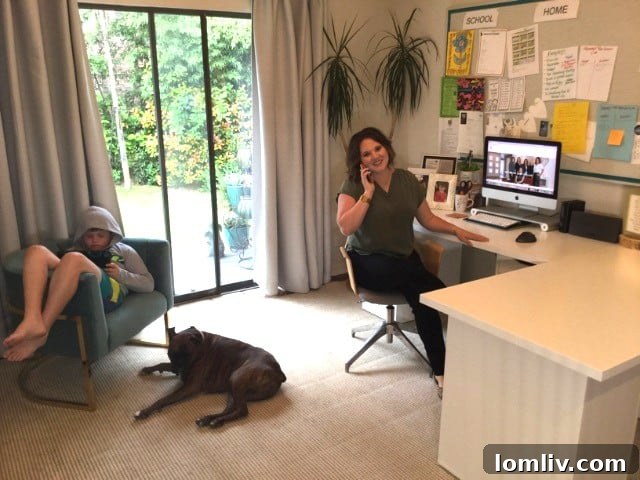
Heather Guild, who leads the powerhouse Heather Guild Group at Compass Real Estate, lives in Lakewood with her husband, son, and Boxer. She offers invaluable, expert advice on managing the unique complexities of working from home, especially when children are also present. Her strategies focus on clear communication and setting boundaries to maintain focus and family harmony.
“First, provide a clear signal to your kids that indicates you are genuinely busy and need to focus intently. I’ve found a simple lamp on my desk works wonders. When the light is on, my son understands that I should only be interrupted for something truly serious. Of course, our definitions of ‘serious’ can sometimes vary. My 10-year-old, for instance, sometimes believes that struggling to change his Minecraft skin or needing a screen time renewal code qualifies as a top-priority emergency!” This approach teaches children to respect work boundaries while still feeling acknowledged.
“Second, establish a non-verbal cue to signal that you’ve noticed their need and will attend to them shortly. If I’m on an important call and my son needs to speak with me, he places his hand gently on my arm. I respond by covering his hand with mine, a silent acknowledgment that I’ve seen him and will be with him as soon as my current task allows. This strategy proves effective about 75 percent of the time. For the remaining 25 percent, a gentle verbal reminder that I’ll be available as soon as I can is usually necessary.” Such cues prevent disruptions while reassuring children that their needs are important.
“Third, if your children are old enough and digitally literate, leverage technology to your advantage! Set them up with their own email account or a dedicated text messaging platform. This allows them to ask questions and communicate with you discreetly without directly interrupting your crucial conference calls. Just be sure to give grandparents a heads-up; they might receive a barrage of messages from said child who hasn’t quite mastered the nuances of communication etiquette yet!” Technology can be a powerful ally in maintaining workflow while staying connected with family.
“Finally, and perhaps most importantly, when all else seems to fail and the chaos feels overwhelming, always remember this profound truth: this too shall pass, my friends!” Heather’s concluding thought provides a much-needed perspective, reminding us that these challenging times are temporary and that resilience is key.
Indeed, these moments of adaptation and innovation will pass. In the meantime, the insights from these experienced professionals offer a roadmap for not just surviving, but thriving in the work-from-home environment. If you have some brilliant work-from-home tips of your own, please share them with us – together, we can build a community of empowered remote workers!