Bishop Arts District Demolition Controversy: The Battle for Affordable Housing and Historic Character in Dallas
This comprehensive report has been updated with critical new developments, official statements, and community insights regarding the ongoing situation.
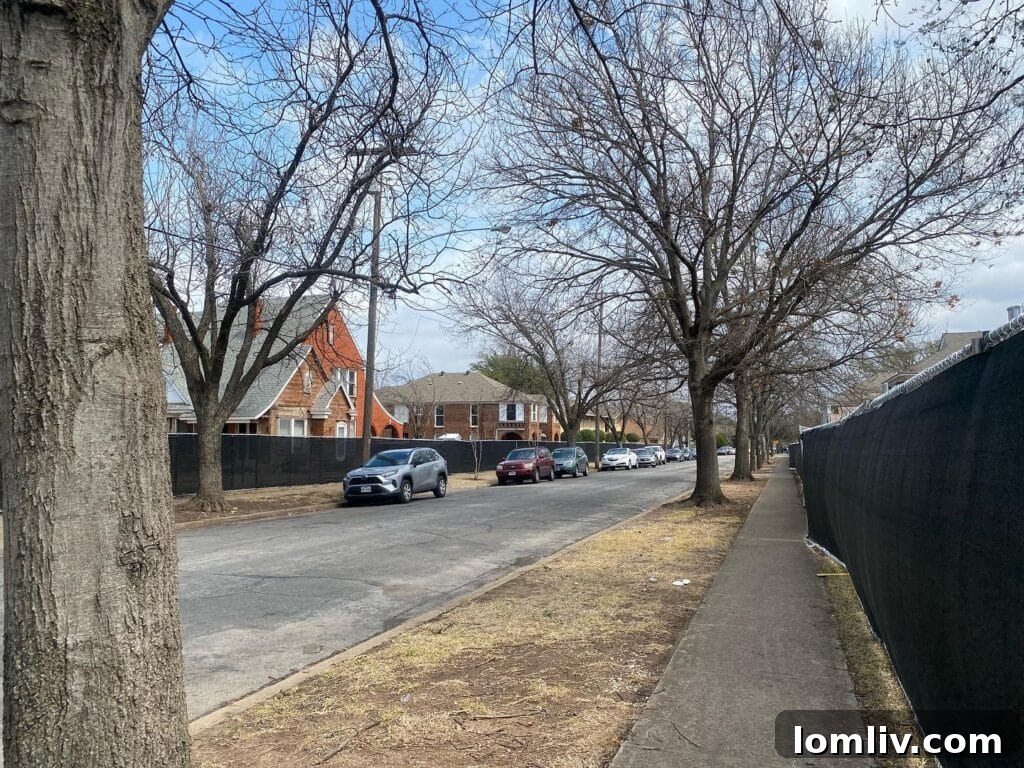
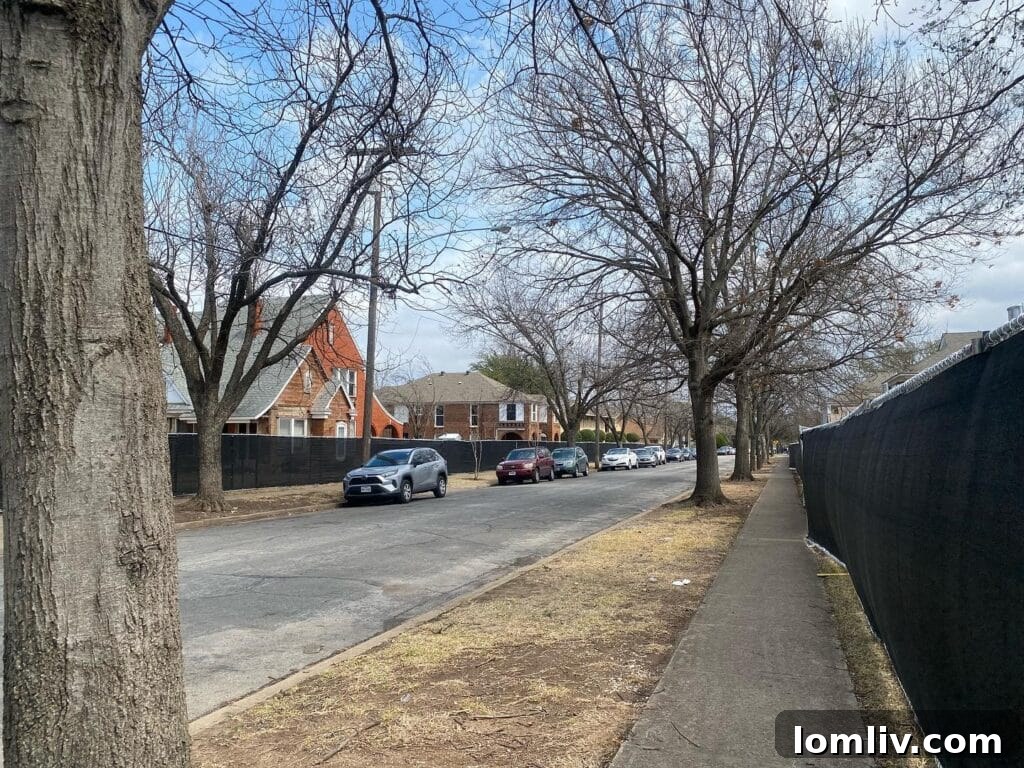
The cherished Bishop Arts District, a cultural and historical gem nestled within Dallas’s vibrant Oak Cliff neighborhood, is currently embroiled in a significant urban development controversy. Recent activities on two pivotal blocks of W. 8th Street, specifically between Llewellyn and Madison, have sparked widespread alarm and ignited a fervent debate about the future of affordable housing and historic preservation in this rapidly changing area. What began with the discreet erection of fencing around several properties, hinting at imminent demolition, quickly escalated into a public outcry as revelations surfaced regarding the legality and implications of these actions.
Concerned residents and local advocates promptly reported that the fenced-off properties included some of the last remaining affordable apartment buildings on the fringes of the Bishop Arts District. This initial alarm prompted immediate inquiries to city officials. The ensuing investigation led to a surprising and troubling confirmation: the office staff of District 1 City Council Member Chad West confirmed that no official demolition permits had been filed or approved for the structures in question. This crucial disclosure cast a shadow of doubt over the legitimacy of the ongoing site preparations and highlighted a significant lapse in regulatory oversight.
Unpermitted Destruction: A Red Flag for Dallas Development
The gravity of the situation became undeniably clear when Daltxrealestate.com secured photographic evidence revealing that one of the properties, located at 521 W. 8th Street, had already undergone partial dismantling. This physical alteration, occurring in the absence of the requisite permits, served as concrete proof of unauthorized activity and further intensified community anxieties regarding transparency and adherence to city regulations. The sight of a historic structure being torn down without official approval galvanized local residents and preservationists, underscoring the urgent need for intervention.
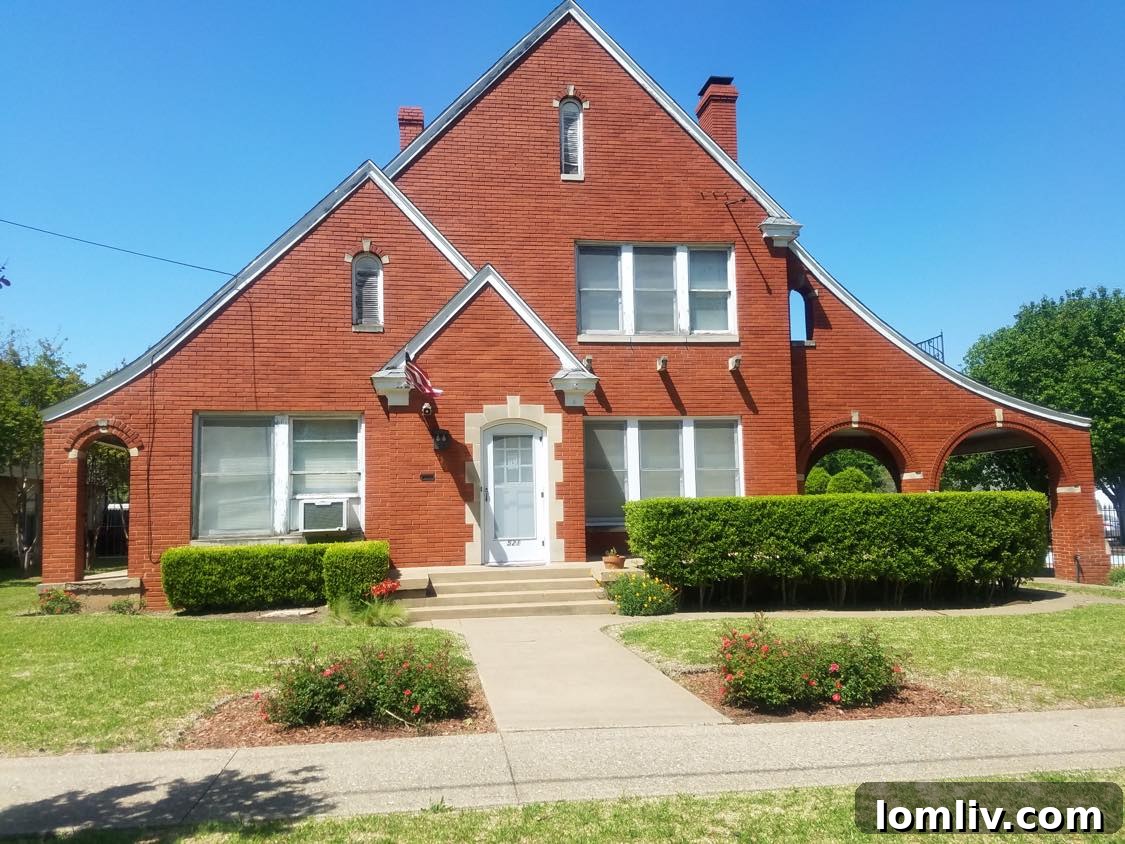
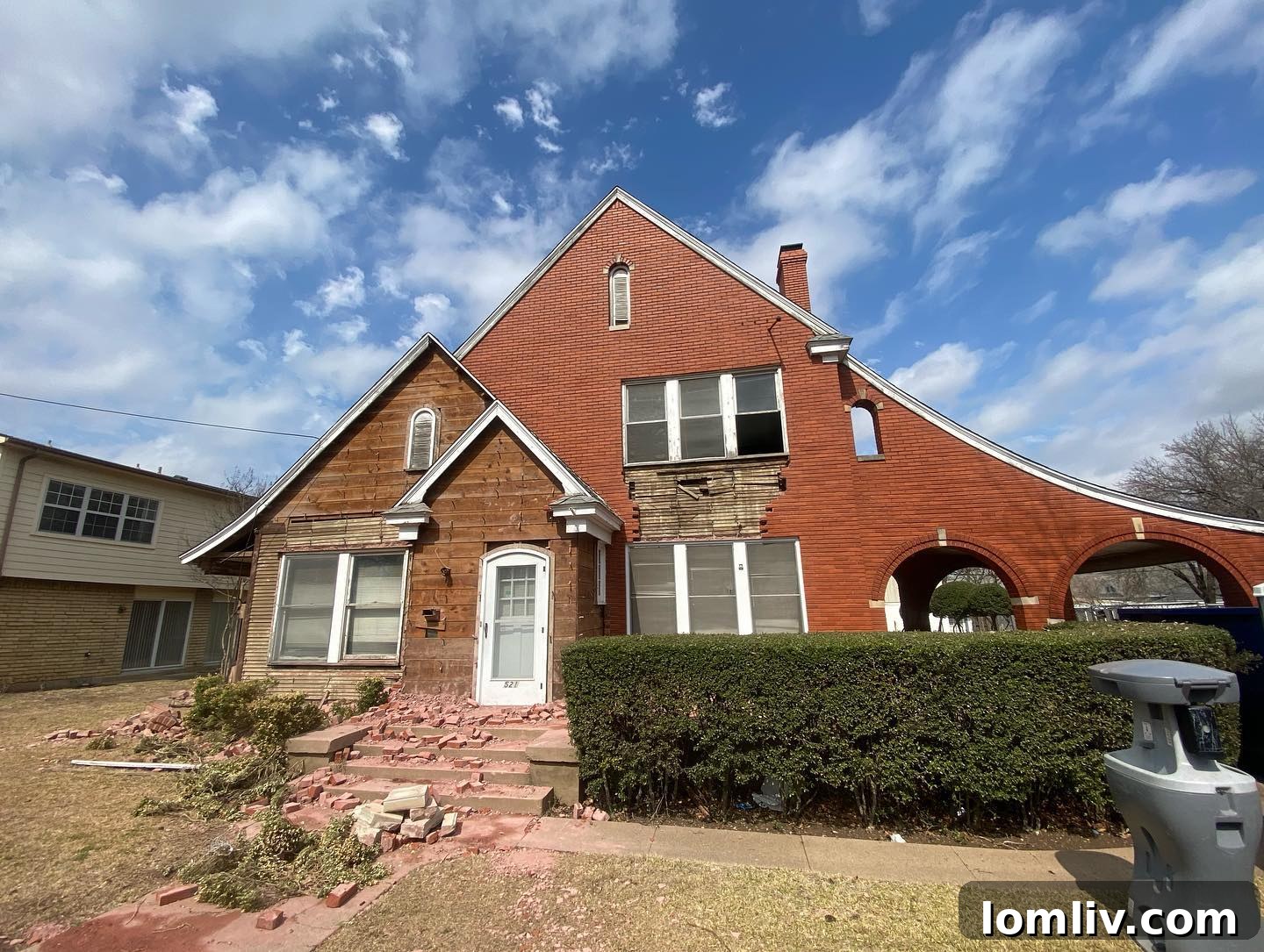
The expansive area that has been fenced off, situated strategically just outside the core of the Bishop Arts District, encompasses a total of 15 properties. All of these parcels are held under the ownership of LMC Bishop Arts LLC, a corporate entity representing Lennar Multifamily Corp. (LMC). LMC is widely recognized as a major developer specializing in high-end, luxury apartment complexes, indicating a clear trajectory toward significant market-rate redevelopment. This scale of development starkly contrasts with the existing fabric of the neighborhood, which has long been characterized by a diverse mix of housing, including a substantial component of affordable residences.
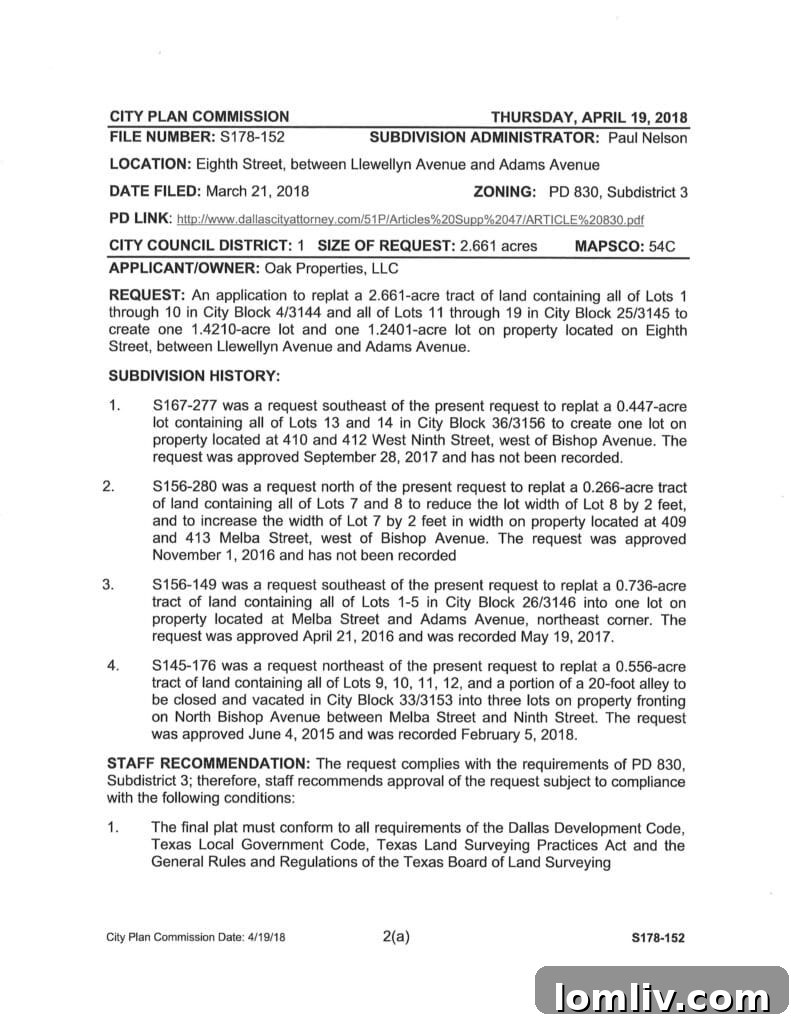
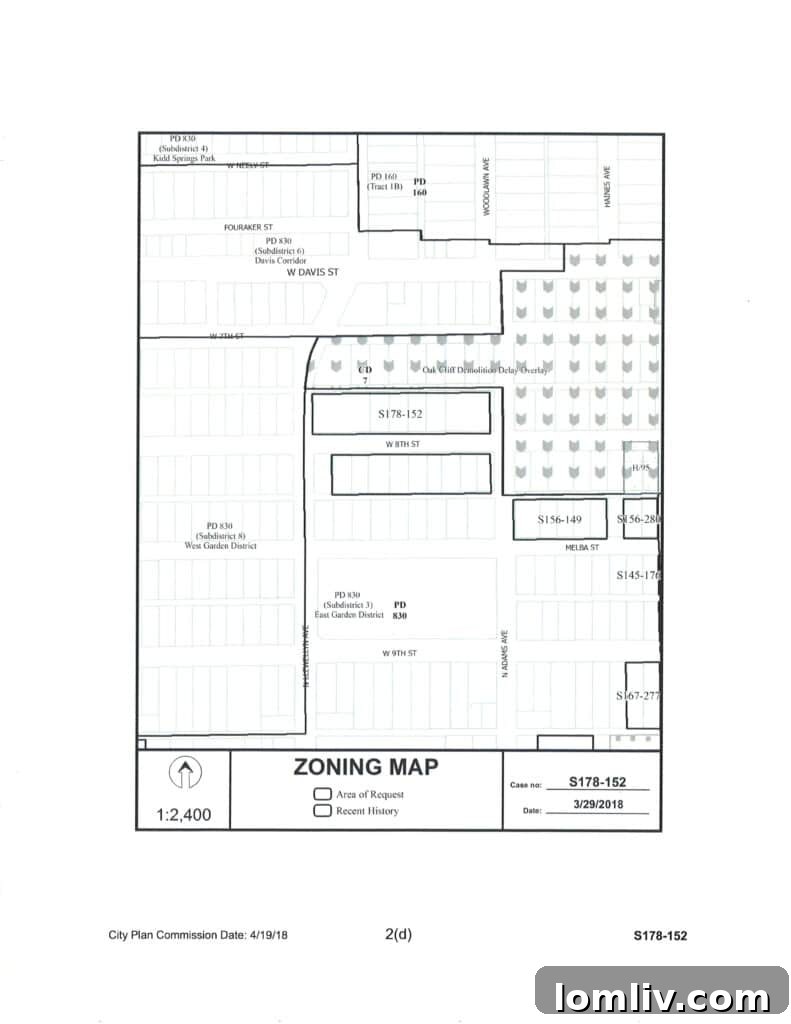
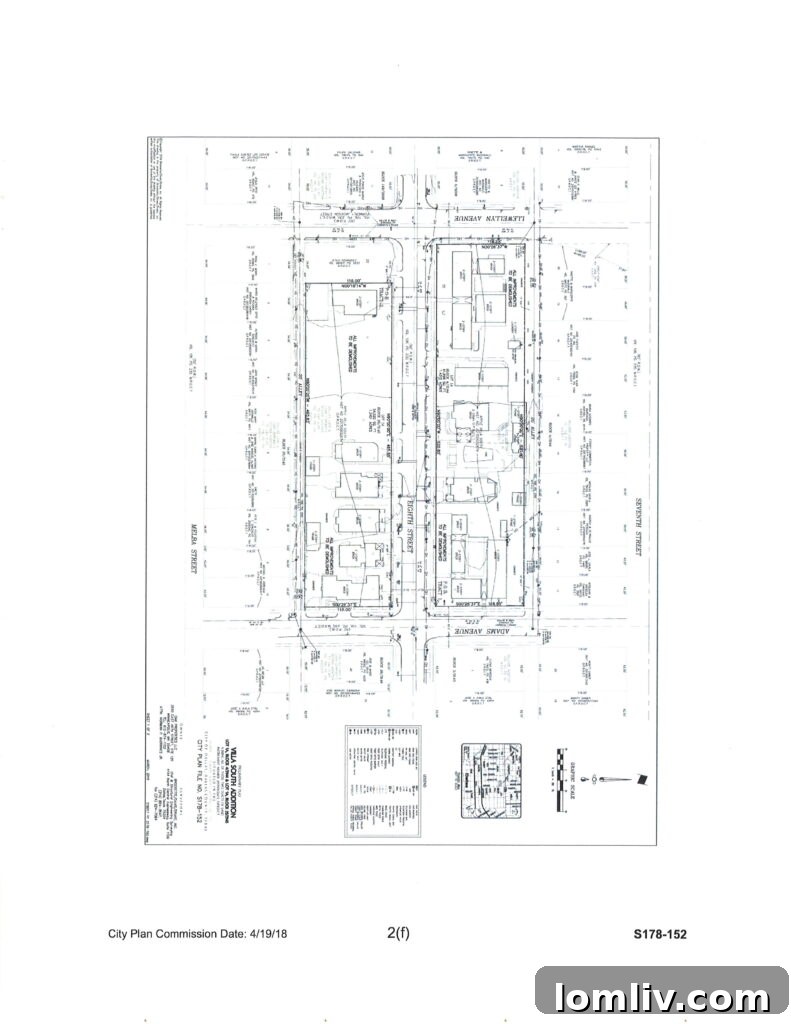
Public records shed further light on the developer’s long-term strategy. Documents from the City Plan Commission dating back to 2018 reveal that a replatting proposal for these lots, collectively spanning 2.661 acres within Subdistrict 3 of PD 830, was submitted and subsequently approved. This replatting, which effectively alters the legal boundaries and density allowances for the properties, gained approval during the tumultuous early months of the global pandemic. This period was marked by unprecedented challenges that often limited robust community engagement and oversight. Despite vocal objections raised by numerous neighbors at the time, the replatting approval proceeded, essentially laying the groundwork for the intensive development plans now being realized.
Additional Glimpses of the Properties Under Threat
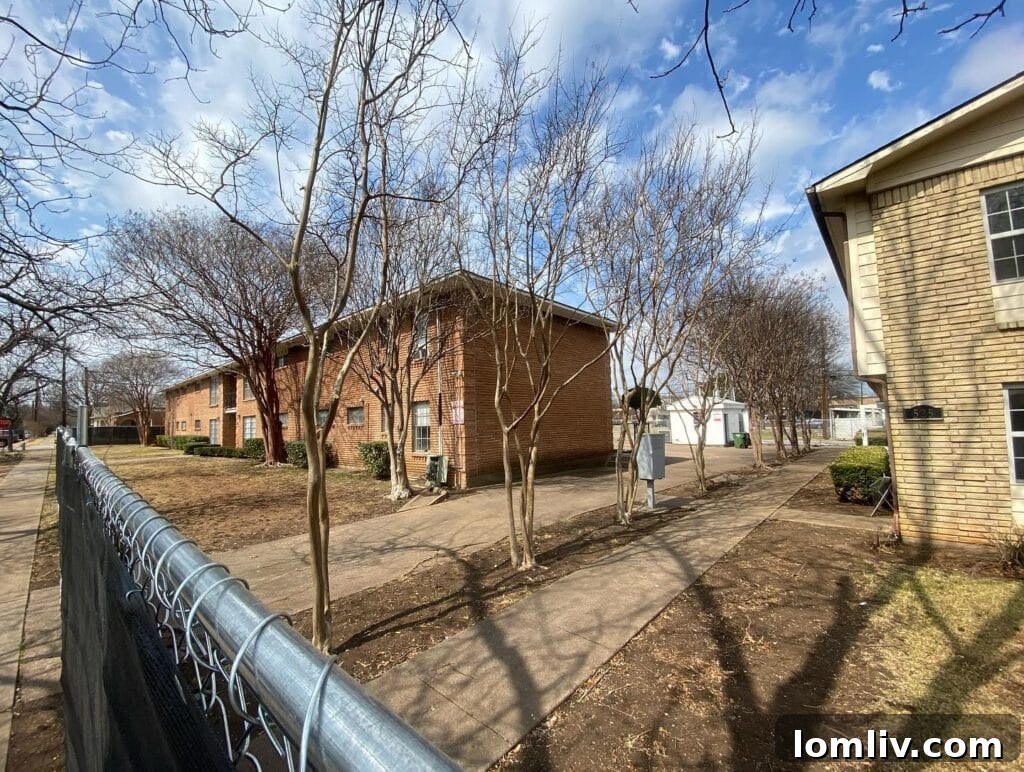
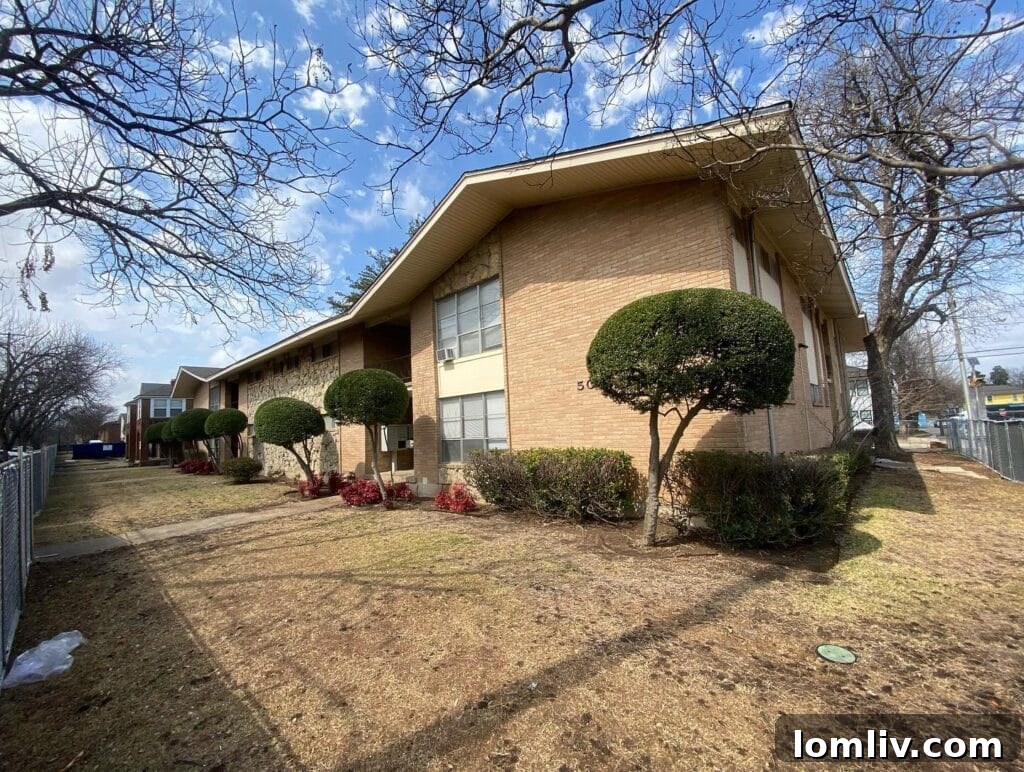
The following images provide further visual context to the properties targeted for redevelopment on W. 8th Street, showcasing the residential character at stake:
The Preservation Paradox: Why These Buildings Are Vulnerable
A central challenge in protecting these properties stems from their current historical status – or rather, their lack thereof. The specific segment of the Bishop Arts District where these buildings are located is not designated as a National Register Historic District. Furthermore, the individual buildings themselves are not classified as official landmark structures by the City of Dallas. This absence of formal historic designation means that these midcentury apartment buildings and rental homes, despite their intrinsic community value and contribution to the area’s character, do not automatically qualify for the City of Dallas’ crucial demolition delay protections. This regulatory gap leaves them significantly exposed to developers seeking to maximize land value through new construction.
The implications of this vulnerability are profound, extending far beyond the loss of specific architectural styles. Oak Cliff has been experiencing relentless gentrification, a process that disproportionately impacts its long-standing working-class residents, many of whom are people of color. The disappearance of a substantial number of affordable rental units in such a highly walkable and desirable area, like the Bishop Arts District periphery, is poised to have severe socioeconomic repercussions. This development is widely viewed as yet another significant blow to the district’s economic diversity, accessibility, and the ability of its diverse population to remain in their homes, further accelerating displacement and fundamentally altering the neighborhood’s social fabric.
Community Reactions, Developer Insights, and Regulatory Challenges
The deep-seated concern and frustration surrounding these demolitions are palpable within the community. Rob Shearer, a respected Oak Cliff resident and dedicated community advocate, used social media platforms to vocally express his dismay, articulating the broader societal issues presented by such unchecked development. His public commentary served to underscore the urgent need for enhanced protections and for development strategies that prioritize community well-being over sheer profit.
In an effort to provide a balanced perspective, this publication made multiple attempts to contact LMC for comment regarding the unfolding demolition plans. Regrettably, no official response was received from the developer before the initial publication deadline, contributing to the public’s perception of a lack of transparency and open communication.
Update: Salvage Efforts and a Developer’s Nuanced Perspective
A critical update surfaced concerning the partial demolition of 521 W. 8th Street. David Spence, the owner of Good Space, a respected Oak Cliff property company, clarified his company’s involvement. Spence explained that the work was authorized by LMC specifically for the purpose of salvaging valuable materials from the building. “LMC, together with the block’s former owners, the McDonald family, very kindly enabled us to salvage 5,000 bricks from the non-load-bearing facades of the structure to be reused as brick pavers at Good Space’s current renovation of a pair of century-old houses a block east on 8th St. Also salvaged were dozens of period doors for Good Space’s next restoration two blocks west,” Spence detailed.
While acknowledging the economic realities driving such redevelopments, Spence offered a nuanced view of LMC’s conduct. He stated, “However much one may lament the economics behind this block’s redevelopment, my impression as a residential landlord and neighborhood advocate is that LMC has been compassionate toward departing tenants, quick to secure the empty buildings from vandals, and above-board in their permitting and predevelopment.” This perspective suggests that, concerning tenant relocation and material salvage, LMC had demonstrated a degree of consideration, even amid the broader controversy surrounding the demolition itself.
Update 2: Decoding Dallas’s Historic Preservation Regulations
Further elucidation arrived from Councilmember West’s office, clarifying the intricacies of the city’s permitting processes. West conveyed that city staff generally consider interior demolition of a property to fall under the purview of a remodel permit, which notably does not trigger the city’s standard demolition delay. However, staff also expressed a strong belief that the developer’s plans for the property extended far beyond simple interior alterations. This distinction became particularly pertinent given that significant quantities of masonry and interior fixtures had already been systematically removed from the Tudor-style home at 521 W. 8th Street, as confirmed by Spence’s salvage operation, suggesting a more comprehensive, unpermitted deconstruction.
Additionally, Councilmember West forwarded a comprehensive note from Murray Miller, Director of the City of Dallas’ Office of Historic Preservation (OHP). Miller’s detailed explanation provided crucial insights into the regulatory framework applicable to the W. 8th Street block between Llewellyn and Madison:
The area between W. 8th St. from Llewellyn to Madison is partially covered by several “areas” and “historic resources”.
AREAS
- Oak Cliff Demolition Delay Overlay District (DD0-1) – covers W 8th St., from N. Adams Ave. to Madison Ave.
- Greater Oak Cliff Demolition Delay Overlay District (DD0-3) – covers W 8th St., from Llewellyn to N. Adams Ave.
HISTORIC RESOURCES
- North Bishop National Register Historic District – applicable to the area along W 8th St., from approximately 318-408 W. 8th St.
- Bishop Arts Building (408 W 8th St) – Dallas Historic Landmark
OHP’s REGULATORY AUTHORITY
For areas 1 and 2 – The Demolition Delay process would only be triggered if the Office of Historic Preservation (OHP) is advised that an application for a demolition permit has been received by Building Inspection.
For historic resources in item 3 – the OHP does not have jurisdiction to review historic resources that may be within a National Register Historic District that is outside of a demolition delay overlay.
For historic resource in item 4 – the OHP regulates any exterior change since this is a Landmark designated by City Council.
PROACTIVE MEASURES
If an application is received for demolition, the effectiveness of proactive measures will likely be considerably diminished. The demolition delay process is largely a “reactive” process that does not typically have the effectiveness required to protect historic properties. It is possible that if significant incentives were available, an owner might be persuaded to consider alternatives to demolition as part of the demolition delay process.
However, a proactive measure that should be undertaken citywide is the updating of its historic resource surveys, which is fundamental to land use decisions and can inform which properties/districts could be paired with incentives to leverage an owner’s request for designation.
Miller’s comprehensive breakdown highlights the intricate, and at times fragmented, nature of preservation overlays and designations within Oak Cliff. It clearly articulates that the demolition delay process is primarily a reactive mechanism, only activated upon the formal submission of a demolition permit application, rather than serving as a proactive safeguard for historic properties. The explanation also delineated the specific limitations of OHP’s jurisdiction, particularly regarding properties within National Register Historic Districts that fall outside specific demolition delay overlays. Crucially, Miller’s note strongly advocates for a citywide update of historic resource surveys, emphasizing their foundational role in informed land use decisions and their potential to identify properties and districts suitable for preservation incentives or formal designation, thereby fostering more effective long-term preservation strategies across Dallas.
Update 3: Demolition Permit Filed — and the Call for Proactive Planning
A pivotal moment in the ongoing controversy occurred when District 1 City Plan Commissioner Amanda Popken officially confirmed that a demolition permit had, in fact, been filed by the developer on Tuesday, March 8. Significantly, this permit was submitted *after* David Spence’s company had already removed a substantial portion of the distinctive stone-and-brick façade from 521 W. 8th Street, providing undeniable evidence that extensive work had progressed without the necessary authorization prior to formal permitting.
In response to these critical developments, a powerful and unified message was disseminated to stakeholders, co-authored by leading figures in the preservation community: Preservation Dallas executive director David Preziosi, District 1 Landmark Commissioner and Realtor Diane Sherman, and Paul Carden of Heritage Oak Cliff. Their collective wisdom resonated deeply with all who advocate for the protection of historic buildings and neighborhood integrity:
If the demolition of El Corazon and the likely demolition of the 8th Street properties teach us one thing, it’s that land use planning is the key to everything.
If neighborhoods don’t have planning in place (the El Corazon scenario), then they need to consider “taking the bull by the horns.” Neighbors who want to preserve architectural details and things like setbacks, height, etc., and prevent demolitions of our housing stock should consider gathering petitions to form a Conservation or Historic District. And they should reach out to neighborhoods like Winnetka Heights Neighborhood Association, Lake Cliff Historic District, or Stevens Park Estates to gather best practice tips on the process. Heritage Oak Cliff, Preservation Dallas, and the City’s Planning & Urban Design office are also great resources for neighborhoods seeking protection from “upzoning.”
When land use plans are proposed for an area, it is crucial that residents actively participate by attending neighborhood meetings, reading through proposed planning documents, and voicing their opinions. Lastly, note that the procedure to get to more density (i.e. upzoning or development) and protection (historic/conservation overlays) is the same – both require land use planning and a public process. So whether you’re a staunch preservationist, hard core developer, or somewhere in between, know that the terms “plan” or “land use plan” are relevant to you and not necessarily a bad thing – you just need to dig in, learn more, and advocate for what you believe in. Just like with anything in life, you may not get the exact result you seek whether it’s neighborhood preservation, affordable housing, or new development, but you have a much better chance if you’re involved!
This potent statement serves as a powerful call to action, articulating that proactive land use planning is the most formidable defense against unwanted, character-eroding development and the irreversible loss of cherished neighborhood identity. It strongly encourages communities to take agency by actively exploring the formation of Conservation or Historic Districts, drawing crucial lessons from past struggles, such as the “El Corazon scenario,” and by vigorously participating in the public process. The core message is unequivocal: engagement in land use planning is not merely a task for urban planners or policy experts; it is a fundamental civic responsibility for every individual invested in their neighborhood’s future. Such involvement offers the most robust pathway to shaping outcomes, whether the desired result is robust preservation, the provision of affordable housing, or thoughtfully integrated new development.
Update 4: Developer’s Vision and an Enforced Stop-Work Order
Further clarity regarding LMC’s comprehensive plans and the project’s timeline was provided by developer representatives to City Plan Commissioner Amanda Popken. These updates offered a detailed glimpse into the ambitious scope for the block:
- The properties were acquired on December 10, 2021, with the exception of one house at 8th & Llewellyn, which remains under separate ownership.
- On December 14th, 60-day notices were formally issued to all existing residents. These notices were accompanied by “financial incentives” designed to assist with relocation expenses, with residents vacating their homes by February 15th.
- LMC asserts that all residents departed voluntarily, with no formal evictions having been initiated.
- Although one demolition permit has now been secured, the developer is currently awaiting approval for additional necessary permits. Full demolition is projected to commence by late March or early April, with new construction slated to begin in the summer.
- LMC collaborated with the McDonald sisters (the previous owners who had assembled the block) and David Spence (Good Space) to facilitate the extensive salvage of architectural elements, including doors, windows, crown molding, and door handles from the existing structures. Efforts are also being made to connect other salvage experts, such as Orr Reed, with additional contact information for further material recovery.
- The proposed new development envisions a substantial four-story building that will encompass the entire block, housing a total of 225 apartment units.
- Significantly, all new units will be 100% market-rate apartments, ranging in size from 500 to 1400 square feet. This explicitly confirms the absence of any dedicated affordable housing component within the new complex, a major point of contention for community advocates.
- Lennar Multifamily executives reportedly reside in local areas, including Wynnewood and Sylvan 30, and are actively seeking local talent for key positions, such as Property Manager.
- The project is designated as a “long-term hold” for both construction and property management, indicating a sustained commitment to the site beyond the initial development phase.
Despite these extensive plans and a recently filed permit, the situation took a definitive turn when sources within the City of Dallas Development Services Department confirmed that a formal stop-work order had been unequivocally issued for the demolition activities at 521 W. 8th Street. The reasons cited were unambiguous and directly addressed the initial community concerns:
Performing work without the required permits. No demolition permit or renovation permit on file while work is being performed.
If a demolition permit is sought it will need to go through the demolition delay (45 days) process through Historic Preservation.
This stop-work order served as a clear validation of the initial reports regarding unpermitted activity, confirming that work was indeed proceeding without the necessary legal authorizations. Crucially, it also mandated that any future demolition permit for the site would now be definitively subjected to the 45-day demolition delay process, overseen by the Office of Historic Preservation. This delay provides a vital, albeit limited, window for potential advocacy, community engagement, and the exploration of alternative solutions, offering a sliver of hope for greater oversight.
Paul Carden of Heritage Oak Cliff responded to the stop-work order with a powerful statement that resonated with many stakeholders: “While we are saddened at the loss of historic housing, we are particularly concerned with the apparent demolition occurring without a permit. Regardless of intent, all developers should abide by the requirements, which include the 45-day demolition delay, out of respect for the city and community in which they choose to develop.” Carden’s statement underscores a fundamental principle: strict adherence to regulatory processes is non-negotiable. It emphasizes that respect for civic procedures and the unique values of a community must be paramount, irrespective of a developer’s long-term vision or their perceived good intentions, reinforcing the importance of a lawful and ethical approach to urban development.
The Broader Toll: Erosion of Character and Affordable Living
David Preziosi, the Executive Director of Preservation Dallas, offered a profound and sobering summation of the broader, long-term implications of this development for the cherished Bishop Arts District and the larger Oak Cliff community:
While this block of 8th Street is not in a protected Conservation District or Landmark District, it still is important for its interesting collection of residences from small houses from the 1920s to small apartment buildings from the 1930s to 60s. They are all wonderfully scaled at no more than two stories and work together to form a residential street with unique historic character. They also provide crucial affordable housing, which the city is in desperate need of, to be replaced with market rate units that won’t include an affordable housing component. The new development will be densely packed with four stories of height and most likely go from lot line to lot line changing the character of that part of Oak Cliff. With the whole block zoned multi-family in 2010, the majority of it under one ownership, and no protections for the historic buildings, it made it too easy for a developer to come in and purchase the block, demolish the buildings, and maximize their return on investment with as many units as they can squeeze on the block.
Preziosi’s comprehensive assessment masterfully encapsulates the multifaceted challenges at play, painting a clear picture of the stakes involved. He compellingly argues that even without formal historic designations, the collection of buildings on W. 8th Street possessed an inherent historic character, contributing significantly to the street’s unique residential ambiance and harmonious scale. The proposed replacement of these modest, two-story structures with a densely packed, four-story, market-rate apartment complex represents a drastic and irreversible shift—not merely in building height and density, but in the entire character and feel of this vital segment of Oak Cliff. Crucially, the complete loss of these affordable units, to be supplanted by residences devoid of any affordable housing component, will severely exacerbate Dallas’s already critical housing crisis, accelerating the displacement of current residents and rendering the area increasingly inaccessible to working-class families and individuals. This transformation is a direct consequence of a larger process of gentrification that threatens the social and economic diversity of the district.
The situation vividly highlights a critical systemic vulnerability: the 2010 zoning of the entire block for multi-family use, coupled with the subsequent consolidation of ownership under a single developer and the glaring absence of specific historic building protections, collectively created an environment perfectly ripe for high-density, profit-driven redevelopment. This ease of acquisition and demolition, as Preziosi meticulously points out, allowed LMC to aggressively maximize its return on investment by squeezing as many units as possible onto the block. However, this pursuit of profit comes at a profound cost to the existing urban fabric, the historic continuity, and the irreplaceable socioeconomic diversity of the Bishop Arts District periphery, ultimately sacrificing community character for developer gain.