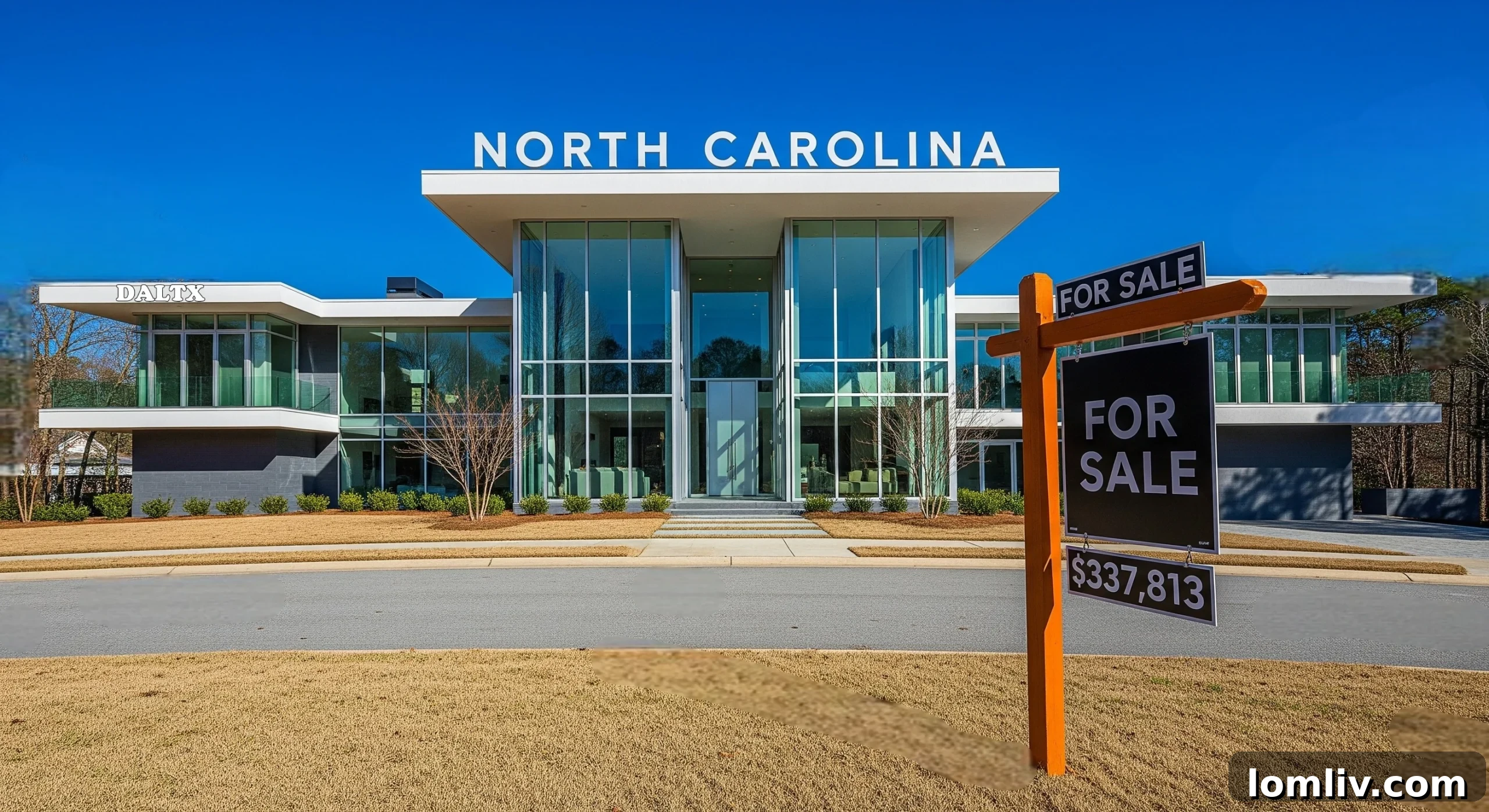
The dream of homeownership is a significant milestone, and for many in North Carolina, it’s more attainable than ever thanks to a variety of supportive programs. First-time homebuyers often face the daunting challenge of accumulating a substantial down payment and navigating complex mortgage options. Fortunately, North Carolina offers a comprehensive suite of resources designed to ease these burdens, making the path to owning a home clearer and more affordable. These initiatives include valuable down payment assistance programs, advantageous tax credits, and access to low-interest mortgage options, all tailored to help residents establish roots in the Tar Heel State.
While many conventional loans typically require a credit score of at least 620, North Carolina’s specific state-sponsored programs may have slightly higher minimums, often around 640. Understanding these varying requirements and exploring the full spectrum of available support is crucial for anyone embarking on their home-buying journey. This guide will delve into both conventional loan options and the key North Carolina-specific programs that can significantly benefit first-time buyers, providing a roadmap to successful homeownership.
Decoding Conventional Loans for North Carolina Buyers

A conventional loan stands as the most common type of mortgage available in the United States, originating from private lenders such as banks, credit unions, and independent mortgage companies. Unlike government-backed loans, conventional mortgages are not insured or guaranteed by any federal agency. This means they often come with different sets of requirements and benefits. Buyers can choose between fixed-rate mortgages, where the interest rate remains constant throughout the loan term, or adjustable-rate mortgages (ARMs), where the interest rate can fluctuate after an initial fixed period. The predictability of fixed rates is often appealing to first-time homebuyers seeking stable monthly payments.
For instance, if you possess a strong credit history and have saved a solid down payment, a conventional loan for a new house in a thriving North Carolina suburban area might be your ideal fit. These loans are known for their flexibility regarding property types, allowing you to finance primary residences, second homes, and even investment properties. While not directly government-issued, many conventional loans are backed by government-sponsored enterprises (GSEs) like Fannie Mae and Freddie Mac. These are often referred to as “conforming loans” because they adhere to the GSEs’ guidelines regarding loan limits and borrower qualifications. Conforming loans typically require higher credit scores and more substantial down payments compared to their government-insured counterparts, but they often offer competitive interest rates and can be processed more quickly.
One important aspect of conventional loans for first-time buyers is Private Mortgage Insurance (PMI). If your down payment is less than 20% of the home’s purchase price, your lender will typically require you to pay PMI. This insurance protects the lender in case you default on your loan. The good news is that PMI can often be canceled once you’ve built sufficient equity in your home, distinguishing it from the mandatory mortgage insurance premiums associated with FHA loans, which often last for the life of the loan. Understanding these nuances is key to selecting the right mortgage product for your specific financial situation.
Exploring Government-Backed Loan Alternatives:
Beyond conventional options, several government-backed loans offer distinct advantages, particularly for first-time buyers or those with specific eligibility criteria:
- FHA Loans: Insured by the Federal Housing Administration, these loans are popular for their lower down payment requirements (as little as 3.5%) and more flexible credit score guidelines. FHA loans are an excellent option for buyers who may not have perfect credit or a large sum saved for a down payment, though they do require ongoing mortgage insurance premiums (MIP).
- VA Loans: Exclusively available to eligible veterans, active-duty service members, and select surviving spouses, VA loans are celebrated for requiring no down payment and offering competitive interest rates without the burden of private mortgage insurance. These benefits represent a significant advantage for those who have served our country.
- USDA Loans: Backed by the U.S. Department of Agriculture, these loans are designed to promote homeownership in qualifying rural and suburban areas. They offer 100% financing, meaning no down payment is required, and feature low mortgage insurance fees, making them highly attractive for eligible buyers in designated regions of North Carolina.
North Carolina’s Dynamic Housing Market and Down Payment Strategies
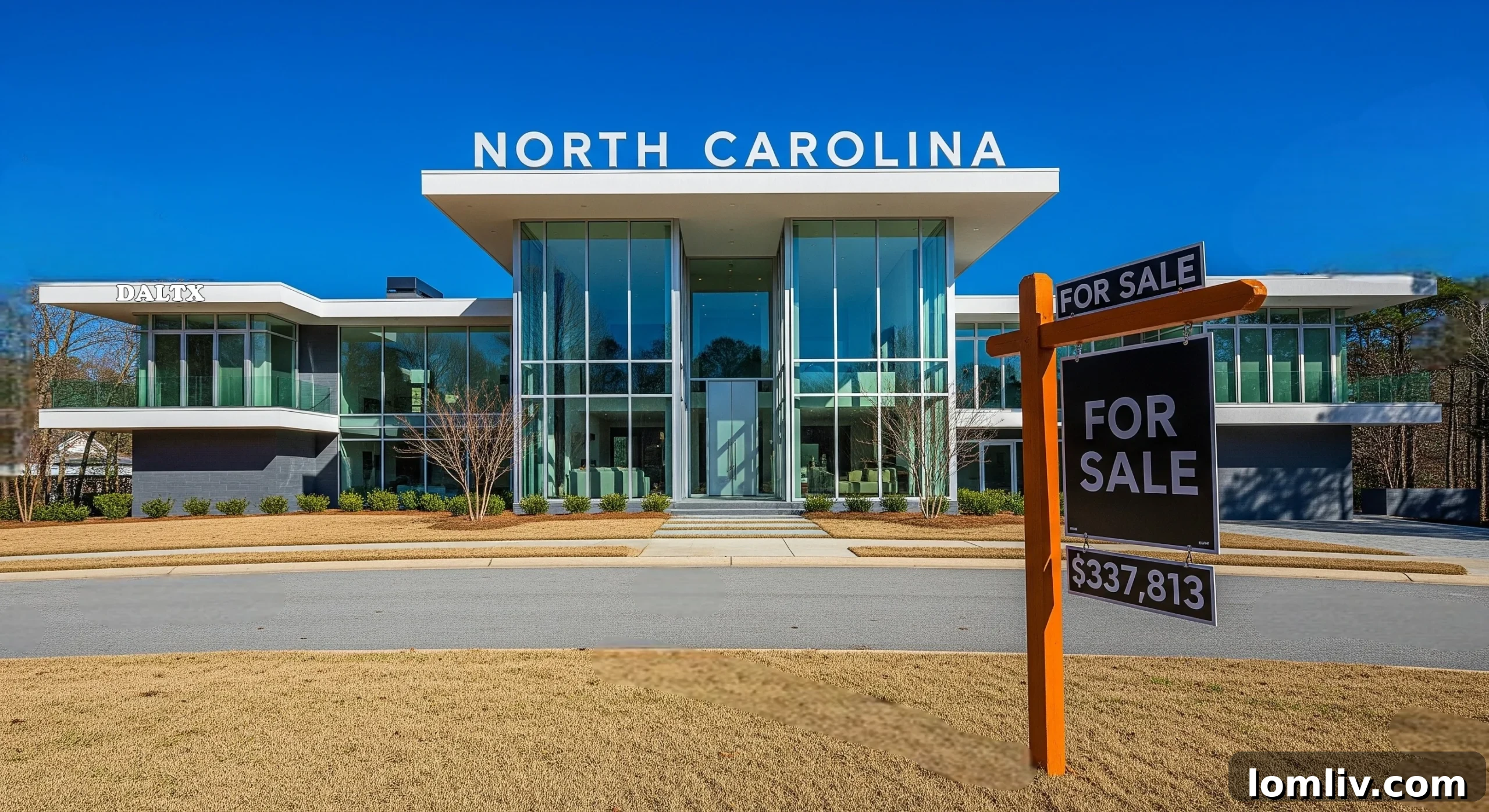
North Carolina’s housing market has experienced robust growth in recent years, driven by its attractive quality of life, burgeoning job market, and diverse geographical appeal. As of July 2025, the median home price in North Carolina stood at approximately $337,813, reflecting a significant increase of around 22% since 2021, according to data from Zillow. This upward trend, while indicative of a healthy market, can present challenges for first-time buyers striving to save for a substantial down payment.
To illustrate, a modest 5% down payment on a median-priced North Carolina home would amount to approximately $16,890. This figure highlights why programs designed to reduce upfront costs are not just helpful but often essential for making homeownership accessible. Many first-time homebuyers aim for a 3% to 5% down payment, but even this can be a significant hurdle. Understanding the current market landscape and leveraging down payment assistance (DPA) programs can make a substantial difference in turning the dream of homeownership into a reality. These programs bridge the gap, allowing buyers to enter the market sooner and benefit from potential equity growth.
Essential Home Repair and Rehabilitation Assistance in North Carolina
Beyond the initial purchase, North Carolina recognizes the importance of maintaining safe and healthy homes. The state offers vital home repair and rehabilitation programs specifically aimed at assisting low-income residents, ensuring that existing homes remain livable and sustainable. These initiatives are critical for preserving affordable housing stock and improving the quality of life for many families across the state. The primary programs include the Urgent Repair Program (URP) and the Essential Single-Family Rehabilitation (ESFR) program, both of which provide crucial financial aid through forgivable loans for necessary home repairs.
- Urgent Repair Program (URP): This program is designed to address emergency home repairs that pose a serious threat to the health or safety of occupants. URP offers substantial assistance, typically ranging from $10,000 to $12,000, for critical repairs such as fixing leaking roofs, addressing failing heating and cooling systems, repairing dangerous electrical wiring, or resolving severe plumbing issues. To qualify, applicants must have household incomes at or below 50% of the area median income (AMI) for their specific county. The loans provided through URP are forgivable, meaning that as long as the homeowner meets certain occupancy requirements over a specified period, they won’t have to repay the funds.
- Essential Single-Family Rehabilitation (ESFR): The ESFR program targets more extensive home rehabilitation projects, providing a more comprehensive solution for homes in need of significant improvements. It offers up to $40,000 in assistance, covering major structural repairs, energy efficiency upgrades, accessibility modifications, and other substantial renovations. This program is available to households earning up to 80% of the area median income. Like URP, the loans under ESFR are forgivable, typically over a period of 5 to 20 years, provided the home remains the applicant’s primary residence. These programs collectively contribute to the safety, value, and longevity of homes for North Carolina’s low-income families.
Dedicated Support for Teachers, Veterans, and First Responders
North Carolina deeply values the contributions of its public servants and those who have served in the military. While the state doesn’t operate a standalone, dedicated state-run homebuyer program exclusively for these professions, eligible homebuyers who are teachers, veterans, or first responders can significantly benefit from existing broad programs, especially the comprehensive NC Home Advantage Mortgage. Furthermore, various national initiatives and partnerships extend valuable savings to these essential members of our community.
For instance, national organizations like Homes for Heroes collaborate with a network of participating real estate professionals and lenders to offer significant savings. On average, eligible individuals using the Homes for Heroes program can save around $2,400 through rebates, discounts, and credits at closing. These savings can be a substantial boon, helping to offset closing costs or other expenses associated with buying a home. It is highly encouraged for teachers, veterans, law enforcement officers, firefighters, and healthcare professionals to inquire about these specific benefits when seeking a home loan or working with real estate agents in North Carolina, as these professionals often have access to unique resources tailored to their service.
The Comprehensive NC Home Advantage Mortgage Program
The NC Home Advantage Mortgage Program, administered by the esteemed North Carolina Housing Finance Agency (NCHFA), stands as a cornerstone for making homeownership affordable across the state. This program provides competitive fixed-rate mortgages to qualifying buyers, ensuring stable and predictable monthly payments—a significant advantage for those budgeting for their first home. Beyond attractive rates, the program often includes crucial down payment assistance (DPA).
Eligible borrowers may receive down payment assistance of up to 3% of the total loan amount. This assistance is typically structured as a second mortgage that is forgivable, meaning it does not need to be repaid if the buyer remains in the home for a specified period, usually 15 years. This feature dramatically reduces the upfront cash needed, making homeownership attainable for many who might otherwise struggle to save a large down payment. The NCHFA is committed to providing comprehensive support throughout the homebuying process.
First-time homebuyers leveraging the NC Home Advantage Mortgage may also be eligible to apply for a Mortgage Credit Certificate (MCC). An MCC is not a loan but a federal tax credit that can significantly reduce your federal income tax liability. It allows homeowners to claim a portion of their annual mortgage interest as a dollar-for-dollar tax credit, up to $2,000 per year. This provides ongoing savings throughout the life of the loan. MCC credits are based on a percentage of the mortgage interest paid: typically 30% for existing homes and an even more generous 50% for new construction, providing an added incentive for new builds.
Eligibility requirements for the NC Home Advantage Mortgage and associated benefits are straightforward but essential:
- Homebuyer Education Course: For those utilizing down payment assistance, completion of a HUD-approved homebuyer education course is mandatory. These courses provide invaluable information on budgeting, credit management, understanding the mortgage process, and maintaining a home, equipping buyers with the knowledge to make informed decisions.
- Credit Score Minimums: A minimum credit score of 640 is generally required. For specific property types, such as manufactured homes, the minimum credit score may be slightly higher, typically 660. Maintaining a good credit score demonstrates financial responsibility and is crucial for securing favorable loan terms.
- Income Limits: To ensure the program serves those most in need, income limits apply. These limits can vary up to $140,000 depending on the borrower’s location and household size. The NCHFA website provides up-to-date information on current income limits for different counties.
- First-Time Homebuyer Definition: While often considered for “first-time” buyers, the NCHFA defines a first-time buyer as someone who has not owned a home as their primary residence in the past three years. This broad definition allows more individuals to qualify.
Your Path to North Carolina Homeownership: Key Steps
Embarking on the journey to homeownership in North Carolina can be exciting and rewarding, especially with the robust support systems in place. To ensure a smooth process and maximize the benefits available, consider these crucial steps:
- Assess Your Financial Readiness: Begin by evaluating your budget, savings, and debt-to-income ratio. A clear understanding of your financial standing will help you determine what you can comfortably afford and what steps you need to take to improve your financial health.
- Check and Improve Your Credit Score: Your credit score is a critical factor in mortgage eligibility and interest rates. Obtain copies of your credit report, identify any errors, and work to improve your score if it falls below program requirements. Paying bills on time and reducing outstanding debt are excellent starting points.
- Complete Homebuyer Education: If you plan to utilize down payment assistance, complete a HUD-approved homebuyer education course. These courses offer invaluable insights into the entire home-buying process, from understanding mortgage terms to closing procedures and home maintenance.
- Get Pre-Approved for a Mortgage: A pre-approval letter from a lender demonstrates your seriousness as a buyer and clarifies your borrowing power. This step is essential before you begin actively searching for homes.
- Research and Compare Programs: Don’t limit yourself to just one option. Explore various programs from the NCHFA, federal options like FHA or VA loans, and any local county or city initiatives that might apply to your area. Compare interest rates, down payment requirements, and eligibility criteria.
- Work with Experienced Professionals: Partner with a knowledgeable real estate agent who specializes in first-time homebuyers and understands the nuances of the North Carolina market. Similarly, choose a lender who is familiar with NCHFA programs and can guide you through the application process.
- Navigate the Offer and Closing: Once you find your ideal home, your real estate agent will help you craft a competitive offer. The closing process involves legal and financial steps, and your lender will guide you through documents and final signatures.
Embracing Homeownership in North Carolina: A Final Takeaway
For first-time buyers dreaming of a home in North Carolina, the opportunities for support and financial assistance are abundant. Exploring the comprehensive programs offered by the North Carolina Housing Finance Agency (NCHFA) can significantly reduce the daunting upfront costs associated with purchasing a home. Whether it’s through generous down payment assistance, competitive fixed-rate mortgages that offer stability, or valuable tax credits like the Mortgage Credit Certificate, a robust suite of tools is specifically designed to make homeownership more accessible and sustainable for individuals and families across the state.
The journey to owning your first home in North Carolina is a rewarding one, made easier by thoughtful planning and leveraging the right resources. To successfully get started, take proactive steps: diligently check your credit score and assess your household income against the eligibility requirements of various programs. If mandated, complete a HUD-approved homebuyer education course to empower yourself with essential knowledge. Finally, compare all available options carefully to find the perfect fit for your unique financial goals and personal circumstances. With dedication and the right support, your dream of homeownership in North Carolina is well within reach.