Dallas’s Growth Dilemma: Balancing Prosperity with Community Life
Dallas, a vibrant economic hub, constantly champions its growth trajectory. Political leaders and economic development agencies tirelessly work to attract new businesses and residents, painting a picture of unparalleled opportunity in the Lone Star State. We often hear celebratory announcements, like the significant achievement of securing Toyota’s North American headquarters relocating to Plano, a move heralded as a major win for the Texas economy and a clear signal of the state’s business-friendly environment. Simultaneously, urban planners advocate for increased density, envisioning a more walkable, interconnected city through projects like highway redesigns that promise to open up valuable land for development and seamlessly unite previously divided neighborhoods. Developers, keen to meet the perceived demand, are rapidly constructing new apartments across the metropolitan area. Yet, amidst this fervent push for expansion, a powerful counter-narrative emerges from established neighborhoods, often encapsulated in a resounding, collective “NO!”
The Paradox of Prosperity: Do We Really Want More People?
This situation prompts a crucial, often unspoken question: do we, as a community, truly desire an unending influx of new residents to Texas? Or is the relentless economic push to bring more jobs and people to the state a more complex issue than it appears on the surface? The unspoken apprehension is that while growth promises economic prosperity, it also brings with it a myriad of challenges. An increase in population invariably leads to higher demand for housing, which in turn can drive up property values and housing costs, making the city less affordable for long-term residents. More people mean more cars, contributing to escalating traffic congestion, increased pollution, and a heavier burden on existing infrastructure. Our schools face overcrowding, and precious natural resources, particularly water, become more strained. This dichotomy creates a tension between the grand vision of a booming metropolis and the tangible quality of life for its current inhabitants.
Former Governor Rick Perry often championed this growth, stating, “The fact of the matter is, you look at the state of Texas and see what we’ve done there. People understand that the state of Texas, during the last decade, something special happened there. It was the number one state for relocation for five years in a row. And we plan on keeping it that way.” This sentiment perfectly captures the state’s ambition. However, for many long-time residents, Dallas possesses a unique charm, akin to a cherished, hidden gem – a quiet, restful, and special place. The fear is that relentless growth could dilute this special character, transforming a beloved secret into just another crowded urban landscape, losing the very qualities that made it desirable in the first place.
Highland House: A Microcosm of Dallas’s Development Debate in Preston Center
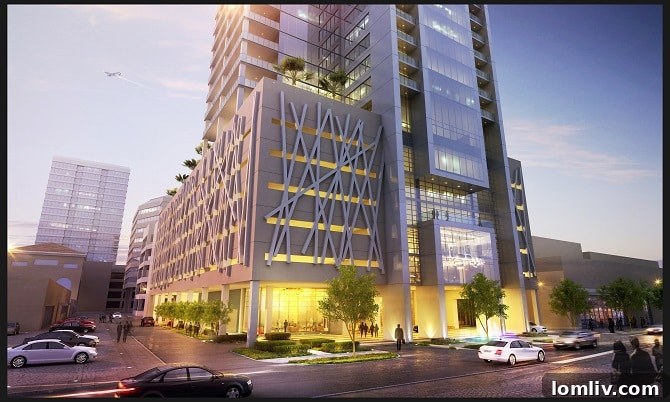
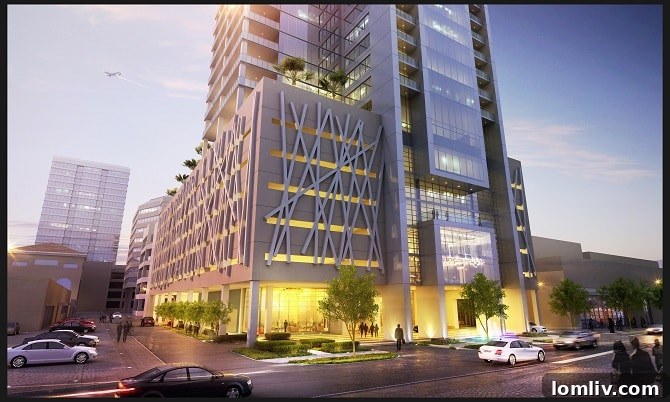
The ongoing dispute surrounding the proposed Highland House development in Preston Center serves as a poignant illustration of this larger urban planning dilemma. The Crosland Group, a developer with a commendable reputation for building high-quality, successful luxury residential projects, is spearheading the proposal. They envision a 29-story luxury apartment tower that promises to redefine upscale urban living. To garner support, they have launched a petition drive in favor of their ambitious residential tower. The developer’s argument centers on meeting a perceived demand for sophisticated, amenity-rich living options for a specific demographic.
The target demographic for Highland House, according to The Crosland Group, comprises affluent, semi-retired baby boomers who are looking to downsize from larger suburban homes. Many of these prospective tenants are envisioned as individuals who own ranches or second homes elsewhere and desire a convenient “lock and leave” lifestyle in Dallas. A key selling point for this demographic is “walkability” – the ability to access shopping, dining, and services within Preston Center on foot, reducing reliance on cars. The developers contend that this demographic, being primarily empty-nesters, would not significantly impact local school systems, thereby mitigating one of the primary concerns raised by the community.
Community Resistance: Concerns from Highland Park and University Park
However, the proposed development has met significant resistance from residents in nearby Highland Park and University Park. Their concerns are multifaceted and deeply rooted in the potential impacts on their existing quality of life. Among the most pressing issues is the potential for increased school overcrowding in the highly regarded Highland Park Independent School District (HPISD). While not definitively confirmed, reports circulate that University Park schools are already experiencing severe space constraints, with some kindergarten classes potentially being held in mobile or temporary classrooms. The addition of hundreds of new residents, even if initially targeted at empty-nesters, raises fears that families with children will eventually move into the development, placing an unbearable strain on already stretched educational resources.
Another major point of contention is traffic congestion. Preston Center is already recognized as one of Dallas’s most heavily congested areas. Parking during peak hours, particularly lunch, is notoriously difficult. Residents fear that the addition of hundreds of new vehicles associated with Highland House tenants, staff, and visitors will exacerbate an already critical situation. This concern is further amplified by other ongoing developments, such as a new 7-story, 200,000 square-foot office building under construction near Douglas on Weldon Howell Parkway, which is projected to introduce over a thousand additional employees and vehicles into the same confined area.
In response to these concerns, community members have launched their own petition, actively opposing the project. This petition highlights several critical points, seeking to persuade city officials to deny the rezoning request:
Committee Highland House: Articulating the Opposition
The Crosland Group’s proposal for a 29-story apartment building near the heart of the Preston Center shopping center (situated directly behind the popular Hopdoddy Burger restaurant) represents a drastic departure from current zoning. The site currently hosts a 3-story medical building, and existing zoning regulations permit a maximum of a 6 to 7-story structure. The proposed height of 29 stories would dramatically alter the skyline and density of Preston Center, setting a precedent for future development.
The addition of approximately 245 apartment units, translating to an estimated 500 tenants, along with their vehicles (an estimated 500 cars), apartment staff, delivery services, other service providers, and frequent visitors, would undeniably contribute significant additional traffic to an already severely congested area. While the apartment is marketed as a residence for “empty nesters,” there is a strong probability it would also attract families. Children residing in Highland House would be eligible to attend the highly desirable HPISD schools, directly contradicting the developer’s claim of minimal school impact.
Preston Center’s traffic situation is already critical, making it nearly impossible to find parking during peak lunch hours. This situation is poised to worsen with concurrent developments. The ongoing construction of a new 7-story high-rise office building near Douglas on Weldon Howell Parkway, not far from the proposed Highland House site, will introduce an estimated 1,136 additional employees and their vehicles into the Center, along with associated deliveries, service providers, salespeople, and visitors. This combined growth will push the area’s infrastructure to its breaking point.
Developers of the Highland House contend that an apartment building will generate less traffic than the current medical building on the site. The Crosland Group cites statistics suggesting a medical building of the size located at 8215 Westchester typically generates around 1666 daily visitors. However, an actual on-site count conducted on Thursday, April 17th, between 7:45 am and 4:30 pm, recorded only 172 visitors. This stark discrepancy strongly suggests that the traffic generated by a 29-story apartment building will far exceed the current medical building’s impact, thus significantly increasing traffic volume and congestion in the immediate vicinity and surrounding thoroughfares.
During peak traffic periods, many drivers already resort to seeking alternate routes to circumvent lengthy delays on main arteries. These alternate routes often direct traffic through nearby residential neighborhoods. The resulting increase in both volume and speed of traffic through these quiet streets poses a substantial danger to bikers, joggers, pedestrians, and, most critically, to children and the elderly who reside along these routes. The safety and tranquility of these residential areas are directly threatened by such developments.
Finally, a significant concern for homeowners living in close proximity to any high-rise development is the invasion of privacy. The considerable height of the proposed tower means that tenants would have direct sightlines into the private backyards and homes of nearby residents, eroding their sense of security and exclusivity.
Conclusion and Call to Action
To prevent further exacerbation of congestion on adjacent thoroughfares and neighborhood streets, to safeguard the privacy and protect the property values of nearby residential properties, and to mitigate the increased danger to pedestrians and children, we urgently request that The Crosland Group’s application to re-zone 8215 Westchester Drive be denied. Any new construction on this site should strictly adhere to the current building codes and zoning regulations.
We urge all concerned citizens to express their concerns directly to the relevant authorities:
- Dallas Councilwoman Jennifer Gates – 214.670.3816 ([email protected])
- CPC Dist. 13 Margot Murphy – 214.670.3086 ([email protected])
Clarifying the Height Debate and Public Sentiment
It is important to correct one specific point raised by the Committee Highland House petition: the assertion that “The proposed building would be higher than any building in Preston Center.” This statement is not entirely accurate. While the Highland House would certainly be a towering presence, Preston Tower, located across Preston Road and north of Northwest Highway, also stands at 29 stories tall. This clarification does not diminish the community’s concerns about density and scale but provides factual accuracy to the ongoing debate.
The disparity in public sentiment, as measured by the respective petitions, is quite striking. At last count, The Crosland Group’s petition in favor of Highland House had garnered approximately 72 signatures. In stark contrast, the Committee Highland House’s petition opposing the development had collected an impressive 615 signatures. This significant difference clearly indicates a strong and organized community opposition to the proposed high-rise, reflecting the depth of concern over the project’s potential impact on Preston Center and the surrounding residential areas.
The Broader Implications for Dallas Urban Planning
The Highland House controversy is more than just a local zoning dispute; it encapsulates the larger, ongoing conversation about urban planning in Dallas. The city is at a crossroads, navigating the pressures of unprecedented growth while striving to preserve the unique character and quality of life within its diverse neighborhoods. The push for density and “walkability” aligns with modern urban development trends, aiming to create vibrant, sustainable urban cores. However, these ambitious goals often clash with the realities of existing infrastructure, community expectations, and the desire to maintain residential tranquility and accessibility. Finding a sustainable balance between attracting investment and protecting the interests of long-term residents remains one of Dallas’s most significant challenges.
Ultimately, the decisions made regarding developments like Highland House will set precedents for future urban growth in Dallas. They will determine how the city evolves, whether it can successfully integrate new populations and structures without sacrificing the essential elements that make it an attractive place to live, work, and raise a family. The dialogue between developers, city planners, and concerned citizens is crucial for shaping a future Dallas that is both prosperous and livable for all.