The landscape of urban living, particularly in high-rise condominiums, has always presented a unique set of challenges for property owners embarking on significant renovations. However, the onset of the COVID-19 pandemic introduced an unprecedented layer of complexity, transforming routine projects into legal and logistical minefields. What began as a personal journey to complete a high-rise flip-and-live project quickly became a microcosm of the broader struggles faced by the construction industry and homeowners nationwide. This article delves into the personal experience of a renovator in Dallas, Texas, whose project was initially halted by evolving pandemic regulations and restrictive Homeowners Association (HOA) decisions, detailing the strategic steps taken to resume work and the broader implications for essential construction services.
Just a short while ago, the real estate community, myself included, was grappling with the concept of the “Penthouse Pause,” a direct consequence of COVID-19’s initial surge which brought many high-rise renovation projects to a standstill. My own flip-and-live venture, nestled high above the Dallas skyline, was among those impacted, its carefully planned construction timeline abruptly interrupted. While the initial column highlighted the initial shock and uncertainty, the ensuing days brought about rapid changes, demonstrating the fluid nature of regulatory responses and the need for proactive engagement.
The pandemic, a global disruptor, necessitated daily adjustments to societal norms and operational guidelines. Questions of what constituted “open” versus “closed,” and the necessity of masks, became central to public discourse and commercial activity. Amidst this uncertainty, seeking clarity became paramount. I engaged with a seasoned attorney from Houston, specializing in the intricate legalities surrounding multi-family dwellings, including apartments and condominiums. My aim was to gain an unbiased, legal perspective on the legitimacy of construction halts, particularly those imposed by HOAs on ongoing, permitted high-rise projects. This expert consultation would prove invaluable in navigating the murky waters of local statutes versus state directives.
Decoding the Chaos: “If You Expect Them to Be Rational, Don’t.”
Our comprehensive discussion illuminated the inherent conflicts and ambiguities within the myriad of emerging statutes and recommendations. The attorney’s pragmatic counsel resonated deeply: “If you expect them to be rational, don’t.” This statement, delivered with a hint of professional weariness, perfectly captured the prevailing environment where conflicting guidelines from local, state, and private entities often created more confusion than clarity. However, amidst the chaos, a clear path emerged. He informed me of the possibility of applying for an exemption from the State of Texas, specifically through the Texas Division of Emergency Management (TDEM). The availability of a dedicated web form for submission (accessible here) presented a glimmer of hope. With nothing to lose and a significant investment hanging in the balance, I meticulously completed the form, submitted it, and began the anxious wait. Given the overwhelming demands on such state departments during an unprecedented crisis, the turnaround time for a response, or even the certainty of receiving one, was entirely unknown.
HOAs: The Initial Response to Uncertainty and the Pushback from Renovators
In parallel with my direct efforts, the unfolding week revealed a broader pattern: numerous other renovators across Dallas were experiencing similar, unwarranted halts to their approved and permitted projects. The narrative of HOAs acting preemptively, often without fully understanding the legal ramifications, became increasingly apparent. Specifically, renovators at prestigious addresses like 3525 and 3883 Turtle Creek took a stand, challenging their respective HOA boards in early April. The outcomes of these challenges were significant. Both HOAs received consistent advice from their insurance carriers, legal counsel, and even the city’s code compliance office: in-process construction work was unequivocally protected as an “essential service.” Furthermore, they were cautioned that the building itself could face substantial liability for damages resulting from interference with or prolonged stoppage of such projects. This emerging legal consensus provided crucial leverage for property owners.
Against this backdrop, the state’s response to my exemption application arrived with remarkable speed—barely a week after submission. This swift reply, a welcome departure from typical bureaucratic timelines, mirrored the legal opinions emerging from other high-rise disputes. The core message was clear and direct: my renovation activities were indeed considered an essential service and, therefore, should proceed without obstruction. While I had intuitively suspected this all along, the formal state directive provided indisputable clarity, cutting through the layers of asterisks and ambiguities that often accompany government mandates during crises. The previous weeks of enforced work stoppage, it became clear, were a direct consequence of HOAs adopting a “shoot first, ask questions later” approach, prioritizing caution over careful legal assessment.
Doing What Is Necessary For Safety: A Collaborative Path Forward for High-Rise Renovation
The elation from receiving the state’s exemption was quickly channeled into constructive action. I promptly forwarded the official email to my HOA board, accompanied by a concise note affirming the state’s classification of my project as an essential service and asserting its rightful continuation. Crucially, I extended an invitation for a meeting to proactively discuss and agree upon any necessary safety precautions. My commitment was clear: to resume the renovation the following week, but always with an unwavering focus on the health and safety of everyone involved and residing in the building.
The meeting with the HOA leader, held the following Thursday, proved to be both cordial and productive, despite the somewhat unusual setup—conversing from opposite ends of a spacious 12-foot table, a testament to the new norms of social distancing. We delved into various aspects of the renovation, addressing the HOA’s concerns and meticulously reviewing a comprehensive list of safety protocols that my construction crew would diligently implement. The discussion encompassed not just the immediate project, but also broader perspectives on navigating the pandemic’s impact on community living. It was, surprisingly, a pleasant and insightful exchange.
Ultimately, I was more than willing to embrace every measure required to instill a sense of safety and protection among residents and workers alike. The paramount goal was to prevent any potential spread of disease within the building or among the dedicated construction personnel. This belief underscores a fundamental divergence from some prevailing viewpoints: that productive work and stringent safety measures are not mutually exclusive but can, in fact, harmoniously coexist. By demonstrating this commitment, we laid the groundwork for a successful and secure resumption of work. The immediate positive impact of this resolution quickly rippled through the community; a quick text to another desperate renovator in the building, simply stating “You’re welcome,” was met with a resounding “Thank you!” once the HOA communicated the news of renewed construction approvals.
Empowering Other High-Rise Renovators: Advocating for Essential Services
Despite the success of my personal advocacy, the challenge for high-rise renovators across Dallas, particularly along the Turtle Creek corridor, persists. Many buildings continue to impose arbitrary closures, seemingly awaiting formal challenge or explicit legal directives before reversing their restrictive policies. This pattern highlights a critical need for consistent communication and adherence to state-level guidelines. While some HOAs have indeed reversed their initial decisions, others remain entrenched, causing significant delays and financial burdens for homeowners and contractors. This situation underscores the fact that the classification of construction as an essential service during a pandemic is not merely a convenience, but a vital economic and societal necessity.
For renovators in other high-rise buildings still facing closures, the path forward is clear and actionable. This article serves as a valuable resource and a precedent; sharing it with their respective HOA boards can provide crucial context and legal backing. Beyond this, property owners are strongly encouraged to file their own exemption applications with the Texas Division of Emergency Management via the link provided earlier. Additionally, engaging with Dallas’s code compliance office can offer further clarity and potentially mediate disputes with reluctant HOAs. These steps collectively empower individual homeowners to assert their rights and facilitate the resumption of essential work.
However, it is pertinent to emphasize that renovators ideally shouldn’t have to navigate such a convoluted process. The expectation is that high-rise HOAs and building managers, as part of their professional network, maintain regular communication and are well-informed about state directives and legal precedents. The notion that such entities are genuinely surprised by the essential service classification of ongoing construction, especially after numerous cases and legal opinions have emerged, is often disingenuous. This lack of proactive information sharing and a tendency towards over-restriction only exacerbates the challenges for residents and the broader construction industry, impeding economic recovery and causing unnecessary stress.
Cultivating Kindness, Care, and Compliance in a New Era of Renovation
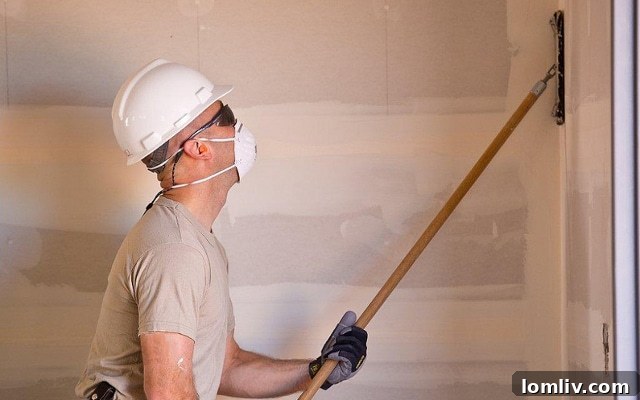
As buildings reopen their doors to renovation projects, a collective responsibility falls upon every individual involved. Kindness, empathy, and an unwavering commitment to safety must guide our actions. The profound fear and uncertainty engendered by the pandemic mean that every resident and worker deserves to feel safe and respected within their environment. Therefore, it is imperative for renovators, their crews, and indeed all residents to go above and beyond in adhering to established rules and implementing stringent precautions to limit potential exposure for neighbors and fellow workers. This includes, but is not limited to, consistent use of personal protective equipment (PPE), strict adherence to social distancing guidelines, enhanced sanitation protocols, and transparent communication regarding health and safety measures.
It is crucial to remember that construction workers, unlike many white-collar professionals, often do not have the luxury of remote work or extended unemployment. Their livelihoods, and often the well-being of their families, depend on their ability to work safely and consistently. Facilitating their safe return to work is not merely a matter of economic necessity for the individual, but a beneficial contribution to the wider community and economy. However, this return is often under intense scrutiny. Many HOAs, particularly those who initially resisted the resumption of work, will be closely monitoring projects, seeking any justification—no matter how minor—to halt operations once more. There are even reports of some boards resorting to filming workers’ comings and goings, meticulously searching for the tiniest infractions. This heightened surveillance underscores the absolute necessity for renovators and their teams to maintain impeccable standards of compliance and professionalism, ensuring not just the safety of the project, but also the continued trust and cooperation within the high-rise community.