Reshaping Dallas: The Big Box Blunder and the Allure of Exclusive Social Clubs
Dallas is a city on the rise, experiencing unprecedented growth and a dynamic transformation of its urban core. Yet, amidst this exciting evolution, crucial decisions about urban planning and development continue to shape its future. Recently, a particular real estate proposition has sparked considerable debate, drawing both criticism and bewilderment from urban planning enthusiasts and residents alike. This contentious project involves Trammell Crow’s decision to erect a massive big-box Sam’s Wholesale Club within a new development, strategically positioned on the east side of Central Expressway, directly across from the thriving Uptown district. Mark Lamster, a respected voice in urban commentary, encapsulated the sentiment of many with his poignant observation: “How To Kill a City: Death by Clubbing.”
The Dallas Development Debate: A Misguided Urban Planning Choice
While I wholeheartedly concur with Lamster’s premise regarding the inherent incongruence of this development, my interpretation of “clubbing” takes a different, albeit equally critical, turn. The placement of a Sam’s Wholesale Club in such a pivotal location is, without doubt, a significant misstep in intelligent urban design for Dallas. It represents a missed opportunity and, frankly, a potential detriment to the city’s progressive vision.
“A massive big box retailer is precisely what this area between high-density, and pedestrian friendly Uptown and historic East Dallas does not need. Given the explosive population growth and desirability of these neighborhoods, and the proximity to DART, mixed-use development would be logical.”
Lamster’s words resonate deeply because they articulate a fundamental truth about modern urban planning. The area in question is a critical nexus, linking the vibrant, high-density, and increasingly pedestrian-friendly Uptown with the historic charm of East Dallas. These neighborhoods are experiencing explosive population growth, attracting new residents and businesses, all while benefiting from excellent connectivity via DART (Dallas Area Rapid Transit). In such a context, the logical and most beneficial path for development would be a sophisticated mixed-use project. Imagine a blend of residential units, diverse retail, engaging cultural spaces, and local businesses – all designed to foster walkability, community interaction, and a unique sense of place. Instead, the proposal of a sprawling big-box retailer directly contradicts these principles, threatening to introduce traffic congestion, vast parking lots, and a generic commercial aesthetic that undermines the character and potential of its surroundings.
This development is not merely a matter of personal preference; it’s a strategic decision with long-term implications for Dallas’s urban fabric. It stands as a stark contrast to the thoughtful, community-centric growth that has defined other successful urban revitalization efforts nationwide. Cities striving for livability and sustainability prioritize developments that integrate seamlessly with existing communities, enhance pedestrian experiences, and contribute to the local economy in a nuanced, layered fashion. A big-box store, by its very nature, often creates isolated shopping islands, requiring car dependency and failing to contribute meaningfully to the dynamic street life that defines vibrant urban centers.

The Allure of Exclusive Social Clubs: A Different Kind of “Clubbing” for Dallas
However, where I diverge from Lamster is not on the merits of this specific real estate project, but on a playful misinterpretation of “clubs.” While the big-box Sam’s Club is an urban planning misstep, I harbor an immense fondness for another kind of “club”—the private social club. And I find myself constantly wondering why a dynamic, growing city like Dallas doesn’t boast a more robust and diverse array of these sophisticated social institutions, particularly within its downtown core and surrounding affluent neighborhoods.
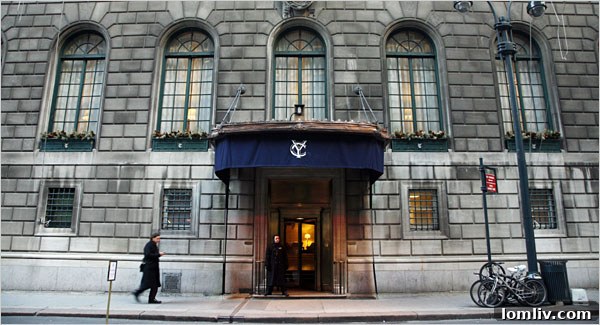
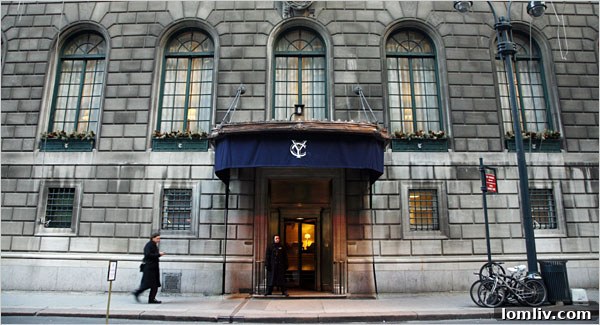
I’m referring to esteemed university-affiliated clubs, much like the iconic Yale Club in midtown Manhattan (which also proudly hosts the Dartmouth Club, its better half, one might argue), the distinguished University Club, or the prestigious Columbia Club. These are not merely buildings; they are bastions of community, networking, and refined social engagement. Why, for instance, doesn’t Southern Methodist University (SMU) have a dedicated club here in Dallas? What about the alumni networks of the University of Texas (U.T.), Texas A&M, or Rice University? These institutions boast significant alumni populations in Dallas who would undoubtedly benefit from a central hub for connection and collaboration.
Why Dallas Needs More Private Member Clubs
Exclusive clubs are not just flourishing; they are thriving in major metropolitan areas worldwide. Manhattan’s social scene is punctuated by their presence, and they are experiencing a significant resurgence in places like San Francisco, where my personal favorite is The Olympic Club. These institutions offer far more than just luxurious amenities; they provide a curated environment for like-minded individuals to connect, forge new relationships, and expand their social and professional networks in a meaningful way—even in an age dominated by digital interactions.
“San Francisco’s growing prosperity and rise of a newly minted nouveau riche has set the table for a fresh batch of private clubs — ones that offer luxurious amenities, posh event spaces and just enough exclusivity to make members feel special without discriminating based on gender, race or income level.”
The sentiment perfectly captures the evolving appeal of modern private clubs. They cater to a desire for bespoke experiences, premium services, elegant event spaces, and a sense of belonging within a carefully curated community. In San Francisco, the demand is so high that venerable institutions like the Bohemian Club and Pacific Union Club boast decades-long waiting lists. This illustrates a profound human need for physical spaces that foster deeper connections, intellectual exchange, and a sense of shared identity.
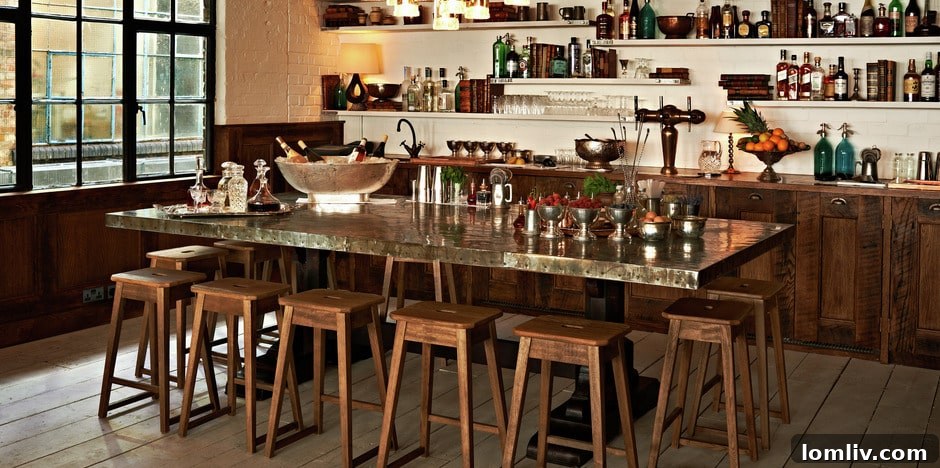
Dallas, with its burgeoning economy, influx of corporate headquarters, and a growing population of sophisticated professionals and discerning individuals, is perfectly positioned to embrace this trend. The city is ripe for more establishments that offer a blend of luxury, exclusivity, and community. Imagine the impact of a globally recognized brand like Soho House establishing a presence in Dallas. With successful outposts in New York, Chicago, Toronto, West Hollywood, and Miami, Soho House has redefined the concept of a members’ club for the creative industries and beyond. Its unique blend of stylish design, vibrant social programming, and exclusive amenities—from screening rooms to rooftop pools—would undoubtedly resonate with Dallas’s cosmopolitan demographic, offering a much-needed hub for cultural exchange and creative networking.
Beyond the brand names, the very essence of these clubs—providing a ‘third place’ that is neither home nor work—is invaluable. They serve as havens for relaxation, spaces for focused work, and venues for celebratory occasions. They offer curated events, from wine tastings and art exhibitions to panel discussions and live music, enriching the social fabric of the city. For a city like Dallas that is increasingly attracting top talent and high net-worth individuals, providing such sophisticated social infrastructure is not just a luxury; it’s a competitive advantage that enhances its appeal as a place to live, work, and thrive.
A Vision for Dallas: Thoughtful Development and Sophisticated Social Spaces
So, while Mark Lamster is undoubtedly correct in his assessment of how detrimental the proposed Sam’s Club project would be to Dallas’s urban landscape, my enthusiasm for “clubs” remains undimmed. I yearn for a Dallas where thoughtful urban planning prioritizes mixed-use, pedestrian-friendly developments that enhance community life and respect the city’s unique character. And simultaneously, I envision a Dallas teeming with a vibrant selection of exclusive social clubs, offering spaces for connection, culture, and camaraderie.
Indeed, there are promising signs of this vision taking shape. Luke Crosland, for instance, has a club planned for Highland House in Preston Center, signaling a recognition of this growing demand. We need more such forward-thinking initiatives, especially in the downtown area, to elevate Dallas’s social infrastructure to match its economic prowess. When that vision materializes, we can truly go “clubbing” in Dallas—indulging in the rich social tapestry these institutions provide, and perhaps, for a moment, forget about the urban planning blunders that threaten to dim the city’s bright future.
Ultimately, the story of Dallas’s development is one of choices. The choice between short-sighted, car-centric retail and integrated, pedestrian-oriented communities. The choice between generic big-box convenience and curated, sophisticated social experiences. My hope is for a Dallas that consistently chooses the latter, building a city that is not only economically robust but also socially rich, culturally vibrant, and genuinely livable for all its residents.