A Heartbreaking Loss: Historic Clifford Hutsell Home on Lakewood Blvd Faces Demolition
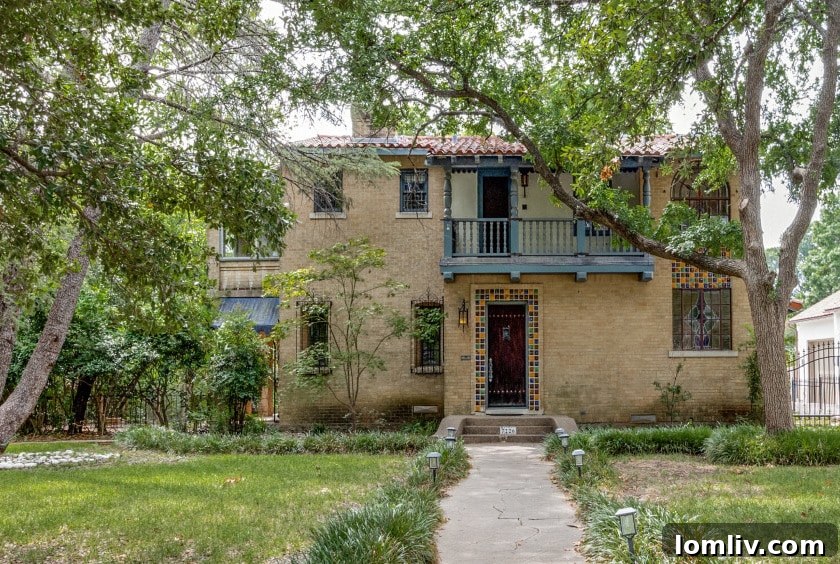
The esteemed neighborhood of Lakewood in Dallas, Texas, is grappling with news that has sent ripples of concern and sorrow through its preservationist community. A permit has reportedly been secured to demolish the iconic Clifford Hutsell-designed residence located at 7226 Lakewood Boulevard. This development signals a significant blow to local efforts aimed at safeguarding the area’s rich architectural heritage, particularly the unique Spanish Eclectic style championed by Hutsell.
The property, a cherished landmark for decades, recently changed hands. Public records indicate that Bain & Company manager Pedro Correa and his wife, Impeccable Pig owner Jennifer Correa, are listed as the current owners. The home had been on the market this summer for $2.5 million, listed by David Bush, attracting considerable attention. Kyle Brinkley of Brinkley Property Group represented the buyers in this high-profile transaction. The half-acre lot, situated on one of Lakewood’s most coveted streets, makes the property highly desirable for its location alone, a factor that often weighs heavily in development decisions.
For individuals like Summer Loveland, a dedicated neighborhood activist, this news is nothing short of heartbreaking. Loveland has been a leading voice in the campaign for the expansion of the Lakewood Conservation District. This proposed expansion, had it been finalized and approved in time, would have provided crucial protection for historically significant structures like the Hutsell home at 7226 Lakewood Blvd. This particular residence is noted for retaining many of its original Hutsell architectural elements, features that have become increasingly rare and valuable over the years. According to updates shared on the conservation district expansion campaign’s social media pages, the city attorney’s office is still diligently working on the draft ordinance for the district’s expansion, highlighting the ongoing, often slow, process of urban planning and preservation.
Clifford Hutsell’s Enduring Legacy in Dallas Architecture
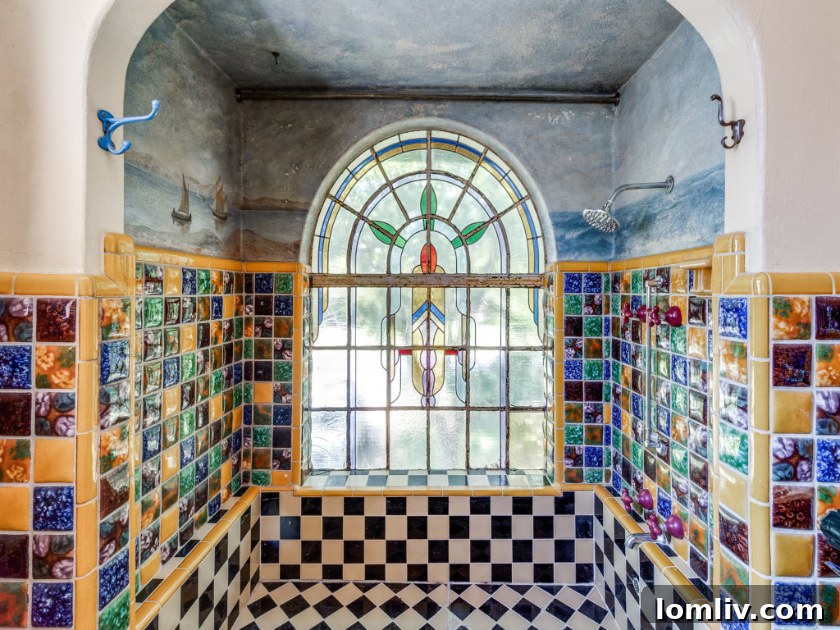
Clifford Hutsell’s contributions to Dallas’s architectural landscape, particularly in the Lakewood neighborhood, are immense and distinctive. Active during the 1920s and 1930s, Hutsell became renowned for his unique blend of Spanish Eclectic and Hollywood-inspired styles. His homes are characterized by their theatrical flair, intricate detailing, and a sense of romantic grandeur, often featuring elaborate ironwork, decorative tiles, hand-painted murals, and unique architectural forms that evoke the glamour of early Hollywood and the warmth of Mediterranean design. These residences are not merely houses; they are artistic statements, integral to the character and charm of the neighborhoods they inhabit.
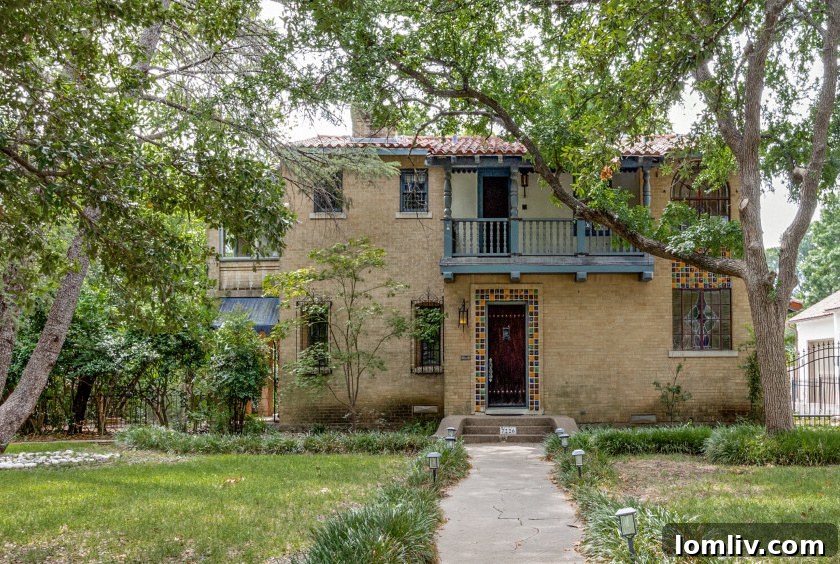
The home at 7226 Lakewood Blvd is celebrated by preservationists as a superb example of Hutsell’s signature Hollywood-inspired Spanish Eclectic style. What made this particular property stand out was its remarkable state of preservation, meticulously maintained and kept intact for nearly half a century by its previous owners. This dedication meant that much of the original artistry and craftsmanship remained untouched, offering a rare glimpse into Hutsell’s vision.
Historic home remodeler Carol Gantt, a seasoned expert with over three decades of experience, lauded the home’s condition. “This is the best-preserved Hutsell I’ve seen in 35 years,” Gantt told daltxrealestate.com. Her professional assessment underscores the irreplaceable value of the property. She further elaborated on the immense cost and artistic merit of its features: “To reproduce that amount of ironwork alone at that level of artistic merit would cost over $100,000 today. This is also the best-preserved elaborate painting I’ve seen. There’s likely a large mural of trees painted up the staircase wall that needs to be carefully restored.” Such intricate details are not just expensive to replicate; they embody a level of artisan skill and historical context that modern construction often cannot mimic.
The Battle for Preservation: The Lakewood Conservation District
The impending demolition of 7226 Lakewood Blvd highlights the urgent need for robust preservation measures within Dallas’s historic neighborhoods. Conservation Districts, such as the one Summer Loveland advocates for, are critical tools designed to protect the distinctive character of established areas. These districts establish specific zoning overlays that impose regulations on exterior architectural elements, setbacks, and sometimes even materials, ensuring that new construction or major renovations complement the existing historical fabric rather than detract from it. The goal is not to prevent all change, but to manage it in a way that respects and enhances the area’s unique identity.
As Loveland articulated, “One of the goals of the Conservation District expansion is to encourage renovation of historically significant homes, including the addition of square footage.” She firmly believes that preservation does not equate to stagnation but can lead to beautiful, functional outcomes. “Other homes in the area have proved that this can yield beautiful results, fit for a growing, modern family. One example of a historic Hutsell that has been lovingly updated will be on the Lakewood Home Tour this year at 7102 Lakewood Blvd.” This sentiment underscores a common misconception that historic homes cannot meet contemporary needs. In reality, thoughtful renovations can seamlessly integrate modern amenities and expanded living spaces while meticulously preserving the architectural integrity and aesthetic charm that define a Hutsell home.
The delay in finalizing the Lakewood Conservation District expansion ordinance meant that 7226 Lakewood Blvd remained vulnerable. This situation is a stark reminder of the race against time that preservationists often face, particularly when a property falls into the hands of new owners with different visions for its future. Without the protective umbrella of a conservation district, homeowners retain significant autonomy over their properties, including the right to demolish, even if the structure holds immense historical and cultural value for the wider community.
An Irreversible Loss and the Future of Lakewood’s Heritage
The tangible signs of the home’s impending fate have already begun to manifest. Neighbors, keeping a watchful eye on the property since its sale, have reported the removal of several windows and some trim work, preparatory steps typically undertaken before a full demolition. According to Loveland, the construction company involved has indicated that the demolition is scheduled for next week and is expected to take a couple of days to complete. This swift timeline leaves little room for further intervention or negotiation.
The loss of 7226 Lakewood Blvd is more than just the removal of a building; it represents an irreversible erasure of a piece of Dallas’s architectural and cultural history. Clifford Hutsell’s homes are finite resources, and each demolition diminishes the collective heritage of the city. The exquisite craftsmanship, the unique design philosophy, and the stories embedded within these walls will be lost forever, replaced by what will inevitably be a new construction, potentially devoid of the character that defined its predecessor.
Loveland poignantly summarized the broader implications: “This home is a perfect reflection of the historical significance of Lakewood as a community. As long as this area of Lakewood is not part of the Conservation District, neighbors can only hold out hope that the home that replaces it will blend in with the aesthetics, charm, and feel of our neighborhood.” This statement encapsulates the dilemma faced by many historic communities: the tension between individual property rights and the collective desire to preserve neighborhood identity. When preservation tools are not yet in place, the community is left to the goodwill and aesthetic sensibilities of developers and new owners, a gamble that often doesn’t pay off for historical continuity.
In an attempt to understand the owners’ perspective or plans, we reached out to Pedro Correa for comment but had not received a reply at the time of publication.
[Update: The community’s response to this news has been swift and organized. Jim Foster of Pioneers of Dallas County has launched a petition to save the home at 7226 Lakewood Blvd. This grassroots effort highlights the strong public sentiment and the fervent desire within the community to protect these architectural treasures. You can find the petition here.]
The Ongoing Debate: Development vs. Preservation
The situation at 7226 Lakewood Blvd serves as a microcosm of a larger, ongoing debate in rapidly developing urban centers like Dallas: how to balance the demands of modern development with the imperative to preserve historical and architectural heritage. The allure of prime real estate often leads to the demolition of older structures to make way for larger, more contemporary homes that command higher prices. While this represents progress and economic growth for some, it comes at a significant cost to the unique character and historical narrative of a neighborhood.
For Lakewood, a community celebrated for its distinctive homes and tree-lined streets, the loss of another Hutsell original chips away at the very essence of what makes it special. It underscores the critical importance of proactive measures, strong community advocacy, and timely implementation of protective policies like conservation districts. The challenge lies in fostering a dialogue that appreciates both the economic drivers of real estate and the invaluable cultural and aesthetic contributions of historic architecture. As the demolition proceeds, the community will undoubtedly watch with mixed feelings – regret for what is lost, and a renewed determination to protect what remains of Lakewood’s irreplaceable heritage.