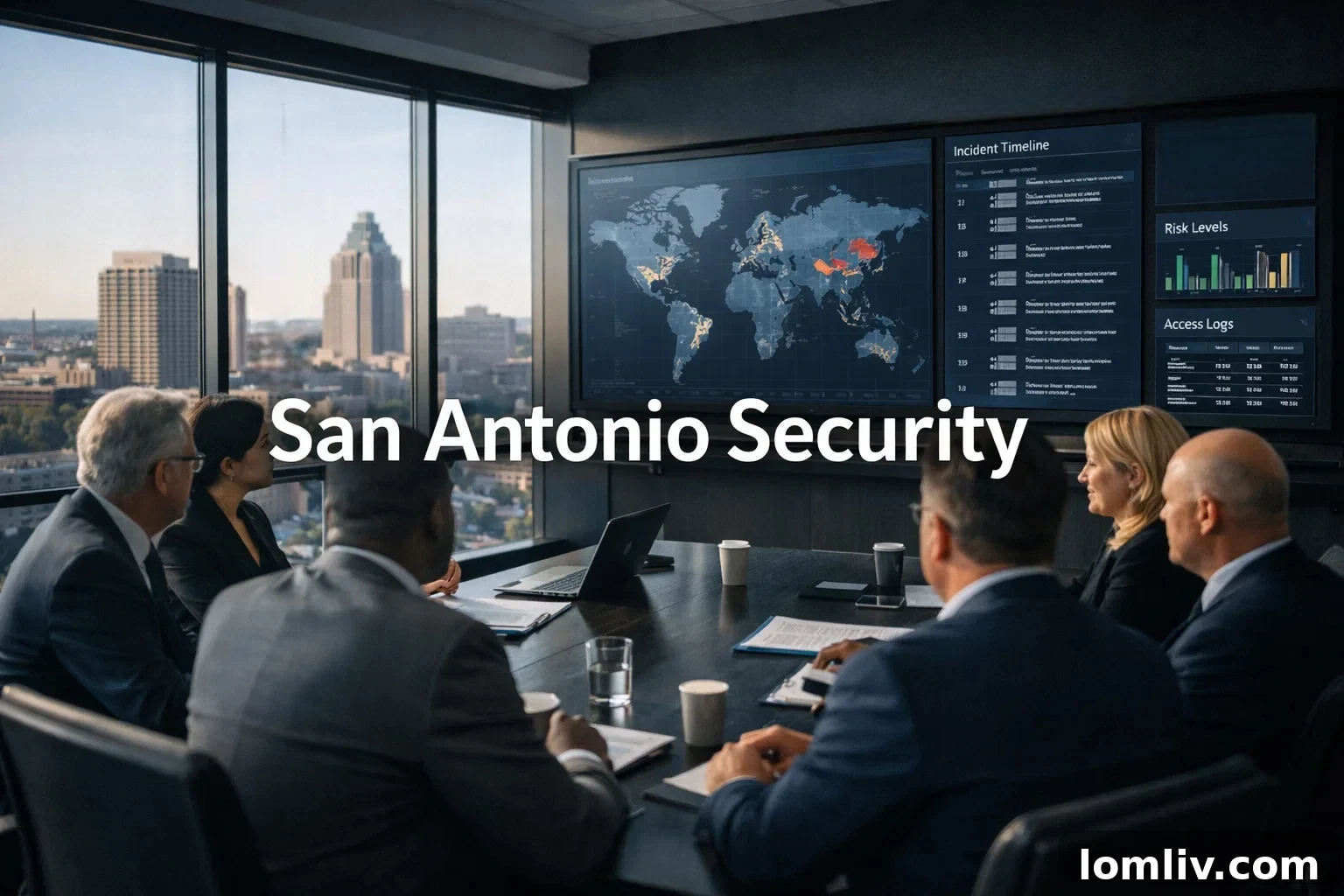
In today’s hyper-connected and rapidly evolving business landscape, the stakes for corporate security decisions have never been higher. Reputations are constantly on the line, and a single misstep can have profound and lasting consequences. Modern business leaders are no longer confronted with isolated security incidents; instead, they face a complex web of interconnected human, digital, and operational threats that can emerge and shift without warning. Navigating this intricate environment demands more than just quick reactions – it requires unparalleled clarity, strategic foresight, and unwavering accountability.
This is where the power of integrated intelligence comes into play. It acts as a transformative force, converting disparate, raw information into actionable context that empowers leaders to make confident decisions. When robust data and comprehensive intelligence guide strategic security planning, organizations can move beyond a constant state of scrambling to operate with a well-defined and proactive framework. Decisions become deliberate and forward-thinking, rather than reactive and improvisational, significantly enhancing enterprise security posture.
This sophisticated, intelligence-led approach fundamentally strengthens a leader’s ability to protect their most valuable assets: their people, their operations, and the invaluable trust placed in their organization. Crucially, integrated intelligence doesn’t replace sound leadership judgment; it profoundly strengthens it. By ensuring that all corporate security decisions are meticulously informed, proportionately executed, and firmly grounded in reality, rather than speculative assumptions, businesses can build a foundation of enduring resilience and stability.
Turning Data Into Decisive Action for Enhanced Corporate Security
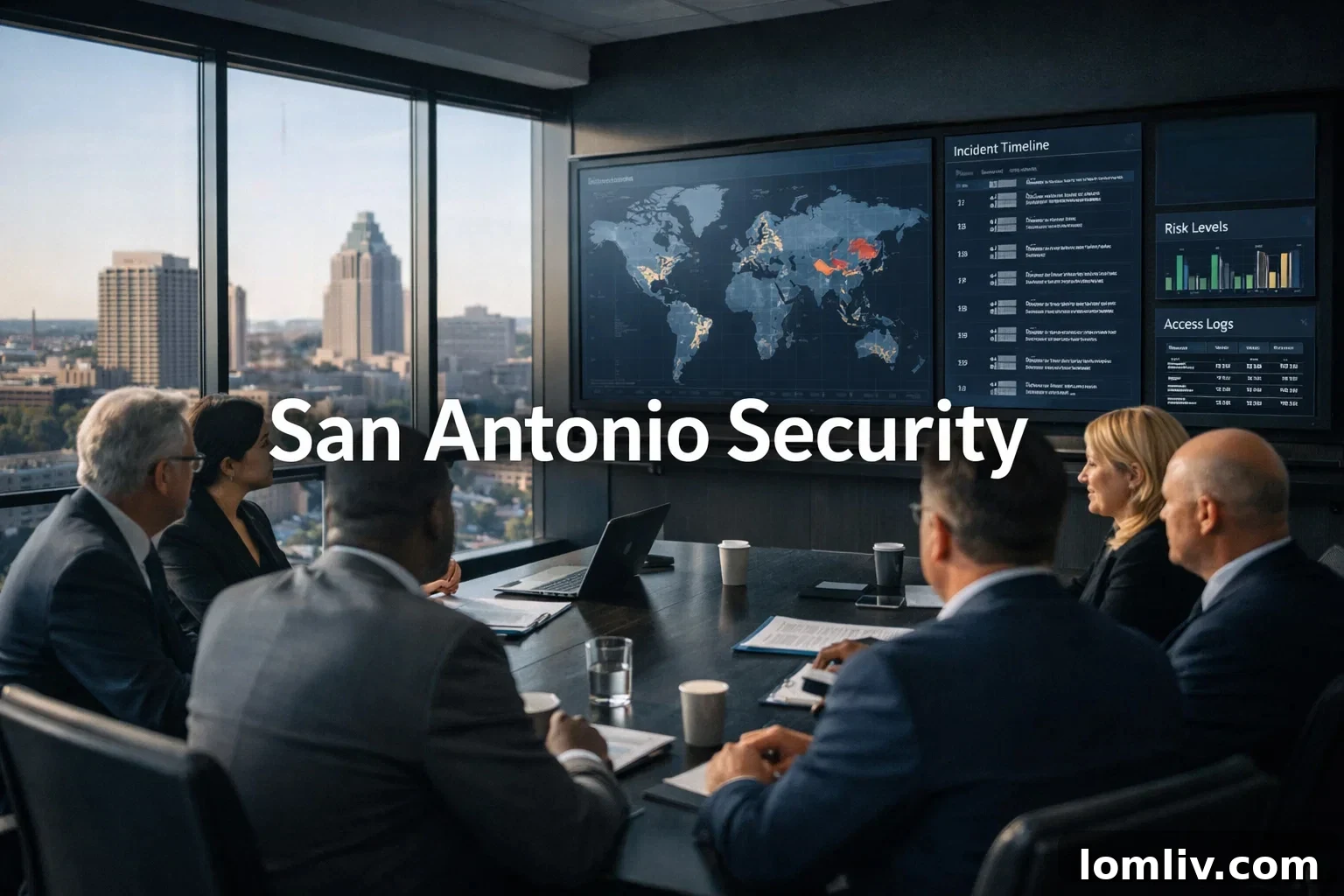
Integrated intelligence capabilities revolutionize how corporate security decisions are made by adeptly pulling together scattered and often fragmented data points into one cohesive, unambiguous picture. This process moves far beyond the limitations of isolated reports, anecdotal evidence, or speculative office rumors. Instead, decision-makers are provided with rigorously structured insights derived from a diverse array of sources, including human intelligence networks, sophisticated digital monitoring platforms, open-source intelligence (OSINT), and meticulous on-the-ground observation. This deep integration allows leadership teams to gain a holistic understanding, not merely of what is happening, but critically, why it is occurring and what potential developments might unfold next.
The clarity afforded by such comprehensive data-driven analysis profoundly benefits all strategic security decisions. These decisions become firmly grounded in the recognition of emerging patterns, the identification of subtle behavioral indicators, and an understanding of underlying systemic issues, rather than being based on superficial symptoms. This predictive capability is a hallmark of truly proactive security, enabling organizations to anticipate challenges and mitigate risks before they escalate, thereby bolstering overall enterprise security.
Moreover, when this intelligence is meticulously aligned with operational planning, responses can be precisely “right-sized.” This strategic alignment prevents costly overreactions that drain resources and create unnecessary disruptions, while simultaneously avoiding dangerous delays that could expose the organization to greater harm. This disciplined process empowers corporations to accurately anticipate potential escalation points, allocate their security resources with maximum efficiency, and crucially, maintain seamless business continuity even during periods of heightened uncertainty or significant organizational change. It also fosters an invaluable consistency in security actions, ensuring that every measure aligns perfectly with core organizational priorities and established risk tolerance levels, rather than being swayed by incomplete or rapidly shifting information.
1. From Awareness to Executive Action: Empowering Strategic Security Leadership
Effective corporate security hinges on the critical ability to translate complex intelligence into concrete, actionable steps that leadership teams can confidently and swiftly authorize. Integrated intelligence serves as the bridge in this vital transition, meticulously presenting insights in a format specifically designed to align with executive-level decision-making processes. Rather than bombarding leaders with overly technical briefings or abstract, theoretical assessments, data is meticulously contextualized around its direct impact on business operations, potential operational exposure, and paramount employee safety. This strategic framing transforms raw intelligence into a compelling narrative that resonates directly with executive concerns.
This tailored approach empowers corporate leaders to act decisively and with conviction, without needing to immerse themselves in granular operational details. In high-stakes environments, such as those involving executive travel to high-risk regions, sensitive merger and acquisition discussions, or periods of significant organizational transitions, intelligence-backed planning becomes indispensable. It ensures that all protective measures implemented are not only proportionate to the assessed threat but also consistently discreet, safeguarding the organization’s public image and operational fluidity. This allows leaders to focus on their core responsibilities, confident that robust, yet unobtrusive, security measures are in place.
For instance, considerations often align closely with strategies employed in specialized fields like executive protection in San Antonio, where detailed local context, real-time threat awareness, and meticulous logistical planning shape comprehensive protection strategies without causing undue disruption to business operations. Such localized expertise, when integrated into a broader intelligence framework, ensures that leaders can move forward with their agenda, secure in the knowledge that their decisions are underpinned by rigorously verified insights, precise threat assessments, and thoroughly measured analysis. This holistic approach significantly reduces risk while enhancing executive confidence and strategic agility.
2. Navigating Complex Workplace Dynamics with Proactive Security Intelligence
Workplace security challenges are rarely isolated incidents; they are often symptomatic of deeper, more complex internal dynamics. Issues such as employee disputes, sensitive terminations, or internal investigations are inherently fraught with high emotions, incomplete or biased information, and intense time pressure. These scenarios demand a sophisticated and empathetic approach to safeguard both the individuals involved and the broader organizational integrity.
Integrated intelligence plays a crucial role in mitigating uncertainty within these delicate situations by expertly identifying early indicators of potential escalation and illuminating relevant contextual risk factors. Rather than reacting impulsively to a single complaint or an isolated event, decision-makers gain profound insight into subtle behavioral patterns, shifts in communication styles, and underlying workplace stressors. This predictive capacity allows organizations to proactively address potential risks at their nascent stages, preventing them from metastasizing into full-blown crises that could lead to workplace violence, insider threats, or reputational damage. It transforms reactive problem-solving into proactive risk management for enterprise security.
When strategic intelligence informs security planning for internal matters, measures become inherently preventive rather than merely corrective. Leadership teams can effectively coordinate efforts across multiple departments, including Human Resources, Legal, Information Technology, and on-site security personnel. This cohesive, multidisciplinary approach is paramount not only for protecting employees and ensuring their safety and well-being but also for preserving the overall stability and operational integrity of the organization. Furthermore, integrated intelligence naturally supports robust documentation and accountability, ensuring that all security decisions are traceable back to objective, observed conditions. As a direct result, corporate security actions are perceived as measured, justified, and transparent, which in turn reinforces trust and fosters a sense of fairness within the organization during these sensitive and often challenging moments.
3. Security That Supports Business Instead of Stalling It: A Strategic Imperative
A core principle of modern enterprise security is that corporate security decisions must fundamentally support, rather than disrupt, business continuity and growth. Integrated intelligence capabilities fortify this crucial alignment by seamlessly embedding security planning directly into the fabric of day-to-day operations. Comprehensive assessments consider every facet of the business, from workflow intricacies and leadership schedules to facility usage patterns and public exposure points. This holistic view enables security measures to be integrated effortlessly and unobtrusively into daily activities, ensuring that protective actions enhance, rather than hinder, productivity and operational flow. The goal is to avoid unnecessary friction or drawing unwanted attention, preserving the organization’s normal operating rhythm.
When intelligence precisely identifies credible risks, organizations are empowered to implement highly targeted controls that effectively preserve productivity while simultaneously mitigating exposure. This delicate balance is absolutely essential, particularly during high-stakes periods such as mergers and acquisitions, significant organizational restructuring, or prominent public-facing initiatives, where any disruption can carry severe financial and reputational consequences. By focusing resources exactly where they are needed most, businesses can maintain their competitive edge and market agility.
Ultimately, integrated intelligence enables security teams to move beyond merely reacting to threats; it empowers them to recommend strategic actions that are perfectly aligned with executive priorities, rather than appearing to compete with them. Security decisions are reframed around their tangible operational impact and demonstrable risk reduction, shifting away from abstract threat levels. This paradigm shift firmly reinforces security’s role as a critical business enabler—a strategic advantage that facilitates innovation and growth—rather than a restrictive constraint. This strategic posture significantly boosts leadership confidence, providing stability and clear direction during periods of intense organizational change and uncertainty, proving the vital ROI of proactive security investments.
4. Building Accountability and Trust Through Data-Driven Corporate Security
Accountability stands as a central pillar of truly effective corporate security decision-making. Integrated intelligence profoundly reinforces this principle by providing an indisputable, documented basis for every action taken. Security decisions are no longer based on intuition or subjective opinions; they are robustly supported by verifiable observations, rigorous analytical reasoning, and clearly defined risk indicators. This level of transparency is invaluable, as it not only protects leadership teams but also unequivocally demonstrates that actions were taken based on objective, data-driven assessment rather than speculation, assumption, or emotion. The systematic application of intelligence also ensures a crucial level of consistency, maintaining uniform standards and protocols even when decision-makers change, thereby reducing over-reliance on individual judgment and potential biases.
In dynamic corporate environments where leadership transitions or departmental responsibilities shift, intelligence-backed frameworks become the bedrock for continuity. They ensure that there is a consistent, standardized approach to how risks are evaluated, prioritized, and addressed across the enterprise. This unwavering continuity is particularly vital in extended security engagements, complex global operations, or rapidly evolving threat situations. It actively fosters a shared understanding across all key stakeholders, seamlessly aligning executives, security leadership, and operational managers around the same accurate and comprehensive risk picture. This unified perspective eliminates ambiguity and promotes cohesive action.
As a direct result of this intelligence-driven methodology, corporate security decisions remain defensible, repeatable, and consistently aligned with the organization’s core values, even under immense pressure. Furthermore, this transparency also strengthens ethical governance, providing clear audit trails and demonstrable justification for all security expenditures and interventions. It reassures employees and external partners alike that the organization operates with integrity and a commitment to protecting its assets and personnel through sound, evidence-based practices, thereby solidifying trust both internally and externally. This robust framework for accountability is a hallmark of mature enterprise security.
5. The Enduring Value of Discretion in Modern Corporate Security
Discretion remains an paramount priority for corporate leaders navigating sensitive security concerns, particularly in the public eye. Integrated intelligence serves as a powerful enabler of discreet decision-making by allowing security teams to implement protective measures with unparalleled precision and minimal visibility. Rather than defaulting to high-visibility security protocols that might inadvertently draw unwanted attention or create an atmosphere of alarm, intelligence empowers organizations to deploy controls precisely where they are most effective and, crucially, least disruptive to normal operations and public perception. This targeted precision significantly reduces unnecessary exposure while maintaining an optimal state of readiness.
Intelligence-backed planning is designed to ensure that protective measures are adaptable and responsive to changing conditions without ever drawing undue public attention or creating a spectacle. For high-profile business leaders and prominent public figures, this commitment to discretion is vital; it actively preserves their professional presence, protects their personal privacy, and safeguards the broader organizational reputation from unwarranted scrutiny or speculative headlines. The goal is to allow leaders to operate freely and effectively without their security becoming a distraction.
Furthermore, this discreet approach fosters essential coordination between both physical and digital considerations, ensuring that protective actions remain comprehensively robust without ever becoming intrusive or cumbersome. This integrated cyber-physical security strategy means that everything from secure communications to executive travel logistics is handled with an optimal blend of vigilance and normalcy. By firmly grounding discretion in thorough analysis rather than relying on guesswork or assumptions, organizations achieve a delicate yet powerful balance between constant vigilance and the maintenance of everyday operations. This balance, in turn, reinforces confidence among leadership teams, allowing them to remain protected and secure without sacrificing valuable time, focus, or agility in pursuing their core business objectives.
6. Building Long-Term Resilience Through Continuous Intelligence Integration
Corporate security decisions extend far beyond immediate response and crisis management; they are foundational to building enduring organizational strength. Integrated intelligence capabilities make a profound contribution to long-term confidence and stability by systematically enabling organizations to learn valuable lessons from every engagement, every incident, and every strategic initiative. The patterns and insights meticulously identified through continuous analysis are not merely filed away; they actively inform future planning, drive the refinement of security policies, and enhance leadership preparedness across the entire enterprise. Over time, this creates a robust and self-improving feedback loop, where subsequent security decisions become progressively more precise, effective, and strategically aligned.
This dynamic approach also inherently fosters adaptability, a crucial attribute for any modern organization. It empowers businesses to swiftly adjust their protective strategies and operational frameworks as the risk environment continually evolves—be it due to geopolitical shifts, technological advancements, changes in regulatory landscapes, or emerging social dynamics. This proactive adaptability is absolutely critical for sustaining and deepening trust among both executives and employees alike, demonstrating a forward-thinking and responsible approach to enterprise security governance.
When leadership consistently witnesses intelligence-backed outcomes—decisions that are sound, effective, and demonstrably successful—confidence in the overall security governance structure naturally flourishes. Security decisions feel controlled, strategically planned, and thoughtfully executed rather than appearing reactive or haphazard. In this context, integrated intelligence transcends being merely a tool for immediate response; it evolves into the very foundation for organizational resilience. By deeply embedding intelligence into every facet of its decision-making processes, an organization strategically positions itself to manage uncertainty with unparalleled composure, clarity, and unwavering confidence over the long term, ensuring sustainable growth and protection.
Key Takeaways: The Strategic Advantage of Integrated Intelligence
Integrated intelligence fundamentally strengthens corporate security decisions by masterfully transforming uncertainty and complex data into informed, decisive action. When comprehensive intelligence rigorously informs all levels of strategic planning, leaders gain an unparalleled degree of clarity, cultivate unshakeable confidence in their choices, and exert greater control over their security posture. As these intelligence-backed decisions seamlessly align with operational realities, organizational accountability is not only reinforced but also made transparent. Furthermore, protective measures remain consistently discreet, highly effective, and optimally resource-efficient.
This sophisticated, data-driven approach simultaneously supports seamless business continuity while steadfastly safeguarding an organization’s most critical assets: its people, its intellectual property, and its invaluable reputation. It is crucial to reiterate that intelligence does not seek to replace the nuanced judgment of seasoned leadership; rather, it profoundly sharpens that judgment by providing essential context, strategic foresight, and a robust framework for ethical action. In a global environment where risks are in a constant state of rapid evolution, organizations that strategically rely on intelligence-backed decision-making are uniquely better positioned to act decisively, responsibly, and proactively.
By thoroughly embedding integrated intelligence into every aspect of corporate security governance, leaders ensure that their actions reflect meticulous, measured assessment rather than knee-jerk reactions. This strategic commitment cultivates and sustains deep trust across all levels of the organization and builds an inherent, enduring resilience that protects against future challenges. It signifies a mature and forward-thinking approach to enterprise security, ensuring long-term success and stability.