The Unfolding Saga: 10300 Strait Lane – A Dallas Architectural Gem Faces Demolition
In the exclusive enclave of Strait Lane, synonymous with unparalleled luxury and architectural grandeur in Dallas, a significant property is making headlines. The fate of 10300 Strait Lane, a masterpiece of modernist design, hangs in the balance as its new owners, the McReynolds family, appear poised to replace this historic residence with a new vision for their extensive estate. This development sparks conversations about architectural preservation, the evolving landscape of Dallas’s most prestigious neighborhoods, and the value placed on design legacies.
A Prestigious Sale and Its Shocking Aftermath
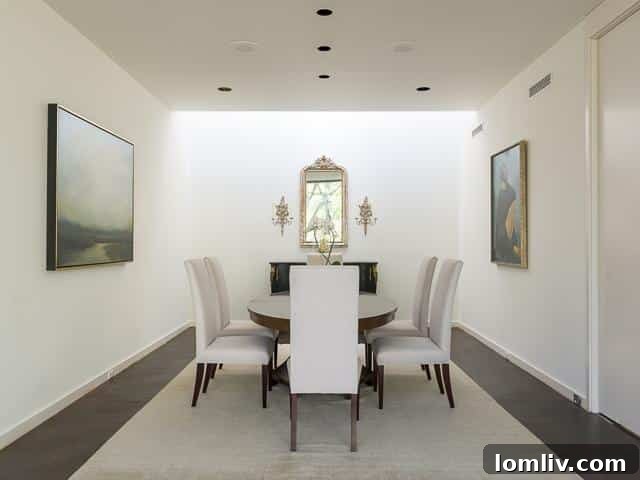
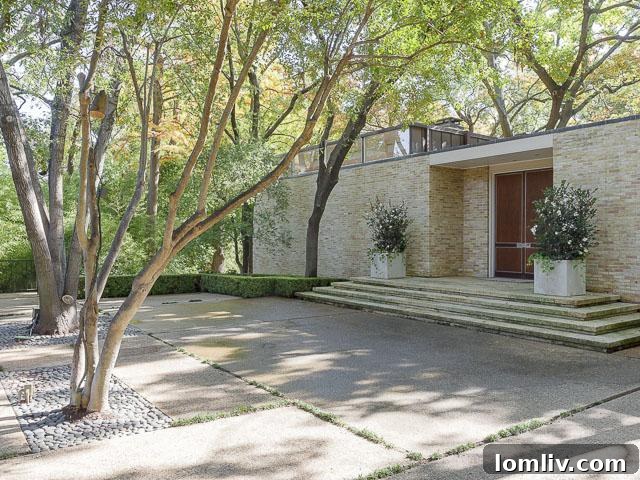
Just last year, on April 30, the Dallas luxury real estate market watched as 10300 Strait Lane changed hands. This iconic residence, originally commissioned by Nancy Dedman and completed in 1971, was a testament to the brilliance of renowned Dallas modernist architect Bud Oglesby. Listed for $7,490,000, the property ultimately sold for a noteworthy $6,750,000. For many, it represented a cornerstone of Dallas’s architectural heritage, reflecting a sophisticated blend of contemporary design and timeless elegance. Its sale was a major event, yet the subsequent news of a potential demolition has sent ripples through the architectural and preservation communities.
The Bud Oglesby Legacy at 10300 Strait Lane
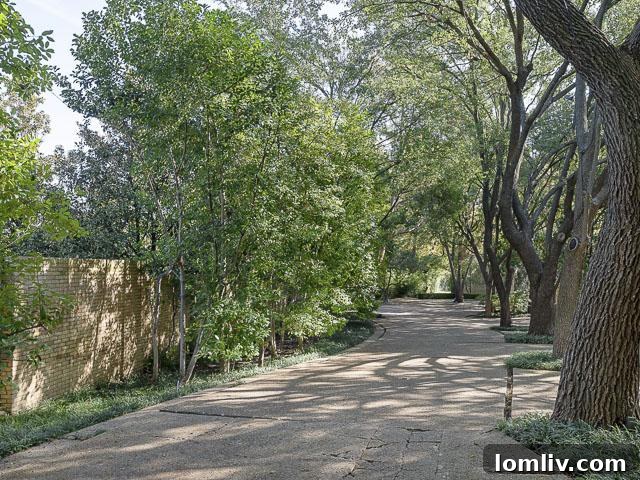
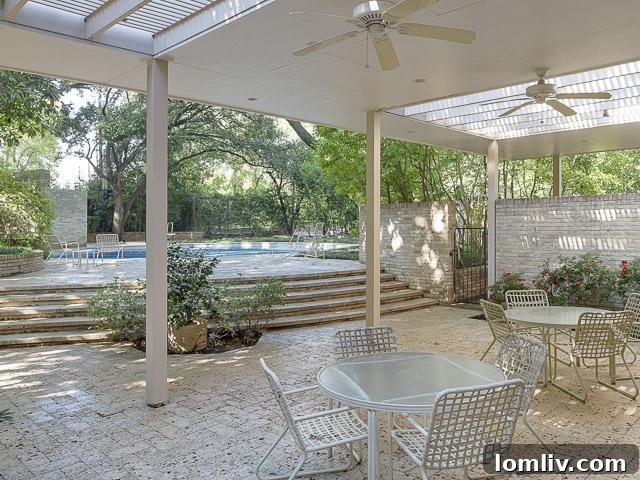
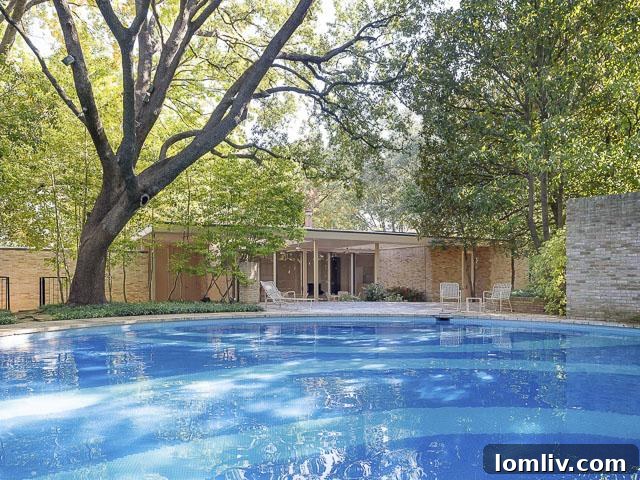
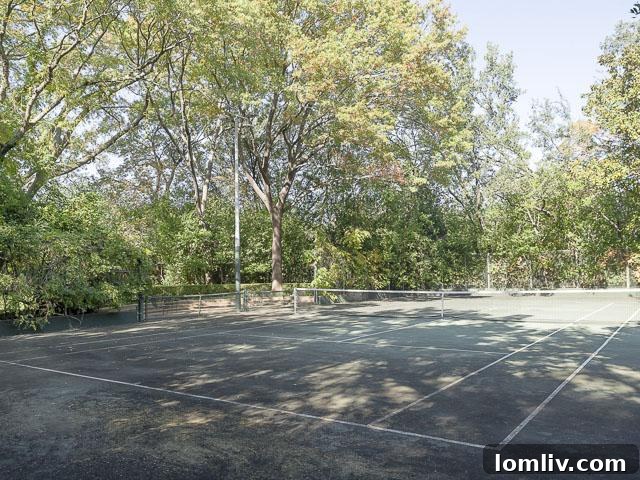
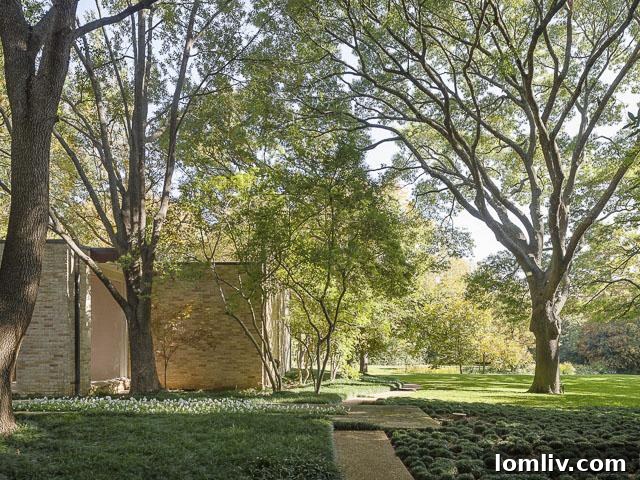
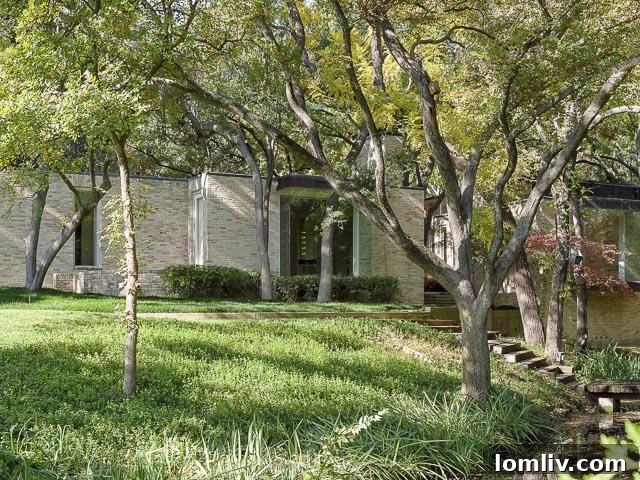
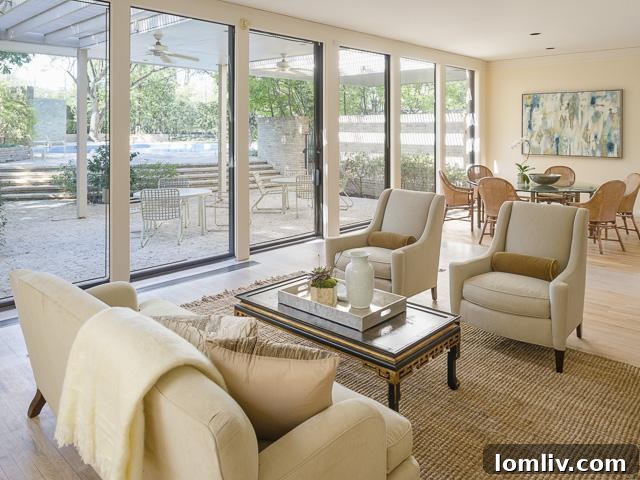
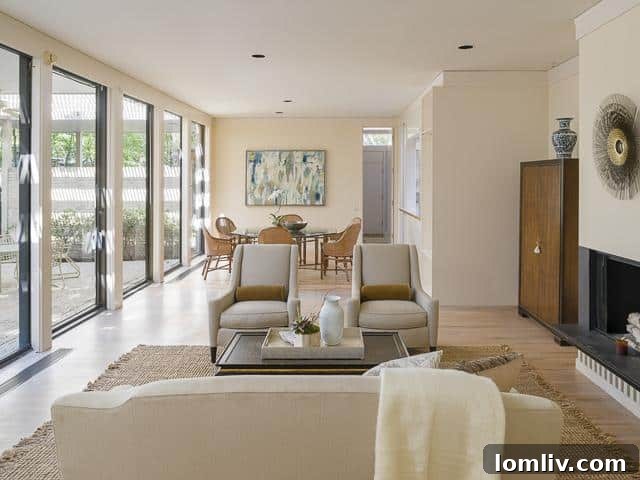
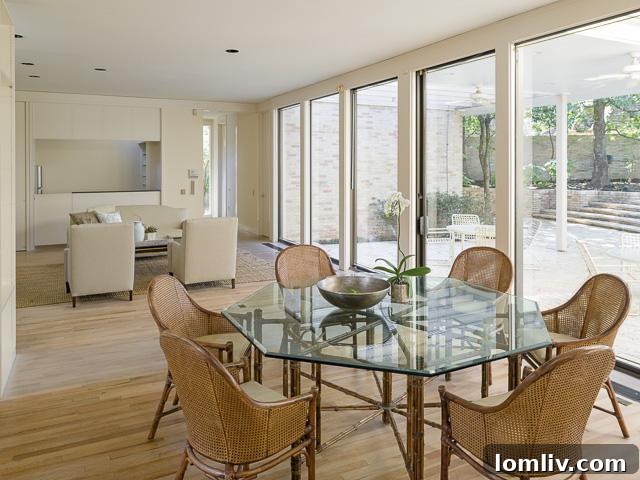
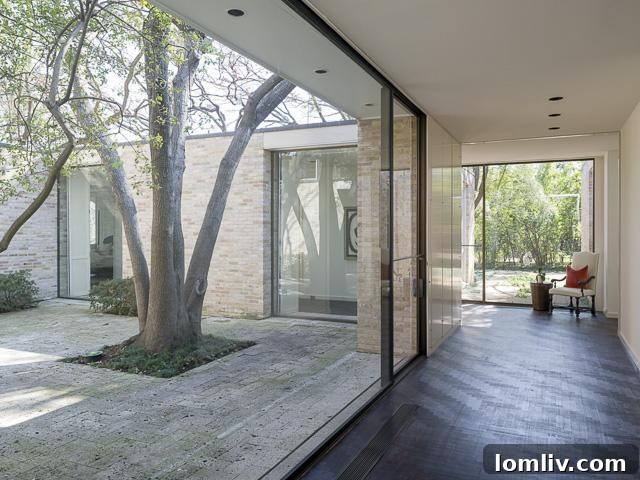
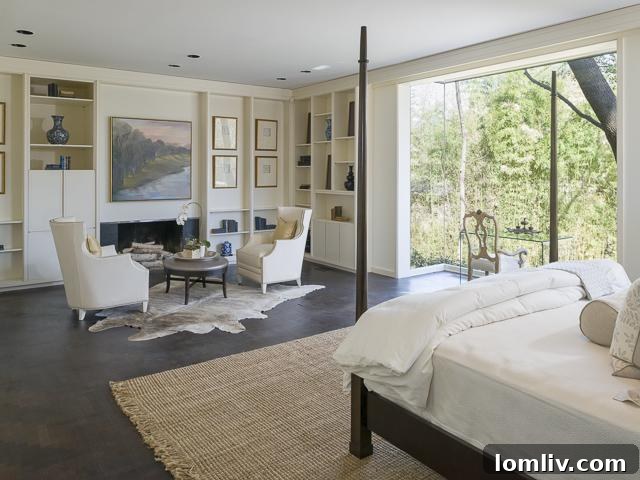
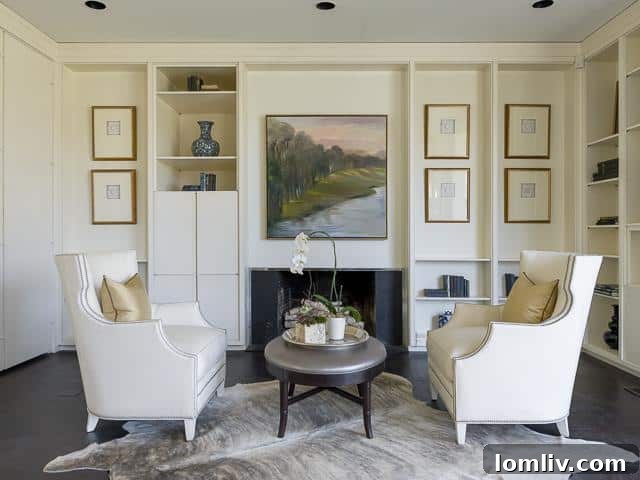
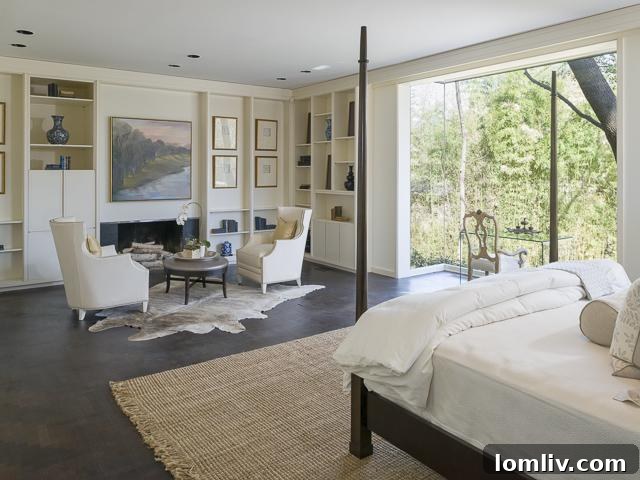
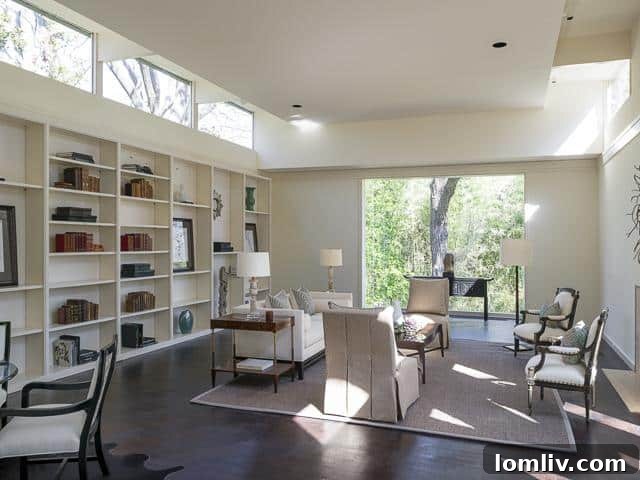
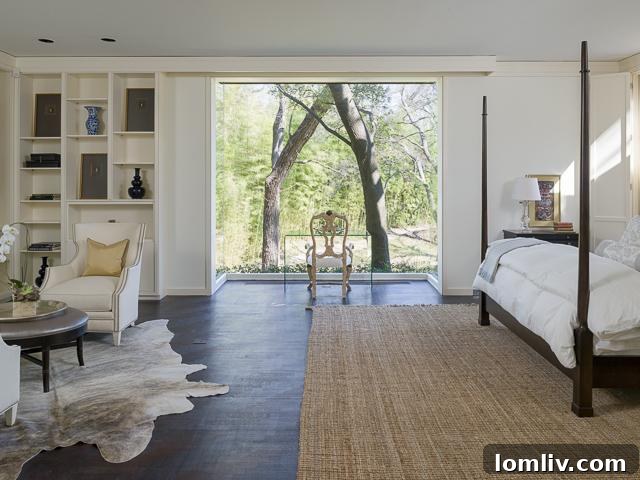
The estate at 10300 Strait Lane spans 3.5 lush, verdant acres, a meticulously designed landscape that complements the home’s striking architecture. Oglesby’s genius is evident in every aspect of the property, from its strategic positioning to its internal flow. The home’s beautifully proportioned rooms are oriented to capture sweeping views of the grounds, which include a serene private pond, nestled alongside a picturesque creekside setting. This deep connection to nature, characteristic of Oglesby’s work, allows the interior spaces to seamlessly integrate with the exterior environment, creating a sense of tranquility and expansive living.
According to Susan Marcus, who not only facilitated the sale but was also a personal friend of the architect, “Bud was a genius at siting.” This sentiment perfectly encapsulates Oglesby’s approach: understanding how a structure interacts with its natural surroundings. His designs were not merely buildings; they were thoughtfully conceived living spaces that responded to light, landscape, and lifestyle. The Dedman residence, his creation for its first discerning owner, embodied this philosophy, presenting a relaxed contemporary elegance that remained functional and inviting.
The Architect: Enslie “Bud” Oglesby – A Visionary of Light and Form
Enslie “Bud” Oglesby, born in Phoenix and raised in San Angelo, Texas, forged an indelible path in American architecture. His impressive academic journey included graduating from Cornell University and earning a master’s degree in architecture from the Massachusetts Institute of Technology (M.I.T.). Further honing his craft, Oglesby also spent time studying and living in Sweden, an experience that likely influenced his minimalist yet warm design sensibilities and his profound understanding of light manipulation in architectural spaces.
As the driving force behind Oglesby Group Architects, his firm became one of the most significant architectural entities in Dallas for decades. His influence extended far beyond his own projects, shaping the next generation of architects, including notable modernists like Ron Wommack. Oglesby possessed a unique ability to anticipate the needs and aspirations of Dallas residents. He recognized that those in Dallas “travel a lot, and there are so many choices of materials that it prevents a definitive look.” Consequently, his homes rarely conformed to a single, rigid style. Instead, they exuded a relaxed contemporary elegance, perpetually exploring the interplay of natural light, and unfailingly prioritizing functionality to accommodate the dynamic lifestyles of families.
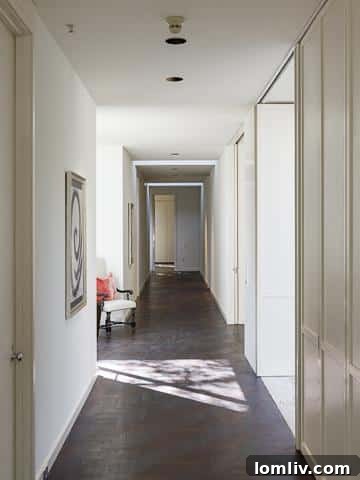
Oglesby was a true master of light, a crucial element in the bright Texas climate. He understood how to harness natural illumination to enhance spatial perception and create inviting atmospheres, making his homes not just visually stunning but also deeply livable. His designs stood as a testament to intelligent, sensitive modernism, where form met function in harmonious balance, leaving an enduring legacy on Dallas’s architectural fabric.
New Ownership, New Plans: The McReynolds Family and Strait Lane
The current owners of 10300 Strait Lane are reportedly John W. McReynolds, who serves as the President and Chief Financial Officer of ETE Common Holdings, LLC, and also holds presidential roles at Energy Transfer Equity, L.P., and Energy Transfer Company, LP. According to insights from Bloomberg, Mr. McReynolds’ extensive executive experience is evident in his leadership roles, including his presidency for LE GP, LLC. The McReynolds family’s presence on Strait Lane is significant, as they are part of a trust that also owns 10330 Strait Lane, an adjacent parcel of 9.66 acres.
This larger property, 10330 Strait Lane, carries its own dramatic history. It was once the site of the legendary Chateau de Triumph, a colossal 44,000 square foot mansion built by George and Dominique Perrin. After passing through the hands of John Lau, it was acquired by Jean-Raymond Boulle. Tragically, the Chateau de Triumph met its demise in July 2002, destroyed by a massive fire that shocked the Dallas community. The fact that the McReynolds family now controls both these substantial estates highlights their considerable investment and vision for this ultra-exclusive section of Dallas.
Demolition Permit and Future Visions
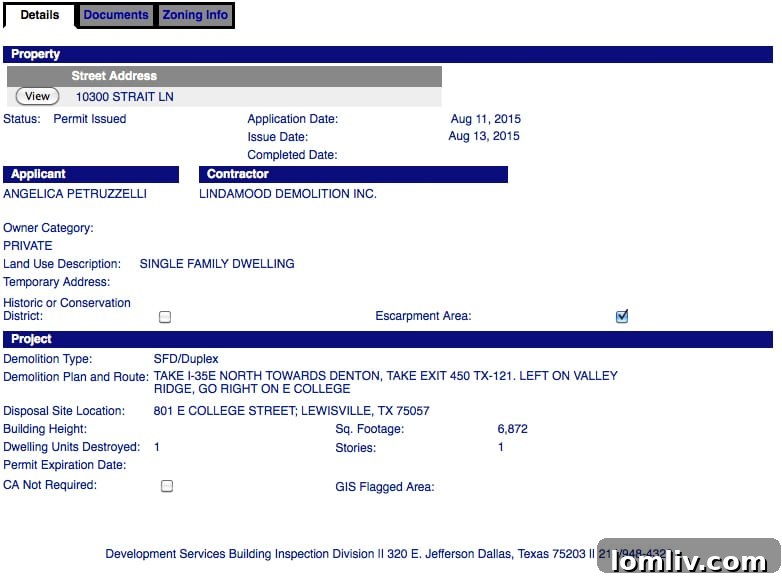
The most immediate and startling news surrounding 10300 Strait Lane is the issuance of a demolition permit by the City of Dallas on August 13 (Permit #1508111041). This permit suggests that the McReynolds family intends to tear down the existing Bud Oglesby-designed residence. Reports indicate that Sebastian Construction, led by John Sebastian, is slated as the general contractor for the project. The McReynolds apparently plan to construct their new primary residence on the site of the former Dedman property. Their other significant holdings on Strait Lane, including the sprawling 9.66 acres at 10330 Strait Lane, are reportedly intended to be integrated into the overall landscaping and expanded grounds for their grand vision.
In anticipation of these changes, a new magnolia hedge has already been planted along Strait Lane and Parkhurst. This strategic landscaping addition aims to enhance privacy and screen in the expansive property, signaling the family’s long-term commitment to creating a cohesive and secluded estate in this coveted Dallas neighborhood.
The Implications for Dallas Architectural Heritage
The potential demolition of 10300 Strait Lane raises critical questions about architectural preservation in Dallas’s most affluent areas. While property owners undoubtedly have the right to modify their estates, the loss of a significant work by an architect like Bud Oglesby represents a tangible erosion of the city’s architectural legacy. Oglesby’s homes are not merely structures; they are pieces of art that reflect a particular era of design excellence and a unique understanding of regional aesthetics.
This trend is not isolated to Strait Lane. Across Dallas’s high-value neighborhoods, older, even architecturally significant homes are increasingly being replaced by larger, newer constructions. This reflects a shifting demand among ultra-luxury buyers for sprawling contemporary compounds equipped with the latest amenities, often at the expense of preserving mid-century or earlier modern masterpieces. The discussion extends beyond individual property rights to the collective cultural value of preserving significant architectural contributions for future generations.
Strait Lane itself has continuously evolved, mirroring the aspirations of Dallas’s elite. From its inception, it has attracted those seeking expansive estates and privacy. The transformation of these properties, whether through renovation or complete redevelopment, is a testament to the dynamic nature of luxury real estate and the ongoing reimagining of what constitutes the ultimate dream home in Dallas.
A Story in Progress
As the story of 10300 Strait Lane continues to develop, it serves as a poignant reminder of the tension between progress and preservation. While the McReynolds family embarks on a new chapter for their Strait Lane estate, the legacy of Bud Oglesby’s design, once a jewel in Dallas’s modernist crown, stands at a precipice. The coming months will reveal the full extent of this transformation, shaping not only a single property but also contributing to the ongoing narrative of Dallas’s evolving luxury landscape and architectural identity.