The Digital Revolution of Home Design: How Houzz Transformed Inspiration and Showcased a Dallas Masterpiece
Remember a time when our aspirations for a dream home were carefully curated through tangible collections of ripped-out magazine pages, meticulously organized into binders? These “idea books” served as our personal blueprints for future living spaces, a tactile connection to design inspiration. The dawn of the digital age, however, irrevocably transformed this process, ushering in an era of unparalleled access and sharing. At the forefront of this revolution was the launch of Houzz.com in 2009, a platform that quickly became the ultimate digital idea book, changing how we envision, plan, and execute home design projects globally.
The genesis of Houzz stems from a very personal need experienced by its founders, Adi Tatarko and Alon Cohen. As they embarked on remodeling their own home, they encountered a significant challenge: finding an efficient and visual method to communicate their design ideas to their team of professionals, and simultaneously, a reliable way to discover skilled and reputable experts for their project. They quickly realized this wasn’t just their dilemma; it was a universal pain point for homeowners and professionals alike. Their solution, born from this frustration, would soon grow into a phenomenon that transcended geographical boundaries and design styles.
From Personal Project to Global Design Hub: The Houzz Phenomenon
What began as an informal digital sharing platform among 20 friends, exchanging images and ideas related to home renovation, swiftly escalated into a worldwide sensation. In record time, Houzz evolved from a simple website into a sprawling global community, now boasting an impressive 40 million monthly users across the globe. It has firmly established itself as the premier online destination for anyone seeking inspiration, specific products, or qualified professionals within the vast home design, remodeling, and building industries. More than just a repository of beautiful images, Houzz functions as a vibrant ecosystem where homeowners can explore endless possibilities, discover innovative solutions, and connect with experts who can bring their visions to life.
For design and building professionals, Houzz offers an indispensable platform to showcase their portfolios, reach a broad audience, and establish their credibility. Users can curate their own “idea books,” mirroring those beloved physical binders, but with the added convenience of effortless digital sharing. This instant visual communication tool allows homeowners to easily collaborate with family, friends, interior designers, architects, and builders, streamlining the entire design process. It’s akin to granting someone direct access to your creative thoughts, fostering a level of understanding and alignment previously unimaginable.
A Dallas Masterpiece: 5125 Royal Crest Ignites Houzz
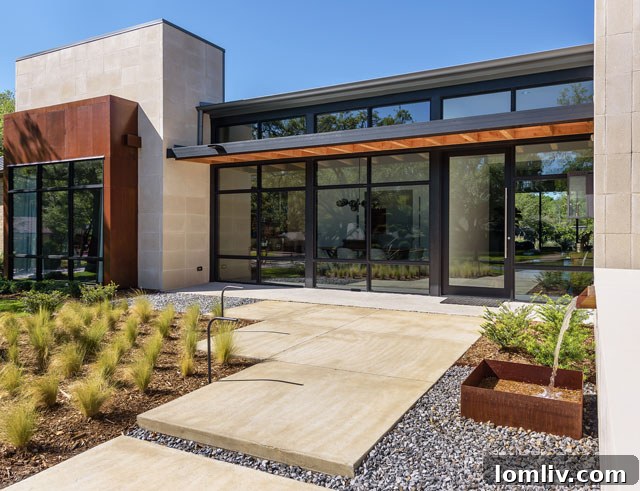
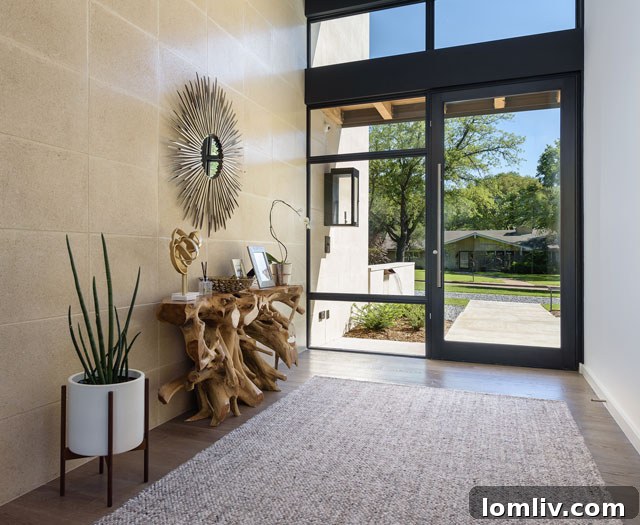
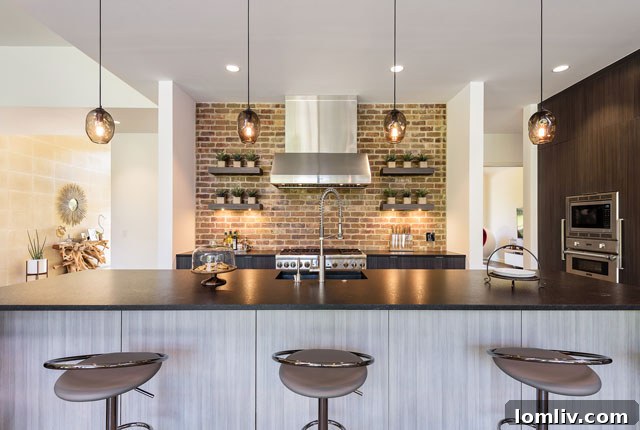
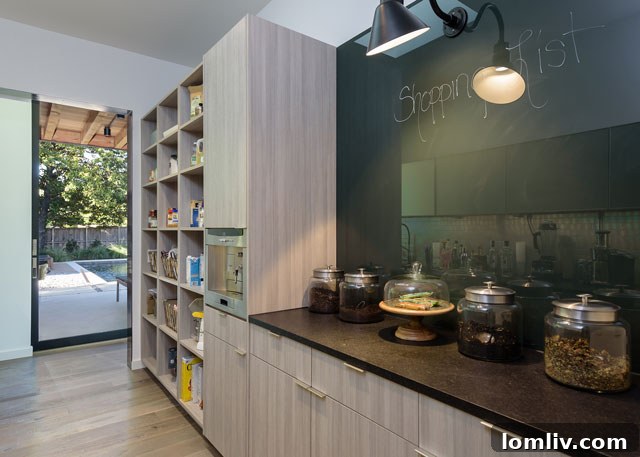
Imagine the excitement and validation of adding your passion project to Houzz and witnessing an overwhelming, universally positive response. This exact scenario unfolded for Rob Champion, founder of ICF Custom Homes, and his wife Reneé. Their personal residence, located at 5125 Royal Crest in Dallas, became an instant sensation on the platform, garnering an unprecedented level of attention and admiration from the global design community.
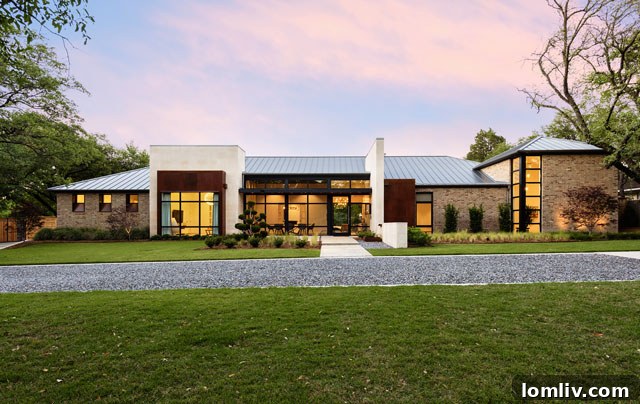
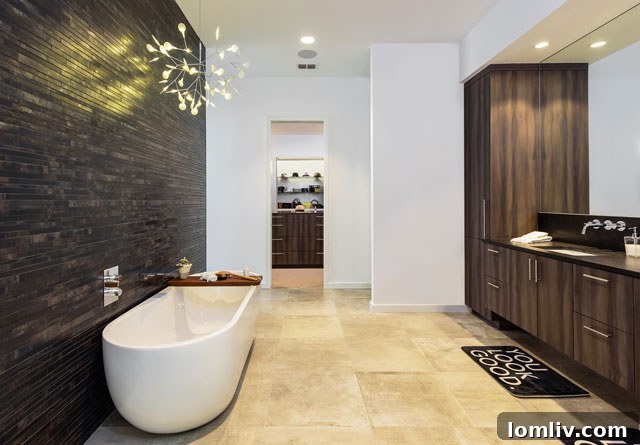
“They built 5125 Royal Crest as their personal home and meticulously documented every step of its creation on Houzz,” explained Dave Perry-Miller Realtor Jason Bates, who, alongside Ryan Streiff, later facilitated the sale of this remarkable property. “Its popularity was immense, and the home itself was undeniably stunning. Houzz recognized its exceptional appeal by bestowing upon them an award, specifically for the sheer number of times their project photographs were saved by users. The project also proudly received a coveted Best Design Award, solidifying its status as a benchmark in modern home aesthetics.”
The Bedroom That Captivated Thousands: A Houzz Top 10 Selection
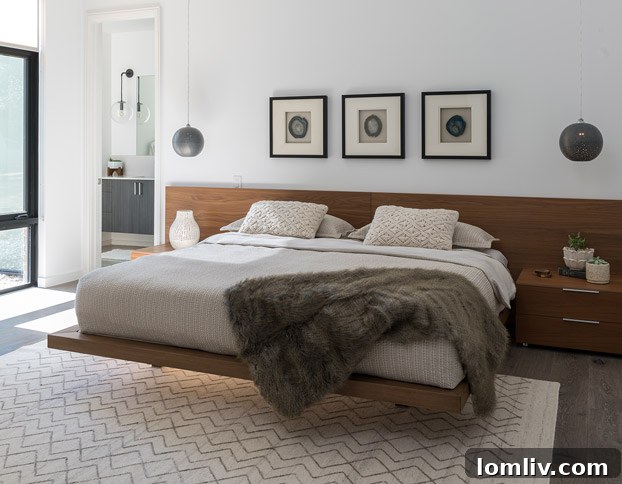
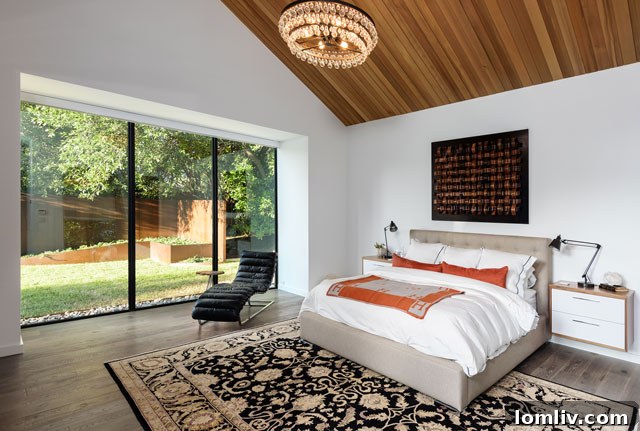
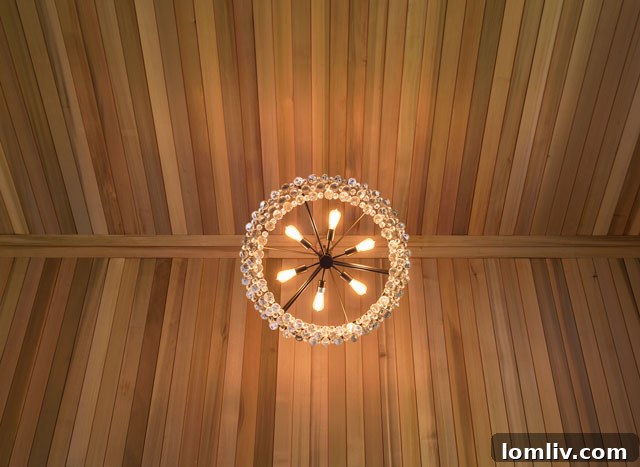
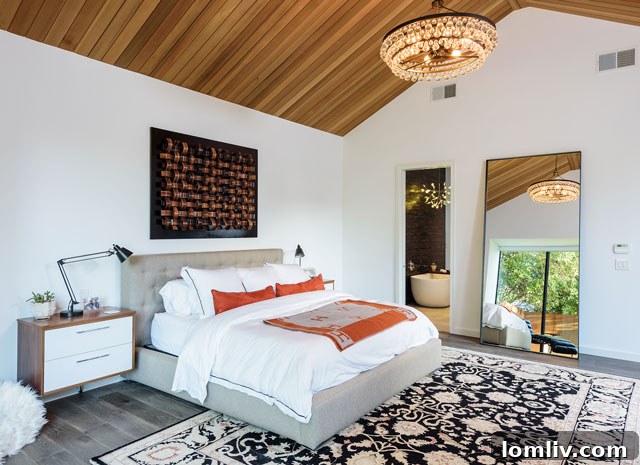
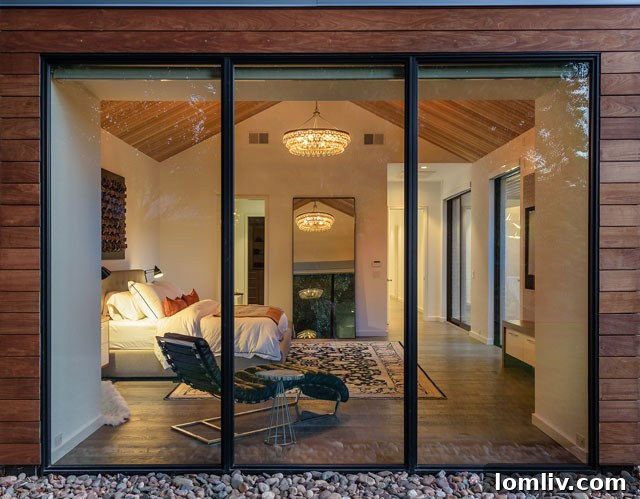
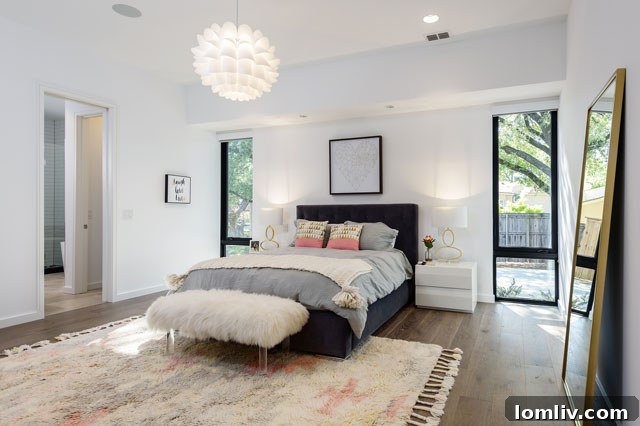
While every photograph of the 5125 Royal Crest project commanded significant attention, one particular space achieved viral status: the master bedroom. Featured prominently at the beginning of our post, this elegant sanctuary was saved to an astounding over 8,000 idea books by Houzz users worldwide. Its compelling design even caught the discerning eye of the Houzz editorial staff, who enthusiastically included it in their prestigious list of the Top 10 Bedrooms of the Year. The creation of this iconic interior was a collaborative triumph, with Reneé and Rob Champion partnering with the esteemed Cantoni design team, and notably, the talented Stephanie Stephenson, who played a pivotal role in shaping the home’s distinctive interior aesthetic. A key element contributing to the master bedroom’s widespread acclaim was the striking Ala bed, a piece that perfectly encapsulated the home’s blend of contemporary elegance and sophisticated comfort.
The Vision: A Seattle Modern Vibe in Russwood Acres
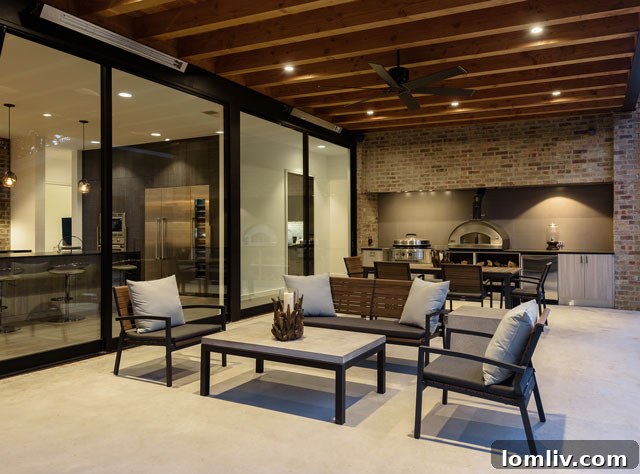
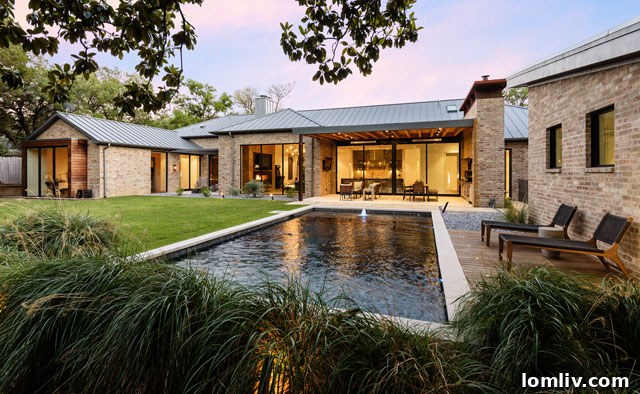
The journey of 5125 Royal Crest began quite serendipitously. Rob Champion received a call from a former client, who offered to sell him his mother’s house in the established Dallas neighborhood of Russwood Acres. This presented an exciting opportunity for Rob to experiment with a unique architectural vision. “I thought it would be fun to build a sprawling, single-story industrial modern house,” Rob recounted, describing his aspiration for a design that exuded “a little bit of a Seattle modern flavor, heavily inspired by the works of Kundig Olson.” This bold concept, however, came with a inherent question: would the local buying pool in Russwood Acres, known for its more traditional residences, embrace such a distinctive and avant-garde style? The champions candidly admitted their internal debate, acknowledging the possibility that “the worst thing that could happen is we’d live there indefinitely,” a prospect they were quite happy with.
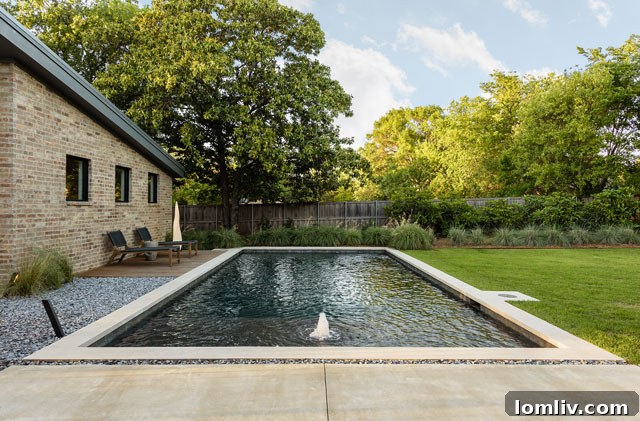
Indeed, this undertaking represented a significant leap of faith. The proposed build would be the very first new construction of its kind in Russwood Acres, a neighborhood characterized by its existing, more conventional homes. The Champions were acutely aware that they would be “trailblazing,” as Rob put it, introducing a fresh architectural language into an area accustomed to a different aesthetic. Their primary concern wasn’t just market acceptance but also ensuring their design wouldn’t “upset the neighbors.” This delicate balance between innovation and community harmony was central to their approach. Ultimately, they decided to build the house for themselves, unburdened by external expectations, allowing their creative instincts to flourish. “So, we built it for ourselves and broke a lot of rules!” Rob enthusiastically stated, reinforcing their commitment to artistic freedom. “We figured if we could sell it, great, and if not, we’d be very happy here.” This ethos of building a dream home purely for personal enjoyment, without compromise, laid the foundation for its exceptional design and subsequent success.
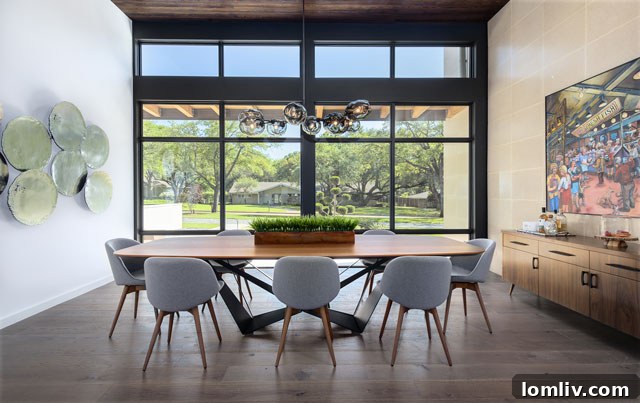
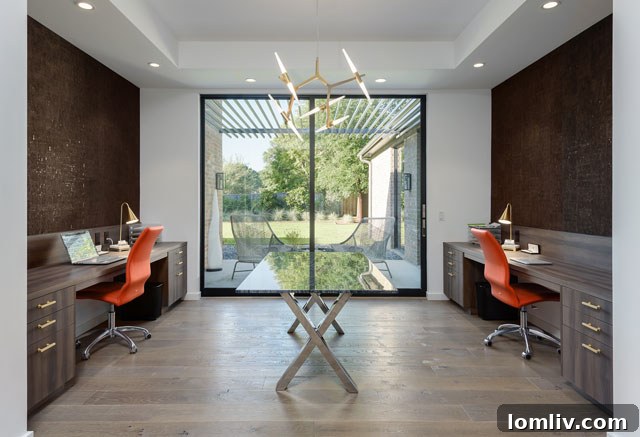
A Symphony of Materials: Raw Steel, Chicago Brick, and Shou Sugi Ban
When a builder by profession embarks on a personal project, with the sole aim of pleasing themselves and their spouse, the creative freedom afforded allows for bold experimentation with intriguing materials and innovative designs. This was certainly the case for Rob and Reneé Champion, who leveraged Rob’s extensive expertise to craft a home that was both a personal sanctuary and a showcase of cutting-edge design.
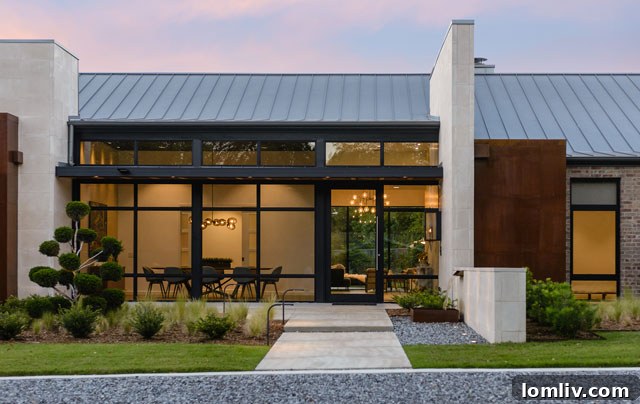
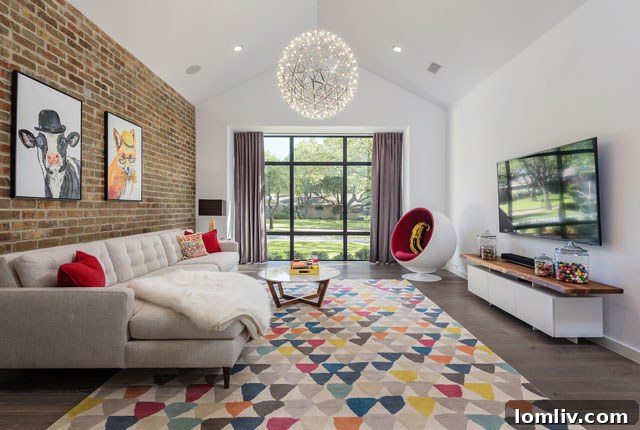
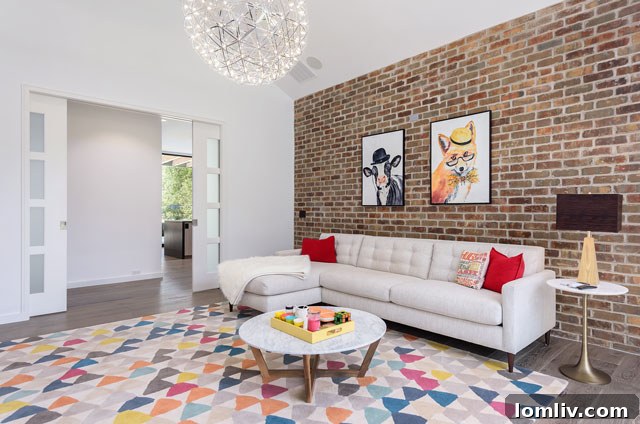
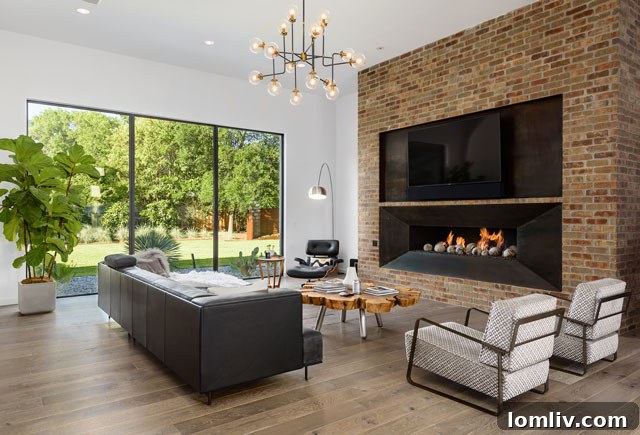
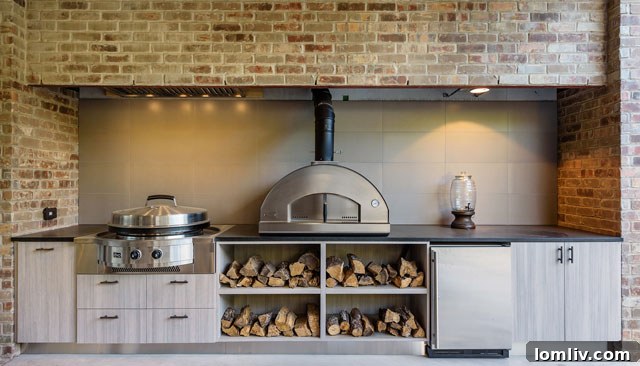
“We used a lot of raw steel throughout the house,” Rob detailed, highlighting one of the industrial modern elements that defined their aesthetic. A standout example is their striking fireplace surround, which features “a piece of raw steel with a bevel to it.” This element introduced a distinctly modern, minimalist edge. However, in a testament to their collaborative design process and the blending of their individual preferences, this contemporary steel feature was thoughtfully juxtaposed with traditional “Chicago brick.” Rob envisioned the sleek steel surround, while Reneé championed the warmth and texture of the brick. The result was a harmonious fusion of modern industrial and classic rustic elements, proving that both their design instincts were valid and complementary. “My idea was a steel surround with the bevel. Reneé wanted the brick. We both won!” Rob exclaimed, perfectly encapsulating their successful creative synergy.
Perhaps the most unique and labor-intensive design feature in the entire residence, and Reneé’s personal favorite, was the wood ceiling treatment in the formal dining room. This wasn’t merely a decorative choice; it was an immersive, hands-on project for the entire family. “Both of us, including our daughter, spent an entire weekend burning the wood, giving it a charcoaled effect,” Reneé fondly recalled. This ancient Japanese technique, known as shou sugi ban, is a traditional method of preserving wood by charring its surface. Originating in 18th-century Japan, it was historically a family affair, a tradition the Champions revitalized in their own home. The deeply textured, blackened wood ceiling became a captivating focal point, adding depth, character, and a profound sense of craftsmanship to the dining space. It served as a powerful example of how thoughtful material selection and dedicated artisanal work can transform a room into a work of art, telling a story of history, craft, and family collaboration.
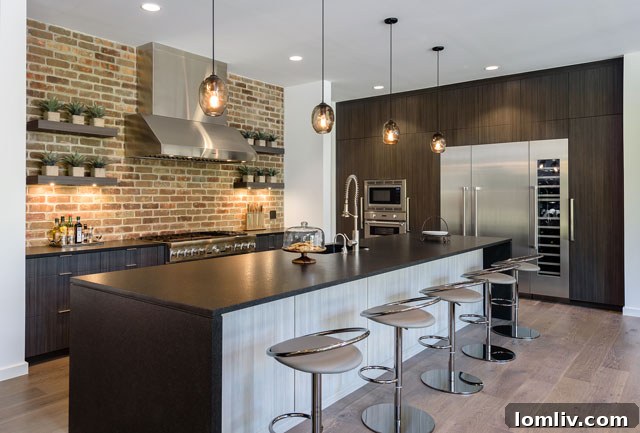
From Personal Residence to Hip Pocket Listing: The Unexpected Sale
The Champions initially envisioned residing in their magnificent Russwood Acres home for a couple of years before potentially listing it on the market. However, the extraordinary popularity of 5125 Royal Crest on Houzz, coupled with its local intrigue, accelerated their timeline dramatically. Real estate agents Ryan Streiff and Jason Bates, who had another property listed just down the street, found themselves fielding continuous inquiries about the Champions’ distinctive house from prospective buyers. The home’s striking presence and its digital acclaim had created an undeniable buzz.
A fortuitous encounter at an open house provided the perfect opportunity. Streiff and Bates approached Rob and Reneé, inquiring if they might be interested in a “hip pocket listing”—an exclusive arrangement where a property is marketed to a select group of potential buyers without being publicly listed on the Multiple Listing Service (MLS). The Champions, perhaps surprised but undoubtedly pleased by the sustained interest, agreed. The outcome was swift and decisive. “We had a buyer within 30 days,” Bates proudly reported. “It never even went into MLS.” This rapid, off-market sale underscored the immense power of Houzz as a pre-marketing and validation tool, demonstrating how a compelling online presence can generate significant demand and translate directly into real-world transactions.
While the bold design risks and personal investment in 5125 Royal Crest had undeniably paid off, the Champions found themselves in a unique situation: they were suddenly without a primary residence. Undeterred by this temporary displacement, they are currently renting a home while they meticulously plan and embark on their next ambitious building project. True to their pioneering spirit, they are eager to “break a few more rules” with their upcoming venture, promising another showcase of innovative design and unparalleled craftsmanship.
The Enduring Impact of Houzz on Professional Validation
The profound attention and recognition garnered from Houzz readers for the 5125 Royal Crest project had a significant and lasting impact on Rob Champion’s professional standing and business. When asked about the influence of this widespread acclaim, Rob articulated its crucial role: “It elevates the perception that a potential customer has of you,” he explained. “It validates and reinforces your talent and your legitimacy.” In a competitive industry like home building and design, such external validation from a globally recognized platform like Houzz is invaluable. It serves as a powerful testament to a professional’s skill, creativity, and ability to deliver exceptional results, effectively pre-qualifying them in the eyes of new clients.
The success of 5125 Royal Crest stands as a shining example of how a personal passion project, shared transparently on a digital platform, can not only achieve widespread admiration but also translate into tangible business benefits and enhanced professional credibility. We, like countless others in the design community, are eagerly anticipating what the Champions will create next. Their commitment to innovative design and their willingness to challenge conventional norms continue to inspire. Rest assured, we’ve got their Houzz.com page bookmarked, ready to witness their next rule-breaking masterpiece!
Karen Eubank is the owner of Eubank Staging and Design, bringing over 25 years of experience as an award-winning professional home stager and 20 years as a professional writer to her work. Karen is a devoted mother to a son pursuing his music studies at The University of Miami. A passionate animal lover, she welcomes any furry friend to jump right into her lap. Discover more about Karen’s work at www.eubankstaging.com.