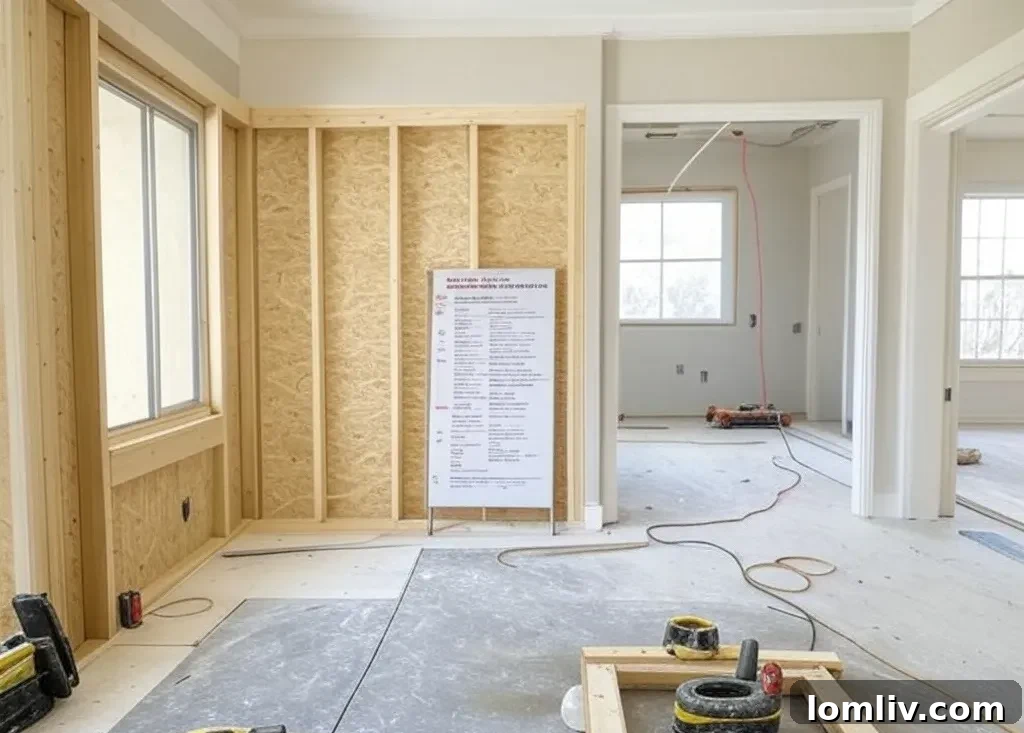
Embarking on a home renovation project is an exciting journey, promising increased comfort, enhanced functionality, and boosted property value. Whether you’re dreaming of a modern kitchen, a spa-like bathroom, or a complete home overhaul, the end result can be truly transformative. However, the path to achieving your dream space often comes with its fair share of challenges: noise, dust, disrupted routines, and a temporary sense of chaos. These disruptions, if not managed proactively, can quickly turn an exciting project into a stressful ordeal. But with meticulous planning, effective strategies, and the right mindset, you can navigate your home renovation with minimal stress and maintain a sense of normalcy. This comprehensive guide will equip you with the essential insights and practical tips to ensure your renovation journey is as smooth and enjoyable as possible, allowing you to live comfortably even amidst the construction.
1. Lay the Groundwork: Set Clear Expectations and a Detailed Work Schedule
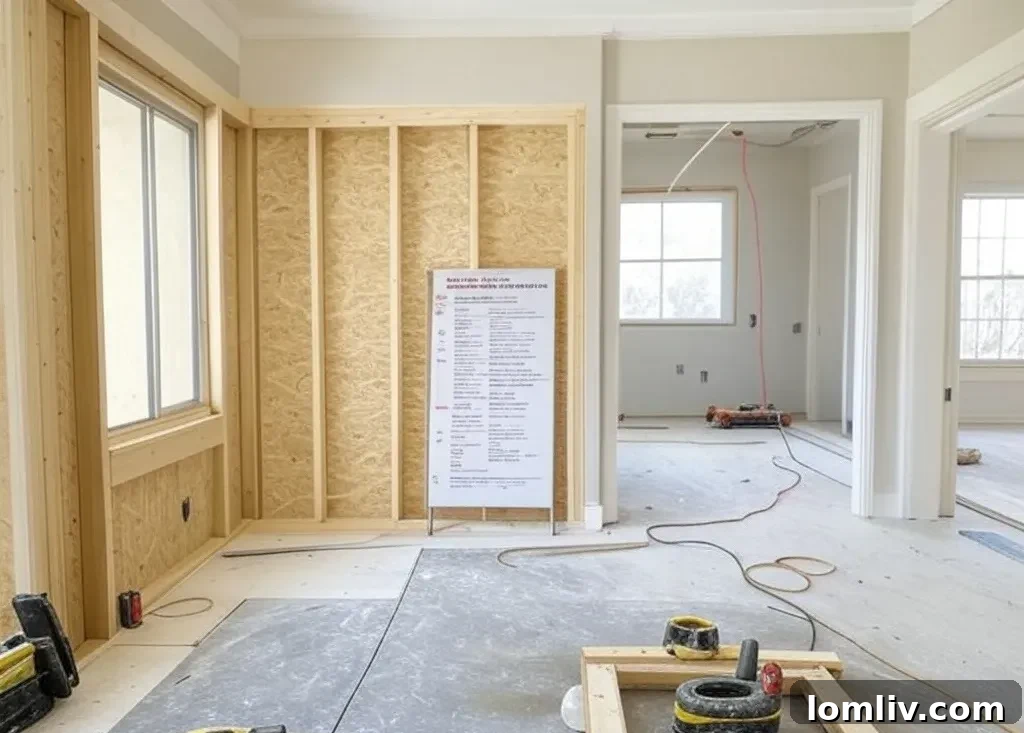
The foundation of a successful and less disruptive renovation lies in transparent communication and a well-defined plan with your chosen home remodel contractor. Before the first hammer swings, dedicate time to an in-depth discussion about every aspect of the project. This pre-construction meeting is crucial for aligning expectations and establishing a clear roadmap, enabling you to anticipate potential issues and plan your daily life around the work.
Key Strategies for Setting Expectations:
- Comprehensive Project Schedule: Demand a detailed schedule outlining every phase, from demolition to final touches. This should include projected start and end dates for major milestones, material delivery timelines, and inspection points. Understanding this timeline will help you prepare for specific periods of high activity or noise.
- Define Scope and Deliverables: Ensure the contract clearly specifies all work to be performed, materials to be used, and the quality of finishes. Ambiguity here can lead to costly delays and disputes.
- Financial Transparency: Discuss payment schedules, contingency funds for unexpected issues (typically 10-20% of the project cost), and how change orders will be managed.
- Contingency Planning: Brainstorm potential delays, such as adverse weather, unexpected structural issues, or material supply chain disruptions. Work with your contractor to develop backup plans for these scenarios. This proactive approach minimizes panic when unforeseen challenges arise.
- Understand Working Hours: Clarify the contractor’s typical working hours, including weekends or evenings if applicable. Knowing when workers will be present helps you adjust your personal schedule and manage noise expectations.
- Permits and Regulations: Confirm that all necessary permits have been obtained and that the project complies with local building codes. Your contractor should handle this, but it’s vital for you to be aware.
2. Create a Functional Temporary Living Space

When major areas like your kitchen or primary bathroom are undergoing renovation, daily life can become incredibly challenging. Setting up a well-thought-out temporary living space is essential for maintaining your routine and comfort. This minimizes interruptions and keeps frustration at bay.
For Kitchen Remodels:
The kitchen is often the heart of the home, so its absence requires creative solutions for meal preparation. Designate a temporary “mini-kitchen” in another room, such as a dining room, basement, or garage. Focus on functionality and ease of use.
- Essential Appliances: Gather small, versatile appliances like a microwave, toaster oven, electric kettle, coffee maker, and a portable induction burner or slow cooker. An outdoor grill can also be a lifesaver for larger meals.
- Storage Solutions: Use temporary shelving, plastic bins, or an unused dresser for storing pantry items, utensils, and basic cookware.
- Dishwashing Alternatives: Minimize washing by using disposable plates, cups, and utensils. If you prefer reusable, set up a wash basin or use a utility sink if available. Some families opt for a cooler with ice to keep perishable items.
- Meal Planning: Plan simple, easy-to-prepare meals that require minimal cooking. Think sandwiches, salads, pre-made meals, or slow-cooker recipes. Consider utilizing meal delivery services or dining out occasionally as a treat.
For Bathroom Remodels:
Loss of a bathroom can be inconvenient, especially in single-bathroom homes. Planning ahead ensures everyone has access to necessary facilities.
- Utilize Other Bathrooms: If you have multiple bathrooms, designate an alternative for family use. Clearly communicate its availability and any temporary rules.
- Friend/Neighbor Support: Arrange to use a neighbor’s or friend’s bathroom during critical periods, such as when your only shower is out of commission. Offer to reciprocate the favor.
- Portable Restrooms: For extensive remodels or homes with only one bathroom, consider renting a clean, well-maintained portable restroom. While not glamorous, it provides a crucial convenience.
- Temporary Washing Stations: Set up a temporary washing area with a basin, towels, and toiletries in another room if shower access is limited.
3. Implement Robust Protection for Your Home and Belongings

Renovations, by nature, generate significant dust, debris, and potential for accidental damage. Protecting your furniture, electronics, and cherished valuables is paramount to avoid headaches and costly repairs after the project is complete. Dust can infiltrate every corner of your home, settling on surfaces and potentially harming sensitive equipment.
Comprehensive Protection Measures:
- Seal Off Work Areas: Use heavy-duty plastic sheeting, painter’s tape, or purpose-built “zip walls” to create impermeable barriers between the construction zone and living areas. This acts as a physical shield against dust and prevents its spread. Seal off air vents in the work area to prevent dust from circulating through your HVAC system.
- Cover Everything: Drape furniture, artwork, light fixtures, and electronics with thick plastic sheets or old blankets. Secure covers tightly with tape to prevent dust from creeping underneath. Consider moving smaller, valuable items to off-site storage or a sealed-off room.
- Floor Protection: Lay down protective coverings like heavy-duty cardboard, corrugated plastic, or thick canvas drop cloths over all flooring that workers will traverse. This protects against scratches, spills, and heavy foot traffic.
- Air Quality Management: Invest in high-quality air purifiers with HEPA filters for rooms adjacent to the construction zone. These can significantly reduce airborne dust particles, improving air quality and protecting your respiratory health.
- Professional Dust Control: Discuss advanced dust prevention measures with your contractor. Some professionals utilize negative air pressure systems, which create a vacuum in the work area, effectively trapping dust within the zone.
- Daily Cleanup Routine: Encourage your contractor to maintain a clean work site, sweeping up debris at the end of each day. A clean site is safer and prevents dust from accumulating excessively.
4. Prioritize and Maintain Your Daily Routine for Well-being

While some disruptions are unavoidable, clinging to a sense of routine can be a powerful antidote to renovation stress. Maintaining regularity in your daily schedule provides a feeling of control and normalcy amidst the temporary chaos, benefiting your mental and physical health. Humans thrive on predictability, and renovations can severely challenge that.
Effective Strategies for Routine Maintenance:
- Consistent Sleep Schedule: Go to bed and wake up at roughly the same time each day, even if noise levels fluctuate. A good night’s sleep is vital for managing stress and maintaining energy.
- Scheduled Meal Times: Despite temporary kitchen arrangements, try to eat meals at regular times. This helps regulate your body and provides structure to your day.
- Dedicated Work Zones: If you work remotely, establish a designated, quiet workspace away from the primary construction zone. Invest in noise-canceling headphones to minimize distractions during important calls or focused work periods. Communicate your “quiet hours” to your contractor.
- Regular Exercise: Incorporate physical activity into your routine. This could be a morning walk, a gym visit, or an online workout. Exercise is an excellent stress reliever and mood booster.
- Plan for Breaks and Outdoors: Intentionally schedule breaks to step away from the renovation environment. Spend time outdoors, visit a local park, or run errands to get a mental refresh and escape the noise and dust.
- Family Time: Even if your home feels like a construction site, make an effort to maintain family traditions and quality time. Movie nights in a temporary living room or outdoor activities can help reinforce family bonds.
5. Ensure the Safety and Comfort of Kids and Pets

Home renovations can be a source of confusion, fear, and discomfort for the youngest members of your family and your beloved pets. The unfamiliar sounds, smells, and presence of strangers can be overwhelming. Prioritizing their safety and emotional well-being will significantly reduce stress for everyone involved.
For Kids:
Children thrive on understanding and routine. Open communication and a safe environment are key.
- Honest Explanation: Explain the renovation process in simple, age-appropriate terms. Let them know what’s happening, why it’s happening, and that it’s temporary. Reassure them that their home is being improved.
- Designated Play Area: Create a secure, comfortable, and dust-free play zone far from the construction site. Stock it with their favorite toys, books, and activities. Ensure it’s clearly defined as an off-limits area for construction workers.
- Maintain Routine: Stick to regular meal times, nap times, and bedtime routines as much as possible. Predictability helps kids feel safe and secure.
- Involve Them (Safely): Depending on their age, you might involve them in safe aspects, like choosing paint swatches or helping with minor cleanup after the workers have left and the area is safe. This gives them a sense of ownership.
- Plan Outings: Schedule regular trips to parks, museums, or playdates to provide a break from the construction environment.
For Pets:
Animals are highly sensitive to changes in their environment. Their stress can manifest in behavioral issues. Prioritize their calm and safety.
- Secure Sanctuary: Keep pets in a separate, quiet room or a designated area away from the construction zone. Ensure this space has their bed, food, water, and favorite toys. Clearly communicate to the crew that this area is off-limits.
- Consider Boarding or Pet-Sitting: For particularly sensitive pets, or during the most disruptive phases of the renovation (e.g., demolition), consider temporary boarding with a trusted facility, a pet-sitter, or having them stay with friends or family.
- Gradual Introduction: If your pet must remain in the house, gradually introduce them to the new sounds (e.g., playing construction sounds at a low volume beforehand) and smells (e.g., new materials).
- Extra Walks and Playtime: Provide additional exercise and mental stimulation to help them burn off nervous energy.
- Comfort Items: Ensure they have familiar bedding, toys, and blankets that carry their scent to provide comfort and security.
- Veterinary Consultation: If your pet exhibits extreme stress, consult with your veterinarian for advice on calming techniques or mild sedatives if necessary.
6. Maintain Robust and Regular Communication with Your Contractor

While initial planning sets the stage, ongoing, proactive communication is the lifeline of a smooth renovation project. Open dialogue with your contractor prevents misunderstandings, ensures the project stays on track, and allows for swift resolution of any issues that arise. Consider your contractor a partner in this endeavor, and foster an environment of trust and transparency.
Essential Communication Points:
- Establish Communication Channels: Agree on preferred methods of communication (e.g., daily brief check-ins, weekly longer meetings, email for detailed questions, text for quick updates) and expected response times.
- Daily Check-ins: Schedule a brief daily check-in (perhaps 10-15 minutes) at the beginning or end of the workday. This is an opportunity to review progress, discuss any immediate concerns, and confirm the plan for the next day.
- Work Hours and Noise Levels: Reconfirm expected work hours and discuss any periods of particularly loud or disruptive work so you can plan accordingly (e.g., for remote work, naps for children).
- Schedule Updates: Request regular updates on the project schedule, including any potential delays due to unforeseen circumstances or material deliveries. Be understanding but firm about needing timely information.
- Material Deliveries and Installation: Stay informed about when major materials are expected to arrive and when specific installations (e.g., cabinets, countertops) are scheduled. This helps you coordinate access and prepare your home.
- Addressing Challenges: Discuss a clear protocol for handling unexpected challenges – whether it’s uncovering an old plumbing issue, a material defect, or a design change you wish to make. Who makes decisions? How are costs approved?
- Feedback and Concerns: Feel comfortable voicing any concerns or providing feedback throughout the process. It’s better to address small issues early than to let them escalate.
- Documentation: Keep a running log of all communications, especially decisions made, changes approved, and any issues raised. This can be invaluable if discrepancies arise.
7. Prioritize Self-Care and Relaxation During the Renovation

Living through a home renovation can be an incredibly stressful experience. The constant noise, mess, and disruption can take a toll on your mental and emotional well-being. It’s crucial not to underestimate this impact and to actively schedule time for self-care and de-stressing activities. Think of it as investing in your own resilience.
Effective Ways to De-Stress and Recharge:
- Strategic Breaks and Getaways: Plan a short vacation or weekend getaway, especially during the most intensive or disruptive phases of the renovation (e.g., demolition, major structural work). A change of scenery can provide much-needed respite.
- Visit Friends or Family: Spend quality time with loved ones at their homes. Temporarily escaping the construction zone and enjoying a normal, settled environment can be incredibly refreshing.
- Indulge in Simple Pleasures: Don’t sacrifice all your personal joys. Treat yourself to activities you love – go out to your favorite restaurant, enjoy a spa treatment, watch a movie at the cinema, or spend an afternoon reading at a quiet coffee shop.
- Mindfulness and Meditation: Dedicate a few minutes each day to mindfulness exercises or meditation. Even short sessions can help calm your mind and reduce feelings of overwhelm.
- Outdoor Activities: Spend time in nature. Go for walks, hikes, or bike rides. The fresh air and natural environment can be incredibly therapeutic.
- Set Boundaries: Feel empowered to set boundaries with the construction crew regarding noise levels, access to certain areas, or even your need for quiet periods. Your home is still your sanctuary.
- Stay Social: Don’t isolate yourself. Continue with your social activities, even if it means meeting friends outside your home. Maintaining social connections provides emotional support.
8. Cultivate Patience, Stay Focused on the Vision, and Celebrate Milestones

Even with the most meticulous planning, home renovations are rarely without their unexpected twists and turns. Delays, unforeseen issues, and minor frustrations are almost inevitable. Cultivating a mindset of patience and maintaining focus on your ultimate goal will be crucial for navigating these challenges gracefully and preserving your enthusiasm for the project.
Tips for Staying Positive and Motivated:
- Revisit Your Vision: Keep your design inspiration boards, architectural renderings, or mood boards easily accessible. When things get tough, look at these reminders of the beautiful space you are creating. Visualize the finished product and how it will enhance your life.
- Celebrate Progress, Big and Small: Don’t wait for the grand reveal to celebrate. Acknowledge and appreciate every bit of progress – the completion of demolition, the framing going up, the installation of new windows, the first coat of paint. Each milestone is a step closer to your dream home.
- Embrace Flexibility: Understand that renovation timelines are often estimates. Be prepared for adjustments and don’t get overly fixated on rigid deadlines. Flexibility will reduce your stress levels.
- Perspective is Key: Remind yourself that the inconvenience, noise, and mess are temporary. The discomfort will pass, but the value, comfort, and joy your renovated home brings will last for many years to come. Focus on the long-term benefits.
- Lean on Support Systems: Talk to friends or family who have undergone renovations. They can offer empathy, advice, and reassurance that the struggles are normal and the outcome is worth it.
- Document the Journey: Take photos and videos throughout the process. This not only serves as a record but also allows you to see the significant transformation your home is undergoing, providing a sense of achievement and progress.
Final Thoughts: Transforming Your Home with Grace
A significant home renovation project, while a considerable undertaking, doesn’t have to completely derail your daily life. By embracing meticulous planning, fostering clear and consistent communication with your contractor, and proactively implementing strategies to manage disruptions, you can navigate the process with remarkable grace and minimal stress. Take the time to set up temporary living spaces, protect your belongings, maintain essential routines, and care for yourself and your loved ones. Remember to stay focused on the incredible vision you’re bringing to life and celebrate each step of the journey. The temporary inconvenience is a small price to pay for the lasting comfort, beauty, and value your newly transformed home will provide. Enjoy the process, anticipate the stunning results, and look forward to creating new memories in your enhanced living space.