TopMix Permeable: The Revolutionary Concrete Battling Urban Flooding and Enhancing Sustainability
In an era defined by increasing urbanization and the undeniable impacts of climate change, our cities face unprecedented challenges, particularly concerning effective stormwater management. Traditional urban landscapes, characterized by vast expanses of impermeable surfaces like asphalt and conventional concrete, exacerbate critical issues such as flash flooding, pervasive water pollution, and the depletion of vital groundwater reserves. However, amidst these growing concerns, innovative solutions are emerging from around the globe, promising a more sustainable and resilient future for urban environments.
One such groundbreaking innovation, developed by a pioneering U.K. firm, is a revolutionary water-absorbing concrete known as TopMix Permeable. This remarkable material is poised to fundamentally transform urban infrastructure, offering a powerful antidote to many of the hydrological challenges faced by modern cities. Its potential for widespread adoption, particularly in regions like the U.S., is not just desirable but urgently needed to address escalating environmental and infrastructural pressures.
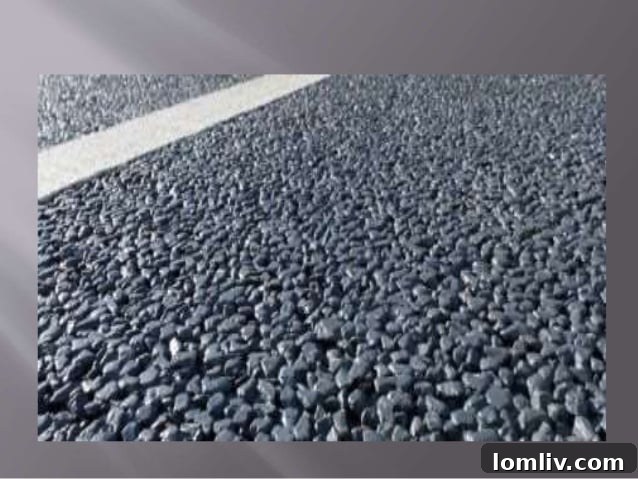
TopMix Permeable isn’t merely another type of concrete; it functions with the efficacy of a colossal, highly efficient sieve or sponge. Unlike conventional concrete that repels water and directs it into overloaded storm drains, this innovative pavement allows rainwater to drain directly through its specially engineered structure, channeling it back into the underlying ground. Inspired by traditional Indian models of rainwater harvesting and infiltration, TopMix Permeable demonstrates an extraordinary capacity to manage significant volumes of water. It boasts an ability to absorb upwards of 880 gallons of water per minute, showcasing its immense potential for flood prevention and proactive water conservation strategies.
Why Permeable Concrete is Crucial for Modern Urban Environments
The imperative for adopting advanced solutions like TopMix Permeable is becoming increasingly critical, especially in rapidly densifying urban infill areas. These flat, often overdeveloped zones are particularly susceptible to severe water pooling and widespread flooding during intense rainstorms. The consequences of such events are far-reaching, ranging from extensive property damage and significant disruption to daily life to serious environmental degradation. Permeable concrete offers a multifaceted and elegant solution to these pressing urban challenges, providing benefits that extend beyond mere flood control.
The technical specifications of TopMix Permeable underscore its remarkable capabilities:
- On average, TopMix Permeable can absorb an astounding 36,000 mm of water per hour. This truly staggering infiltration rate significantly surpasses the capacity of traditional drainage systems and surfaces.
- While the exact level of water absorption and subsequent infiltration into the ground can vary based on local climatic conditions, soil types, and specific installation parameters, its fundamental ability to manage substantial volumes of water remains consistently high across diverse environments.
- Many regions globally, including numerous areas across Texas and other U.S. states prone to heavy rainfall, stand to benefit immensely from the dramatic reduction in surface rainwater runoff, directly mitigating the risk of widespread localized flooding.
TopMix Permeable offers cities a powerful and proactive tool to better manage increasingly volatile and intense storm events. Witnessing its effectiveness firsthand, often demonstrated in compelling videos, provides a clear and tangible understanding of its transformative power. The technology promises a future where urban life doesn’t grind to a halt during a heavy downpour, and infrastructure actively contributes to the overall health and resilience of the environment.
Understanding the Mechanism: How TopMix Permeable Works Its Magic
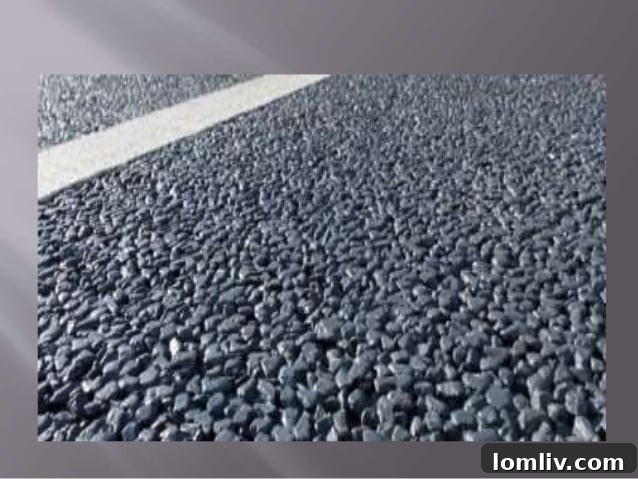
At its core, permeable concrete, including TopMix Permeable, is meticulously designed with a unique internal structure that incorporates a vast network of interconnected voids. Unlike dense traditional concrete, which typically uses fine aggregates and minimal void space, permeable concrete primarily utilizes coarse aggregates with little to no sand. This deliberate composition creates open pore structures that allow water to pass freely through the pavement surface and into a specially engineered sub-base layer. Within this sub-base, the water is either temporarily stored for gradual infiltration into the native soil below or directed towards an underground drainage system for controlled release.
This process is critically important for replicating natural hydrological cycles within urban environments, where human development has often severely disrupted them by creating vast swathes of impervious surfaces. The ability of permeable pavements to mimic natural infiltration helps restore a crucial ecological function.
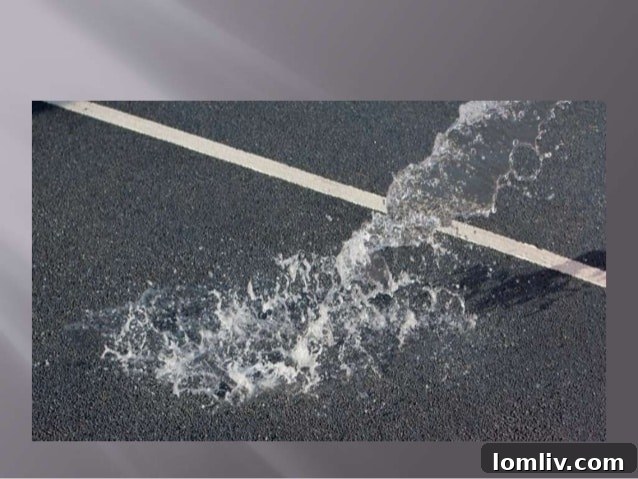
The operational benefits of this innovative process are extensive and far-reaching:
- Direct Soil Infiltration: By allowing water to pass through the surface, permeable concrete facilitates direct entry of rainwater into the underlying soil, actively recharging local aquifers and maintaining groundwater levels.
- Variable Infiltration Rates: While the general principle of infiltration is consistent, the actual rate at which water seeps into the native soil can vary from region-to-region. This variation depends on factors such as soil composition, existing groundwater levels, and the design of the underlying drainage infrastructure.
- Precise Measurement: This critical infiltration rate is a key metric, typically measured in millimeters per hour (mm/hr) or inches per hour (in/hr). Such precise measurements allow engineers and urban planners to accurately assess performance, tailor designs, and optimize installations for specific site conditions.
- Immediately Dry and Clean Surfaces: The rapid absorption of surface water ensures that pavements remain clean, dry, and free from puddles. This contributes to a more pleasant and functional urban environment.
- Enhanced Safety: Permeable surfaces create significantly safer parking areas, sidewalks, and low-traffic roads by eliminating standing water. This drastically reduces risks such as hydroplaning for vehicles and minimizes the formation of dangerous black ice in colder climates, enhancing pedestrian and vehicular safety.
- Effective Flood Prevention: A primary and undeniable benefit is the elimination of surface water accumulation. This effectively prevents localized flooding, reduces the stress on municipal storm drain systems, and helps mitigate flash flood risks.
Beyond Flood Control: The Environmental and Societal Impact of Permeable Pavements
The advantages of permeable concrete extend far beyond simple flood mitigation, offering profound and multifaceted positive effects on both the urban environment and the overall quality of life for city residents.
- Uninterrupted Urban Life and Economic Resilience: By preventing widespread pooling and flooding, permeable concrete ensures that urban life, commercial activities, and essential services can continue with minimal disruption even during heavy rainstorms. This significantly enhances urban resilience, reduces economic losses associated with weather-related delays, and improves overall urban mobility.
- Potent Pollutant Filtration: One of its most significant environmental contributions is its remarkable ability to filter petroleum hydrocarbons (such as oil and gasoline), heavy metals, sediment, and other pollutants from dirty road runoff. As rainwater percolates through the porous structure and the underlying aggregate layers, contaminants are naturally trapped, filtered, and often biodegraded. This crucial process prevents these harmful substances from reaching natural waterways, thereby protecting sensitive aquatic ecosystems and improving water quality.
- Groundwater Recharge and Ecological Balance: TopMix Permeable plays a vital role in uplifting and balancing natural groundwater levels. In many urban areas, groundwater supplies are severely strained due to excessive impervious cover preventing natural infiltration and increased extraction for various uses. Permeable pavements help reverse this trend, contributing directly to the replenishment of aquifers and promoting more sustainable regional water management.
- Mitigation of Urban Heat Island Effect: Traditional impervious surfaces in cities absorb vast amounts of solar radiation and then radiate this heat, contributing significantly to the “urban heat island” (UHI) effect. This phenomenon makes urban areas noticeably warmer than surrounding rural areas. By absorbing water and facilitating evaporative cooling, permeable concrete helps to cool urban surfaces. The presence of water within the pavement structure reduces surface temperatures, making urban environments more comfortable, reducing reliance on air conditioning, and lowering energy consumption for cooling.
- Improved Aesthetics and Support for Green Infrastructure: By efficiently managing stormwater onsite, permeable pavements can also support and enhance urban landscaping and broader green infrastructure initiatives. This allows for the integration of more natural, aesthetically pleasing elements into the built environment, fostering healthier and more attractive public spaces.
Applications and the Path Forward for Sustainable Urban Development
The versatility of TopMix Permeable and similar permeable pavement technologies makes them suitable for a wide range of urban applications. They are ideally suited for parking lots, residential driveways, pedestrian sidewalks and pathways, public plazas, low-volume roads, sports courts, and even residential streets where direct infiltration is highly beneficial. Their thoughtful implementation can serve as a cornerstone of modern urban planning, contributing significantly to comprehensive green infrastructure strategies aimed at creating healthier, more resilient cities.
While the initial installation cost of permeable pavements might sometimes be marginally higher than that of conventional concrete, the long-term savings in reduced stormwater infrastructure expenses, prevention of flood damage, and substantial environmental benefits often far outweigh the upfront investment. Proper installation, adhering to best practices, and periodic maintenance – such as occasional vacuuming to prevent pore clogging – are essential to ensure optimal performance and longevity of these systems over time. As technology continues to advance, permeable concrete is becoming increasingly robust, durable, and adaptable, further expanding its potential uses and making it an even more viable solution for diverse urban challenges.
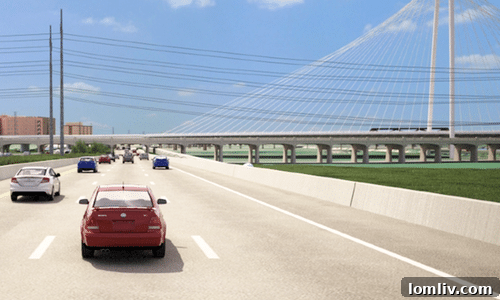
Consider the immense possibilities for major urban infrastructure projects. Could significant developments, such as the widely discussed Trinity Tollroad in Dallas, have integrated TopMix Permeable or similar technologies? Such an approach would not only provide essential transportation infrastructure but also profoundly enhance environmental resilience and revolutionize stormwater management, offering a truly holistic urban solution.
The widespread adoption of permeable concrete represents a crucial and transformative step towards creating more resilient, environmentally friendly, and ultimately, more livable cities for everyone. As global populations continue to grow and climate patterns undergo significant shifts, investing in intelligent, sustainable infrastructure solutions like TopMix Permeable will be paramount. These innovations are key to mitigating risks, conserving precious resources, and ensuring the long-term well-being and prosperity of future generations. It is time for cities worldwide to seriously consider, evaluate, and implement this game-changing technology, transforming potential floodwaters into a valuable resource for groundwater replenishment and fostering a cleaner, greener urban environment.