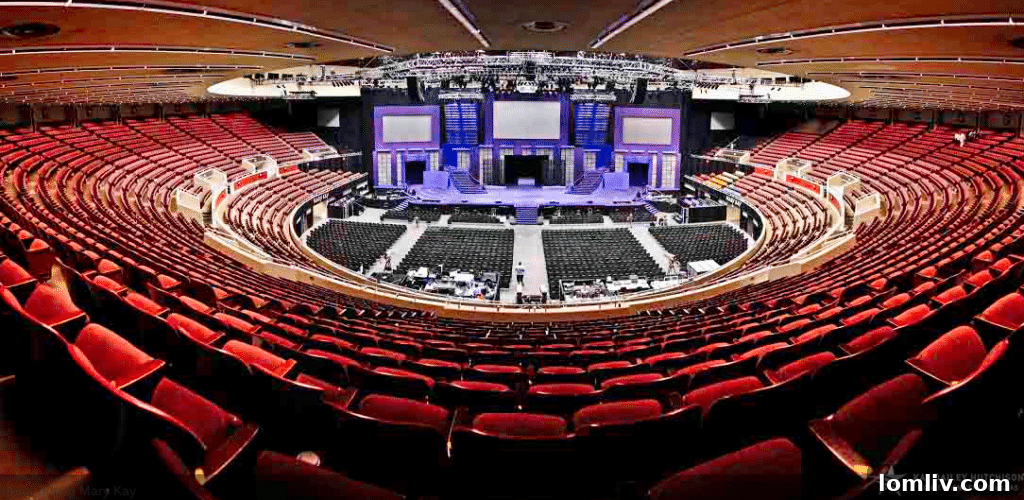
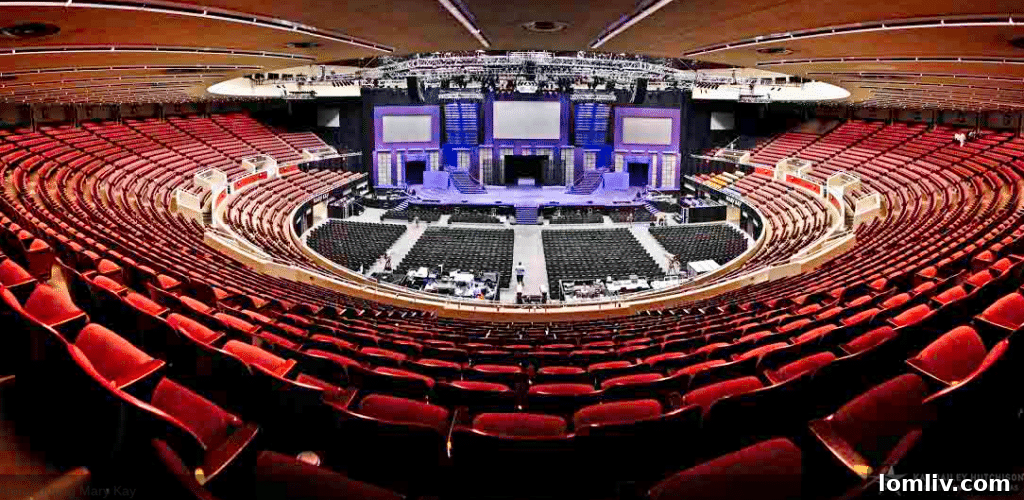
Dallas, a city continuously evolving and expanding its urban footprint, stands at the threshold of a monumental decision. The Kay Bailey Hutchison Convention Center, recently acclaimed as one of America’s finest, is the focus of a proposed $1.5 billion transformation. This ambitious initiative, which also encompasses vital upgrades to the historic Fair Park facilities, represents a strategic move to bolster Dallas’s status as a premier destination for commerce and tourism. This significant investment is contingent upon voter approval in a city-wide election scheduled for November 8.
The proposed expansion and modernization project aims to redefine Dallas’s competitive edge in the national and international convention market. The financial blueprint for this extensive renovation relies on a two percent increase in hotel occupancy taxes, a funding mechanism specifically designed to ensure that the costs are covered by visitors to the city, rather than its local taxpayers. The Dallas City Council formally adopted a resolution last month to officially call for this critical election, initiating a city-wide discourse on urban development, economic growth, and community integration.
While the proposal has garnered significant backing from a broad coalition of community leaders, business advocates, and civic organizations, it has also faced scrutiny. District 12 Councilwoman Cara Mendelsohn cast the sole dissenting vote during the council’s deliberation, citing a series of concerns. Mendelsohn expressed reservations about what she described as a flawed plan that inexplicably retains the oldest sections of the convention center building. She also highlighted the existing $200 million debt associated with the facility and voiced uncertainty regarding the future landscape and demand within the convention industry itself.
“We don’t know the true cost of this plan; there hasn’t been an independent analysis of the project,” Mendelsohn stated, emphasizing the need for greater transparency and a more thorough financial review. She further advocated for a comprehensive exploration of alternative uses for the extensive convention space and a deeper consideration of how the project integrates with and impacts the broader downtown area and its surrounding districts. Despite these detailed concerns, a powerful chorus of other community leaders firmly supports the initiative, seeing it as an indispensable step towards forging a vital and dynamic connection between the bustling downtown core and the flourishing southern segments of the city.
Unlocking Dallas’s Potential: A Blueprint for Economic Growth and Urban Integration
The proposed expansion of the Kay Bailey Hutchison Convention Center Dallas is envisioned as a powerful economic catalyst, capable of generating substantial growth across multiple sectors. This significant investment is not merely about upgrading a building; it’s about fortifying Dallas’s economic engine and ensuring its long-term prosperity. An expanded and modernized convention center is expected to attract a greater volume of larger and more prestigious events, from international trade shows to major corporate conferences and cultural gatherings. This influx of high-spending visitors directly translates into a considerable boost for the local economy.
The economic ripple effect will be far-reaching. Increased convention activity will drive demand for hotel accommodations, boosting revenues for the hospitality sector. Restaurants, retail establishments, entertainment venues, and local transportation services will all experience heightened patronage. This surge in economic activity is directly linked to robust job creation, not only within the convention and hospitality industries but also in a wide array of supporting services and construction trades. From the architects and builders constructing the new facilities to the event staff, chefs, service providers, and retailers, the project promises to create thousands of direct and indirect employment opportunities, fostering a thriving job market for Dallas residents.
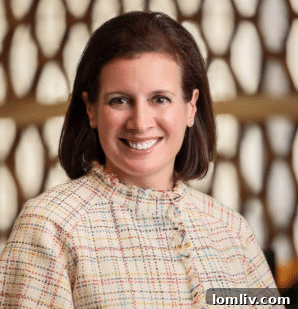
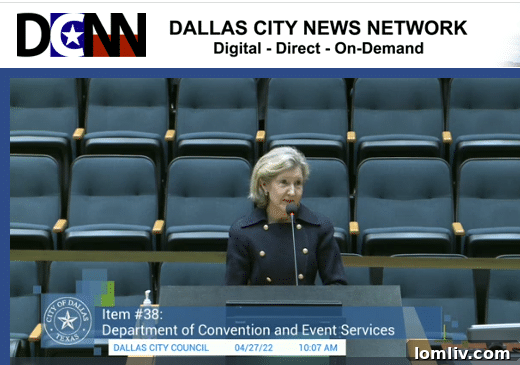
Kay Bailey Hutchison herself, the esteemed former U.S. Senator and the center’s namesake, passionately articulated the competitive imperative during her appearance before the Dallas City Council. “I’m for this expansion because I know what the competition is like,” she declared, drawing on her extensive experience and national perspective. Hutchison underscored the intense rivalry from convention centers across the country and within Texas itself. “We need to be competitive. We want to be the best. We want more visitors to come to our city,” she affirmed, linking the expansion directly to Dallas’s aspirations for national leadership. She also highlighted the significant multiplier effect of convention tourism: “When we have conventions, people come back and bring their families,” reinforcing the idea that initial visits often lead to repeat tourism and broader engagement with the city’s offerings.
Furthermore, officials have been diligent in emphasizing that the dedicated nature of hotel occupancy taxes ensures fiscal responsibility for Dallas residents. These specific tax revenues are legally restricted to tourism-related expenditures and cannot be diverted to fund general city services such as public safety, street repairs, or other municipal operations. This funding model means that the financial commitment for this transformative project is borne entirely by the visitors who benefit directly from the enhanced facilities, allowing Dallas to invest in its future without impacting the wallets of its citizens.
Fostering Connected Communities: Bridging Downtown with South Dallas and Fair Park
Beyond its economic impact, the proposed convention center expansion and Fair Park revitalization project is poised to achieve significant urban planning objectives, particularly in fostering greater connectivity and vibrancy across Dallas’s diverse neighborhoods. Jennifer Scripps, CEO of Downtown Dallas Inc., has been a key voice advocating for the project, highlighting how the Kay Bailey Hutchison Convention Center Dallas Master Plan is strategically designed to build upon and accelerate the momentum of over $4 billion in ongoing developments citywide. This includes a recent wave of high-profile corporate relocations, the emergence of four new signature parks, and a rapidly increasing population of residents who proudly call downtown Dallas their home and community.
“This is the result of decades of good planning policy,” Scripps asserted, underscoring the project’s foundation in well-considered urban strategies. She explained that reimagining the convention center aligns perfectly with Downtown Dallas Inc.’s strategic goals: to enhance urban mobility, develop complete and self-sustaining neighborhoods, and promote exceptional placemaking that creates inviting and engaging public spaces. Scripps expressed strong confidence that the project will achieve all these objectives, effectively leveraging private-planned developments and, critically, forging stronger, more seamless connections between previously distinct neighborhoods.
This vision for connectivity extends to tangible improvements in infrastructure and accessibility. The project is deemed vital for significantly improving pedestrian access, expanding critical open green spaces, strengthening transit connections for smoother commutes, facilitating strategic infill development to maximize urban density, and, naturally, substantially boosting cultural tourism. These integrated enhancements promise to enrich the city’s overall urban experience and foster a greater sense of community across Dallas.
The potential for positive community impact resonates strongly with local leaders. Pastor Donald Parish Sr. of True Lee Missionary Baptist Church, a lifelong resident deeply invested in the South Dallas Fair Park community, views the proposal as a profound opportunity. He foresees not only much-needed development and redevelopment for the historic 277 acres of Fair Park but also a significant ripple effect of prosperity reaching into the surrounding neighborhoods. Pastor Parish envisions a future brimming with new jobs, improved housing options, and an overall enhancement in the economic well-being and quality of life for the residents he serves, embodying the promise of inclusive growth.
However, a nuanced perspective from local real estate professionals adds an important layer to the discussion. Sharon Quist, a respected Realtor with Dave Perry-Miller Real Estate, acknowledges the immense potential benefits the project holds for Dallas as a whole. Yet, she wisely cautions that the direct positive impact on residential housing within the immediate vicinity remains to be fully realized. “The renovated and expanded convention center, the Fair Park renovations and its large new park area, and the proposed I-30 deck park are all needed and long-overdue improvements in the southern segment of the downtown area,” Quist remarked, affirming the strategic importance of these developments. She critically noted, however, that “Unfortunately, it is not clear whether those will improve residential housing in that area until improved infrastructure is added.” This highlights the crucial necessity for comprehensive urban planning that effectively integrates housing with essential support systems like transportation, utilities, and community amenities to ensure truly equitable development.
Fair Park’s Grand Renaissance: A Crown Jewel for Generations
The proposed $1.5 billion investment extends far beyond the convention center itself, intertwining its fate with the grand revitalization of Fair Park, a historic landmark and cultural treasure of Dallas. This dual-pronged initiative has garnered overwhelming support, with a powerful coalition of over 60 community leaders and nonprofit organizations unanimously endorsing the transformative plan. Their collective voice underscores a shared belief that this project represents not just an upgrade, but a critical, forward-looking investment in the city’s heritage and future.
District 7 Councilman Adam Bazaldua eloquently highlighted the monumental scale of the proposed investment in Fair Park, a site rich with history dating back to 1936. “In fact, this investment has the potential to total more than this city has invested cumulatively since it’s been built,” he proclaimed, underscoring the unprecedented nature of the financial commitment. Bazaldua characterized this as a “once-in-a-lifetime opportunity,” emphasizing its capacity to generate substantial economic growth for Dallas and, critically, to bridge existing divides between neighborhoods. He passionately articulated the innovative vision of leveraging such a significant opportunity to drive development and prosperity in the southern parts of the city, asserting that such an investment is “extremely innovative and well past due.”
Texas Representative Rafael Anchia (D-Dallas) echoed these sentiments, framing the approval of these upgrades as a “historic opportunity” to inject much-needed revenue and vitality into both Fair Park and the revitalized convention center. Speaking at the April 27 Dallas City Council meeting, Rep. Anchia projected significant financial returns, stating, “It’s going to mean about $300 million for Fair Park.” He elaborated on the cumulative impact, stating, “This, in addition to other revenue streams, is going to make this the crown jewel of our Dallas parks… This is Dallas’ time to shine. Big things are going to happen here.” This optimistic outlook underscores the belief that the project will elevate Fair Park to a premier destination, not just for conventions but also for residents and tourists alike, creating a vibrant cultural, recreational, and educational hub for generations to come.
A Pivotal Moment: Dallas’s Strategic Investment in a Brighter Future
The upcoming November 8 election represents a pivotal moment for Dallas, as voters weigh the merits of the proposed $1.5 billion investment in the Kay Bailey Hutchison Convention Center and the parallel revitalization of Fair Park. This comprehensive project transcends a simple facility upgrade; it embodies a strategic vision to solidify Dallas’s competitive advantage on a global stage, foster enduring economic prosperity, and cultivate a more connected, vibrant, and inclusive urban landscape for all its residents.
The modernized convention center is poised to become an even more powerful magnet for high-spending visitors, attracting larger, more prestigious conventions, trade shows, and cultural events. This anticipated influx will significantly boost various sectors, including hospitality, dining, retail, entertainment, and local transportation. The ripple effect will extend to a robust increase in employment opportunities, impacting everyone from construction workers to event planners, and from local restaurateurs to small business owners. The renewed energy brought by this development is expected to invigorate Dallas’s economic ecosystem.
Beyond the immediate economic benefits, the project directly addresses long-standing urban planning goals. By physically and functionally linking downtown Dallas with South Dallas and Fair Park, the initiative seeks to dismantle historical barriers and foster a more integrated and cohesive city. This enhanced connectivity is expected to stimulate further development in historically underserved areas, creating new opportunities for businesses and residents alike. Improved pedestrian pathways, strategically designed open spaces, and better transit options will fundamentally transform the experience of moving through and interacting with these vital urban segments, fostering a greater sense of community.
While Councilwoman Mendelsohn’s concerns regarding the true cost, existing debt, and the evolving nature of the convention industry are valid points for public discourse and careful consideration, proponents contend that the master plan is designed with adaptability and future-proofing in mind. They argue that the existing debt is a manageable component of a larger, strategically beneficial financial plan. Moreover, the fundamental commitment to fund the project through visitor-generated hotel taxes alleviates any direct financial burden on Dallas residents, presenting a fiscally responsible approach to comprehensive urban development.
The transformation of Fair Park into a “crown jewel” of Dallas parks, as enthusiastically envisioned by leaders like Rep. Anchia, promises to deliver not only a stunning recreational and cultural asset but also a powerful draw for both residents and tourists. The projected $300 million investment for Fair Park, in addition to other revenue streams, signals a renaissance for this historic site, ensuring its continued relevance and vibrancy for generations to come. This synergy between a state-of-the-art convention center and a revitalized Fair Park creates an unparalleled value proposition for Dallas, offering an exceptional experience for visitors and instilling a renewed sense of civic pride among its citizens.
As the decision looms, Dallas voters are presented with a momentous choice. This vote transcends a mere investment in infrastructure; it is about charting a definitive course for Dallas’s future—one that embraces ambitious growth, champions community integration, and reaffirms its status as a dynamic, forward-thinking metropolis. The expansion of the Kay Bailey Hutchison Convention Center and the revitalization of Fair Park stand as powerful testaments to Dallas’s enduring spirit of innovation and its unwavering commitment to creating a city that thrives for all.