Designing for Tomorrow: Insights from the CNU Congress on Walkable Cities and Human-Centered Urbanism
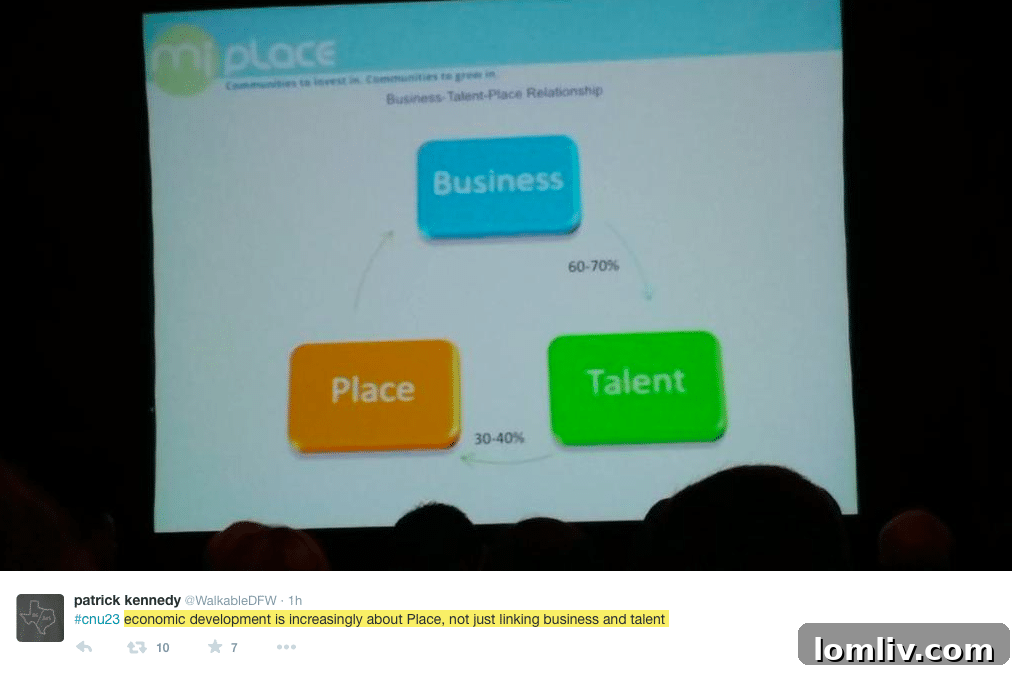
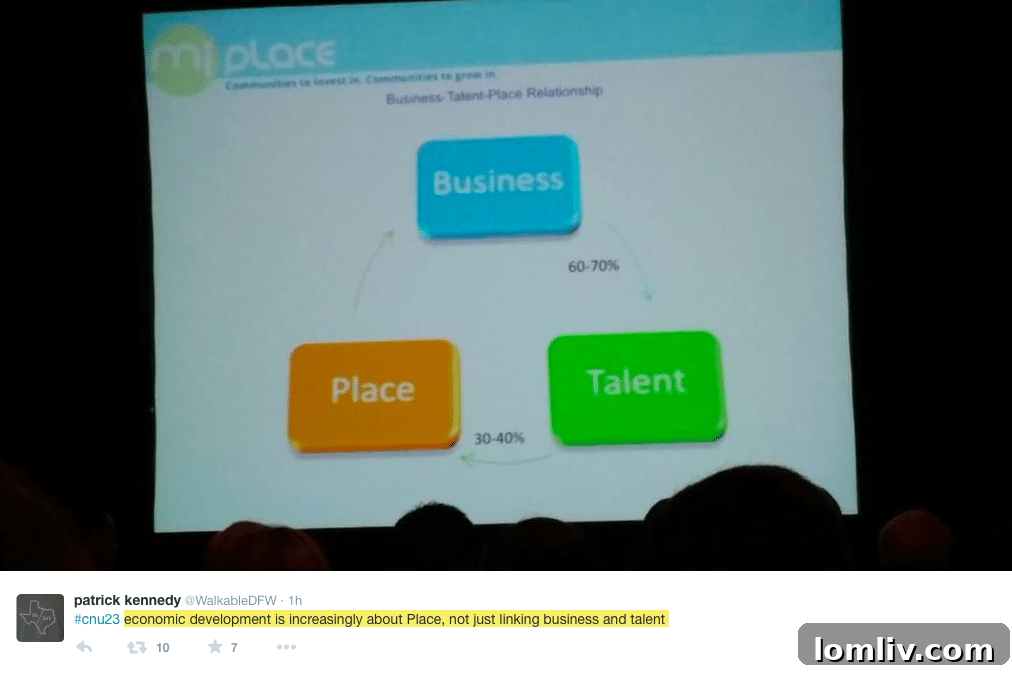
The 23rd Annual Congress for the New Urbanism (CNU 23) convened in Dallas, bringing together a diverse group of urban designers, planners, and community leaders. This influential gathering, often described as a collection of visionaries who share a common, profound understanding of urban potential, highlights the critical need for cities that prioritize human experience. While their progressive ideas on city design might sometimes be met with skepticism, many of these concepts resonate deeply, particularly with younger generations, as simple common sense. It’s truly inspiring to witness so many dedicated individuals passionately working to transform our urban landscapes into vibrant, beloved places that foster connection and well-being.
The Essence of Urban Life: What Makes a City Thrive?
The Opening Plenary of CNU 23 was notably enriched by the insightful contributions of Gail Thomas. She captivated the audience with a retrospective, presenting video snippets from over a decade of the Dallas Institute for Humanity’s symposium, aptly titled “What Makes a City.” Through the voices of global thought-leaders, a powerful consensus emerged on the fundamental elements that define and invigorate urban environments. These included profound ideas such as:
The harmonious blend of architecture and poetry, creating an aesthetic and emotional resonance within urban spaces; the unique and evolving character of a place, shaped by its history, culture, and people; the interconnectedness of urban form and process, where design should actively facilitate community gatherings and interactions. There is a deep, innate human yearning for central city spaces that allow us to simply exist and immerse ourselves in the authentic life of the city, fostering genuine experiences. Cities must provide accessible venues where people can freely share ideas, engage in meaningful dialogues, and forge connections. Ultimately, a truly great city nourishes love and helps us rediscover the profound meaning of being human, cultivating empathy and collective well-being.
Inspired by Gail Thomas’s vision, the concept of “Dallas: The City of Imagination” resonates strongly. This notion encapsulates Dallas’s unique spirit where dreams can often be translated into reality. Unlike more established metropolises where one might feel like a tiny cog in a vast machine, Dallas offers an environment where individuals can make a significant impact. This “can-do” business culture, perhaps stemming from a quintessential Texan cowboy spirit, empowers residents and entrepreneurs to pursue ambitious projects and shape the city’s future with remarkable agility and optimism.
Local Leadership and the Power of Community Engagement
Following this inspiring introduction, Robert Wilonsky skillfully moderated a session featuring two dynamic local leaders: Mayor Betsy Price of Fort Worth and Mayor Laura Maczka of Richardson. Both shared invaluable insights and practical strategies that have proven effective in engaging their respective resident and business communities, offering a blueprint for successful urban governance.
The Art of True Listening and Inclusive Engagement
Above all, Mayor Price emphasized the critical importance of “true listening” – an often-underestimated art that involves not just hearing, but genuinely processing both positive feedback and constructive criticism. This deep understanding allows leaders to discern priorities, save invaluable time, energy, and financial resources by addressing community needs proactively. Fort Worth has pioneered innovative programs, such as “Steer Ft Worth,” which actively engages young leaders. The overwhelming turnout of hundreds of residents under 30 at their first happy hour at Joe T Garcia’s highlighted a simple yet profound truth: no one had ever truly asked them to be involved. Furthermore, Fort Worth’s commitment to inclusivity was showcased when staff hosted the first all-Spanish Twitter town hall, a groundbreaking initiative that remarkably garnered 43,000 followers, demonstrating the immense power of reaching out to diverse linguistic communities.
Empowering Elected Officials for Brave Decisions
A significant takeaway from both mayors was their earnest plea for citizens to equip their elected officials with the necessary tools to be courageous in their decision-making. They urged the public to actively share information on best practices in urban planning and design, providing compelling arguments for what constitutes sound development and vibrant neighborhoods. By fostering an informed citizenry that proactively supports progressive urban policies, communities can empower their leaders to make impactful choices that might otherwise be perceived as politically risky.
Modern Amenities with a Small-Town Feel
Both Fort Worth and Richardson are consciously striving to evolve into modern, amenity-rich cities while meticulously preserving the cherished small-town charm that defines them. The provision of robust amenities is increasingly recognized as a cornerstone of neighborhood attractiveness, appealing not only to young urbanites seeking car-free lifestyles but also to families in suburban areas. Today’s suburban residents desire walkable access to trails, expansive parks, diverse transit options, local retail, and vibrant social hubs. This shift underscores a broader demand for integrated, human-centric living environments that offer convenience, community, and a high quality of life, regardless of their location within the metropolitan area.
The Millennial Influence: Shaping Future Cities
The demographic landscape of the United States is undergoing a profound transformation, significantly influenced by 63 million Millennials, who, as Todd Zimmerman of Zimmerman/Volk Associates aptly puts it, are moving through society “like a pig in a python.” This substantial cohort is now entering a life stage that signals the next major bulge in the housing market, extending from 2003 to 2036, driven by marriage and family formation. A pivotal question arises: will this generation opt for traditional detached housing, or will they continue to seek walkable urban environments that minimize reliance on multiple cars? The answer will largely depend on crucial factors such as the quality of local schools and the availability of affordable workforce housing. Even in the close-in suburbs of Dallas, finding a decent home under $300,000 remains a formidable challenge, often putting homeownership out of reach for essential professionals like young school teachers and city employees.
Millennial Lifestyles and Urban Preferences
Millennials are largely characterized by distinct lifestyle choices and values. They are predominantly single, highly social, often in the early or unsettled stages of their careers, and acutely sensitive to “greenwashing,” actively embracing environmentally conscious practices themselves. Notably, 17 percent of Millennials are foreign-born, contributing to a rich cultural tapestry. Their interests diverge significantly from previous generations; they show less enthusiasm for activities such as NASCAR, golf, driving cars extensively, hunting, or fishing (though the latter two might vary somewhat in Texas). These preferences translate into a strong demand for vibrant, interactive urban spaces that support public transportation, active mobility, and community engagement over car-dependent suburban sprawl.
The Unmet Demand for Walkable Neighborhoods
Empirical data consistently reinforces these trends. Between 2003 and 2013, four distinct opinion polls revealed that a substantial 55-60 percent of Americans express a desire to live in compact, pedestrian-oriented neighborhoods. This preference intensified by 2014, with a striking 62 percent of Millennials specifically seeking this lifestyle. Clearly, the demand for walkable urbanism significantly outstrips the current supply, creating a pressing need for urban planning and development to adapt to these evolving preferences.
Prioritizing Pedestrian Safety in Street Design
The pursuit of walkable neighborhoods inevitably brings to light critical discussions surrounding street design, particularly concerning safety. The “Dangerous by Design 2014” interactive analysis by Smart Growth America starkly mapped pedestrian fatalities between 2003 and 2012, revealing alarming patterns across the country.
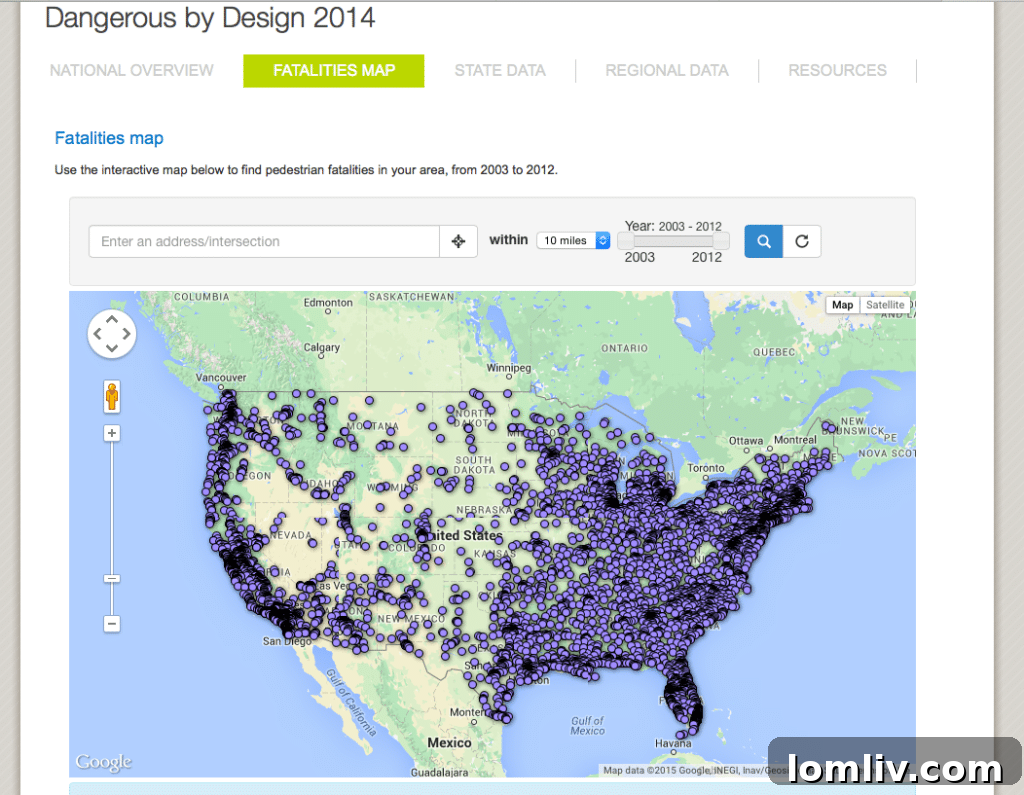
This comprehensive analysis unequivocally demonstrates that when streets are primarily engineered for maximum vehicular speeds, the safety and well-being of pedestrians are gravely neglected. This raises a fundamental ethical question: when does human life, and indeed the quality of life, truly become the paramount priority in urban planning? The statistics are unequivocal and sobering:
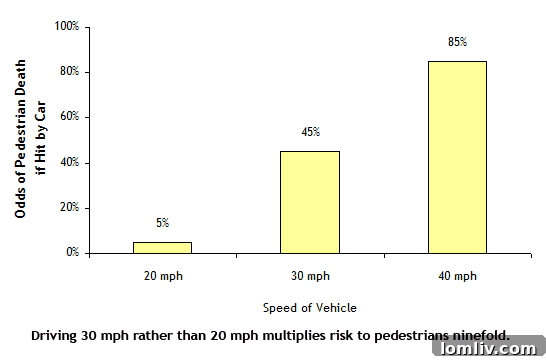
A person’s chance of fatality if struck by a car increases dramatically with even small increases in vehicle speed. This compelling data underscores the urgent need for a paradigm shift in street design, moving away from car-centric models towards designs that inherently protect vulnerable road users and foster safer, more humane urban environments.
Transforming DFW Neighborhoods Through Collaborative Design
To tangibly demonstrate how these progressive urban design concepts translate into real-world applications within the Dallas-Fort Worth (DFW) metroplex, CNU brought together three distinguished planning teams. These external professionals collaborated with local experts to conduct in-depth analyses of specific sites in Burleson, Garland, and Fort Worth.
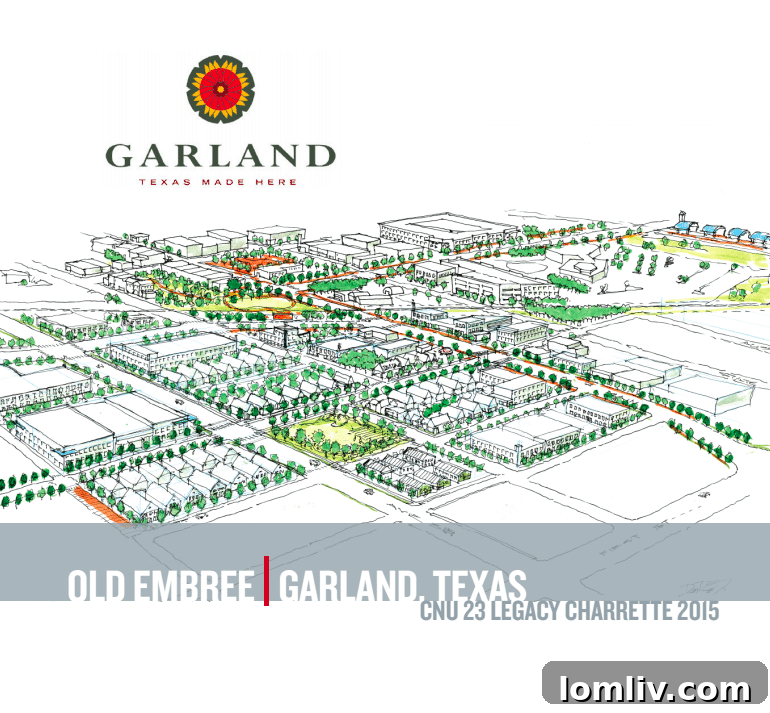
The chosen sites were selected strategically, based on the strong political leadership within those localities, significantly increasing the likelihood of proposed plans being implemented. These impactful projects reflect CNU’s unwavering commitment to leaving a lasting positive impression on each city they visit for their annual congress. In Dallas, this forward-thinking program inspired the Local Host Committee to launch an ongoing Local Legacy Partnership project in South Dallas, collaboratively working with Frazier Revitalization Inc and Partners in Progress. This initiative aims to foster sustainable community development and empower residents through thoughtful, integrated planning.
The tangible results of these transformative Legacy Charettes were showcased at a public reception in the Adolphus Lobby, providing an invaluable opportunity for community members and urban enthusiasts to engage directly with the proposed visions for their neighborhoods.
Crowdus Park: A Temporary Urban Oasis in Deep Ellum
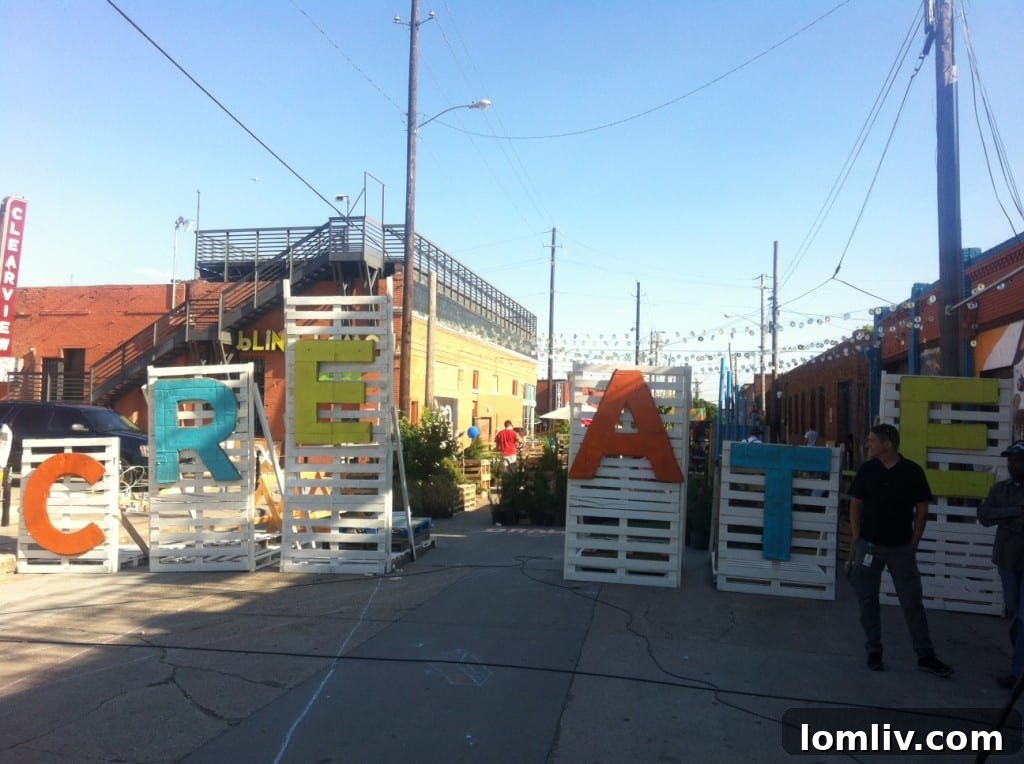
For those who hadn’t yet experienced it, the temporary Crowdus Park in Deep Ellum (video linked here) offered a delightful surprise. This innovative pop-up park, a collaborative masterpiece by architecture and design firms Collision and TBG, was brought to life with the incredible support of an army of dedicated volunteers. Functioning as a vibrant urban oasis, it remained active through the weekend, hosting live musicians throughout the evenings and featuring a captivating movie showing at sunset. The local news outlet WFAA extensively covered the previous night’s events, highlighting the success and community engagement fostered by this tactical urbanism initiative. Further details and updates were readily available on the dedicated Crowdus Park Facebook page, ensuring broad public access to information about this exciting temporary installation.
Hands-On Community Building and Collaboration
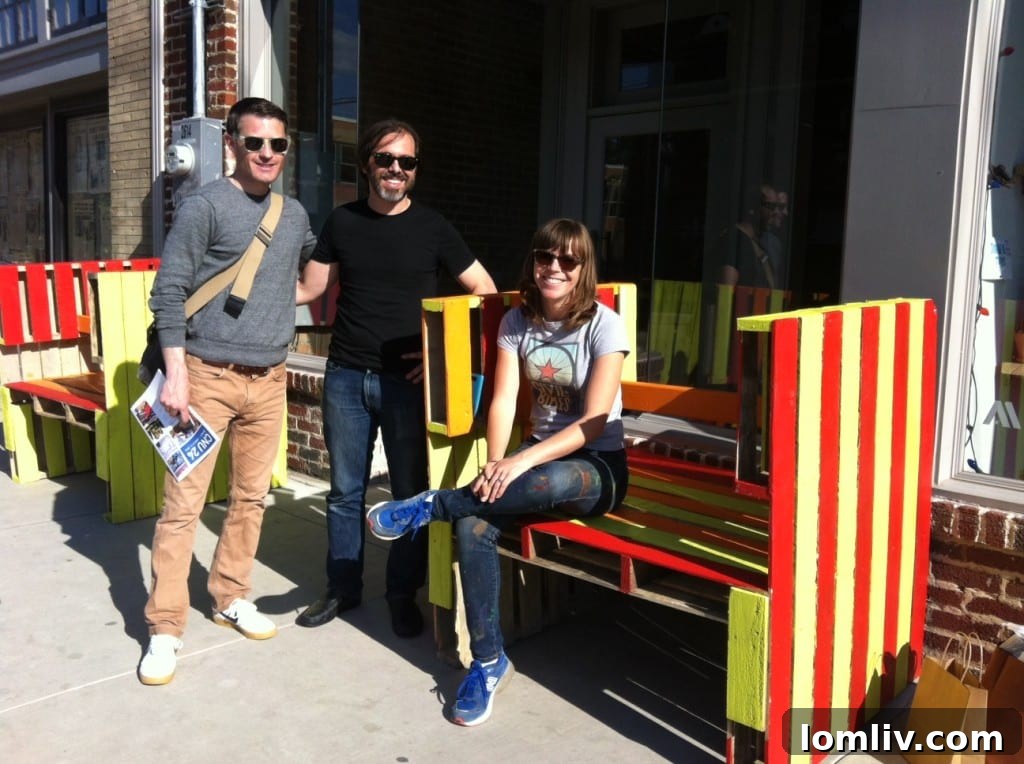
The spirit of active participation and hands-on urbanism was further exemplified by workshops led by figures like Mike Lydon, Tony Garcia, and Julie Flynn of the Street Plans Collaborative. Their efforts, such as guiding participants in building benches from repurposed pallets, showcased how simple, collaborative projects can directly contribute to creating more functional and aesthetically pleasing public spaces. Such initiatives not only enhance urban environments but also foster a strong sense of ownership and community pride among residents, demonstrating that urban transformation can be both accessible and deeply engaging.