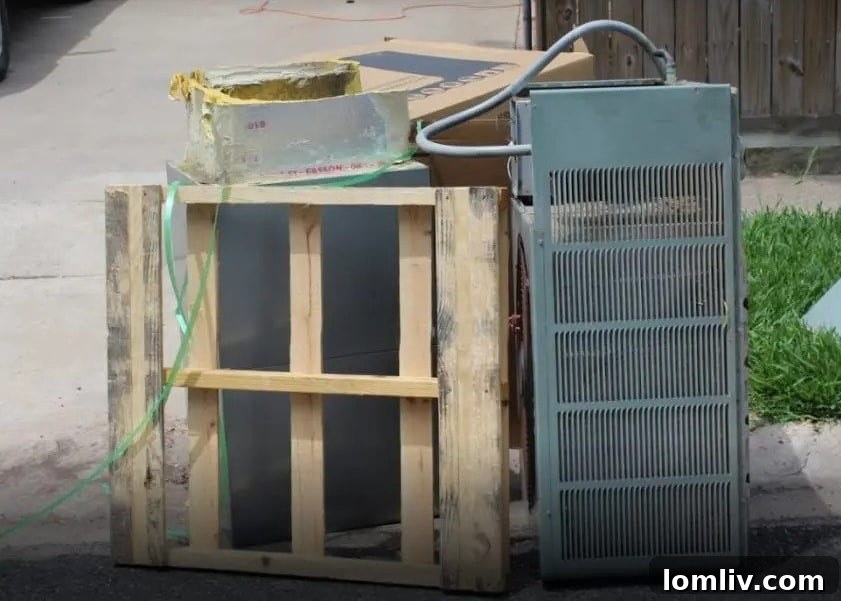
As the intense heat of summer stretches on, especially in regions like North Texas, your air conditioning system isn’t just a luxury—it’s an absolute necessity. Week after week, it works tirelessly to keep your home a cool oasis amidst scorching temperatures. While we might dream of pumpkin spice lattes and cooler autumn breezes, the reality is that our AC units are still going strong, working overtime to combat the relentless summer sun. This continuous operation puts significant stress on your HVAC system, making diligent maintenance more crucial than ever.
We’ve previously emphasized the importance of giving your AC a little extra tender loving care, but there’s always more to learn about ensuring its optimal performance. A well-maintained air conditioner not only provides consistent comfort but also operates more efficiently, saving you money on energy bills and extending its lifespan. Neglecting your system can lead to costly repairs, diminished air quality, and even complete system failure at the worst possible time. Let’s delve deeper into essential AC maintenance tips to keep your home comfortable, healthy, and energy-efficient as summer winds down and beyond.
Decoding the Frozen HVAC-sicle: Why Your AC Unit Freezes
One of the most alarming sights for any homeowner during a heatwave is discovering their outdoor or indoor AC unit completely frozen solid. An “HVAC-sicle” is a clear sign that something is amiss within your system and requires immediate attention. This phenomenon occurs when the evaporator coils inside your indoor unit get too cold, causing moisture in the air to freeze onto them. While it might seem counterintuitive for an AC to freeze when it’s supposed to be cooling, it usually points to an issue that prevents proper heat transfer or airflow.
The most common culprit behind a frozen AC unit is a severely dirty air filter. A clogged filter restricts the flow of air over the evaporator coils. With insufficient warm air passing over them, the coils get excessively cold, dropping below freezing point. The moisture present in the air then condenses and freezes onto the coils, creating an insulating layer of ice. This ice further impedes airflow, creating a vicious cycle that reduces your system’s cooling capacity and forces it to work harder, consuming more energy.
However, dirty filters aren’t the only cause. Other factors contributing to a frozen AC include low refrigerant levels (often due to a leak), restricted ductwork, a malfunctioning blower motor that isn’t moving enough air, or even a problem with the thermostat. When your AC freezes, the immediate action should be to turn off the unit and allow it to thaw completely. Operating a frozen unit can severely damage the compressor, leading to extremely expensive repairs or even requiring a full system replacement. Once thawed, inspect your air filter and replace it if dirty. If the problem persists, or if you suspect refrigerant leaks or mechanical failures, it’s imperative to call a certified HVAC professional to diagnose and fix the issue. Regular filter changes—monthly during peak usage or every 1-3 months otherwise—are your first line of defense against this common and damaging problem, ensuring your system breathes easy and performs optimally.
Beyond the Attic: Comprehensive Care for Your AC Unit
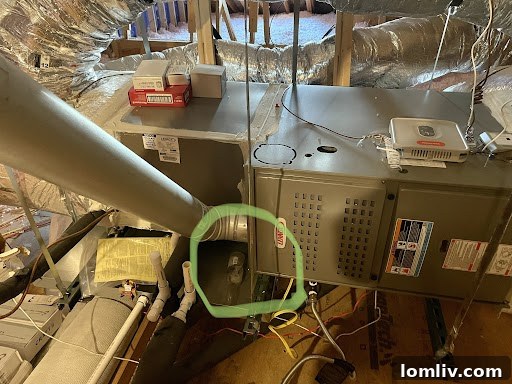
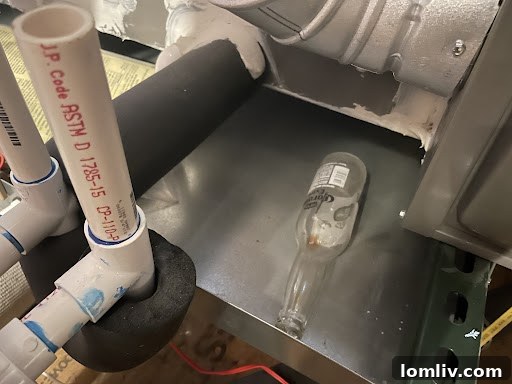
Sometimes, our air conditioning units are tucked away in less-than-glamorous spaces like the attic, making them easy to overlook. But these hard-working machines, whether indoor or outdoor, deserve consistent attention. Thinking about sharing a “cold one” with your AC unit might sound humorous, but it’s a playful reminder to actually spend some quality time inspecting and caring for it. Proper maintenance involves examining both the indoor evaporator unit (often in the attic or a utility closet) and the outdoor condenser unit.
For the outdoor condenser unit, visibility is key. Ensure the area immediately surrounding it is clear of all debris—leaves, grass clippings, weeds, and even overgrown shrubs. A minimum of two feet of clear space on all sides is ideal for proper airflow, which is critical for the unit to dissipate heat efficiently. Over time, the condenser coils can become caked with dirt and grime, hindering their ability to release heat. Carefully clean these coils using a soft brush or a gentle spray from a garden hose. Always ensure the power to the unit is turned off at the breaker before attempting any cleaning. Also, check the base of the unit for proper drainage, ensuring no standing water accumulates around it, which can lead to rust and other issues.
Moving indoors, the evaporator coil, often hidden in the air handler or furnace, also requires attention. While cleaning this coil is generally best left to professionals, you can inspect the condensate drain pan for standing water or signs of algae growth. A clogged drain pan can lead to water overflow, causing ceiling damage and promoting mold growth. Ensure the drain line is clear and flowing freely. Furthermore, check the insulation around the indoor unit and ductwork in the attic. Gaps or damage in insulation can lead to significant energy loss, especially in extreme temperatures. By regularly observing and addressing these aspects of your AC system, you contribute significantly to its efficiency and longevity, keeping your home consistently cool without undue strain on your wallet or the environment.
Unveiling Hidden Flaws: The Importance of Professional Inspections
When it comes to the complex world of HVAC systems, what “lies beneath” the surface can often dictate its long-term performance, efficiency, and safety. This is precisely why a professional home inspector, or a certified HVAC technician, is an invaluable asset, especially when purchasing a new property or after a significant installation. The example of an improperly installed unit, where critical flaws were completely hidden from plain sight, perfectly illustrates the need for expert eyes.
Many HVAC problems stem from faulty installation practices that are difficult, if not impossible, for the average homeowner to detect. Common improper installation issues include incorrect unit sizing for the home’s square footage, poor ductwork design leading to air leaks and uneven cooling, an improper refrigerant charge (too much or too little), or inadequate drainage solutions. These issues might not cause immediate system failure, but they silently contribute to reduced energy efficiency, premature wear and tear on components, and compromised indoor comfort. For instance, an improperly sloped condensate line tucked away beneath an attic unit can lead to standing water and subsequent mold growth long before any visible signs appear.
A thorough home inspection goes beyond cosmetic checks. It involves a detailed examination of major systems, including the HVAC unit, by someone trained to spot these hidden deficiencies. During an HVAC inspection, professionals will check refrigerant levels, electrical connections, thermostat calibration, condensate drainage, fan motor operation, and ensure proper venting and duct sealing. They can use specialized tools to detect leaks, measure airflow, and assess the system’s overall health and efficiency. Identifying and rectifying these “underneath” problems early can prevent catastrophic breakdowns, improve your system’s lifespan, and ensure your home remains safe and comfortable. Investing in regular professional tune-ups and inspections is not just about maintenance; it’s about safeguarding your investment and your family’s well-being against unseen issues that could otherwise lead to significant expenses and discomfort down the line.
@greenscenehome Looks OK from the outside, but upon closer inspection… #askahomeinspector #homeinspectionfinds #dfwhomeinspector #dallasrealestate
♬ original sound – Green Scene Home Inspections
Battling the Beast of “Moist”: Preventing AC-Related Mold
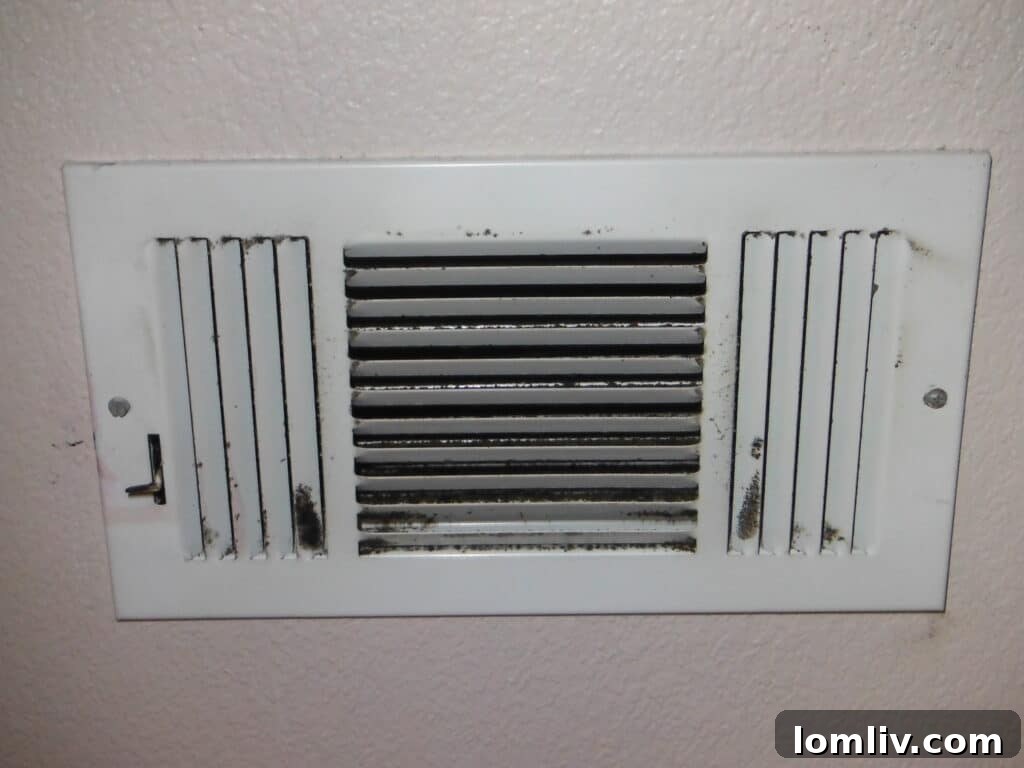
The word “moist” might send shivers down some spines, but for mold, it’s an invitation to thrive. And in an environment where your attic can hit sweltering temperatures of 120 degrees Fahrenheit while your living room remains a crisp 75, conditions are ripe for moisture formation and, consequently, mold growth. This drastic temperature difference, especially when combined with high humidity, creates condensation on cooler surfaces, providing the perfect breeding ground for mold spores that can severely impact your indoor air quality and structural integrity.
Moisture forms within your HVAC system when warm, humid air comes into contact with the cold surfaces of your evaporator coils, ducts, and vents. While some condensation is normal, and your AC system is designed to drain it away, excessive moisture signals a problem. The most common cause of abnormal moisture buildup is a clogged condensate drain line. This line is responsible for carrying away the water condensed from the air. When it gets blocked by algae, dirt, or debris, water backs up into the drain pan, which can overflow. Other culprits include damaged or improperly installed drain pans, compromised insulation on ducts or the air handler (leading to sweating), or even refrigerant leaks that cause the coils to become excessively cold.
It’s vital to keep a vigilant eye out for signs of moisture. Check around your vents, ceilings, and walls near the indoor unit for water stains, peeling paint, or a musty odor—all indicators of a potential leak or excessive humidity. If you spot any of these warning signs, it’s critical to act quickly. Ignoring persistent moisture can lead to widespread mold infestation, which not only poses significant health risks (respiratory problems, allergies, skin irritation) but also can cause costly damage to your home’s structure. Regular AC maintenance, including professional cleaning of the condensate drain line and inspection of insulation, is key to preventing moisture-related issues. If you identify a leak or signs of mold, contact a qualified HVAC technician immediately. They can diagnose the source of the moisture, repair any leaks, and advise on mold remediation, ensuring your unit operates efficiently and your home’s air remains clean and healthy.
As we transition from the dog days of summer, it’s tempting to think your air conditioner’s hard work is almost over. However, your poor AC still has a crucial role to play in keeping your home comfortable through the final weeks of intense heat and into the milder autumn days. The preventative measures you take now can significantly impact its performance and longevity. Remember, regular maintenance isn’t just about avoiding breakdowns; it’s about maximizing efficiency, extending the lifespan of your unit, and ultimately, saving you money.
Start with the simplest yet most effective step: changing those air filters. A clean filter ensures optimal airflow, preventing issues like frozen coils and reducing strain on your system. If it’s been a while since your last professional service—perhaps over a year—now is the perfect time to schedule a comprehensive system tune-up. A certified HVAC technician can perform a thorough inspection, clean coils, check refrigerant levels, calibrate thermostats, and identify any minor issues before they escalate into major, expensive problems. They possess the expertise and specialized tools to detect hidden issues, such as electrical inefficiencies or small leaks, that are beyond the scope of DIY maintenance.
It’s a simple economic truth: maintenance is always less expensive than emergency repairs, and repairs, no matter how substantial, are less costly than a full system replacement. Proactive care ensures your air conditioner runs smoothly, consumes less energy, and provides reliable cooling when you need it most. By investing a little time and effort into your AC’s upkeep, you’re not just preparing for the current season; you’re securing long-term comfort, healthier indoor air quality, and peace of mind for many summers to come. Don’t wait for a crisis; give your AC the attention it deserves today.