Transforming Your Home: A Comprehensive Guide to Modern Remodeling
By Michelle Lynne
President, ML Interiors Group
Are you contemplating a significant change for your living space? Perhaps you’re ready to remodel and transform your home into the sanctuary you’ve always dreamed of. The way we interact with our homes has fundamentally shifted in recent years. What was once primarily a place for living, eating, and sleeping has evolved into a dynamic, multi-purpose hub for our entire lives. Our homes now seamlessly integrate workspaces, fitness zones, relaxation retreats, and entertainment centers, demanding a level of versatility and functionality that many older properties simply weren’t designed for.
This paradigm shift underscores a growing need for spaces that not only accommodate our daily routines but also enhance our quality of life. Whether it’s carving out a dedicated home office, designing a serene yoga studio, or creating a vibrant space for family gatherings, the modern home must adapt to serve a myriad of purposes. This article will guide you through the exciting journey of home remodeling, exploring why it’s a smart choice for many homeowners and detailing the essential phases of a successful renovation project.

Buy, Sell, Or Remodel: Making the Right Choice for Your Lifestyle
In today’s dynamic real estate landscape, particularly in competitive markets like Dallas, homeowners often face a pivotal decision: should they buy a new house, sell their current one, or invest in a remodel? The Dallas housing market, for instance, currently presents a challenge with its limited inventory. While this can be advantageous for sellers, it leaves many prospective buyers struggling to find a home that perfectly aligns with their evolving needs and desires for their “new normal.” This scarcity often means compromising on location, size, features, or budget – compromises that can lead to dissatisfaction down the line.
This is where remodeling emerges as an exceptionally compelling and often superior alternative. Instead of navigating the stress and uncertainties of moving, a renovation allows you to sculpt your existing property into a dream home without changing your address. It offers unparalleled customization, ensuring that every square foot is tailored to your specific lifestyle, aesthetic preferences, and functional requirements. Imagine being able to add much-needed square footage to create a private home gym, a sophisticated home office, or even a dedicated creative studio. Or perhaps your vision involves a complete transformation of your kitchen into a gourmet haven, or your bathroom into a spa-like oasis where you and your family truly love spending time.
Beyond personalization, remodeling offers significant financial advantages. Strategic renovations can substantially increase your home’s market value, providing an excellent return on investment should you decide to sell in the future. Moreover, it allows you to stay in a neighborhood you love, keeping your children in their familiar schools and maintaining your established community ties. Choosing to remodel means investing in your present comfort and future equity, often at a lower overall cost and with less emotional upheaval than buying or selling.
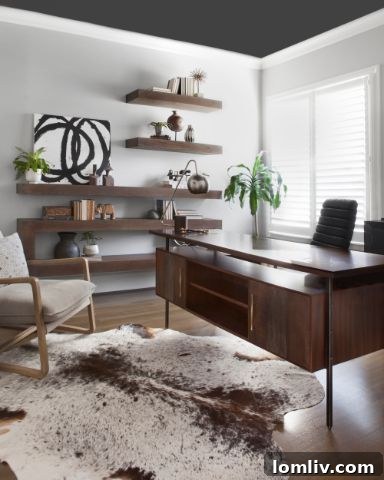
However, it’s crucial to approach any remodeling project with realistic expectations, especially concerning timelines. A well-executed renovation, particularly one that involves significant structural or design changes, takes time – often longer than popular television shows might lead you to believe. From initial design conceptualization to final installation, meticulous planning, expert execution, and careful coordination are essential. This is why starting sooner rather than later is always advisable when considering a project of this scale.
Engaging a professional interior designer or renovation specialist from the outset is an investment that pays dividends. These experts possess the knowledge and experience to thoroughly examine your space, understand your unique needs and budget constraints, and craft the most effective and aesthetically pleasing solutions. Their guidance can save you invaluable time, prevent costly mistakes, and ensure that the final outcome exceeds your expectations, delivering a truly harmonious and functional living environment.
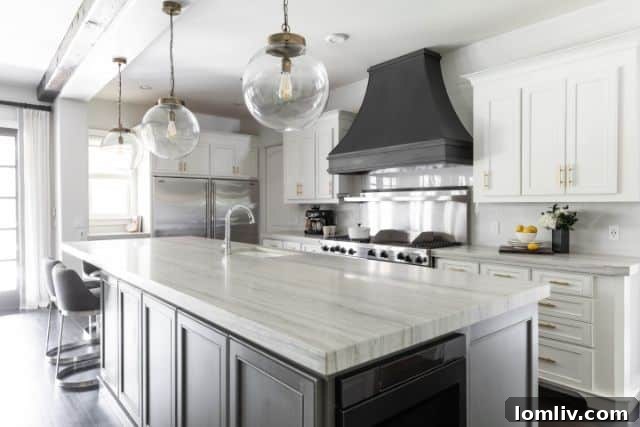
While every remodeling project is unique, they generally follow a structured, multi-phase process designed to ensure a smooth and successful transformation. Understanding these phases is key to managing expectations and appreciating the detailed work involved in creating your ideal space. Here are the four core stages of a comprehensive home remodel:
1. The Remodel Discovery Process: Laying the Foundation for Your Dream Home
Estimated Time: 2-4 Weeks
The discovery phase is the crucial starting point for any successful home renovation. It’s an in-depth exploration where your design team delves into the core functionality of the space you wish to address, truly getting to know you, your family, and your lifestyle. This isn’t just about superficial preferences; it’s about understanding how you live, work, and relax within your home. Key questions guiding this phase include:
- What is your personal style – modern, traditional, transitional, eclectic, or something entirely unique?
- What are your daily routines and how do they interact with your current space? (e.g., morning rituals, entertaining guests, family dinners, working from home, hobbies).
- What are your aspirations for the renovated space? How do you want it to feel and function?
- What is your realistic budget for the project, and are there specific brands or materials you love or wish to avoid?
- Which areas of your home are currently working well, and more importantly, which areas are causing frustration or limiting your lifestyle? Identifying these pain points is critical to designing effective solutions.
During this stage, your designer will often conduct initial site visits, take measurements, and discuss your long-term goals. They’ll inquire about your family structure, storage needs, technological requirements, and even your preferences for light and ambiance. This comprehensive understanding forms the bedrock upon which all subsequent design decisions will be built, ensuring that the final outcome is not only beautiful but also perfectly aligned with your functional and aesthetic desires.
2. The Remodel Design Development Phase: Bringing Concepts to Life
Estimated Time: 4-12 Weeks
Following the discovery phase, the design development stage is where creativity meets practicality. This period is dedicated to gathering all potential options, meticulously refining them, and creating a cohesive vision for your space. It’s a complex juggling act that demands extreme diligence and patience, as your designer works to ensure that every element coordinates aesthetically, functions exceptionally, and adheres strictly to your budget guidelines.
During this phase, designers develop detailed plans and concepts. This may involve creating mood boards, selecting materials (such as flooring, paint colors, wall coverings, fixtures, cabinetry styles, and hardware), and carefully planning furniture layouts to optimize flow and functionality. One critical aspect to understand is the “decorating domino effect” – changing one detail, even a seemingly minor one, can have a ripple effect on other design elements. For example, selecting a new flooring material might necessitate a change in wall color, furniture fabric, or even lighting temperature to maintain harmony and balance within the space. A professional designer expertly navigates these interdependencies, ensuring a cohesive and integrated final design.
Working with a professional designer offers invaluable benefits during this phase, providing you with sophisticated deliverables that empower informed decision-making and smooth execution:
- Construction Documents: Detailed drawings and specifications that serve as a blueprint for contractors, ensuring accurate execution and adherence to building codes.
- Lighting Plans: Strategic layouts for ambient, task, and accent lighting that enhance functionality, mood, and aesthetic appeal while optimizing energy efficiency.
- Elevations: Two-dimensional drawings that show the vertical surfaces of a room (walls, cabinetry, built-ins), offering a clearer visualization of how elements will appear in height and proportion.
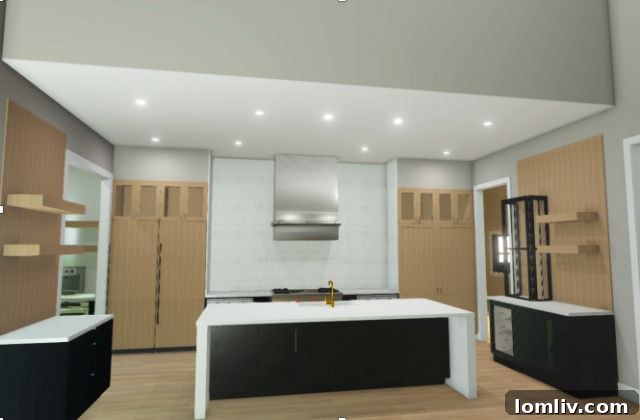
- 3D Renderings: Photorealistic computer-generated images that allow you to virtually “walk through” your renovated space before construction even begins, providing unparalleled clarity and confidence in the design choices.
These comprehensive deliverables are an exceptional advantage, ensuring that all details precisely meet your needs and expectations, and providing the contractor with the exact specifications and selections required for flawless implementation. This detailed planning minimizes surprises and streamlines the construction process.
3. The Remodel Procurement and Construction Phase: Bringing the Design to Life
Estimated Time: 4 Weeks – 4 Months (or more, depending on scope)
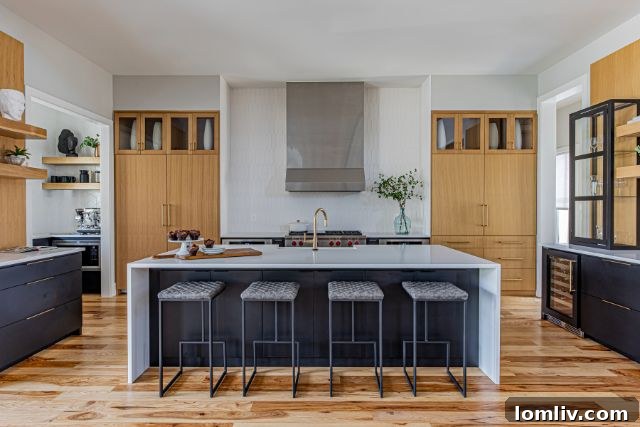
With a meticulously crafted design in hand, the project moves into the procurement and construction phase – the tangible execution of your vision. The duration of this phase is heavily determined by the size and scope of your remodel. A simple cosmetic refresh of a single room will naturally have a shorter timeline than a full-scale kitchen gut renovation or the addition of new square footage.
The procurement aspect involves the ordering and tracking of all materials, fixtures, and furnishings. This stage often requires foresight and careful management, as lead times for custom cabinetry, specialized appliances, unique tiles, or bespoke furniture can vary significantly and sometimes extend over several months. A skilled design team anticipates these challenges, placing orders strategically to minimize delays and ensure everything arrives on schedule for installation. This meticulous coordination helps prevent costly downtime on the construction site.
The construction portion is where the physical transformation takes place. This involves a sequence of detailed steps, typically including:
- Demolition: Removing existing structures and finishes.
- Framing: Establishing new wall structures or modifying existing ones.
- Rough-ins: Installation of new plumbing, electrical wiring, and HVAC systems behind walls.
- Insulation and Drywall: Preparing walls and ceilings for finishes.
- Flooring Installation: Laying down chosen floor materials.
- Painting and Finishing: Applying paint, wallpaper, or other wall treatments.
- Cabinetry and Millwork Installation: Setting custom cabinets, built-ins, and trim.
- Fixture Installation: Adding lighting fixtures, plumbing fixtures, and appliances.
While a proficient design team and general contracting team can make this complex process appear seamless, it involves constant communication, problem-solving, and coordination of multiple trades – electricians, plumbers, carpenters, painters, and more. There are always many “balls in the air” at any given time, from managing unexpected site conditions to addressing material shortages or weather delays. The expertise of your professionals in project management, quality control, and crisis resolution is paramount in keeping the project on track, on budget, and to the highest standards of craftsmanship.
4. The Installation and Punch List: The Grand Finale
Estimated Time: Varies
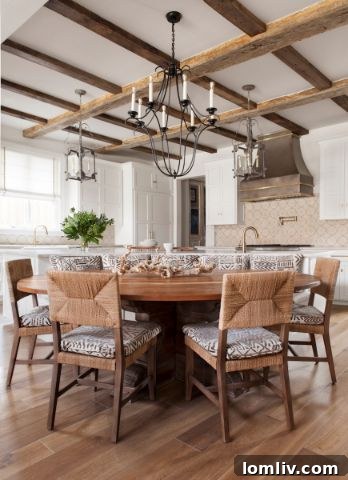
The final phases of installation and the punch list are the exciting culmination of months of planning and hard work. The installation is typically the “final push” to complete the project, often happening within a few intense days or weeks. This is when furniture is delivered and arranged, artwork is hung, window treatments are installed, and all the decorative elements are placed, bringing the entire design vision to life. This stage often feels like the grand reveal, where your house truly transforms into your dream home.
Following installation, the punch list phase begins. A punch list is a comprehensive document detailing any minor imperfections, touch-ups, or outstanding tasks that need to be addressed before the project is officially considered complete. This could include anything from a small paint touch-up, a door that needs adjusting, a missing piece of hardware, or a light fixture that isn’t working perfectly.
While the installation itself can be quick, the punch list process can vary in duration. This is precisely where the true value of professional designers and contractors shines. Their commitment to excellence means meticulously reviewing every detail, ensuring that every aspect of the project is addressed and completed to the highest standards. Following up on each item, coordinating necessary rectifications, and guaranteeing client satisfaction isn’t always easy, but it is absolutely essential for a truly successful and polished remodel. A professional team ensures that no detail is overlooked, leaving you with a home that is flawless and ready for you to enjoy.
Ready to embark on your own transformative home renovation journey? Don’t wait to turn your vision into reality. The sooner you start, the sooner you can begin enjoying your beautifully remodeled and highly functional space. An even better idea? Contact ML Interiors Grouptoday to get started and experience the difference that professional expertise and dedicated service can make for your next home project.