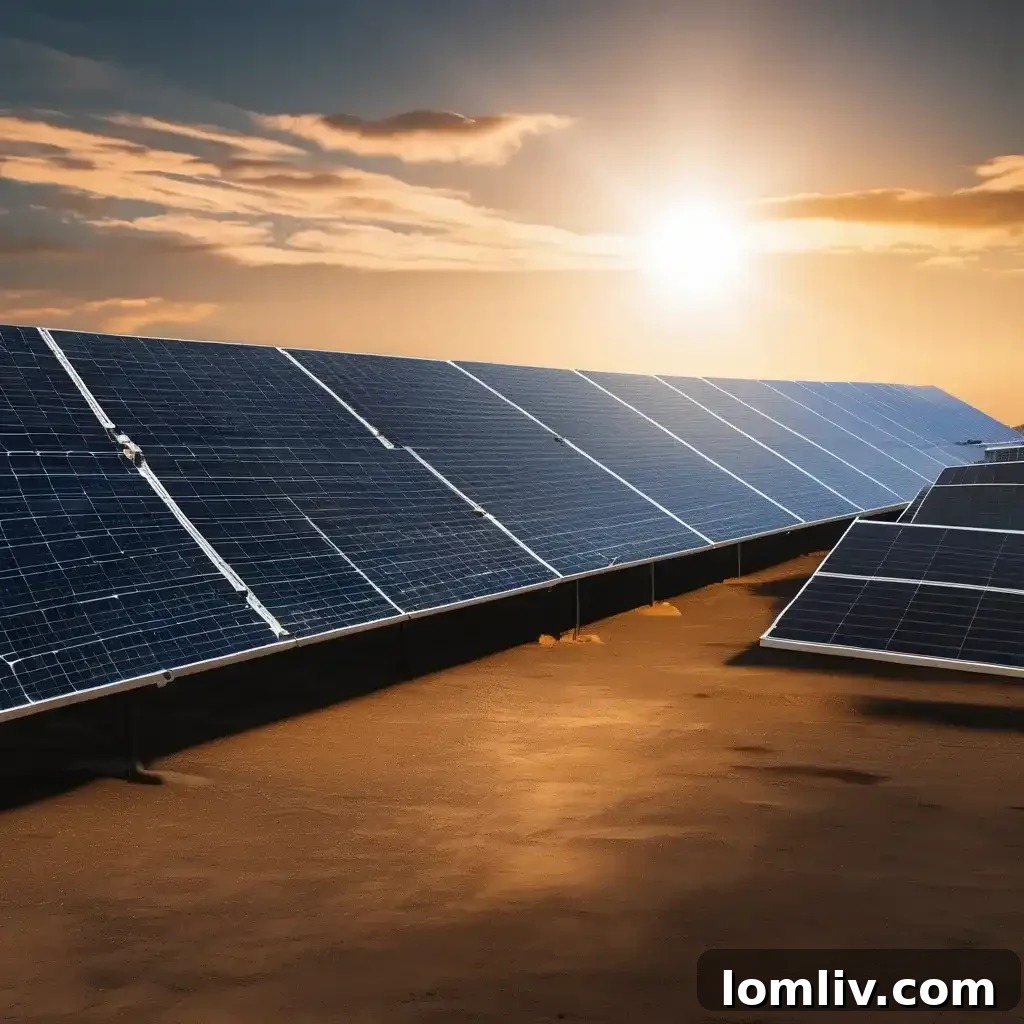
Texas, with its vast stretches of open land and abundant sunshine, presents an ideal environment for solar energy adoption. Homeowners across the Lone Star State are increasingly exploring solar panel roofs as a smart investment, offering a pathway to reduce soaring electricity bills and enhance property value. However, like any significant home improvement, going solar in Texas comes with its own set of upfront costs, maintenance considerations, and unique challenges dictated by the state’s diverse climate and energy policies.
Making an informed decision about solar panels in Texas hinges on a thorough evaluation of the long-term financial benefits against the initial installation expenses and potential limitations. Understanding the nuances of local weather patterns, prevailing energy policies, and roof suitability is crucial. This comprehensive guide aims to illuminate both the compelling advantages and the practical drawbacks of solar panel roofs, providing Texas homeowners with the clear, factual information needed to determine if solar technology aligns with their needs and financial goals.
From the sun-drenched plains of West Texas to the humid coastlines, the potential for solar power is undeniable. This article delves into the specific factors that make Texas a unique market for solar energy, covering everything from economic incentives to environmental impacts and the practicalities of installation and maintenance. By offering a balanced perspective, we hope to empower you to make the best choice for your home and your future.
Benefits of Solar Panel Roofs in Texas
Embracing solar energy in Texas offers a multitude of compelling advantages that extend beyond mere environmental consciousness. For homeowners, the benefits translate into substantial financial savings, a reduced carbon footprint, access to lucrative government incentives, and a significant boost in property value. These factors collectively make solar panel roofs an increasingly attractive and strategic upgrade for Texas residences.
Significant Energy Cost Savings
One of the most immediate and impactful benefits of installing solar panels in Texas is the profound reduction in monthly electricity bills. Texas is renowned for its generous sunlight hours throughout the year, making it an exceptionally efficient location for solar energy generation. Expert solar panel installers consistently highlight the state’s high solar irradiance as a primary driver for homeowners to produce a significant portion, if not all, of their own electricity.
The financial savings are further amplified by Texas’s deregulated energy market and the availability of net metering programs. These programs allow homeowners to sell any excess electricity their solar panels generate back to the grid. This credit effectively offsets the cost of electricity consumed from the grid when solar production is low, such as at night or on heavily overcast days. Depending on the system size, household energy consumption, and specific utility provider, homeowners can potentially see savings ranging from 50% to 70% on their utility bills, sometimes even more.
Beyond immediate bill reductions, solar panels offer invaluable price stability. By generating your own power, you become less reliant on the volatile and often fluctuating rates of traditional utility providers. This independence provides a hedge against future electricity price hikes, allowing for more predictable long-term budgeting. Over the lifespan of a solar energy system, which can exceed 25 years, these cumulative savings often surpass the initial installation cost, establishing a powerful long-term financial return on investment.
Positive Environmental Impact
Beyond the financial incentives, installing solar panels contributes significantly to environmental stewardship. Solar energy systems produce zero emissions during operation, meaning they do not release greenhouse gases or other harmful pollutants into the atmosphere. This directly helps in reducing a home’s carbon footprint, aligning with global efforts to combat climate change.
Texas, being a colossal energy consumer with a historical reliance on fossil fuels, stands to gain immensely from increased solar adoption. Every solar panel installed helps to decrease the state’s overall demand for electricity generated from nonrenewable sources like coal and natural gas. This shift reduces the emission of pollutants commonly associated with traditional power plants, leading to cleaner air and improved water quality across the state. These benefits are not just theoretical; they translate into tangible public health improvements and a healthier ecosystem.
Furthermore, solar power generation is notably less water-intensive compared to conventional power generation methods, which often require vast amounts of water for cooling and processing. Given Texas’s susceptibility to periodic drought conditions, the water conservation aspect of solar energy is particularly critical. By choosing solar, homeowners contribute to preserving precious water resources, making their homes part of a larger, sustainable future for Texas.
Lucrative State and Federal Incentives
The upfront cost of solar panel installation can be a significant hurdle, but various incentives are designed to make solar energy more accessible and affordable for Texas homeowners. The most impactful of these is the federal solar Investment Tax Credit (ITC). This robust federal incentive allows homeowners to claim a credit worth 30% of the total cost of their solar energy system, including equipment, installation, and permitting, directly against their federal income taxes. This credit is currently set to remain at 30% through 2032, making now an opportune time to invest.
While Texas does not have a state income tax, which means no state-level income tax rebates for solar, the state’s deregulated energy market opens doors for other types of incentives. Many local utility companies and municipalities across Texas offer their own distinct rebate programs, performance-based incentives, or grants to encourage solar adoption. These programs vary significantly by provider and geographic location within Texas, so it’s essential for homeowners to research what is available in their specific area. Examples include cash rebates per watt installed or performance payments based on energy generated.
In addition to direct financial incentives, Texas homeowners benefit from property tax exemptions. While solar panel installations can significantly increase a home’s market value, the added value from the solar energy system is often exempt from local property taxes. This means you can enjoy the enhanced value and reduced energy bills without incurring higher property tax assessments. Some progressive cities also offer streamlined permitting processes, reducing bureaucratic hurdles and making the installation journey smoother and faster for homeowners.
Increased Property Value
Investing in a solar panel roof not only reduces your monthly expenses but also substantially increases your home’s market appeal and resale value. Homes equipped with solar energy systems are highly attractive to prospective buyers, primarily because they offer the promise of significantly lower future energy expenses. Multiple studies and real estate analyses have consistently shown that homes with solar installations tend to sell faster and at higher prices compared to comparable non-solar homes in the same market.
The premium on resale value typically ranges from 3% to 5% of the home’s value, and in some high-demand markets, it can be even greater. This premium reflects the tangible energy savings, the reduced environmental impact, and the inherent value of energy independence that buyers perceive. In Texas, a state experiencing rapid population growth and increasing demand for modern, sustainable housing options, solar-equipped homes hold a distinct competitive edge in the real estate market.
Beyond the financial benefits, solar panels signal that a home has received modern upgrades and is equipped for future energy challenges. This blend of economic prudence and forward-thinking technology resonates strongly with today’s homebuyers. Properly installed and maintained solar systems are designed for longevity, often performing efficiently for 25 years or more, ensuring that the added value is not just immediate but enduring. This makes solar a smart long-term investment that pays dividends both during ownership and at the point of sale.
Drawbacks of Solar Panel Roofs in Texas
While the allure of solar energy in Texas is strong, a balanced perspective requires acknowledging the challenges and potential downsides. Homeowners must carefully consider the substantial upfront financial investment, the performance variability influenced by Texas’s unique and often extreme weather patterns, and the critical assessment of roof compatibility. These factors play a pivotal role in determining the overall feasibility and long-term satisfaction with a solar installation.
Substantial Upfront Installation Costs
The most significant barrier for many Texas homeowners considering solar energy is the initial financial outlay. The cost of purchasing and installing a complete solar panel system can be substantial, typically ranging from $15,000 to $30,000 or more before any incentives are applied. This comprehensive figure covers not only the solar panels themselves but also essential components like inverters, mounting hardware, electrical wiring, and the significant labor costs associated with professional installation and interconnection to the grid.
Even with the generous federal Investment Tax Credit (ITC) and potential local utility rebates, which can collectively reduce the out-of-pocket expenses by a considerable margin (up to 30% or more), the initial investment remains a significant sum. Homeowners with limited liquid capital or those who prefer not to take on additional debt may find this upfront price prohibitive, especially if they are unable to secure favorable financing options such as solar loans or leases. It is crucial to evaluate various financing models—from cash purchases to loans, leases, and Power Purchase Agreements (PPAs)—to find one that best fits your financial situation.
Furthermore, the long-term cost considerations extend beyond the initial installation. While solar panels are known for low maintenance, there are potential long-term expenses such as inverter replacements (typically every 10-15 years), occasional cleaning services, and possible repairs or upgrades. The payback period, which is the time it takes for the energy savings to offset the initial investment, can vary significantly, often stretching beyond 7-10 years. This timeframe might not appeal to all potential buyers, particularly those who anticipate moving homes within a shorter period.
Performance Variability Due to Texas Weather
Texas’s climate, while famous for its abundant sunshine, also presents specific challenges that can impact the performance and longevity of solar panel systems. Solar panels operate optimally in direct sunlight, but the state experiences a range of weather phenomena that can reduce efficiency or cause physical damage.
Cloud cover, which can range from scattered cumulus to extensive storm systems, directly reduces the amount of sunlight reaching the panels, leading to temporary dips in energy production. More critically, Texas is known for its severe weather events. Hailstorms, particularly prevalent in certain regions like North Texas, pose a significant threat. While modern solar panels are designed to be highly durable and resistant to impact, extremely large or prolonged hailstones can still cause physical damage, necessitating costly repairs or replacements. Regular cleaning is also essential, especially in dry, dusty environments characteristic of much of Texas. Dust, pollen, and other debris can accumulate on panel surfaces, significantly reducing their efficiency if not removed periodically, adding to the system’s upkeep efforts.
Paradoxically, extreme heat, a staple of Texas summers, can also decrease panel efficiency. Solar panels operate best at cooler temperatures; as the temperature rises above optimal operating ranges (typically around 77°F or 25°C), their efficiency slightly declines. This means that during the hottest months, when electricity demand is highest for air conditioning, the energy production of solar panels might dip slightly, affecting overall returns. Homeowners should also consider how solar systems can integrate with battery storage solutions to provide resilience during grid outages, especially in the wake of events like Winter Storm Uri, where prolonged power losses highlighted the need for energy independence.
Roof Compatibility and Structural Limitations
Not every roof in Texas is an ideal candidate for a solar panel installation. Several critical factors must be assessed to ensure both the system’s efficiency and the structural integrity of your home. These factors include the age and material of your roof, its pitch (angle), and its orientation relative to the sun.
An older roof may require repairs or even a complete replacement before solar panels can be installed. Most reputable solar installers recommend that a roof have at least 10-15 years of remaining useful life to avoid the costly process of removing and reinstalling panels just a few years after initial setup. Certain roofing materials, such as wood shakes, slate, or some types of clay tiles, are less suitable for mounting hardware due to their fragility or specific installation requirements, which can complicate the installation process and increase costs. Conversely, asphalt shingles and metal roofs are generally more compatible.
The orientation and pitch of your roof are paramount for maximizing energy production. In the Northern Hemisphere, south-facing roofs receive the most direct sunlight throughout the day, making them ideal. East or west-facing roofs can still be viable but will produce less energy. North-facing roofs are generally considered unsuitable for primary solar installations due to significantly reduced sun exposure. Furthermore, shading from nearby trees, chimneys, or adjacent buildings can drastically reduce a system’s effectiveness, making careful site assessment crucial. Finally, the structural integrity of your roof is non-negotiable. Solar panels add substantial weight, along with increased wind load, to the roof. A professional engineering assessment is always required to confirm that your existing roof structure can safely bear the additional stress. If not, costly roof reinforcements may be necessary, which further adds to the overall project expense and complexity.
Additional Considerations for Texas Homeowners
Beyond the primary benefits and drawbacks, Texas homeowners contemplating solar energy must delve into several practical and regulatory considerations. These nuanced factors can significantly influence the project’s overall cost-effectiveness, the system’s long-term durability, and the homeowner’s satisfaction. Understanding these aspects early in the planning process is key to a successful solar investment.
Navigating Local Regulations and Permits
The regulatory landscape for solar panel installations in Texas can be complex and varies considerably from one municipality to another. Homeowners must understand that while federal and state incentives provide a broad framework, local city and county zoning laws often dictate specific limitations on panel placement, aesthetic requirements, and even height restrictions. For instance, some historic districts may have more stringent guidelines to preserve architectural integrity.
Permit requirements also differ widely across Texas. Most areas will mandate obtaining both electrical and building permits before any installation work can commence. Failing to secure the necessary permits can lead to significant fines, delays, and potentially costly modifications to bring the system into compliance. The permitting process can sometimes be lengthy and require detailed drawings and engineering plans. It is advisable to work with an installer who is well-versed in local permitting processes and can handle this on your behalf.
Crucially, understanding the nuances of net metering policies offered by local utility companies is vital. Texas utilities operate under various compensation rates for excess energy fed back into the grid. Some may offer retail rate compensation, while others provide an “avoided cost” rate, which is typically lower. Knowing your utility’s specific program helps in accurately forecasting savings and maximizing the return on your solar investment. Additionally, formal interconnection agreements with the utility company are required to legally connect your system to the grid.
Maintenance and Longevity of Solar Systems
While solar panels are celebrated for their low maintenance requirements, they are not entirely maintenance-free, especially in the unique Texas climate. Generally, panels should be inspected annually by a professional to ensure optimal performance and identify any potential issues. However, Texas weather, with its distinct elements like dust storms from the west, pervasive pollen in the spring, and occasional severe hail, can impact efficiency if panels are not kept clean. Regular cleaning (sometimes a simple rinse with water) might be necessary to remove accumulated debris and maximize energy production.
The condition of the underlying roof plays a significant role in the long-term maintenance of your solar system. If panels are installed on an aging roof that requires repair or replacement within a few years, the cost of removing, storing, and then reinstalling the panels can be substantial, adding unexpected expenses to your solar journey. Therefore, ensuring your roof is in excellent condition before installation is a proactive measure that saves money and hassle in the long run.
Modern solar systems often include monitoring systems that provide real-time performance data. These systems are highly recommended as they allow homeowners to quickly identify any issues such as shading from new tree growth, individual panel malfunctions, or inverter problems. Proactive monitoring helps ensure your system is always operating at peak efficiency, protecting your investment. Solar panels themselves typically come with a 25-year performance warranty, guaranteeing a certain percentage of original output. Inverters, on the other hand, usually have a shorter lifespan of 10-15 years and may require replacement during the system’s operational life. Understanding these component lifespans and associated warranties is crucial for long-term financial planning.
Choosing a Qualified Solar Installer
Selecting the right solar installer is arguably one of the most critical decisions for Texas homeowners, given the state’s specific climate, regulatory environment, and market dynamics. It is imperative to choose licensed and insured professionals with a proven track record and positive local reviews. Look for installers who hold relevant certifications, such as those from the North American Board of Certified Energy Practitioners (NABCEP), which signifies a high level of expertise and commitment to industry standards.
A reputable installer should offer comprehensive warranties that cover both the equipment and the labor. Typically, panels come with a 25-year product and performance warranty, while inverters might have a 10-15 year warranty. The installation workmanship warranty is also crucial, often covering 5-10 years, ensuring that any issues arising from the installation itself are covered. Understanding the specifics of these warranties provides peace of mind and protection for your investment.
When requesting quotes, insist on detailed proposals that clearly outline the system size, estimated annual energy output, projected energy savings, and a transparent breakdown of all costs. A trustworthy installer will provide a clear, comprehensive contract, assist with all necessary permit applications and interconnection paperwork, and offer excellent customer service both before and after installation. They should also be able to explain various financing options available and help you navigate the incentive landscape, ensuring you maximize your return on investment and enjoy a hassle-free transition to solar energy.