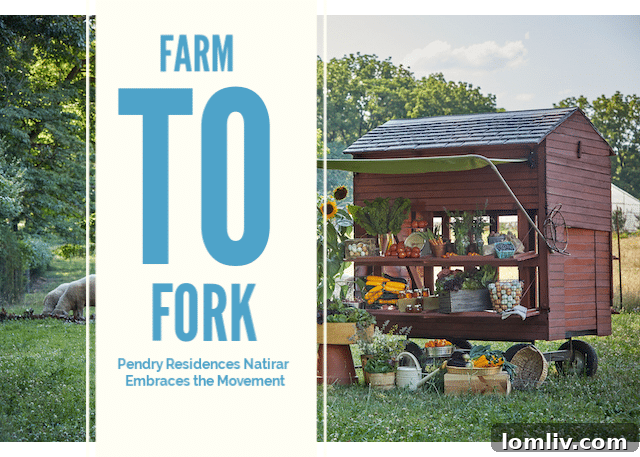
Embracing the Farm-to-Fork Lifestyle: A Deep Dive into Community Trends and Luxury Living
In an increasingly health-conscious and environmentally aware world, a transformative trend is reshaping how we think about food, community, and residential living: the farm-to-fork movement. More than just a culinary preference, farm-to-fork embodies a philosophy that prioritizes fresh, locally sourced ingredients, traceability, and a deeper connection between consumers and their food sources. This ethos is now extending beyond restaurants and farmers’ markets, finding a prominent place within luxury residential communities, creating a vibrant, sustainable, and utterly unique lifestyle for discerning homeowners.
The allure of knowing exactly where your food comes from, how it’s grown, and who harvests it, is powerful. It speaks to a primal desire for authenticity and quality, moving away from mass-produced, industrial food systems. This article delves into the burgeoning farm-to-fork community trend, exploring its multifaceted benefits, its impact on sustainable living, and how pioneering residential developments are integrating this philosophy to offer unparalleled experiences, from gourmet dining to personal gardening.
Understanding the Core Principles of Farm-to-Fork Living
At its core, the farm-to-fork movement is a commitment to consuming food that is produced, processed, and consumed as close to its origin as possible. This establishes a direct relationship between the farm (or local garden) and the dining table, effectively minimizing intermediaries and reducing transport distances. This approach not only enhances the nutritional value and flavor profile of food but also empowers consumers with knowledge about their sustenance. Key principles underpinning this philosophy include:
- Locality and Proximity: Food is primarily sourced from nearby agricultural operations or, ideally, grown within the community itself. This drastically reduces “food miles” and supports local economies.
- Unrivaled Freshness: Produce is harvested at its peak ripeness and transported directly to the consumer, often within hours. This practice maximizes nutrient content, vibrant flavors, and extends shelf life naturally.
- Seasonal Alignment: Culinary practices are dictated by what is naturally in season. This encourages a diverse diet, connects residents with natural agricultural cycles, and ensures optimal taste.
- Complete Traceability: Consumers are provided with transparent information regarding the origin of their food, including cultivation methods, ethical considerations, and any environmental impacts. This fosters trust and accountability.
- Commitment to Sustainability: A strong emphasis is placed on environmentally friendly farming practices, such as organic cultivation, regenerative agriculture, reduced water usage, and minimal waste generation, contributing to a smaller ecological footprint.
This comprehensive and holistic approach stands in stark contrast to the often opaque and globalized industrial food supply chain, offering a refreshing return to traditional values of wholesome eating, environmental stewardship, and community engagement.
The Driving Forces Behind the Farm-to-Fork Momentum
The escalating popularity of the farm-to-fork movement, particularly within upscale residential developments, can be attributed to several convergent societal shifts and evolving consumer demands:
An Awakened Health Consciousness
Modern consumers are increasingly sophisticated in their understanding of the intrinsic link between diet and overall health. They seek out fresh, unprocessed foods known for their higher nutrient density and absence of synthetic additives, preservatives, and harmful pesticides prevalent in conventional produce. Living within a farm-to-fork community grants residents unparalleled and consistent access to such wholesome, healthy options, actively fostering a holistic lifestyle of enduring wellness and vitality.
Dedicated Environmental Stewardship
The ecological footprint of our global food system has become a paramount concern. Extended supply chains contribute significantly to carbon emissions, while intensive, monoculture farming practices can severely deplete soil fertility and strain precious water resources. Farm-to-fork living intrinsically reduces food miles, championing organic and regenerative farming techniques, thereby promoting biodiversity and directly aligning with a widespread desire for a greener, more sustainable planet.
A Resurgent Desire for Community and Connection
In an increasingly digital and often isolating modern world, there is a profound longing for authentic human connection. Farm-to-fork communities are inherently designed to cultivate strong social bonds. Shared activities such as communal gardening, interactive cooking classes utilizing fresh harvests, and convivial community dining events create abundant opportunities for neighbors to interact, learn collaboratively, and grow together. This palpable sense of belonging and mutual support is a potent magnet for individuals and families seeking more meaningful and enriching social interactions.
Enriching Educational Opportunities for All Ages
For families with children, farm-to-fork living offers invaluable, hands-on educational experiences. Children can directly learn about the origins of their food, the diligent effort required to cultivate it, and the critical importance of healthy eating habits. This transforms abstract nutritional concepts into tangible, engaging, and unforgettable lessons that foster a deep appreciation for nature and food systems.
Innovative Farm-to-Fork Integration in Contemporary Residential Developments
Visionary residential communities are artfully integrating the farm-to-fork philosophy in highly innovative and luxurious ways, transforming properties into truly self-sustaining havens of gastronomic delight and well-being. These integrations transcend mere community garden plots, evolving into sophisticated, comprehensive ecosystems meticulously designed to nourish both the body and the soul of their residents.
Professional On-Site Farms and Elaborate Gardens
Many pioneering developments feature extensive, professionally managed on-site farms or exquisitely designed communal gardens. These operations are often overseen by expert horticulturists, ensuring a consistent and abundant supply of premium-quality produce. Residents may have the option to tend individual garden plots, actively participate in collective farming endeavors, or simply enjoy the convenience of fresh harvests delivered directly to their doorsteps, embodying ultimate farm-to-table convenience.
Exclusive Chef-Driven Culinary Programs
A hallmark distinguishing luxury farm-to-fork communities is the presence of acclaimed, often Michelin-starred, chefs who curate exceptional dining experiences centered around the seasonal bounty of the on-site farm. From elegant fine-dining establishments within the community to charming casual cafes and bespoke catering services, the entire spectrum of culinary offerings is intimately tied to the land, guaranteeing peak freshness, innovative menus, and an unparalleled gastronomic journey.
Engaging Cooking Classes and Practical Workshops
To deepen residents’ appreciation and practical connection to their food, many communities host regular cooking classes, intensive gardening workshops, and insightful educational seminars. These programs empower residents to creatively utilize their fresh produce, master advanced culinary techniques, and gain a profound understanding of sustainable farming practices, fostering a new generation of informed epicures.
Convenient On-Site Farm Stands and Artisanal Markets
Regularly scheduled on-site farm stands or vibrant farmers’ markets allow residents to conveniently purchase surplus produce, unique artisanal products, and specialty items sourced directly from the community’s own farm or trusted local purveyors. This further strengthens the local food economy and provides a delightful social hub for residents.
Thoughtful Integrated Design and Edible Landscaping
The farm-to-fork concept often seamlessly extends to the overarching landscape design and architectural ethos of the community. Edible landscaping, meticulously planted fruit orchards, prolific berry patches, and fragrant herb gardens are gracefully integrated into public spaces, walking paths, and even private yards, making fresh, healthy food both readily accessible and aesthetically pleasing, enhancing the overall sensory experience of living there.
The Unparalleled Lifestyle Benefits for Discerning Residents
Residing in a farm-to-fork community provides a wealth of tangible and intangible benefits that significantly elevate the standard of modern luxury living, fostering an enriched and meaningful existence:
- Exceptional Freshness and Superior Flavor: Experience produce harvested mere hours, not days, before it graces your plate, bursting with its natural, robust flavors and maximum nutritional potency.
- Holistic Healthier Lifestyles: Consistent access to organic, unprocessed, and nutrient-rich foods supports superior health outcomes, minimizes exposure to harmful chemicals, and naturally promotes a balanced, vitamin-rich diet.
- Profound Community Bonds: Shared activities centered around food cultivation, preparation, and communal consumption naturally foster deeper, more meaningful connections and weave a vibrant social fabric among neighbors.
- Rich Educational Enrichment: Acquire practical, hands-on knowledge about organic gardening, sustainable agriculture, and sophisticated culinary arts, enriching the lives of both adults and children alike.
- Exclusive Access to Premium Amenities: Enjoy privileged access to private, professionally managed farms, acclaimed chef-driven restaurants, and unique, custom-tailored culinary programs unavailable in conventional residential settings.
- Meaningful Environmental Contribution: Actively participate in supporting sustainable practices, significantly reducing your personal carbon footprint, and contributing meaningfully to local food resilience and ecological preservation.
- Enhanced Property Valuation: Properties situated within these forward-thinking, amenity-rich communities frequently command premium market values due to their unique offerings, inherent sustainable ethos, and highly desirable lifestyle proposition.
- Stress Reduction and Enhanced Well-being: Engaging with nature, breathing fresh air, and participating in the simple, mindful act of gardening can be profoundly therapeutic, contributing significantly to overall mental tranquility and physical well-being.
Pioneering the Trend: A Glimpse into the Future of Conscious Living
While the farm-to-fork trend is rooted in a fundamental desire for simplicity, authenticity, and natural living, its sophisticated integration into luxury residential spaces signifies a profound and highly refined evolution. Exemplary developments, such as the trailblazing Pendry Residences Natirar and other visionary projects, perfectly illustrate how high-end living can seamlessly intertwine with sustainable practices and genuine community engagement. These pioneering communities are transcending the conventional role of merely selling homes; they are curating and offering a holistic, purposeful lifestyle that places paramount importance on health, authentic connection, and unwavering environmental responsibility.
The trajectory for farm-to-fork living appears exceptionally bright. As an increasing number of consumers actively seek authentic, meaningful experiences and genuinely sustainable options, innovative developers are enthusiastically responding by meticulously designing communities that are truly and harmoniously integrated with their natural surroundings. We can confidently anticipate an expansion of sophisticated biodynamic farming practices, the integration of advanced hydroponic and aeroponic systems for year-round cultivation, and the emergence of even more sophisticated, hyper-local culinary experiences precisely tailored to the seasonal harvests of each unique locale.
Challenges naturally exist, including the significant initial capital investment required for establishing such extensive agricultural infrastructure and the continuous, expert management of these intricate systems. However, the overarching, long-term benefits in terms of unparalleled resident satisfaction, robust property value appreciation, and positive, measurable environmental impact far outweigh these considerations. This firmly positions farm-to-fork communities as a highly sought-after and ultimately superior model for modern, conscious living.
Conclusion: Cultivating a Better Way to Live and Thrive
The farm-to-fork community trend is unequivocally more than a fleeting contemporary fad; it represents a profound and enduring movement towards a more conscious, deeply connected, and inherently healthier way of life. By intelligently bringing food production closer to its ultimate consumption point, these exceptional communities are not only providing their residents with unparalleled access to the freshest, most nutritious ingredients available but are also fostering an invaluable sense of profound belonging, actively educating a new generation about critical sustainable practices, and significantly reducing their collective environmental footprint.
For individuals and families seeking a residence that offers the epitome of luxury harmoniously coupled with a profound sense of purpose, and unmatched convenience hand-in-hand with unwavering sustainability, the farm-to-fork community stands as the undisputed pinnacle of modern, enlightened living. It embodies a steadfast commitment to cultivating not merely food, but a significantly elevated quality of life—savored one delicious, wholesome, and consciously grown bite at a time.