Dallas is poised for a significant overhaul of its urban landscape as city planning staff advance proposals to modernize the city’s antiquated, one-size-fits-all parking code. This foundational reform, expected to be presented to the City Council by the end of the current year, aims to replace a regulatory framework that has remained largely unchanged since its inception in 1965. The existing code, a relic of mid-20th-century urban planning, is increasingly recognized as a major impediment to Dallas’s growth, equitable development, and sustainability goals.
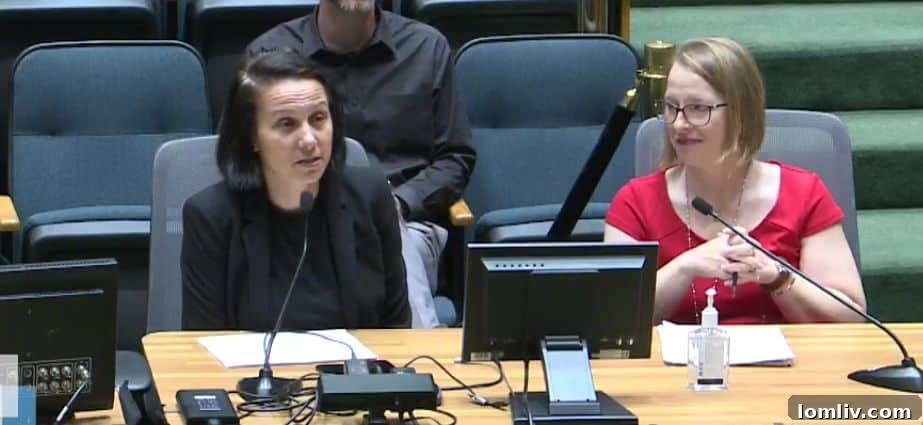
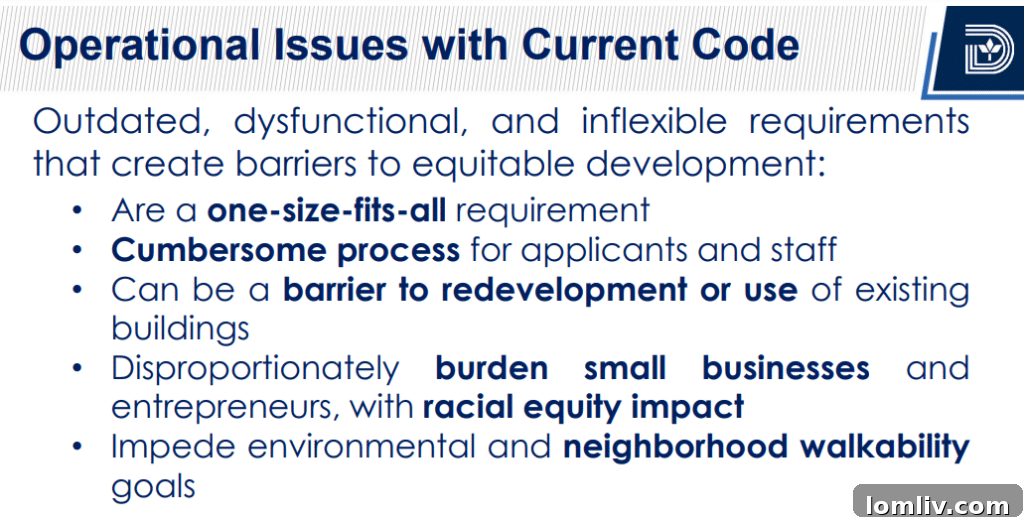
During a comprehensive briefing, Assistant Planning and Urban Design Director Andreea Udrea articulated the widespread consensus regarding the code’s deficiencies. “We all agree that it’s outdated, dysfunctional, and provides inflexible requirements that create barriers to equitable development,” Udrea stated, highlighting the urgency of the reform. She criticized the code’s indiscriminate nature, describing it as a “one-size-fits-all requirement” that applies a fixed ratio for parking across the entire city, irrespective of specific location, existing infrastructure, or local traffic patterns. This rigid approach not only imposes “cumbersome processes for applicants and staff” but also erects substantial “barriers for redevelopment or the use of an existing building,” hindering efforts to preserve and adapt historic structures for contemporary uses within Dallas’s evolving urban fabric.
The implications of the current parking requirements extend far beyond mere inconvenience. These mandates—such as one parking space per bedroom for residential units, one space for every 100 square feet for restaurants, and one for every 200 square feet for retail establishments—disproportionately burden small businesses and aspiring entrepreneurs. Such stringent requirements often necessitate dedicating valuable land and capital to parking, driving up operational costs and making it challenging for smaller ventures to establish themselves in prime locations. Moreover, the pervasive emphasis on vehicle accommodation actively undermines Dallas’s broader environmental goals, contributing to urban sprawl, reducing green spaces, and impeding the creation of walkable, bike-friendly neighborhoods crucial for a sustainable and healthy urban environment. This car-centric planning ethos exacerbates reliance on private vehicles, hindering public transit adoption and contributing to air pollution and climate change.
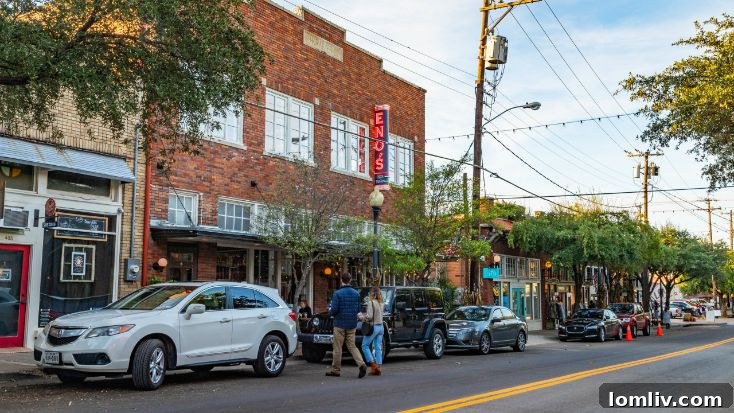
Learn how outdated parking requirements stifled a unique redevelopment plan for an historic East Dallas cafe, showcasing the current code’s impact.
Dallas Parking Reform: A Long-Awaited Urban Transformation
The journey towards comprehensive parking reform in Dallas has been a prolonged but persistent one, initiated by District 1 Councilman Chad West in 2019. Recognizing the critical need for change, Councilman West brought the issue to the forefront, sparking extensive discussions within the Zoning Ordinance Advisory Committee, a key subcommittee of the City Plan Commission, throughout 2020 and 2021. After a temporary lull, the momentum for reform was powerfully rekindled last month, once again under West’s determined leadership, underscoring the deep-seated nature of this urban planning challenge.
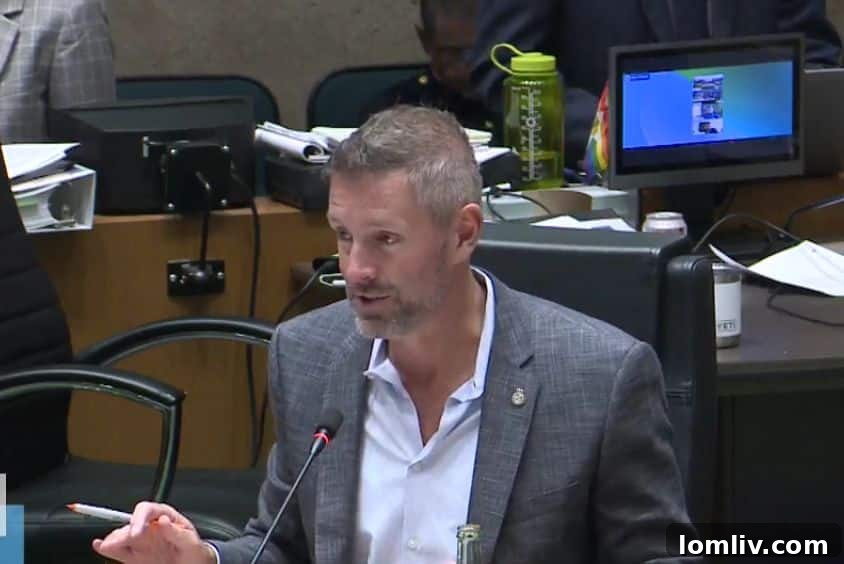
“This has been four years in the making, and this is without question one of the biggest issues confronting our city,” Councilman West declared during Wednesday’s briefing. His impassioned plea highlighted the urgency of the situation, expressing a strong desire for the City Plan Commission (CPC) and city staff to fully recognize the importance of these amendments and “expedite their review,” especially given that the initial foundational work has been awaiting action “since August 2019.” West’s advocacy reflects a growing sentiment among city leaders that modernizing Dallas’s parking regulations is not merely a technical adjustment but a crucial step towards fostering a more dynamic, equitable, and sustainable urban future for all residents and businesses.
A fundamental aspect of Dallas’s current parking regulations dictates that whenever a new business or residential property is established or undergoes significant changes, all required parking and loading spaces must be accommodated exclusively on-site. This mandate severely limits flexibility, preventing the adoption of innovative parking solutions like shared parking facilities or the strategic utilization of public right-of-way spaces. The consequence is often the proliferation of sprawling surface parking lots or the construction of expensive, multi-story garages, both of which consume valuable urban land that could otherwise be used for housing, commercial development, green spaces, or public amenities, ultimately contributing to a less vibrant and less efficient urban environment.
Despite the widely acknowledged benefits of parking reform, the discussion is not without its complexities and dissenting voices. Councilwoman Cara Mendelsohn, representing District 12, expressed significant concerns about a blanket elimination of parking minimums. She pointed out that her constituents frequently grapple with vehicle spillover from apartment complexes into surrounding residential areas, a common problem where minimum parking requirements fail to match the actual demand for spaces, pushing vehicles onto neighborhood streets. Mendelsohn emphasized the distinct needs of various urban sectors, directly asking Udrea: “Have you considered that different parts of the city have different needs?”
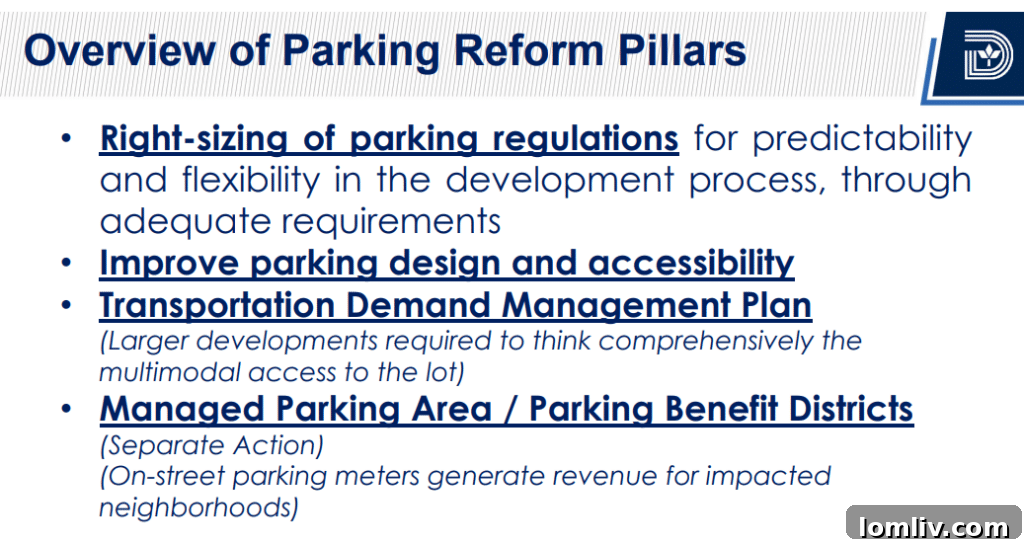
The city staff acknowledged this critical point, clarifying that their approach is not a complete removal of all parking mandates but rather a nuanced “right-size” strategy. This tailored approach seeks to align parking requirements more closely with the specific characteristics and needs of different urban contexts, potentially differentiating between dense, transit-rich urban centers, evolving mixed-use corridors, and more car-dependent suburban areas. This method aims to prevent unintended consequences like exacerbated street parking shortages in certain neighborhoods while still promoting efficient land use and reducing unnecessary parking provisions.
Councilwoman Mendelsohn further elaborated on the unique challenges within her district, which she described as potentially the only fully built-out area in the city. She painted a realistic picture of modern life in Dallas, where it is common for “sometimes three or four adults, each of whom have vehicles,” to reside in a small apartment that might only be legally required to provide a single parking space. “This is how people are surviving in Dallas today,” she underscored, highlighting that for a significant portion of the city’s population, personal vehicle ownership remains a necessity due to gaps in public transportation and the expansive geography of the metropolitan area. Her poignant observations emphasize the importance of a well-considered, context-sensitive approach to parking reform that truly reflects the diverse realities and transportation needs of Dallas’s varied communities, ensuring solutions are both progressive and practical.
The complexity of Dallas’s urban landscape was further highlighted by several council members who noted that their own districts frequently comprise a mix of both suburban and urban characteristics. This geographical diversity underscores the imperative for a flexible and adaptable parking reform strategy that can be tailored to varying land-use patterns, existing infrastructure, and transportation demands across the recently redistricted areas of Dallas. A truly effective solution must avoid a blanket approach, instead embracing contextual planning to serve the city’s multifaceted communities effectively.
Beyond land use and community concerns, the substantial economic implications of current parking mandates were brought to the forefront by District 5 Councilman Jaime Resendez. He underscored that providing adequate surface parking or constructing multi-level garage spaces incurs enormous costs for developers. A single above-ground parking space, for instance, can command an expense of up to $40,000. This significant capital expenditure is invariably passed down the economic chain, manifesting as higher rents for residential tenants, increased prices for retail goods, and elevated operating costs for businesses. Councilman Resendez’s intervention illuminated how parking minimums effectively act as an invisible tax on development, contributing substantially to housing unaffordability and inflated commercial expenses throughout the city, thus hindering economic accessibility and growth.
“I want to express my full support for moving forward with this review,” Resendez affirmed, signaling a growing consensus among council members for a progressive yet pragmatic reform. “It sounds like we’re on the same page in terms of this not being a one-size-fits-all approach.” This statement encapsulates the evolving understanding that while parking reform is critical for Dallas’s future, its successful implementation hinges on a carefully calibrated strategy that respects the city’s unique urban fabric and the diverse requirements of its residents and commercial sectors. The overarching goal is to foster a more flexible, efficient, and equitable parking system that supports Dallas’s continued development without inadvertently penalizing certain communities or stifling economic opportunities.
Reimagining Urban Spaces: Dallas Embraces Park(ing) Day and Future-Oriented Planning
Director of Planning and Urban Design Julia Ryan provided further clarity during the briefing, explaining that the staff’s presentation was not a final proposal for immediate legislative action. Instead, it represented a comprehensive briefing designed to inform and engage the City Council on the extensive efforts underway to re-evaluate and ultimately reduce burdensome parking requirements across Dallas. This deliberate initial phase is crucial for fostering understanding and building consensus among stakeholders before formal amendments are advanced, emphasizing a meticulous and inclusive approach to such a fundamental aspect of urban planning.
In a symbolic and forward-thinking gesture preceding the parking reform discussion, the City Council unanimously passed a resolution officially designating Park(ing) Day as an official city event. Park(ing) Day is a globally recognized initiative where conventional on-street parking spaces are temporarily transformed into “parklets”—vibrant, miniature public spaces such as temporary parks, art installations, or communal gathering areas. This annual event serves as a powerful demonstration of how urban space typically reserved for vehicles can be creatively reimagined and reallocated for broader community benefit, promoting walkability, social interaction, and environmental awareness within the urban core.
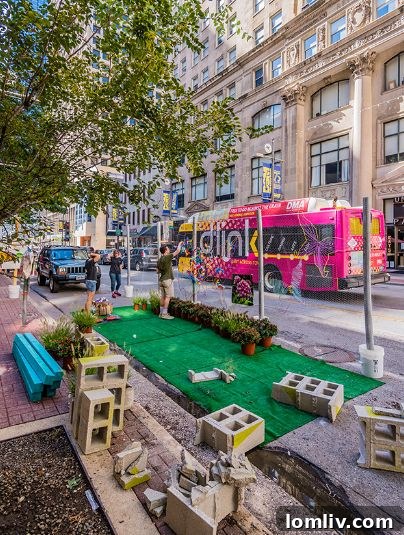
For the upcoming Park(ing) Day, scheduled for September 14, approximately 30 parking spaces in downtown Dallas will be permitted for conversion into these engaging temporary parklets. Ryan noted that this initiative, enthusiastically supported by local organizations, businesses, and urban advocates, not only enriches the downtown experience but also serves as a tangible illustration of the city’s evolving perspective on urban land use. It signals a progressive shift towards valuing public spaces for people over their exclusive use for vehicle storage, aligning seamlessly with Dallas’s broader objectives of cultivating a more livable, pedestrian-friendly, and economically vibrant downtown core.
The planning director expressed clear support for a comprehensive overhaul of the development code governing parking, recognizing its pivotal role in shaping the city’s future trajectory. She elaborated on the often-underestimated benefits of thoughtfully managed parking, noting that strategically placed and integrated parked cars can, surprisingly, function as effective traffic-calming features, naturally encouraging reduced vehicle speeds and creating a protective buffer for pedestrians along busy thoroughfares. This innovative perspective challenges the conventional view of parking solely as a necessary evil, instead framing it as an integral component of intelligent and holistic urban design that enhances both safety and aesthetics.
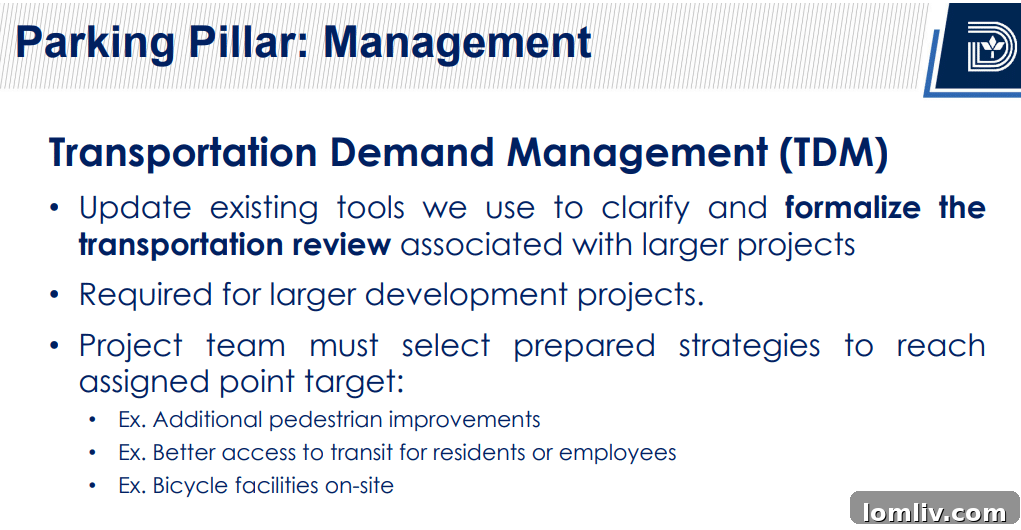
Udrea further expounded on Dallas’s pervasive parking problems, asserting that “without a doubt, they have to do with the fact that we do not have tools to adequately manage and to consider any type of sharing the supply that already exists.” This critical observation highlights a significant deficiency in the current system: an inability to efficiently leverage existing parking resources through modern strategies such as shared parking agreements, smart parking technologies, or demand-based pricing. Implementing such innovative management tools could substantially reduce the pressure for new construction, optimizing current capacity and fostering more sustainable urban development.
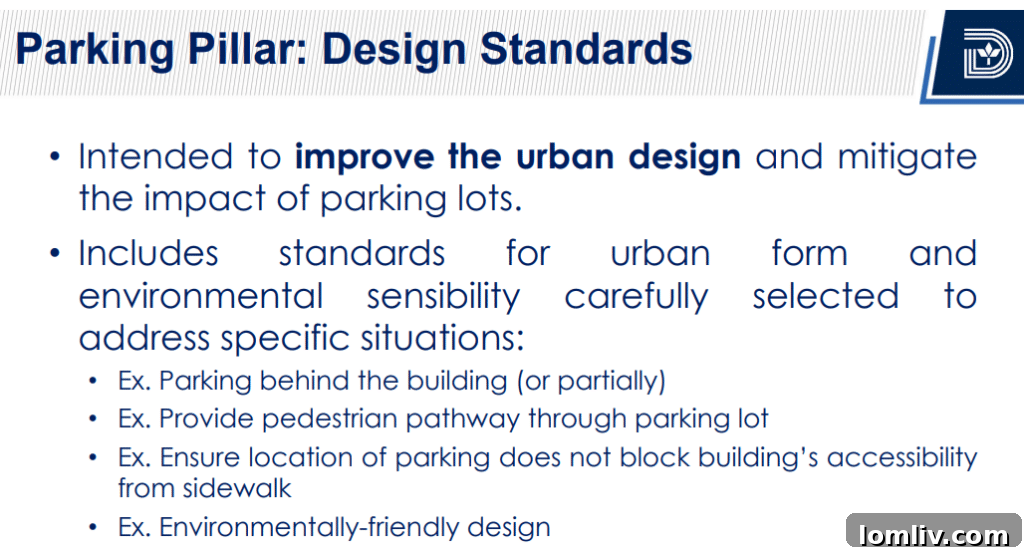
Concluding her remarks, Udrea passionately described the detrimental impact of the current parking regime on urban aesthetics and the city’s development potential. “It is hard to activate and place buildings that are market value and designed as they are supposed to be when they are surrounded by parking lots with no trees,” she stated, painting a stark picture of sprawling, treeless asphalt expanses dominating prime urban land. “That is a big alarm signal that I have for our downtown, for example. It’s hard to spur development when the situation is what it is.” Her words encapsulate the city’s urgent need to transition beyond a car-dominated planning paradigm, envisioning a future Dallas where vibrant, walkable, and environmentally sustainable urban spaces take precedence, fostering a stronger economy and a significantly higher quality of life for all its residents. This ambitious reform promises to reshape Dallas’s landscape, promoting a more dynamic, equitable, and green urban environment for generations to come.