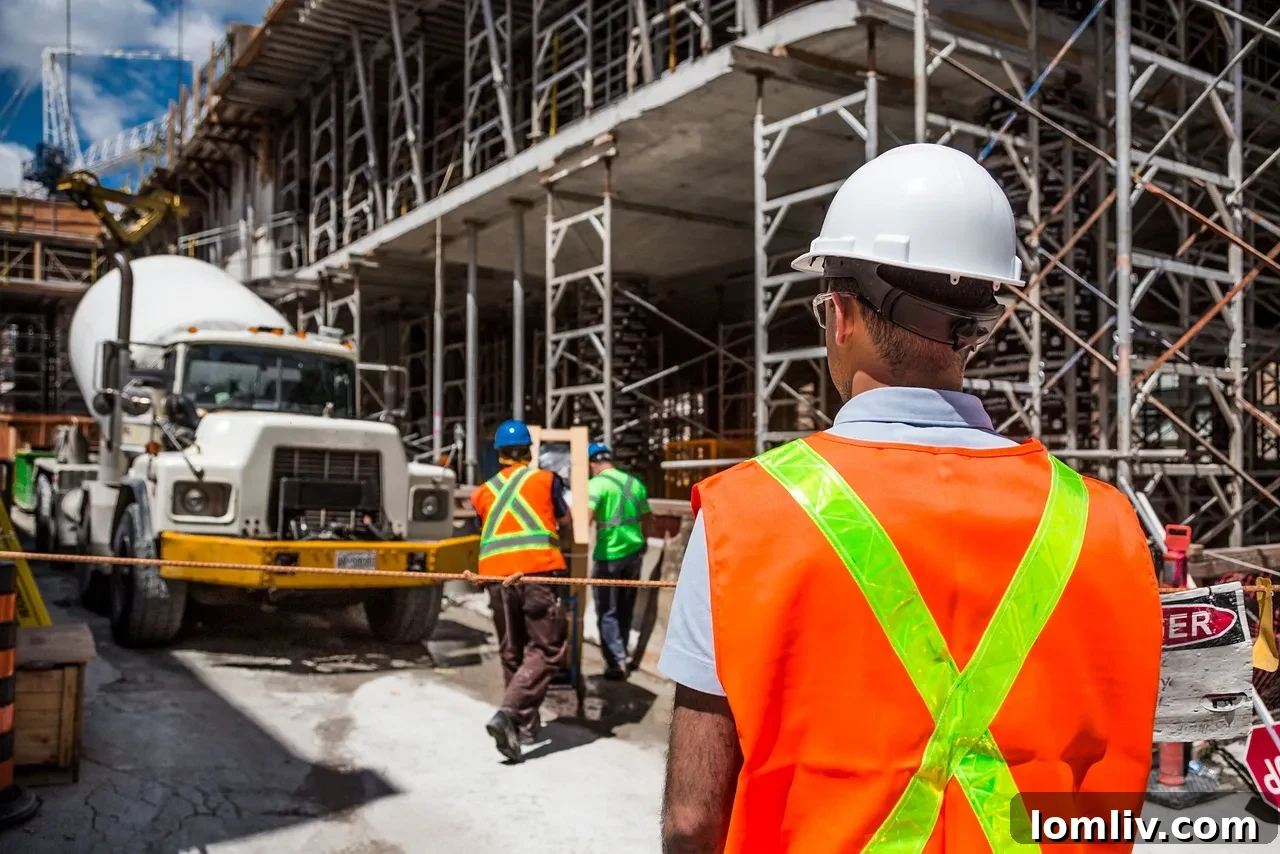
The construction industry, a cornerstone of global infrastructure and economic growth, is quietly grappling with a profound and devastating crisis: a severe mental health emergency. While the physical dangers of construction sites are widely acknowledged and addressed through rigorous safety protocols, the invisible struggles of mental health have long been overlooked. This oversight has led to alarmingly high suicide rates among construction workers, far exceeding those in many other sectors and the national average. This isn’t merely a statistic; it represents a tragic loss of life, talent, and potential, impacting families, communities, and the industry itself.
In the UK, the data paints a stark picture: construction workers are four times more likely to die by suicide compared to the national average. This harrowing figure underscores a systemic issue that has been silently escalating for years, demanding immediate and comprehensive action. The contributing factors are multifaceted, ranging from the inherent demands of the job to deeply ingrained cultural norms. Long working hours, precarious job security, immense pressure to meet tight deadlines, and prolonged periods away from family life all contribute to a heightened state of stress and isolation. Compounding these external pressures is a prevailing industry culture that often stigmatizes mental health struggles, treating them as signs of weakness rather than legitimate health concerns. This toxic environment discourages workers from seeking help, perpetuating a cycle of suffering.
Construction site owners and industry leaders can no longer afford to ignore this escalating crisis. The true cost extends far beyond delayed projects or financial losses; it is measured in lost lives, shattered families, and a significant drain on workforce morale and productivity. This comprehensive article delves into the core reasons why the construction sector is struggling with mental health challenges and, more importantly, outlines actionable strategies and essential steps that site owners and employers can implement to foster a culture of support, resilience, and wellbeing, making a tangible and life-saving difference.
Understanding the Alarming Scale of the Mental Health Crisis in Construction
The numbers associated with mental health struggles and suicide in the construction industry are undeniably difficult to confront, yet their gravity demands our full attention. Data released by the Office for National Statistics consistently reveals that individuals working in construction are significantly more vulnerable to suicide, often more than three times as likely to take their own lives compared to the general population. This isn’t a rare occurrence; heartbreakingly, every single week, several workers across the UK construction landscape succumb to suicide. These individuals come from all ranks and roles within the industry, including dedicated labourers, skilled joiners, essential groundworkers, and experienced supervisors.
This widespread suffering signifies more than just a handful of isolated, tragic incidents. It points to a deep-seated, systemic issue that infiltrates every corner and every tier of the construction sector. The sheer volume and consistency of these statistics highlight a profound failure to adequately support the mental wellbeing of a vital workforce. Beyond the cold numbers, each statistic represents a person – a valued colleague, a cherished family member, a loyal friend – whose life has been tragically cut short. Recognising the true, devastating scale of this mental health crisis is not just an act of empathy; it is the absolutely essential first step towards initiating meaningful, transformative change within the industry. It compels us to move beyond mere acknowledgement to active intervention and widespread support.
Navigating the Unique Pressures Facing Construction Workers Today
Construction work has always been renowned for its inherent toughness, demanding significant physical resilience and mental fortitude. However, today’s construction workers face an array of escalating pressures that are arguably unmatched in most other industries, creating a unique and often overwhelming environment. One of the most significant stressors is pervasive job insecurity. The prevalence of short-term contracts, project-based employment, and reliance on agency work means that many workers live with the constant threat of unemployment. Missing even a few days of work due to illness, injury, or family emergencies can directly translate into a complete loss of income or even losing their position altogether, fostering a deep sense of instability and anxiety.
The daily reality of construction life also presents formidable challenges. Long working hours are often the norm, frequently extending beyond standard shifts to meet ambitious project deadlines. This is coupled with physically demanding tasks, leading to chronic exhaustion, and very early starts that disrupt natural sleep patterns. Workers are routinely expected to perform outdoors, enduring all manner of severe weather conditions – from freezing rain and biting winds to scorching heat – often with limited opportunities for rest, recovery, or protection from the elements. This relentless grind takes an immense toll on both physical and mental health.
Furthermore, many construction projects are located in remote areas or require extensive travel, compelling workers to live away from home for days, weeks, or even months at a time. This enforced separation from family, friends, and established support networks leads to profound feelings of isolation and loneliness, further exacerbating stress and vulnerability. Simultaneously, the rising cost of living continues to exert relentless financial pressure on workers and their families, adding another layer of anxiety. Compounding these external factors is a deeply ingrained cultural expectation within the industry to project an image of “toughness” and stoicism. This unspoken code often leaves workers feeling unable or unwilling to openly discuss their struggles with stress, anxiety, or depression, fearing judgment or professional repercussions. This dangerous combination of intense external pressures and internalised cultural barriers creates an environment where too many individuals are pushed past their breaking point, with devastating consequences.
Building Essential Mental Health Skills and Support on Site
To effectively address the mental health crisis, site owners must elevate mental health to the same level of criticality as established safety protocols like first aid or fire safety. Simply displaying posters or making sporadic announcements is no longer sufficient. A proactive and systematic approach is required to embed mental health support into the daily operations and culture of every construction site. This means equipping both workers and supervisors with tangible skills to recognise the subtle and overt signs of mental health struggles in themselves and their colleagues.
Crucially, they need to learn how to initiate sensitive conversations, practice active and empathetic listening, and confidently guide colleagues towards appropriate sources of professional help. Specialised training, such as dedicated Mental Health in Construction Training, offers practical tools and strategies specifically tailored to the unique demands and environment of a construction site. Such programs teach participants how to identify changes in behaviour, mood, or performance that may signal distress, how to approach a struggling colleague with care, and how to act constructively without inadvertently worsening the situation.
It is important to clarify that this training does not aim to transform construction workers into therapists. Instead, its primary objective is to empower them with the confidence, knowledge, and appropriate language to support one another effectively and to escalate serious concerns through established channels. By normalising conversations around mental health, the industry can begin to dismantle the pervasive stigma that currently prevents many from seeking help. When asking for help becomes an accepted and integral part of the site culture, rather than a shameful exception, lives will undoubtedly be saved. This shift fosters a truly supportive environment where vulnerability is met with understanding and assistance.
The Pivotal Role of Leadership in Reshaping Site Culture
Leadership is the bedrock upon which a supportive and mentally healthy site culture is built. The attitude and actions of managers and supervisors send clear signals about how mental health is perceived and prioritised within an organisation. Workers instinctively take their cues from those in leadership positions. If managers openly demonstrate that they take mental health seriously, actively engaging with the issue and providing visible support, workers will feel significantly safer and more empowered to speak up about their own struggles or to express concerns about their colleagues. Conversely, if leaders ignore the issue, dismiss it, or treat it as a secondary concern, the stigma surrounding mental health will persist and even intensify, allowing problems to fester and grow unchecked.
Effective leadership in this context involves far more than just overseeing project progress. It encompasses regularly checking in with teams, not only about their tasks and targets but also genuinely inquiring about their overall wellbeing. This means actively creating safe spaces for honest, open conversations where workers feel heard and respected. Leaders who are willing to demonstrate their own vulnerability, perhaps by sharing their experiences with stress or acknowledging that mental health challenges are a normal part of the human experience, play a crucial role in building trust and psychological safety. Such openness helps to demystify mental health and fosters a more empathetic, inclusive, and supportive culture throughout the entire site.
Ultimately, profound culture change begins at the top. Every single action taken by a leader, every conversation they initiate or participate in, and every policy they champion, collectively contributes to shaping an environment where mental wellbeing is truly valued and actively protected. Proactive and compassionate leadership is not just beneficial; it is absolutely essential for creating workplaces where everyone feels safe, supported, and capable of thriving.
Connecting Mental Health to Health and Safety Law: A Legal Imperative
Beyond being a critical wellbeing concern, mental health is unequivocally a fundamental health and safety issue, with clear legal implications for employers. In the United Kingdom, the cornerstone of workplace safety legislation, the Health and Safety at Work etc. Act 1974, places a strict legal duty on all employers to protect the health, safety, and welfare of their workers. Crucially, this statutory duty extends comprehensively to mental health, not just the prevention of physical injuries. Conditions such as work-related stress, depression, and anxiety are now widely recognised and classified as legitimate workplace risks, requiring the same level of assessment and control as any physical hazard.
Ignoring mental health risks has profound consequences, not only for the individual worker but also for the business. Mental health issues can significantly impair cognitive functions, affecting concentration, judgment, and decision-making abilities, which directly increases the likelihood of accidents and incidents on site. Furthermore, poor mental wellbeing is a major driver of increased absenteeism, presenteeism (where workers are physically present but not productive), and higher staff turnover rates, all of which incur significant economic costs for employers. From a legal standpoint, a failure to adequately manage mental health risks leaves businesses vulnerable to regulatory enforcement actions, potential fines, and costly legal claims from affected employees. Moreover, such neglect can severely damage a company’s reputation, making it difficult to attract and retain skilled talent. Therefore, proactively protecting and promoting mental health in the workplace is not merely a moral obligation; it is an integral part of fulfilling basic legal duties and ensuring a resilient, productive, and compliant operation.
Improving Everyday Awareness and Integration Across Sites
True, impactful mental health awareness isn’t cultivated through isolated, one-off campaigns or sporadic speeches; it’s woven into the very fabric of everyday site life and operations. While initial awareness drives are important, sustainable change comes from embedding mental health considerations into daily interactions and routines. This involves fostering an environment where small, consistent actions demonstrate a genuine commitment to wellbeing. It could be as simple yet profound as a foreman making a point to check in twice on a worker who seems unusually quiet, or a manager noticing subtle shifts in a team member’s behaviour and following up with genuine concern.
Implementing simple, practical steps can significantly enhance mental health awareness and support. Regular ‘toolbox talks’ dedicated to mental health topics can normalise discussions and provide accessible information. Designating quiet spaces on site for breaks, reflection, or private phone calls offers workers much-needed respite from the constant hustle. The introduction of visible mental health champions – peer volunteers trained to offer initial support and signposting – can create accessible points of contact for those struggling. These champions act as vital bridges, connecting colleagues to resources and demonstrating that help is readily available and culturally accepted.
Critically, workers must receive clear reassurance that speaking up about their mental health will be met with empathy and support, not judgment, dismissal, or negative repercussions. The goal of enhanced awareness is to cultivate a profound sense of psychological safety, rather than adding another layer of pressure. When workers genuinely trust that robust support systems are in place, and that their concerns will be handled with confidentiality and care, they are far more inclined and empowered to seek help when they need it most. This proactive approach transforms the site into a truly supportive community.
Practical Steps for Site Owners to Build Safer, Healthier Workplaces
Site owners are uniquely positioned to drive significant, positive change in the construction industry’s approach to mental health. This requires a commitment to clear, consistent, and actionable strategies that go beyond mere compliance. Implementing the following practical steps can transform workplaces into truly safer, healthier, and more supportive environments:
- Establish Mental Health Expectations from Day One: Integrate mental health discussions and support information directly into site inductions for all new employees and contractors. Mental health risk assessments should become a standard part of project planning, identifying potential stressors and implementing preventative measures proactively.
- Comprehensive Training for Leadership: Invest in targeted training for all supervisors, team leaders, and line managers. This training should focus on equipping them with the skills to recognise the early signs of distress, understand common mental health challenges, respond appropriately and empathetically, and know how to signpost colleagues to professional help. Empowering leaders to act early can prevent issues from escalating.
- Ensure Accessible Support Services: Provide real, confidential, and easy-to-access avenues for support. This includes implementing or promoting Employee Assistance Programmes (EAPs) that offer counselling and advice, partnering with reputable mental health charities, or establishing confidential helplines. Crucially, ensure workers know how to access these services without fear of repercussions.
- Promote Work-Life Balance: Actively encourage and support healthy work-life boundaries. This might involve reviewing working hours, promoting adequate rest periods, discouraging excessive overtime, and exploring flexible working arrangements where feasible. Recognising the impact of long hours and time away from home is vital.
- Foster Open Communication and Feedback: Regularly review existing mental health policies and initiatives. Crucially, solicit and act upon feedback from workers to ensure that support systems are effective and meet their needs. Create platforms for open dialogue, encourage personal stories (where appropriate and comfortable) that build understanding and empathy, and actively listen to concerns.
- Visible Leadership and Advocacy: Leaders must visibly champion mental health, sharing their commitment through regular communications, attending mental health events, and demonstrating that wellbeing is a core value, not just a tick-box exercise.
Sites that consistently prioritise mental health not only become safer and more legally compliant but also cultivate a more resilient, engaged, and productive workforce. These small, yet impactful, steps accumulate over time to drive genuine and lasting cultural change across the entire construction sector.
Conclusion: A Call to Action for Mental Health in Construction
The profound mental health and suicide crisis within the construction industry is not a problem that will simply resolve itself. It demands a collective, unwavering commitment to honest conversations, comprehensive and practical training, and decisive leadership that resolutely refuses to look away from the suffering within its workforce. This is a critical moment for the sector to demonstrate its capacity for empathy and innovation.
Site owners and senior management hold the crucial keys to initiating and sustaining this transformative change. They are the architects of workplace culture, possessing the power to decide whether mental health support is merely a superficial gesture or a deeply embedded, genuinely accessible lifeline. The human and economic cost of inaction is simply too high to bear. Every single worker’s life, every conversation about wellbeing, and every proactive step taken to foster a supportive environment matters immensely.
Saving lives in construction extends beyond reacting to immediate emergencies. It happens every single day, on every single site, when individuals choose to care, when leaders champion wellbeing, and when the industry as a whole commits to building not just structures, but also a foundation of robust mental health and support for all its valued employees. Let us build a future where every construction worker feels safe, valued, and empowered to thrive.