Engaging Dallas Residents: A Guide to City Services and Urban Planning
Dallas, a vibrant metropolis home to approximately 1.3 million residents, is constantly evolving. As the city grows, ensuring that its inhabitants are well-informed and actively engaged in its development becomes paramount. Recent virtual workshops, designed to demystify city services and introduce critical urban planning initiatives, highlight both the potential and the ongoing challenge of fostering robust community participation. Despite a modest turnout of just 12 participants for a recent hour-long session, these platforms remain vital for connecting residents with the resources and decision-making processes that shape their daily lives and the city’s future.
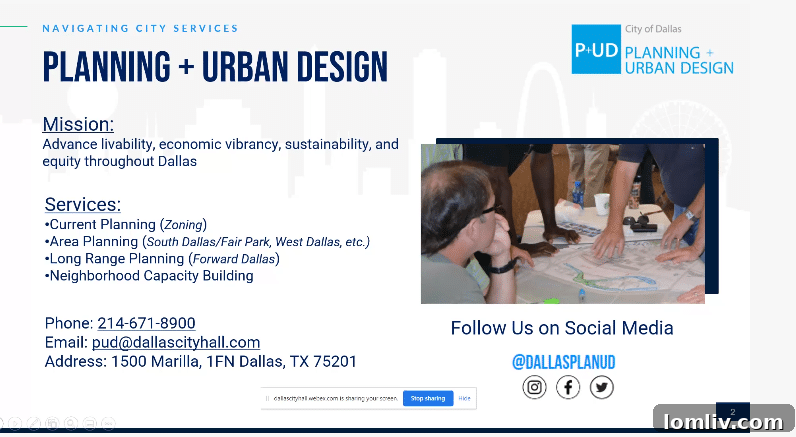
Facilitated by dedicated Dallas outreach specialists like Chanel Williams, these online discussions cover fundamental aspects of city government, provide practical guidance on navigating the comprehensive city website to locate services, and delve into key strategic plans such as the ForwardDallas comprehensive land use blueprint. They also serve as a valuable channel for announcing upcoming events and workshops, ensuring residents have opportunities to learn and contribute. The city’s commitment to transparency and inclusivity is further demonstrated by upcoming sessions, with the next virtual workshop slated to focus specifically on the intricate topics of land use and zoning. Residents interested in these crucial discussions can find workshop notices readily available on the official Planning and Urban Design webpage, a central hub for civic engagement and urban development information.
ForwardDallas: Charting the Course for Dallas’s Next Two Decades
At the heart of Dallas’s long-term vision lies ForwardDallas, a groundbreaking comprehensive land use plan designed to strategically guide the city’s growth and development over the next 20 years. This ambitious initiative is more than just a regulatory document; it’s a living roadmap intended to ensure that Dallas evolves in a way that is sustainable, equitable, and responsive to the needs of its diverse population. Given the significant influx of new residents relocating to Dallas, careful and proactive planning is essential to manage resources, infrastructure, and quality of life effectively.
What is ForwardDallas? A Vision for the Next Two Decades
As Chanel Williams eloquently explained, “ForwardDallas is a comprehensive land use plan that outlines specific goals. It will basically help shape Dallas over the next 20 years. There are so many people that are relocating to Dallas, and we need to be strategic on how we are going to use the land that we have to address all the people that are coming here.” This statement underscores the critical need for a forward-thinking approach. The plan aims to balance various community needs, from economic development and housing to environmental protection and transportation. It addresses questions of density, mixed-use development, and the preservation of distinct neighborhood characters, all while accommodating a burgeoning population. Participating in this process is not merely an option but a vital opportunity for residents to directly influence the physical and social fabric of their city.
The strategic imperative behind ForwardDallas cannot be overstated. With a rapidly growing population, Dallas faces both immense opportunities and complex challenges. Ensuring adequate housing, creating vibrant public spaces, developing efficient transportation networks, and protecting natural resources all depend on a well-conceived land use strategy. ForwardDallas seeks to address these multifaceted needs by gathering input from every corner of the city, aiming to build a consensus on how best to allocate and utilize land to enhance the quality of life for all residents.
The Importance of Community Input in ForwardDallas
The success of ForwardDallas hinges on robust community involvement. Williams emphasized the importance of resident participation, stating, “It’s a good thing to make sure you’re involved in this process. We want to know what type of things that you feel are missing in your neighborhood or what your neighborhood could use. It could be more greenspaces or multi-use housing.” This open invitation encourages residents to voice their specific concerns and aspirations for their communities. Neighborhood association leaders are particularly encouraged to stay connected with ForwardDallas updates through social media and to actively disseminate information to their constituents, ensuring a broad and diverse range of perspectives are heard.
To facilitate this detailed feedback, the city has implemented innovative tools. Williams highlighted the “social pinpoint interactive map,” which allows for granular input. “We want to know your areas of concern and your ideas for certain land use spaces,” she explained. “We have a social pinpoint interactive map, which allows you to get a little bit deeper. If you have a specific area that is of concern, or it could be your own neighborhood, you can pinpoint that exact location on the map and give us your feedback. We want to know that so we can include it in this plan.” This interactive tool empowers residents to identify specific locations on a map and share their ideas or raise concerns, providing valuable, geo-located data that directly informs the planning process.
Adding to this sentiment, service area supervisor Sandra Bowie underscored the pivotal role of visioning workshops for neighborhoods. “We want to hear from you,” she affirmed. “We want to know what your vision is for Dallas for the next generation.” This collective visioning is crucial for creating a plan that truly reflects the hopes and needs of the Dallas community, ensuring that the city’s growth benefits everyone and preserves its unique character for future generations.
Upcoming Engagement Opportunities for ForwardDallas
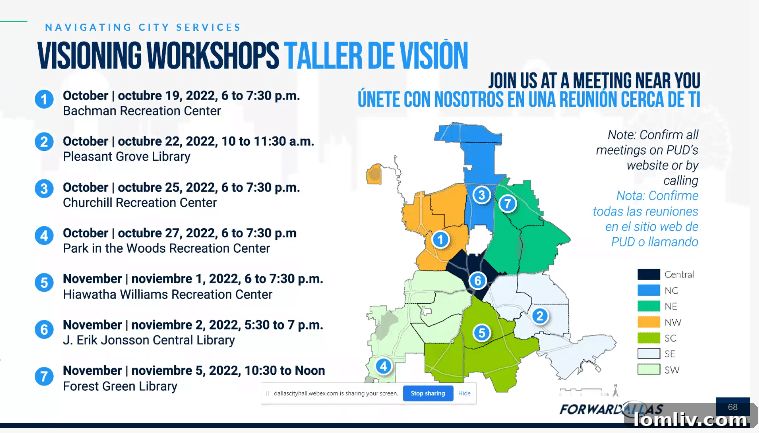
To ensure widespread participation and gather diverse perspectives, seven visioning workshops for ForwardDallas are scheduled to commence on October 19 and will be strategically held in various quadrants of the city through November 5. These in-person workshops provide invaluable opportunities for residents to engage directly with city planners, ask questions, and contribute their insights in a collaborative environment. Details regarding specific dates, times, and locations for these crucial workshops are regularly updated on the Planning and Urban Design webpage and disseminated through official city communication channels. Staying informed and participating in these workshops is a concrete way for Dallas residents to directly contribute to the shaping of their city’s future.
Essential City Services: Code Compliance and Sanitation
Beyond overarching urban planning, the City of Dallas provides a vast array of essential services that directly impact residents’ daily lives, ensuring safety, cleanliness, and public health. Two critical departments—Code Compliance and Sanitation Services—play a fundamental role in maintaining the city’s livability and upholding community standards. Understanding their functions and how to interact with them is key for every Dallas resident.
Ensuring a Safe and Livable Dallas: Code Compliance
The Code Compliance Department is on the front lines of maintaining neighborhood quality and ensuring adherence to city ordinances. Eric Onyechefule, Public Information Coordinator for the department, provided a comprehensive overview of his team’s extensive responsibilities. These include addressing nuisances such as overgrown weeds or abandoned vehicles, tackling pervasive graffiti, implementing mosquito abatement programs to protect public health, and overseeing crucial consumer health and food safety regulations. Their work is integral to creating safe, healthy, and visually appealing environments across Dallas.
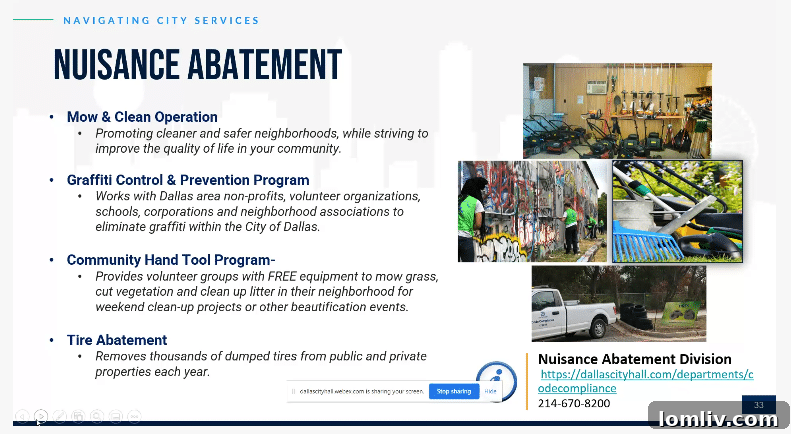
Onyechefule strongly encouraged residents to proactively contact his department when they observe potential code issues in their neighborhoods. Timely reporting allows inspectors to address problems efficiently, preventing minor issues from escalating. He highlighted the significant impact of their work, particularly in a city where over 60 percent of the population rents their homes. “They do some very good work, especially when you consider that over 60 percent of people rent, so that’s a lot of work for our code inspectors to go out there and help apartments, help our residents abate violations and learn more about violations,” he explained. This demonstrates the department’s commitment to educating residents about code requirements and assisting them in rectifying violations, thereby promoting a shared responsibility for maintaining community standards. The department stands ready to “answer questions and to help understand any concerns that you may have,” underscoring their dedication to resident support and clear communication.
Sustainable Waste Management: Dallas Sanitation Services
Felecia Foster, Senior Outreach Specialist with Sanitation Services, provided insights into the city’s comprehensive waste management efforts. Her overview covered the fundamentals of garbage collection, the vital recycling program designed to reduce landfill waste, and specialized services such as brush and bulky collection for larger items. Beyond routine pickups, Foster also touched on responsible tire disposal procedures and the availability of both residential and commercial waste drop-off facilities at the McCommas Bluff Landfill, emphasizing the importance of proper disposal for environmental protection.
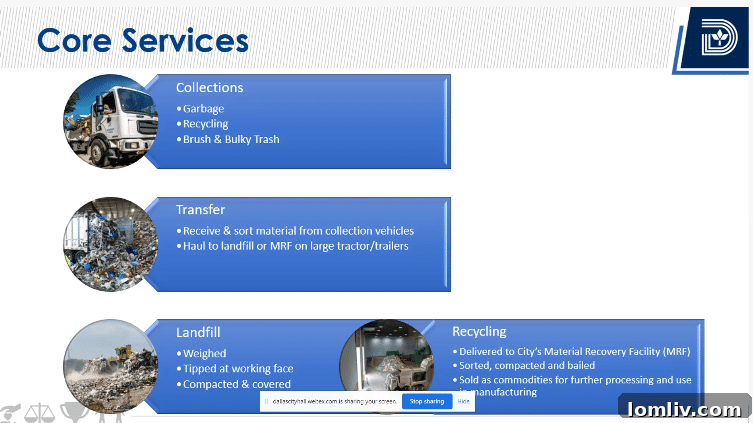
In a move towards greater environmental stewardship, information regarding Green Business Certification is now readily available on the Sanitation Services website. This initiative encourages local businesses to adopt sustainable practices, contributing to a greener Dallas. Foster emphasized the relatively recent establishment of the “Communications and outreach” unit within sanitation, underscoring a renewed focus on resident engagement. “Our job is to make sure we’re educating, empowering, and communicating with you a lot better on what’s going on with our services,” she stated. This commitment reflects a proactive approach to keeping residents informed about service changes, recycling guidelines, and opportunities to participate in creating a cleaner, more sustainable city.
Amplifying Resident Voices: Public Input and Community Programs
The city’s commitment to its residents extends beyond providing essential services and planning for the future; it actively seeks and values public input, demonstrating a responsive and community-centric approach to governance. These engagement opportunities allow residents to voice concerns, seek clarification, and connect with various city initiatives designed to improve their quality of life.
Addressing Individual Concerns and Connecting to Resources
The virtual workshops serve as a direct conduit for residents to address specific challenges they face. During one such session, a participant inquired about obtaining a permanent certificate of occupancy for a home under construction, prompting a swift direction to the appropriate city’s Building Services Department. Similarly, another resident seeking information about necessary digging permits before planting trees was guided to the Public Works Department and the 311 service line. These instances highlight the practical utility of these meetings in connecting residents with the precise departmental expertise and resources needed to resolve their unique issues, fostering a sense of accessibility and responsiveness from city officials.
Fostering Community and Green Initiatives
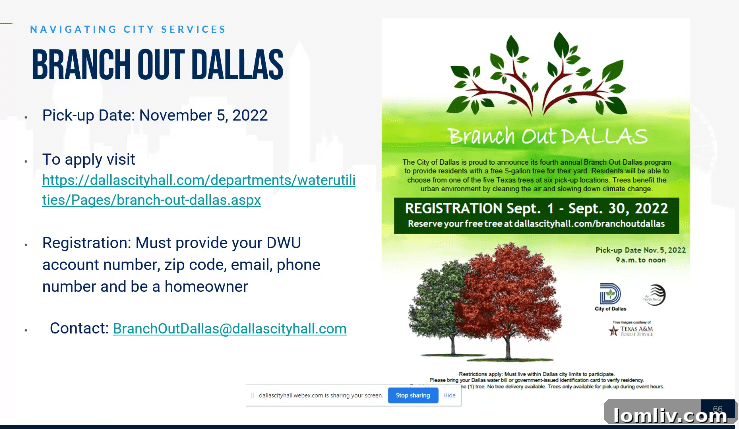
Beyond individual problem-solving, city officials actively promote programs that enhance community well-being and environmental sustainability. Sandra Bowie, for instance, shared exciting details about Dallas Water Utilities’ “Branch Out Dallas” program, a popular initiative that offers free trees to registered residents on November 5. This program not only beautifies neighborhoods but also contributes to improved air quality, reduced urban heat island effects, and enhanced ecological diversity.
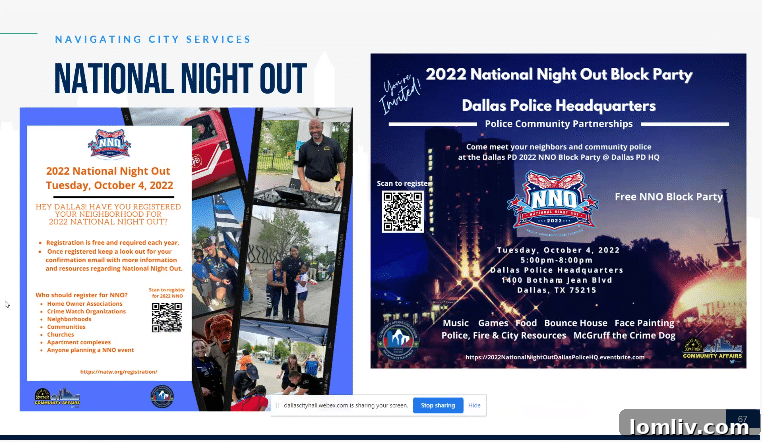
The web meetings also serve as platforms to disseminate information about a broader spectrum of community-enriching initiatives. City officials provided updates on National Night Out, scheduled for October 4, an event that fosters police-community partnerships and neighborhood camaraderie. They also highlighted grants offered by the Office of Arts and Culture, supporting local artists and cultural organizations, thereby enriching Dallas’s vibrant arts scene. Details were shared about Community Court, an innovative judicial approach focused on restorative justice and addressing underlying issues, as well as the Rapid Integrated Healthcare Team, which provides critical support for residents in need. These diverse programs collectively reflect the city’s holistic approach to urban well-being, addressing everything from public safety and cultural enrichment to social justice and healthcare access.
To ensure that valuable information remains accessible, Chalonda Mangwiro-Johnson, the Community Engagement Manager, confirmed that the slides from Tuesday’s comprehensive presentation will be promptly posted on the Planning and Urban Design website. This commitment to online accessibility ensures that even those unable to attend live sessions can review the material and stay informed about crucial city initiatives.
The Power of Participation in Dallas’s Future
In a dynamic and rapidly growing city like Dallas, the active engagement of its residents is not merely beneficial—it is absolutely essential for sustained progress and a high quality of life. While the attendance at recent virtual workshops may suggest room for increased participation, the city’s consistent efforts through initiatives like ForwardDallas, comprehensive city services, and various community programs underscore a deep commitment to fostering an informed and involved citizenry. Every question asked, every piece of feedback shared, and every idea proposed contributes to a collective vision that makes Dallas a better place to live, work, and thrive.
Residents are continuously encouraged to move beyond passive observation and become active participants in shaping their city. Whether it’s attending a ForwardDallas visioning workshop, reporting a code compliance issue, learning about recycling, or simply exploring the wealth of information on the city’s website, each interaction strengthens the bond between city government and its people. The future of Dallas, with its vibrant neighborhoods, efficient services, and strategic urban planning, is a shared responsibility, and its continued success will be a direct reflection of the collective power and dedication of its engaged community members.